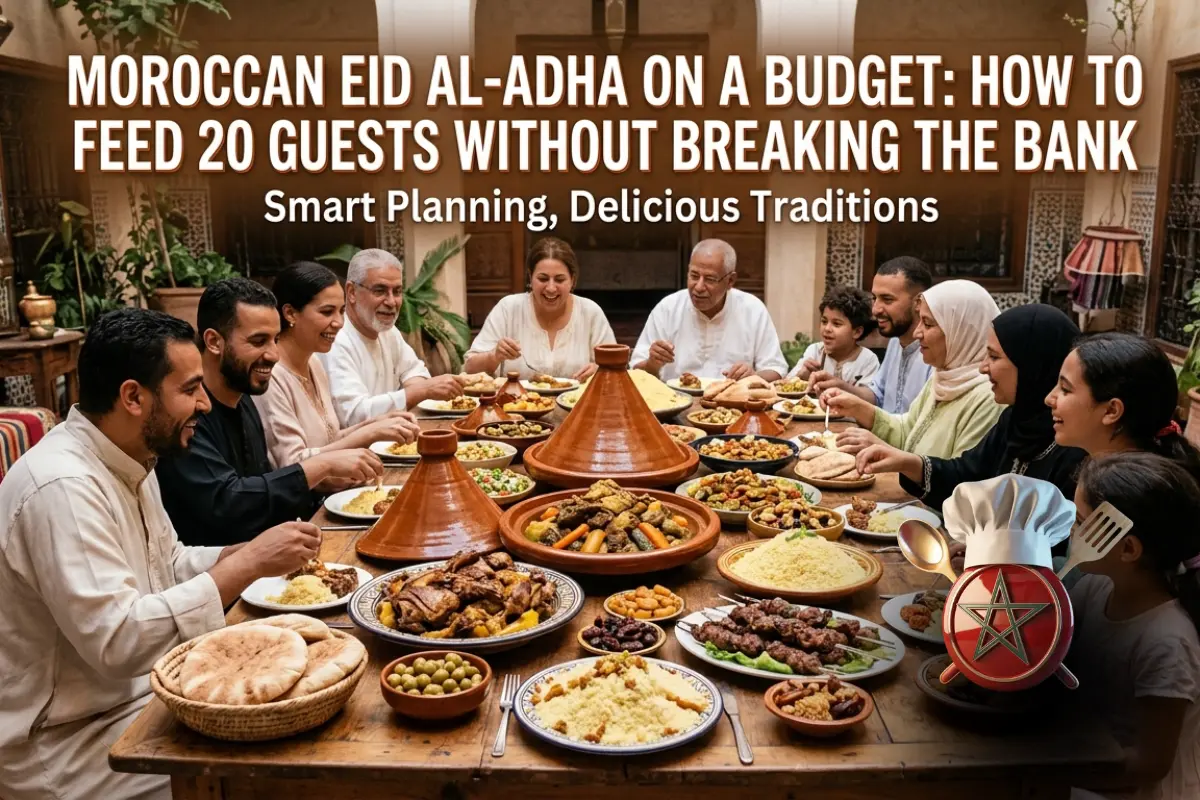
Creating an Unforgettable Moroccan Eid al-Adha Celebration on Any Budget
Eid al-Adha, known as the "Festival of Sacrifice," stands as one of the most significant celebrations in the Islamic calendar, and in Morocco, it transforms into a magnificent culinary spectacle that brings families and communities together. For those living in Western countries who want to honor this sacred tradition while managing their expenses, the prospect of feeding 20 guests with authentic Moroccan flavors might seem daunting. However, with careful planning, strategic shopping, and knowledge of traditional Moroccan cooking techniques, you can create an extraordinary feast that captures the essence of this holy celebration without straining your wallet.
The beauty of Moroccan cuisine lies not in expensive ingredients, but in the masterful use of spices, slow-cooking techniques, and the generous spirit of sharing. Traditional Moroccan families have perfected the art of creating abundant, flavorful meals using humble ingredients transformed through time-honored methods passed down through generations. This approach makes Moroccan cooking particularly well-suited for budget-conscious hosting, as many of the most beloved dishes rely on affordable staples like legumes, grains, seasonal vegetables, and economical cuts of meat that become tender and delicious through proper preparation.
Understanding the Cultural Significance and Traditional Menu Planning
Before diving into the practical aspects of budget planning, it's essential to understand what makes an Eid al-Adha celebration authentically Moroccan. This festival commemorates the willingness of Ibrahim (Abraham) to sacrifice his son as an act of obedience to God, and traditionally involves the ritual sacrifice of an animal, usually a sheep, goat, or cow. The meat from this sacrifice is shared among family, friends, and those in need, embodying the principles of generosity, community, and gratitude that define the celebration.
In Moroccan tradition, the Eid al-Adha feast is characterized by specific dishes that hold cultural significance. The celebration typically begins with the consumption of the sacrificial meat, often prepared as grilled kebabs or simple roasted portions served immediately after the morning prayers. However, the main feast, which usually takes place later in the day, features an elaborate spread that showcases the diversity and richness of Moroccan cuisine.
A traditional Moroccan Eid al-Adha menu centers around several key components that work together to create a balanced and satisfying meal. The centerpiece is usually a substantial meat dish, traditionally featuring lamb or beef prepared in a tagine or as a slow-roasted joint. This is accompanied by multiple side dishes including various vegetable preparations, grain-based salads, legume dishes, and an assortment of bread. The meal concludes with an array of sweets, fresh fruits, and the ever-present Moroccan mint tea.
When planning for 20 guests, the key is to focus on dishes that can be easily scaled up and that provide maximum flavor impact for minimal cost. Traditional Moroccan cooking excels in this area, as many classic dishes are designed to feed large groups using economical ingredients. The generous use of spices, herbs, and aromatics ensures that even simple, inexpensive ingredients are transformed into memorable, flavorful dishes that will leave your guests satisfied and impressed.
Essential Dishes for Your Eid al-Adha Menu
Your menu should include a strategic selection of dishes that represent different aspects of Moroccan cuisine while keeping costs manageable. Start with a substantial tagine as your centerpiece – this slow-cooked stew can incorporate less expensive cuts of meat while delivering maximum flavor. Complement this with a selection of vegetable dishes, grain salads, and legume preparations that not only stretch the meal further but also provide nutritional balance and authentic Moroccan flavors.
Consider including dishes like Moroccan lentil and vegetable soup, which serves as both an appetizer and a filling component of the meal. Add a substantial couscous dish loaded with vegetables, and prepare multiple salads featuring ingredients like carrots, beets, and oranges that are both economical and quintessentially Moroccan. Round out the meal with homemade bread, which costs pennies to make but adds an authentic touch that guests will appreciate.
Smart Shopping Strategies and Budget Breakdown
Successful budget management for your Eid al-Adha feast begins with strategic shopping and understanding where to allocate your resources for maximum impact. The key is to identify which ingredients provide the best value while maintaining authentic flavors and ensuring your guests leave satisfied. With careful planning, you can create a memorable feast for 20 people with a budget of $150-200, significantly less than what most people spend on catered events or restaurant meals for the same number of guests.
The most effective approach is to divide your budget strategically across different categories of ingredients. Allocate approximately 40% of your budget to protein sources, 25% to vegetables and produce, 20% to pantry staples and spices, 10% to dairy and eggs, and 5% to special items like nuts and dried fruits for desserts. This distribution ensures you have enough for a substantial protein component while leaving room for the diverse array of supporting dishes that make Moroccan cuisine so satisfying.
When shopping for protein, focus on less expensive cuts that become tender through slow cooking methods. Lamb shoulder, beef chuck roast, and chicken thighs offer excellent value while providing the rich flavors essential to authentic Moroccan dishes. These cuts actually perform better in traditional tagine preparations than more expensive options, as the long, slow cooking process breaks down tough fibers and develops deep, complex flavors.
Where to Shop for Best Value
Your choice of shopping venues can significantly impact your overall budget. Middle Eastern and North African markets often offer the best prices on spices, dried goods, and specialty ingredients while providing authentic products that enhance the flavor of your dishes. These markets frequently sell spices in bulk at a fraction of the cost of small containers found in regular supermarkets, and the quality is often superior.
For produce, consider shopping at ethnic markets, farmer's markets, or wholesale clubs where you can buy larger quantities at lower per-unit prices. Many vegetables essential to Moroccan cooking, such as carrots, onions, potatoes, and tomatoes, are available at significant savings when purchased in larger quantities. Since you're cooking for 20 people, these larger quantities won't go to waste.
Don't overlook discount grocery stores and warehouse clubs for pantry staples like rice, couscous, canned tomatoes, and olive oil. These ingredients form the foundation of many Moroccan dishes and can be purchased in bulk for substantial savings. Additionally, frozen vegetables can provide excellent value for dishes where fresh isn't essential, particularly for items like peas, green beans, and mixed vegetables that will be incorporated into tagines or couscous dishes.
| Shopping Category | Budget Allocation | Key Items | Money-Saving Tips |
|---|---|---|---|
| Proteins | 40% ($60-80) | Lamb shoulder, beef chuck, chicken thighs | Buy on sale, freeze extra, choose tough cuts for slow cooking |
| Vegetables & Produce | 25% ($35-50) | Onions, carrots, tomatoes, potatoes, seasonal vegetables | Shop ethnic markets, buy in season, consider frozen options |
| Pantry Staples | 20% ($30-40) | Couscous, rice, lentils, canned tomatoes, olive oil | Buy in bulk, use warehouse stores, stock up during sales |
| Dairy & Eggs | 10% ($15-20) | Yogurt, milk, eggs, butter | Compare unit prices, consider store brands |
| Special Items | 5% ($8-10) | Nuts, dried fruits, honey | Buy small quantities, focus on high-impact ingredients |
Centerpiece Recipes: Maximum Flavor for Minimum Cost
The heart of your Eid al-Adha celebration lies in selecting and preparing centerpiece dishes that deliver authentic Moroccan flavors while stretching your budget to serve 20 guests generously. The secret to achieving this lies in understanding traditional Moroccan cooking techniques that transform inexpensive ingredients into extraordinary meals through the careful layering of spices, slow cooking methods, and the strategic use of vegetables and grains to extend meat dishes.
Your primary centerpiece should be a large-batch tagine that can serve as the main protein dish for your gathering. A Lamb and Vegetable Tagine using economical lamb shoulder provides the traditional flavors expected at Eid al-Adha while incorporating plenty of vegetables to stretch the meat further and provide nutritional balance. The key to success lies in browning the meat properly to develop deep flavors, then slow-cooking it with a carefully balanced blend of spices, vegetables, and liquid until it becomes fork-tender.
For this crowd-pleasing tagine, you'll need 4-5 pounds of lamb shoulder cut into 2-inch pieces, which will provide generous portions when combined with the vegetables and served alongside other dishes. The lamb is seasoned with a traditional blend of spices including ground ginger, cinnamon, turmeric, and ras el hanout, then browned in batches to develop a rich, caramelized exterior that adds depth to the final dish.
Traditional Lamb and Vegetable Tagine for 20
This flagship dish combines tender lamb with a medley of vegetables in a fragrant sauce that embodies the essence of Moroccan cuisine. Begin by creating your spice blend using 2 tablespoons each of ground ginger and cinnamon, 1 tablespoon of turmeric, 3 tablespoons of ras el hanout, and salt and pepper to taste. This blend will coat the lamb pieces and form the flavor foundation of your tagine.
The vegetable component should include 3 large onions sliced thin, 2 pounds of carrots cut into large chunks, 2 pounds of potatoes quartered, 1 pound of dried apricots or prunes, and a can of diced tomatoes. These ingredients not only extend the dish but also provide the sweet and savory balance characteristic of Moroccan tagines. The dried fruit adds an authentic touch while providing natural sweetness that complements the warm spices.
Cook this tagine low and slow for 2-3 hours, allowing the flavors to meld and the lamb to become incredibly tender. The long cooking time is essential for developing the complex flavors that make this dish memorable, and the technique works perfectly with the tougher, more economical cut of lamb you're using. Serve this tagine over a bed of couscous or with plenty of bread for soaking up the delicious sauce.
To complement your main tagine, prepare a large batch of Moroccan-spiced chicken that can serve as an alternative protein option. Using chicken thighs, which are significantly less expensive than breasts but more flavorful, create a second substantial dish that provides variety while keeping costs low. This chicken dish can be prepared with preserved lemons and olives for an authentic flavor profile, or with vegetables like bell peppers and zucchini for a more budget-friendly version.
Vegetable-Forward Supporting Dishes
Moroccan cuisine excels at creating satisfying, flavorful dishes centered around vegetables, making it perfect for budget-conscious entertaining. Prepare a large batch of Moroccan Carrot and Orange Salad, which serves 20 people for under $10 and provides a refreshing contrast to the rich main dishes. This salad combines grated carrots with orange segments, a dressing made from orange juice, lemon juice, olive oil, and a touch of honey, and is seasoned with cinnamon and fresh herbs.
Another excellent supporting dish is Moroccan-spiced roasted vegetables, which can be prepared in large sheet pans and scaled easily to serve your crowd. Use a combination of seasonal vegetables such as eggplant, zucchini, bell peppers, and onions, all tossed with olive oil and a blend of Moroccan spices, then roasted until caramelized and tender. This dish is not only economical but also provides beautiful colors and flavors that complement your meat dishes perfectly.
Consider preparing a large pot of Moroccan lentil and vegetable soup, which can serve double duty as both an appetizer and a substantial part of the meal. Red lentils cook quickly and absorb flavors beautifully, making them perfect for a fragrant soup seasoned with ginger, turmeric, cinnamon, and fresh herbs. Add diced tomatoes, onions, and whatever seasonal vegetables are available at good prices to create a filling, nutritious dish that costs very little but provides great satisfaction.
Side Dishes and Accompaniments That Stretch Your Budget
The art of Moroccan entertaining lies not just in the main dishes, but in the abundant array of side dishes and accompaniments that turn a simple meal into a feast. These supporting players are where you can truly maximize your budget while providing the variety and abundance that makes Eid al-Adha celebrations so special. Traditional Moroccan meals feature multiple small dishes that collectively create a satisfying and memorable dining experience, and many of these can be prepared very economically while delivering authentic flavors.
Couscous serves as the foundation for several budget-friendly side dishes that can easily feed your crowd. A large batch of traditional couscous, properly steamed and fluffed, provides a neutral base that absorbs the flavors of your main dishes while being incredibly economical to prepare. You can enhance basic couscous by incorporating diced vegetables, herbs, nuts, and spices to create more complex dishes without significantly increasing costs.
Prepare a Moroccan Seven-Vegetable Couscous that incorporates whatever seasonal vegetables offer the best value at your local markets. The traditional version includes turnips, carrots, zucchini, cabbage, tomatoes, onions, and chickpeas, but you can adapt this based on availability and prices. The key is to cut all vegetables into uniform pieces and add them to the cooking liquid in stages based on their cooking times, ensuring everything is perfectly tender when served.
Grain and Legume-Based Sides
Moroccan cuisine makes excellent use of legumes and grains, which provide protein, fiber, and satisfaction at very low cost. Prepare a large batch of Moroccan-spiced rice pilaf using basmati rice cooked with onions, spices, and broth, then studded with almonds and raisins if your budget allows. This dish can easily serve 20 people for under $8 and provides a delicious alternative to couscous while absorbing the flavors of your main dishes.
White beans prepared Moroccan-style offer another excellent side dish that's both filling and economical. Cook dried white beans until tender, then simmer them with onions, garlic, tomatoes, and a blend of Moroccan spices to create a dish that's substantial enough to satisfy vegetarian guests while complementing your meat dishes. The beans can be prepared a day ahead, making your party preparation more manageable.
Consider preparing a Moroccan-style bulgur salad similar to tabbouleh but with North African flavors. Bulgur wheat is extremely economical and provides a nutty flavor and satisfying texture. Combine cooked bulgur with diced tomatoes, cucumbers, herbs, and a dressing made from lemon juice, olive oil, and spices to create a refreshing side dish that adds variety to your spread.
Fresh and Pickled Vegetable Accompaniments
No Moroccan meal is complete without an array of fresh and pickled vegetables that provide bright, clean flavors to balance the rich main dishes. These accompaniments are not only traditional but also very economical to prepare, adding color and variety to your table without straining your budget.
Prepare a selection of Moroccan-style pickled vegetables using whatever vegetables are in season and affordably priced. Turnips, carrots, cauliflower, and cabbage all pickle beautifully and can be prepared several days in advance. The pickling liquid made from vinegar, water, salt, and spices costs very little but transforms ordinary vegetables into flavorful accompaniments that aid digestion and cleanse the palate.
Fresh vegetable salads are equally important and can be prepared using simple, seasonal ingredients. A traditional Moroccan tomato and onion salad dressed with olive oil, lemon juice, and herbs provides fresh flavors that complement rich dishes, while a grated beet salad with orange juice and spices adds beautiful color and nutrition to your spread. These salads cost very little to prepare but add tremendous value to the overall dining experience.
| Side Dish Category | Estimated Cost (20 servings) | Prep Time | Make-Ahead Friendly |
|---|---|---|---|
| Couscous dishes | $8-12 | 30-45 minutes | Partially (can steam ahead, reheat) |
| Rice and grain pilafs | $6-10 | 25-35 minutes | Yes (reheat with added liquid) |
| Legume dishes | $5-8 | 45-60 minutes active | Yes (improve with time) |
| Fresh salads | $8-15 | 15-30 minutes | Limited (dress just before serving) |
| Pickled vegetables | $6-10 | 20 minutes + pickling time | Yes (must make ahead) |
Desserts and Sweet Treats on a Shoestring
The conclusion of a Moroccan Eid al-Adha feast traditionally features an array of sweets and desserts that provide a satisfying end to the abundant meal. While many traditional Moroccan pastries require specialized ingredients and techniques, there are several authentic desserts that can be prepared economically while still providing the sweet conclusion that guests expect from a proper celebration.
The key to budget-friendly Moroccan desserts lies in focusing on those that use simple, affordable ingredients like flour, sugar, eggs, and basic spices, rather than expensive nuts, elaborate preparations, or hard-to-find specialty items. Many traditional Moroccan sweets are actually quite simple in their basic forms, relying on technique and spicing rather than costly ingredients to create memorable flavors.
Chebakia, the traditional Moroccan sesame cookie, can be simplified for budget-conscious preparation while maintaining its essential character. Instead of the complex twisted shapes that require advanced technique, prepare a simplified version using the traditional dough made from flour, eggs, orange blossom water (or vanilla extract as a substitute), and sesame seeds, then cut into simple shapes and fried until golden. These cookies are then soaked in honey syrup flavored with orange juice and cinnamon, creating the characteristic sweet, aromatic flavor that defines this beloved treat.
Fruit-Based Desserts and Fresh Options
Fresh fruit provides the most economical and refreshing end to a rich Moroccan meal, and when prepared with Moroccan flavors and presentation, it becomes an elegant dessert course. Prepare a large fruit salad featuring whatever fruits are in season and reasonably priced, then enhance it with Moroccan flavors by adding orange juice, a touch of orange blossom water or rose water if available, and a sprinkle of cinnamon.
Oranges hold special significance in Moroccan cuisine and can be prepared in several traditional ways that cost very little but provide sophisticated flavors. Moroccan orange salad, made by peeling oranges completely and slicing them into rounds, then sprinkling with cinnamon and a touch of sugar, provides a refreshing and authentic dessert. If blood oranges are available at reasonable prices, they add beautiful color and slightly different flavors that enhance the presentation.
Consider preparing a simple Moroccan-spiced fruit compote using whatever fruits are most affordable – apples, pears, dried apricots, or dates work beautifully. Cook the fruits gently with a small amount of water, honey or sugar, cinnamon, ginger, and a touch of orange juice until they're tender and fragrant. This compote can be served warm or at room temperature and provides a satisfying, aromatic end to the meal.
Simple Milk-Based Desserts
Moroccan cuisine includes several milk-based desserts that are both economical and satisfying for large groups. Muhallabia, a rose or orange blossom-flavored milk pudding, can be prepared in large quantities very economically using milk, sugar, cornstarch, and flavoring. This creamy dessert can be garnered with chopped almonds or pistachios if your budget allows, or simply dusted with cinnamon for an authentic presentation.
Rice pudding prepared Moroccan-style with cinnamon, orange zest, and a touch of rose water provides another economical dessert option that can easily serve 20 people. Using regular rice (not expensive short-grain varieties), milk, sugar, and spices, you can create a creamy, satisfying dessert that costs very little but provides the comfort and satisfaction guests expect.
For a truly economical option that still feels festive, prepare Moroccan-spiced milk tea served with simple cookies or biscuits. The tea, made with milk, sugar, and warming spices like cinnamon and ginger, provides a sweet, satisfying conclusion to the meal, while store-bought cookies can be enhanced with a dusting of cinnamon sugar to give them a more authentic feel.
Time Management and Preparation Strategies
Successfully executing a Moroccan Eid al-Adha feast for 20 guests requires careful time management and strategic preparation that begins several days before your event. The key to managing this ambitious undertaking while staying within budget lies in understanding which dishes can and should be prepared in advance, how to organize your cooking schedule to make efficient use of your time and kitchen space, and how to coordinate the final preparation so that everything comes together seamlessly.
Traditional Moroccan cooking actually works in your favor when it comes to advance preparation, as many of the classic dishes improve in flavor when made ahead of time. Tagines, stews, and braised dishes develop deeper, more complex flavors when allowed to rest overnight, while many of the vegetable dishes and salads can be partially or completely prepared in advance, leaving you with minimal last-minute work on the day of your celebration.
Begin your preparation timeline four to five days before your event by taking inventory of your spices and pantry staples, making your shopping list, and identifying which dishes you'll prepare on which days. This advance planning ensures you can take advantage of sales and special offers while avoiding the stress of last-minute shopping and preparation.
Advanced Preparation Schedule
Three days before your event, focus on shopping for non-perishable ingredients and beginning preparation of items that require time to develop flavors. This is the ideal time to prepare any pickled vegetables, which need time to develop their flavors, and to make any spice blends you'll be using throughout your menu. Preparing your ras el hanout and other spice blends in advance not only saves time later but often results in better flavors as the spices have time to meld.
Two days before the event, shop for fresh ingredients and begin preparing dishes that improve with time. This is the perfect day to prepare your main tagine, as the flavors will develop beautifully overnight. Cook the tagine completely, then cool and refrigerate it, planning to reheat it gently on the day of your event. You can also prepare any soup bases, cook dried legumes for various dishes, and prepare components for grain salads that will be assembled later.
The day before your event should be dedicated to preparing as many dishes as possible that can be served at room temperature or reheated easily. Prepare all your vegetable salads, cook your grain dishes, prepare any desserts that benefit from chilling time, and organize your serving dishes and utensils. This preparation day is crucial for reducing stress and ensuring you can enjoy your guests' company rather than spending all your time in the kitchen.
Day-of-Event Timeline
On the day of your celebration, create a detailed timeline that accounts for reheating dishes, preparing items that must be served fresh, and allowing adequate time for final presentation and table setup. Begin four to five hours before guests arrive by starting to reheat your make-ahead dishes slowly and gently, ensuring they don't overcook or dry out during the reheating process.
Two to three hours before guests arrive, focus on preparing any dishes that are best served fresh, such as bread (if making homemade), fresh salads that haven't been dressed, and any final garnishes or accompaniments. This is also the time to begin setting up your serving area and arranging dishes in an appealing and logical order that allows guests to move through the buffet easily.
One hour before guests arrive, complete all cooking tasks and focus on final presentation, ensuring all dishes are at the proper serving temperature and attractively presented. Prepare your mint tea setup, arrange fresh fruit and desserts, and take a few minutes to clean up the kitchen so you can focus entirely on your guests once they arrive.
The key to successful time management is building buffer time into your schedule and having contingency plans for dishes that might need additional time or attention. Remember that Moroccan hospitality values warmth and generosity over perfection, so don't stress if every detail isn't exactly as planned – your guests will appreciate the effort and love you've put into the celebration.
Presentation and Serving Suggestions for Large Groups
The presentation of your Moroccan Eid al-Adha feast plays a crucial role in creating the authentic atmosphere and generous spirit that characterizes this important celebration. Traditional Moroccan serving style emphasizes abundance, variety, and communal sharing, principles that work beautifully when hosting 20 guests and can be achieved economically with thoughtful planning and creative presentation techniques.
Moroccan meals are traditionally served family-style or buffet-style, with multiple dishes presented simultaneously to allow guests to sample various flavors and textures throughout the meal. This serving approach is perfect for large groups as it reduces the need for individual plating while creating the abundant, festive atmosphere that defines Moroccan hospitality. The key is to arrange your dishes in a logical progression that guides guests through the meal while showcasing the variety and care you've put into the preparation.
Create visual appeal and authenticity by using serving dishes and presentation techniques that reflect Moroccan aesthetic principles, even if you don't have traditional Moroccan serving pieces. Large, shallow bowls work beautifully for tagines and stews, while flat platters show off grain dishes and salads to their best advantage. Garnish dishes with fresh herbs, colorful vegetables, or simple spice dustings that add visual interest without increasing costs significantly.
Buffet Setup and Flow
Organize your buffet to create a logical flow that allows guests to build a balanced meal while preventing crowding and confusion. Begin the buffet line with lighter items such as salads and appetizers, progress through the substantial dishes like tagines and grain preparations, and conclude with bread, condiments, and pickled vegetables that complement the main dishes.
Create height and visual interest on your buffet table by using books, boxes, or overturned bowls covered with tablecloths to create different levels for your serving dishes. This technique makes the spread look more abundant and professional while making it easier for guests to see and access all the options. Group related items together – keep all the salads in one area, all the main dishes in another, and all the accompaniments grouped logically.
Provide appropriate serving utensils for each dish and consider the practical aspects of serving 20 people efficiently. Large spoons and ladles work better than small serving pieces for most Moroccan dishes, and having backup utensils available prevents delays if serving pieces need to be washed during the meal. Label dishes clearly, especially if you have guests who may be unfamiliar with Moroccan cuisine or have dietary restrictions they need to navigate.
Traditional Moroccan Table Setting Elements
While you don't need expensive Moroccan tableware to create an authentic atmosphere, incorporating a few key elements can enhance the cultural authenticity of your celebration. Traditional Moroccan meals often begin with guests washing their hands with rose water or scented water, a ritual you can easily incorporate using small bowls and towels, creating an authentic touch that costs very little but adds meaningful cultural context.
Moroccan bread plays a central role in the meal, both practically and symbolically, so ensure you have plenty of fresh bread available in baskets lined with clean cloths. Whether you make your own Moroccan bread or purchase quality bread from a bakery, present it attractively and replenish it throughout the meal, as bread serves not only as sustenance but also as a utensil for eating many Moroccan dishes.
The conclusion of the meal traditionally features mint tea served in small glasses, a ritual that provides a natural transition from the main meal to socializing and conversation. Prepare your mint tea fresh and serve it in the traditional manner if possible, or adapt the service to your available equipment while maintaining the spirit of this important tradition. The tea service creates a graceful end to the meal and provides an opportunity for extended conversation and connection among your guests.
| Serving Area | Essential Items | Budget-Friendly Alternatives | Presentation Tips |
|---|---|---|---|
| Main Dishes | Large shallow bowls, tagine dishes | Large pasta bowls, cast iron pans | Create height, use warm serving dishes |
| Salads & Sides | Medium platters, serving bowls | Large dinner plates, mixing bowls | Garnish with herbs, group by color |
| Bread & Accompaniments | Basket, small bowls for condiments | Large plates lined with towels | Keep warm, replenish frequently |
| Beverages | Tea glasses, serving tray | Small cups, large serving tray | Prepare fresh, serve ceremonially |
Frequently Asked Questions
How can I adapt these recipes if I can't find authentic Moroccan spices?
While authentic Moroccan spices create the most traditional flavors, you can successfully adapt these recipes using commonly available substitutes. For ras el hanout, the complex Moroccan spice blend, create your own version using equal parts cumin, coriander, cinnamon, and paprika, with smaller amounts of ginger, turmeric, and cayenne pepper. If you can't find preserved lemons, substitute with fresh lemon juice and zest plus a small amount of salt. Orange blossom water can be replaced with vanilla extract or simply omitted, while maintaining the other flavors in the dish. The key is to taste as you cook and adjust seasonings to achieve a balance of warm, aromatic spices that characterize Moroccan cuisine.
What's the best way to reheat large batches of tagines and stews without losing quality?
Tagines and stews actually improve in flavor when reheated properly, making them ideal for advance preparation. The best method for reheating large quantities is to use low, gentle heat either on the stovetop or in a low oven (275-300°F). Add a small amount of liquid – water, broth, or even just a few tablespoons of the original cooking liquid – to prevent sticking and maintain moisture. Cover the dishes tightly and reheat slowly, stirring occasionally if using stovetop method. Allow 45 minutes to 1 hour for thorough reheating, checking periodically to ensure the food doesn't overheat or dry out. Taste and adjust seasonings after reheating, as flavors may need refreshing with fresh herbs or a touch of lemon juice.
How do I accommodate vegetarian guests while maintaining authentic Moroccan flavors?
Moroccan cuisine offers excellent vegetarian options that are both authentic and satisfying for guests who don't eat meat. Prepare vegetarian tagines using the same spice blends and cooking techniques but substitute hearty vegetables like eggplant, zucchini, carrots, and potatoes for the meat. Add protein through legumes like chickpeas or lentils, which are traditional in Moroccan cooking. Many of your side dishes will naturally be vegetarian – grain salads, vegetable preparations, and legume dishes provide substantial, satisfying options. Ensure vegetarian dishes are clearly labeled and use separate serving utensils to avoid cross-contamination. The abundance of vegetarian options in traditional Moroccan cuisine means vegetarian guests can enjoy a full, satisfying meal without feeling like accommodations were made specifically for them.
What can I do if some dishes turn out too spicy for my guests?
Moroccan cuisine emphasizes warm, aromatic spices rather than overwhelming heat, but if dishes turn out spicier than intended, there are several ways to balance the flavors. Dairy products like yogurt can be served alongside spicy dishes as a cooling accompaniment – prepare a simple yogurt sauce with cucumber and mint that guests can use as needed. Sweet elements help balance heat, so offer fresh fruit, or add a touch of honey to overly spicy tagines if possible. Bread and grain dishes like couscous or rice help absorb and dilute spicy flavors, so ensure plenty of these neutral accompaniments are available. For future preparation, build spice levels gradually, tasting frequently, and remember that you can always add more spice but it's difficult to remove excess heat once added.
How far in advance can I prepare different components of this meal?
Most components of your Moroccan feast can be prepared 1-3 days in advance, which is actually beneficial for flavor development. Tagines and stews can be prepared up to 3 days ahead and stored refrigerated, as the flavors improve with time. Pickled vegetables should be made at least 24 hours in advance and can be prepared up to a week ahead. Grain salads and most vegetable dishes can be prepared 1-2 days ahead, though you may want to add fresh herbs and final seasonings just before serving. Desserts like rice pudding or fruit compotes can be made 2-3 days ahead. Fresh salads should be prepared the day before at the earliest, and components like lettuce should be kept separate from dressings until just before serving. Bread is best served fresh, but can be frozen ahead and reheated. The only items that must be prepared the day of serving are final garnishes and the traditional mint tea.
Conclusion: Creating Lasting Memories Through Generous Hospitality
Creating an authentic Moroccan Eid al-Adha celebration for 20 guests on a budget is not just about stretching your dollars – it's about embracing the fundamental principles of Moroccan hospitality that prioritize generosity of spirit, community connection, and the joy of sharing abundant, flavorful food with those you care about. Through careful planning, strategic shopping, and understanding the techniques that make Moroccan cuisine so satisfying and economical, you can create a memorable celebration that honors this important religious observance while bringing people together around the universal language of good food.
The beauty of Moroccan cuisine lies in its ability to transform simple, affordable ingredients into extraordinary meals through the masterful use of spices, time-honored cooking techniques, and the generous spirit of sharing that defines North African hospitality. These same principles that have sustained Moroccan families for generations make this cuisine perfectly suited to budget-conscious entertaining, where success is measured not by expensive ingredients but by the warmth of the welcome, the abundance of the table, and the satisfaction of guests who leave feeling nourished in both body and spirit.
As you embark on planning your own Eid al-Adha celebration, remember that the most important ingredients cannot be purchased – they are the love, care, and intention you bring to the preparation, the joy you find in sharing your table with others, and the cultural connections you create by introducing others to the rich traditions of Moroccan cuisine. These intangible elements, combined with the practical strategies and authentic recipes provided in this guide, will ensure your celebration becomes a cherished memory for all who attend, regardless of how much you spend or how perfectly each dish turns out.
The traditions of Eid al-Adha remind us that true abundance comes not from material wealth but from generous hearts, open homes, and the willingness to share what we have with our community. By choosing to celebrate this meaningful holiday with authentic Moroccan flavors prepared with love and served with generous hospitality, you create not just a meal but a meaningful experience that honors both the religious significance of the occasion and the rich culinary heritage of Morocco, proving that the most memorable celebrations are those seasoned with care, community, and cultural connection.