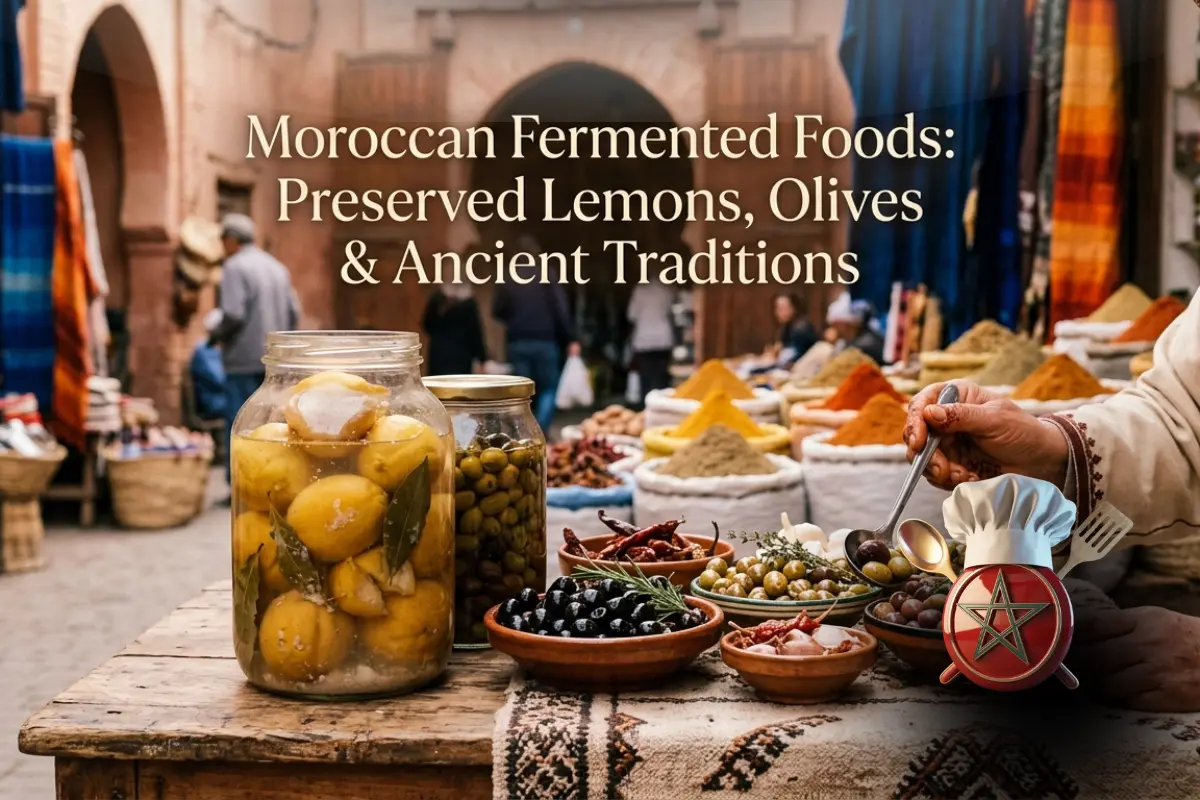
In the sun-drenched markets of Marrakech and the coastal towns of Morocco, you'll find large ceramic jars filled with glistening preserved lemons and an array of cured olives that have been perfected over centuries. These fermented treasures represent far more than simple preservation methods – they embody an ancient culinary wisdom that transforms humble ingredients into complex, flavor-rich staples that define Moroccan cuisine.
The art of fermentation in Morocco stretches back over a thousand years, born from necessity in a land where the harsh desert climate and seasonal abundance demanded ingenious preservation techniques. Today, these time-honored methods have gained recognition worldwide, not only for their incredible flavors but also for their remarkable health benefits and sustainable approach to food preservation.
For Western food enthusiasts discovering Moroccan cuisine, understanding these fermented foods opens a gateway to authentic flavors and ancient wisdom. From the iconic preserved lemons that brighten tagines to the diverse world of Moroccan olives, each fermented product tells a story of adaptation, tradition, and culinary mastery that has been passed down through generations of Moroccan families.
The Ancient Art of Moroccan Fermentation
Morocco's fermentation traditions emerged from the convergence of Berber, Arab, and Mediterranean influences, creating a unique approach to food preservation that reflects the country's diverse cultural heritage. The practice developed out of practical necessity – in a climate where fresh produce could spoil quickly and seasonal abundance needed to be preserved for leaner times, fermentation became both an art and a survival skill.
The process relies on Morocco's abundant salt from ancient sea beds and the country's favorable climate conditions. The interplay of warm days and cool nights creates ideal conditions for controlled fermentation, allowing beneficial bacteria to thrive while preventing harmful pathogens from taking hold. This natural process requires no artificial preservatives or modern refrigeration, making it both environmentally sustainable and accessible to communities across Morocco.
Traditional Fermentation Vessels and Tools
Moroccan fermentation relies on specific tools and vessels that have remained largely unchanged for centuries. Clay jars called khabia are the preferred vessels for fermenting olives and preserved lemons. These unglazed ceramic containers allow the fermentation process to breathe while maintaining consistent temperatures. The porous nature of the clay helps regulate moisture and creates an ideal environment for beneficial bacteria.
Traditional wooden spoons and implements are used exclusively during the fermentation process, as metal can interfere with the chemical reactions and introduce unwanted flavors. The knowledge of when to stir, how to test for readiness, and the subtle signs of successful fermentation are skills passed down through families, often from grandmother to granddaughter.
The Role of Salt in Moroccan Fermentation
Salt plays a crucial role beyond simple preservation in Moroccan fermentation. The country's access to high-quality sea salt and rock salt from ancient deposits provides the perfect mineral content for successful fermentation. The salt draws moisture from the ingredients, creating a brine that protects against harmful bacteria while encouraging beneficial lactic acid bacteria to flourish.
Different types of salt are used for different purposes – coarse sea salt for initial curing, fine salt for daily seasoning, and specialty salts from specific regions for particular traditional recipes. The ratio of salt to ingredients is critical and varies based on climate, season, and the specific food being fermented.
Preserved Lemons: The Crown Jewel of Moroccan Fermentation
No ingredient captures the essence of Moroccan cuisine quite like preserved lemons. These golden treasures, with their intense lemony flavor and unique texture, are essential to countless Moroccan dishes and represent perhaps the most iconic fermented food in North African cuisine. The transformation from fresh lemon to preserved delicacy is almost magical – the harsh acidity mellows into a complex, salty-tart flavor that enhances rather than overwhelms.
Traditional Moroccan preserved lemons use only lemons and salt, though some regional variations include bay leaves or coriander seeds. The process requires Meyer lemons or similar thin-skinned varieties, which are quartered but left attached at the base, then packed with coarse salt and pressed into jars. The lemons release their juices, creating a natural brine that becomes increasingly complex as fermentation progresses.
The Traditional Preservation Process
Creating authentic preserved lemons begins with selecting the right fruit. Moroccan cooks prefer lemons that are fully ripe but still firm, with thin skins that will soften during fermentation without becoming mushy. The lemons are washed thoroughly, then quartered from the top, leaving about an inch attached at the base so the fruit remains whole.
Each lemon is packed generously with coarse salt, then placed in a sterilized jar and pressed down firmly. This pressing is crucial – it breaks down the cell walls and encourages the lemons to release their juices. Additional salt is layered between lemons, and the jar is topped with fresh lemon juice to ensure all lemons remain submerged in brine.
The fermentation process takes approximately four weeks, during which the harsh lemon oils mellow and develop complexity. The white pith becomes tender and edible, while the rind develops an intense, almost floral lemon flavor that's completely different from fresh citrus. Successful preserved lemons should have a glossy appearance and give slightly to pressure while maintaining their shape.
Culinary Uses and Flavor Profile
Preserved lemons are typically used for their rind rather than the pulp, which can be quite salty and intense. The rind is rinsed briefly and chopped finely, then added to tagines, salads, and grain dishes where it provides bursts of concentrated citrus flavor. Unlike fresh lemon, preserved lemon rind doesn't add acidity but rather a deep, complex lemon essence that enhances other flavors.
In traditional Moroccan cooking, preserved lemons are essential in chicken tagines with olives, fish dishes, and vegetable preparations. They pair exceptionally well with herbs like cilantro and parsley, and their saltiness complements rich, slow-cooked dishes. For Western cooks, preserved lemons can transform simple roasted vegetables, grain salads, and even pasta dishes with their unique flavor profile.
The Diverse World of Moroccan Olives
Morocco's olive traditions span millennia, with evidence of olive cultivation dating back to Roman times. The country's diverse microclimates and ancient olive groves produce an incredible variety of olives, each with distinct characteristics shaped by their specific terroir and traditional preparation methods. From the famous Picholine olives of the north to the robust black olives of the Atlas Mountains, Moroccan olive culture represents one of the world's most sophisticated fermentation traditions.
The fermentation of olives in Morocco follows methods that have been refined over centuries. Unlike many commercial operations that use lye to speed processing, traditional Moroccan olive curing relies on salt, time, and beneficial bacteria to transform bitter raw olives into complex, flavorful delicacies. This slow process, which can take several months, develops deeper flavors and maintains the olives' nutritional benefits.
Regional Varieties and Characteristics
Morocco produces several distinct olive varieties, each suited to specific climatic conditions and culinary applications. The Picholine variety, grown primarily in the northern regions, produces small, firm green olives with a bright, slightly bitter flavor that's perfect for table olives. These olives are often flavored with local herbs like thyme, oregano, and preserved lemon.
The Moroccan black olive, known locally as zeitoun beldi, represents the country's indigenous variety. These olives are typically salt-cured until they develop a wrinkled appearance and intense, rich flavor. The curing process can take up to six months, during which the olives develop complex flavors ranging from nutty to slightly smoky.
Coastal regions produce olives with distinctive mineral notes from the Mediterranean influence, while mountain varieties develop robust, earthy flavors from the harsh growing conditions. Each region has developed specific curing techniques and flavor combinations that reflect local preferences and available ingredients.
Traditional Curing Methods
Moroccan olive curing begins immediately after harvest when olives are sorted by size and quality. Green olives are typically cracked or scored to allow salt and brine to penetrate more effectively, while black olives may be dry-salted and left to cure in their own juices. The initial salt treatment draws out bitter compounds and begins the fermentation process.
After the initial salt cure, olives are packed in brine solutions that may include herbs, spices, and preserved lemons. The fermentation vessels are kept in cool, dark places where beneficial bacteria can work slowly to develop complex flavors. Traditional markers indicate when the olives are ready – they should have a firm but tender texture and a balanced flavor without excessive bitterness or saltiness.
Other Traditional Moroccan Fermented Foods
Beyond preserved lemons and olives, Morocco boasts a rich tradition of fermented foods that reflect the country's agricultural diversity and culinary creativity. These lesser-known fermented products provide insight into the sophisticated food preservation techniques that have sustained Moroccan communities for centuries.
Fermented turnips, known as lift mukhallal, are popular throughout Morocco and the broader Middle East. Small turnips are layered with beetroot (for color), garlic, and spices, then fermented in salt brine. The result is a tangy, crisp pickle that provides a refreshing contrast to rich Moroccan dishes. The fermentation process typically takes one to two weeks, producing turnips with a distinctive pink color from the beetroot and a complex, slightly sour flavor.
Fermented carrots follow a similar process, often combined with cauliflower and other vegetables to create mixed pickles. These fermented vegetables are particularly popular during Ramadan, providing quick, healthy options for breaking fasts. The vegetables retain their crunch while developing tangy, complex flavors that aid digestion.
Fermented Grain and Dairy Products
Morocco's fermentation traditions extend to grains and dairy products, though these are less familiar to Western audiences. Fermented couscous preparations involve allowing couscous to ferment slightly before final cooking, developing more complex flavors and improving digestibility. This technique is particularly common in rural areas where couscous is still made entirely by hand.
Leben, a fermented buttermilk, represents Morocco's traditional dairy fermentation. This tangy, refreshing drink is created by allowing fresh milk to ferment naturally or by adding cultures from previous batches. Leben is consumed on its own or used in cooking, particularly in bread making and marinades. The fermentation process creates beneficial probiotics while extending the milk's shelf life without refrigeration.
Traditional Moroccan families also prepare fermented wheat pastes and grain-based ferments that serve as flavor bases for soups and stews. These preparations involve fermenting ground grains with salt and spices, creating concentrated flavor pastes that can be stored for months and used to enhance various dishes.
Health Benefits and Nutritional Value
The health benefits of Moroccan fermented foods extend far beyond their exceptional flavors. Modern nutritional science has validated what Moroccan grandmothers have known for generations – fermented foods provide essential probiotics, enhance nutrient absorption, and support overall digestive health. These benefits make traditional Moroccan fermented foods particularly relevant to health-conscious Western consumers seeking natural, functional foods.
Preserved lemons and fermented olives are rich in beneficial bacteria that support gut health and immune function. The fermentation process increases the bioavailability of nutrients, making vitamins and minerals more easily absorbed by the body. Additionally, the high salt content, while requiring moderation, provides essential electrolytes and minerals, particularly important in Morocco's hot climate.
Probiotic Benefits and Digestive Health
The lactic acid bacteria present in traditionally fermented Moroccan foods provide significant probiotic benefits. These beneficial microorganisms help maintain healthy gut flora, which is increasingly recognized as crucial for overall health, immune function, and even mental well-being. Unlike many commercial probiotic supplements, fermented foods provide probiotics in their natural context, along with prebiotic compounds that help beneficial bacteria thrive.
Regular consumption of fermented foods has been linked to improved digestion, enhanced nutrient absorption, and reduced inflammation. For Western diets often lacking in fermented foods, incorporating Moroccan fermented products can provide valuable probiotic diversity. The combination of different fermented foods in traditional Moroccan meals creates a synergistic effect, supporting comprehensive digestive health.
Antioxidants and Anti-inflammatory Compounds
Fermented olives are particularly rich in antioxidants, including vitamin E, polyphenols, and other compounds that help protect against oxidative stress and inflammation. The fermentation process can actually increase the levels of certain beneficial compounds, making fermented olives more nutritious than fresh ones. These antioxidants support cardiovascular health and may help reduce the risk of chronic diseases.
Preserved lemons retain high levels of vitamin C and develop additional beneficial compounds during fermentation. The combination of citrus flavonoids and fermentation byproducts creates a unique nutritional profile that supports immune function and provides anti-inflammatory benefits. The salt content, while requiring moderation, also provides essential minerals often lacking in modern diets.
| Fermented Food | Primary Probiotics | Key Nutrients | Health Benefits |
|---|---|---|---|
| Preserved Lemons | Lactobacillus species | Vitamin C, Citrus bioflavonoids | Immune support, Digestive health |
| Fermented Olives | Multiple lactic acid bacteria | Vitamin E, Monounsaturated fats, Polyphenols | Heart health, Anti-inflammatory |
| Fermented Turnips | Lactobacillus plantarum | Vitamin K, Fiber, Folate | Bone health, Digestive support |
| Leben (Fermented Buttermilk) | Lactobacillus bulgaricus | Calcium, Protein, B vitamins | Bone health, Muscle maintenance |
Incorporating Moroccan Fermented Foods into Western Cuisine
The growing interest in fermented foods and global cuisine has created exciting opportunities for incorporating Moroccan fermented products into Western cooking. These ingredients can transform familiar dishes with their unique flavors while providing the health benefits of traditional fermentation. The key is understanding how to use these intense flavors effectively and finding the right balance for Western palates.
Preserved lemons work exceptionally well in Mediterranean-style dishes that Western cooks already enjoy. They can replace or complement fresh lemon in roasted chicken dishes, add complexity to quinoa and grain salads, and provide a unique twist to pasta dishes. The key is using them sparingly – a little preserved lemon rind goes a long way, and its intensity can overwhelm delicate flavors.
Adapting Traditional Recipes for Modern Kitchens
Modern Western kitchens can easily accommodate traditional Moroccan fermentation techniques with minor adaptations. Glass jars with tight-fitting lids can replace traditional clay vessels, though it's important to ensure proper fermentation conditions. Temperature control is crucial – fermentation works best in consistent temperatures between 65-75°F, which may require finding the right spot in centrally heated homes.
For busy Western lifestyles, smaller batches of fermented foods can be more practical than the large quantities traditionally prepared by Moroccan families. Making preserved lemons in pint-sized jars allows for experimentation without committing to large quantities, and the shorter fermentation times work well for modern schedules.
Food safety considerations that concern Western cooks can be addressed through proper sterilization techniques and careful attention to traditional indicators of successful fermentation. Understanding the signs of healthy fermentation versus spoilage helps build confidence in these traditional techniques.
Fusion Applications and Creative Uses
Creative Western cooks have found innovative ways to incorporate Moroccan fermented foods into fusion cuisine. Preserved lemon vinaigrette adds Middle Eastern flair to salads, while fermented olives can enhance pizza toppings and charcuterie boards. The umami-rich flavors of these fermented foods complement cheese, enhance roasted vegetables, and add complexity to simple grain dishes.
Fermented turnips and other Moroccan pickles make excellent accompaniments to sandwiches and burgers, providing tangy contrast to rich foods. They can replace commercial pickles in many applications while offering superior flavor and nutritional benefits. The vibrant colors and unique textures also add visual appeal to modern plating styles.
| Western Dish | Moroccan Fermented Addition | Flavor Contribution | Usage Tips |
|---|---|---|---|
| Roasted Chicken | Preserved Lemon Rind | Bright, complex citrus | Chop finely, add in last 15 minutes |
| Quinoa Salad | Fermented Olives | Rich, savory depth | Pit and halve, add to taste |
| Cheese Board | Mixed Moroccan Pickles | Tangy, palate-cleansing | Serve as accompaniment |
| Pasta Sauce | Preserved Lemon & Olives | Mediterranean complexity | Add both, balance with herbs |
| Grain Bowls | Leben (as dressing base) | Creamy, probiotic tang | Mix with herbs and spices |
Making Moroccan Fermented Foods at Home
Creating authentic Moroccan fermented foods at home requires patience, attention to detail, and respect for traditional methods, but the process is surprisingly accessible to Western home cooks. The key ingredients – high-quality salt, fresh produce, and time – are readily available, and the techniques, while requiring precision, don't demand specialized equipment beyond what most home kitchens already contain.
Success in home fermentation depends largely on understanding the principles behind the process rather than strictly following recipes. Traditional Moroccan cooks adjust their methods based on climate, ingredient quality, and personal preferences, developing an intuitive understanding of fermentation that comes only with experience. Western cooks can develop similar instincts by starting with small batches and paying attention to the subtle changes that occur during fermentation.
Essential Equipment and Ingredients
The equipment needed for Moroccan fermentation is minimal but important. Glass jars with tight-fitting lids work well for home fermentation, though traditional clay vessels can be found in specialty stores for those seeking authenticity. Wooden spoons for stirring and non-reactive weights to keep vegetables submerged are essential tools.
Salt quality significantly impacts fermentation success. Sea salt or kosher salt without additives works best – avoid iodized table salt, which can interfere with fermentation. For preserved lemons, Meyer lemons provide the closest approximation to Moroccan varieties, though any thin-skinned, organic lemons will work. The key is ensuring lemons are unwaxed and free from pesticides that might inhibit beneficial bacteria.
Maintaining proper brine levels is crucial throughout the fermentation process. Vegetables must remain submerged to prevent mold formation, and salt concentrations must be sufficient to create an environment favorable to beneficial bacteria while inhibiting harmful microorganisms. Traditional Moroccan cooks gauge salt levels by taste and experience, but measuring by weight provides more consistent results for beginners.
Troubleshooting Common Issues
New fermenters often worry about food safety and signs of successful fermentation versus spoilage. Healthy fermentation produces specific visual and aromatic cues – vegetables should maintain their color and develop a pleasantly sour aroma, while the brine should remain clear or develop a slight cloudiness that settles over time. White film on the surface (kahm yeast) is usually harmless and can be skimmed off, but any fuzzy mold or off odors indicate spoilage.
Temperature fluctuations can slow or accelerate fermentation, requiring adjustments to timing and salt levels. Cooler temperatures slow fermentation but often produce more complex flavors, while warmer conditions speed the process but may require more careful monitoring. Finding the right location in your home for consistent fermentation conditions is crucial for success.
Over-salting is a common beginner mistake that can halt fermentation, while under-salting can lead to spoilage. Traditional recipes provide guidelines, but learning to adjust for your specific conditions and preferences comes with practice. Keeping detailed notes about ingredients, conditions, and results helps develop the intuitive understanding that characterizes skilled fermenters.
Frequently Asked Questions
How long do Moroccan preserved lemons take to ferment completely?
Traditional Moroccan preserved lemons require approximately 4-6 weeks for complete fermentation, though they can be used after 3 weeks if needed. The lemons are ready when the rinds become translucent and give slightly to pressure, and the white pith becomes tender and edible. In cooler climates, fermentation may take slightly longer, while warmer conditions can accelerate the process. Properly fermented preserved lemons can last up to a year when kept refrigerated and submerged in their brine.
Can I make Moroccan fermented foods without special equipment?
Yes, Moroccan fermented foods can be made successfully with basic kitchen equipment. Clean glass jars with tight-fitting lids work well as fermentation vessels, and wooden spoons are preferable to metal for stirring. The most important factors are maintaining proper salt ratios, keeping vegetables submerged in brine, and providing consistent temperature conditions. While traditional clay vessels are ideal, they're not essential for successful fermentation at home.
Are Moroccan fermented foods safe for people with dietary restrictions?
Most traditional Moroccan fermented foods are naturally gluten-free, dairy-free, and vegan, making them suitable for many dietary restrictions. However, the high salt content may be concerning for those monitoring sodium intake. The fermentation process breaks down some compounds that can cause digestive issues, potentially making these foods easier to digest than their fresh counterparts. As with any fermented food, individuals with compromised immune systems should consult healthcare providers before consuming homemade fermented products.
What's the difference between Moroccan olives and Mediterranean olives?
Moroccan olives are distinguished by their traditional curing methods, which rely primarily on salt and time rather than lye processing common in commercial operations. This slow fermentation develops more complex flavors and maintains higher levels of beneficial bacteria. Moroccan varieties like the indigenous black olive (zeitoun beldi) have unique flavor profiles shaped by the country's climate and soil conditions. The traditional additions of preserved lemons, local herbs, and specific spice blends also create distinctive flavor combinations not found in other Mediterranean traditions.
How can I tell if my homemade fermented foods have gone bad?
Healthy fermentation produces clear visual and aromatic indicators – properly fermented foods maintain good color, develop a pleasantly tangy aroma, and show no signs of fuzzy mold growth. The brine should remain relatively clear and may develop a slight cloudiness that settles. Warning signs include fuzzy mold of any color, extremely foul odors, slimy textures, or dramatic color changes. When in doubt, it's safer to discard questionable ferments and start fresh. Maintaining proper salt levels, keeping vegetables submerged, and monitoring temperature helps prevent most fermentation problems.
Conclusion: Embracing Ancient Wisdom in Modern Kitchens
The fermented foods of Morocco represent far more than simple preservation techniques – they embody a sophisticated understanding of flavor development, nutrition, and sustainability that remains remarkably relevant in our modern world. As Western interest in fermented foods continues to grow, driven by increasing awareness of their health benefits and unique flavors, Moroccan traditions offer time-tested methods that have sustained communities for over a millennium.
For Western cooks seeking to expand their culinary horizons, Moroccan fermented foods provide an accessible entry point into both North African flavors and traditional fermentation techniques. The relatively simple ingredients and methods make these foods achievable for home cooks, while their complex flavors and health benefits offer compelling reasons to incorporate them into modern diets.
The sustainability aspects of traditional Moroccan fermentation also align with contemporary concerns about food waste and environmental responsibility. These methods transform seasonal abundance into long-lasting staples without requiring energy-intensive preservation methods or artificial additives. In an era of increasing interest in traditional foodways and sustainable eating, Moroccan fermentation wisdom offers valuable insights for modern food systems.
As you embark on your journey into Moroccan fermented foods, remember that these techniques developed through generations of refinement and adaptation. Approach them with patience, respect for tradition, and willingness to learn through experience. The rewards – in terms of flavor, health benefits, and cultural understanding – make the effort worthwhile, connecting your modern kitchen to an ancient and sophisticated culinary tradition that continues to nourish and delight people around the world.