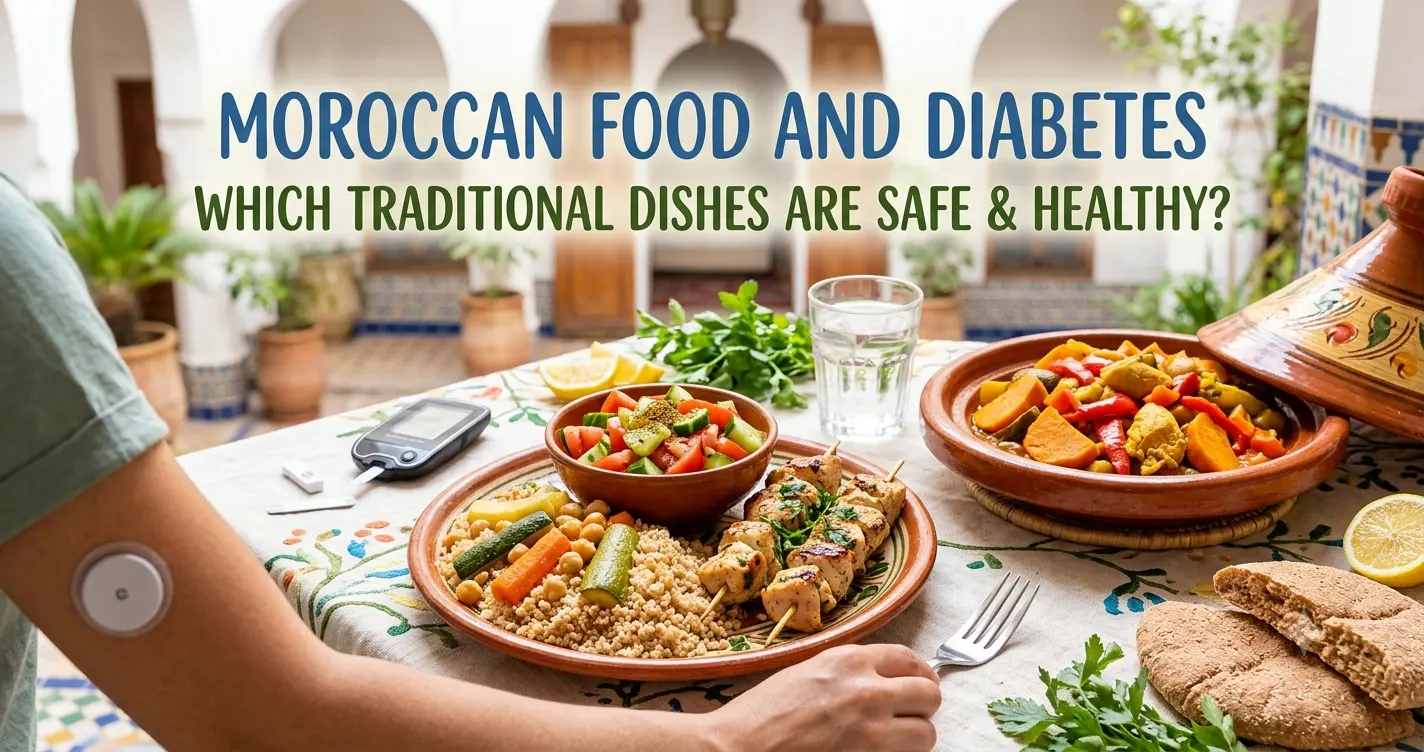
There is a moment that happens in every Moroccan grandmother's kitchen — a moment I have witnessed dozens of times — where a handful of turmeric hits warm olive oil and the entire room fills with something that smells almost medicinal, ancient, and deeply alive. Long before modern nutritional science gave us glycemic index charts and insulin sensitivity studies, Moroccan cooks were quietly building one of the world's most metabolically intelligent food traditions. If you or someone you love is managing diabetes and you have ever wondered whether the rich, aromatic world of Moroccan cuisine has a place on your plate, the answer — with some important nuance — is a resounding yes. In this guide, I am going to walk you through the traditional dishes that work beautifully for blood sugar management, the ones that need modification, the cultural wisdom baked into centuries of Moroccan cooking, and the practical strategies that will let you enjoy this extraordinary cuisine without compromise.
Understanding the Moroccan Diet Through a Metabolic Lens
Morocco sits at the crossroads of Africa, the Mediterranean, and the Arab world, and its cuisine reflects that layered history. For centuries, Moroccan food has been shaped by Berber, Arab, Andalusian, and sub-Saharan influences — each contributing ingredients and techniques that, when viewed through a modern nutritional lens, tell a remarkably coherent story about metabolic health.
The traditional Moroccan diet — not the tourist-facing version, but the everyday home cooking of families across Fez, Marrakech, the Souss Valley, and the Rif Mountains — is built on a foundation that any endocrinologist would recognize as favorable for glucose control. We are talking about abundant vegetables, legumes cooked low and slow, quality olive oil, aromatic spices with genuine bioactive compounds, moderate portions of protein, and fermented or traditionally processed grains. This is not an accident. This is centuries of culinary evolution in a climate and agricultural system that naturally produced these foods.
The challenge for diabetics — particularly Western readers who may be approaching Moroccan food through restaurants or packaged products — is understanding which parts of this tradition are the metabolically safe core, and which elements (certain breads, sweet mint tea with multiple spoonfuls of sugar, honey-drenched pastries) are the celebratory additions that deserve more careful attention.
At MaCooking, we have spent years documenting the full spectrum of authentic Moroccan cuisine, and one thing that becomes clear when you study it deeply is that the everyday home cooking of Morocco — as opposed to the festive and ceremonial dishes — is naturally aligned with what modern medicine recommends for blood sugar management.
The Glycemic Reality of Moroccan Staples
Before we go dish by dish, it helps to understand the glycemic landscape of the core ingredients that define Moroccan cooking. Glycemic index (GI) measures how quickly a food raises blood glucose, while glycemic load (GL) accounts for the actual amount of carbohydrate in a typical serving. Both matter for diabetes management, but GL is arguably more practically useful.
Legumes: The Unsung Heroes of the Moroccan Table
If there is a single food group that earns Moroccan cuisine its diabetes-friendly credentials, it is legumes. Chickpeas, lentils, fava beans, and white beans are not side dishes in Moroccan cooking — they are the heart of the meal, eaten multiple times a week across all social classes.
Chickpeas, the backbone of iconic dishes like harira and rfissa, have a glycemic index of approximately 28 — firmly in the low category. A typical serving raises blood glucose gently and slowly, precisely because of their high fiber and resistant starch content. Lentils perform even better, with a GI around 21-25 depending on variety and preparation. Fava beans (ful), eaten as a breakfast dish across Morocco with cumin, olive oil, and lemon, clock in at a GI of roughly 40 — moderate, but the combination with healthy fat and fiber keeps the glycemic load manageable.
Grains: Where Nuance Is Required
This is where we need to be honest about the complexity. Traditional Moroccan grain culture centers on semolina-based couscous and khobz (the classic round bread baked in communal ovens). Both can present challenges for blood sugar management, though the picture is more nuanced than a simple warning label suggests.
Whole-grain couscous has a GI of approximately 65 — not catastrophically high, but meaningfully elevated. However, the way Moroccan families traditionally eat couscous — as part of a large communal dish surrounded by an enormous quantity of vegetables, a modest amount of meat, and a chickpea-rich broth — naturally dilutes the glycemic impact of any individual serving. The problem emerges when portions of couscous dominate the plate, which is more of a restaurant behavior than a home-cooking one.
Traditional stone-ground Moroccan bread, made with a mixture of whole wheat and semolina and baked in clay communal ovens, has lower GI than industrially produced white bread — roughly 60-65 versus 75+ — and Moroccans traditionally eat it in modest portions alongside intensely flavored dishes rather than as a vehicle for large quantities of food. That said, individuals with tightly managed diabetes should be mindful of portion control with bread and refined semolina.
| Moroccan Ingredient | Approximate GI | Glycemic Load (per serving) | Diabetes Suitability |
|---|---|---|---|
| Chickpeas | 28 | Low (8-10) | Excellent |
| Green/Brown Lentils | 21-25 | Low (5-7) | Excellent |
| Fava Beans | 40 | Low-Moderate (9) | Very Good |
| Whole Grain Couscous | 65 | Moderate (23) | Good with portion control |
| Traditional Khobz Bread | 60-65 | Moderate (20) | Moderate — limit portions |
| Refined White Couscous | 70-75 | High (26+) | Use sparingly |
| Olive Oil | 0 | 0 | Excellent — promotes insulin sensitivity |
| Preserved Lemons | Very Low | Negligible | Excellent |
Moroccan Spices: Ancient Medicine in Your Kitchen
One of the most exciting intersections between Moroccan culinary tradition and modern diabetes science is the bioactive potential of the spice blends that define this cuisine. Moroccan cooks have been layering ras el hanout, cumin, turmeric, cinnamon, ginger, and black pepper into their dishes for centuries — not because they knew about insulin receptors, but because the results were delicious and, experientially, they made people feel good.
Cinnamon and Blood Sugar: Moroccan Cuisine Gets It Right
Cinnamon is not a sweet garnish in Moroccan cooking — it is a savory spice used in meat tagines, slow-cooked lamb, and the spice blend ras el hanout. Multiple peer-reviewed studies have shown that cinnamon — particularly Ceylon cinnamon — can improve insulin sensitivity and modestly reduce fasting blood glucose levels. The polyphenols in cinnamon appear to mimic insulin and enhance glucose uptake in cells. The quantities used in Moroccan cooking (half a teaspoon to a full teaspoon per tagine dish) are in the range shown to be physiologically meaningful in research trials.
Turmeric and Curcumin
Turmeric — and its active compound curcumin — has been studied extensively for its anti-inflammatory properties, which is particularly relevant for type 2 diabetes, a condition with a significant inflammatory component. A 2012 study published in Diabetes Care found that curcumin supplementation significantly reduced the number of prediabetic subjects progressing to type 2 diabetes over a nine-month period. While Moroccan cooking uses turmeric in culinary quantities rather than supplement doses, the consistent daily exposure across multiple meals represents meaningful cumulative intake.
Cumin and Fenugreek
Cumin, the backbone of countless Moroccan spice preparations, has shown promising effects on fasting blood sugar and HbA1c levels in several clinical studies. Fenugreek seeds, used in certain Moroccan spice blends and herbal preparations, contain a soluble fiber called galactomannan that slows glucose absorption and a compound called 4-hydroxyisoleucine that appears to directly stimulate insulin secretion. Many Moroccan herbalists (attar shops) have sold fenugreek for blood sugar support for generations — a traditional knowledge that modern science is now validating.
Ginger
Fresh and dried ginger appear in Moroccan tagines, spice blends, and herbal teas with a frequency that would delight any integrative medicine practitioner. Ginger has been shown in multiple meta-analyses to significantly reduce fasting blood glucose and HbA1c levels in type 2 diabetic patients, with effects attributed to gingerols and shogaols that enhance insulin sensitivity.
"In Morocco, we do not season food — we heal it. Every grandmother knew that cinnamon in the lamb tagine was not just for flavor. It was for the health of the family. The spice market and the pharmacy were the same place, separated only by time."
The Best Moroccan Dishes for Diabetics: A Detailed Guide
Let us move from theory to practice. Here are the Moroccan dishes that deserve a prominent place in a diabetic-friendly diet, along with honest assessments of those that require modification or careful portioning.
Harira: The Soup That Heals
If I could prescribe one Moroccan dish to every diabetic patient, it would be harira. This thick, hearty soup — traditionally made with tomatoes, chickpeas, lentils, celery, cilantro, parsley, lemon juice, and a warming blend of ginger, turmeric, cinnamon, and pepper — is a nutritional marvel. The combination of chickpeas and lentils delivers a protein and fiber one-two punch that dramatically slows glucose absorption. The tomato base provides lycopene and vitamin C. The spice blend activates every metabolically supportive bioactive compound we discussed above. A bowl of properly made harira will not spike your blood sugar — it will sustain you for hours.
The traditional way to eat harira during Ramadan — breaking the fast with a bowl of soup before anything else — is, from a metabolic standpoint, genuinely wise. Starting with a high-fiber, high-protein soup primes the gut to manage subsequent food more effectively.
The caveat: some harira recipes include a small amount of flour or vermicelli pasta as a thickener. For tighter blood sugar management, skip the pasta and use an extra handful of lentils to achieve body and thickness. You can find our detailed authentic harira recipe at MaCooking, where we also offer a specifically modified lower-GI version that maintains all the traditional flavors.
Zaalouk: A Masterclass in Metabolic Eating
Zaalouk is a cooked salad of roasted eggplant and tomatoes, crushed together with olive oil, garlic, cumin, paprika, and fresh herbs. It is served warm or at room temperature as part of the Moroccan kemia (the spread of small salads that precedes a main meal), and it is, from a diabetes management perspective, nearly perfect. Eggplant has a GI of approximately 15 and provides a specific phytonutrient called nasunin in its skin that has been shown to improve insulin sensitivity. The olive oil slows gastric emptying, the garlic contributes allicin compounds with established glucose-lowering effects, and the cumin adds to the metabolic benefit. Eat it with a small piece of traditional bread, or serve it as a side to grilled fish or chicken.
Chicken Tagine with Preserved Lemon and Olives
This is arguably the most famous Moroccan dish in the Western world, and diabetics can eat it with genuine confidence. The protein from chicken moderates blood sugar response. The preserved lemons contribute negligible carbohydrates while adding extraordinary flavor complexity and vitamin C. The olives provide heart-healthy monounsaturated fats that have been repeatedly linked to improved insulin sensitivity. The cooking liquid — a saffron and ginger-infused broth with caramelized onions — does contain some natural sugars from the onions, but in the quantities used, the glycemic contribution is minimal.
The key is in the serving: pair this tagine with a modest portion of whole-grain couscous or, even better, with additional cooked vegetables like carrots, zucchini, or turnips that traditionally accompany it in the pot.
Kefta Tagine with Eggs
Ground lamb or beef spiced with cumin, coriander, cinnamon, fresh parsley, and mint, formed into small meatballs and simmered in a spiced tomato sauce, then topped with eggs poached directly in the sauce. This dish is naturally low in carbohydrates, high in protein and fat, and metabolically excellent for blood sugar management. The tomato sauce, made from fresh or canned tomatoes with olive oil and aromatics, is low-GI. The eggs add additional protein. Eaten without bread (or with just a small piece), this is close to an ideal diabetic-friendly meal.
Chermoula-Marinated Fish
Moroccan fish cooking is anchored by chermoula — a vivid green marinade of cilantro, parsley, garlic, cumin, paprika, lemon juice, and olive oil that transforms any fish into something extraordinary. Morocco's Atlantic and Mediterranean coastlines have given the country a magnificent fish tradition, and grilled or baked chermoula fish is a diabetic's best friend: high-quality protein, omega-3 fatty acids (particularly with fatty fish like sardines or mackerel, which are beloved in Morocco), virtually zero carbohydrates, and a marinade packed with bioactive compounds. Serve it with a large portion of cooked or roasted vegetables and a small salad.
Moroccan Lentil Soup
Simpler and more understated than harira, a classic Moroccan lentil soup — lentils slow-cooked with onion, tomato, cumin, turmeric, and a final drizzle of lemon juice and olive oil — is one of the most blood-sugar-friendly meals in existence. Green or brown lentils (used in the Moroccan tradition) have the lowest glycemic index of any legume. A full bowl provides roughly 18 grams of plant protein, 15 grams of fiber, and a glycemic load so low it is essentially non-disruptive to blood glucose even in individuals with type 1 diabetes who are carefully managing their insulin.
Moroccan Vegetable Couscous
Here is where we need nuanced guidance. Traditional Moroccan vegetable couscous — served at family gatherings on Fridays — piles seven vegetables (turnip, carrot, zucchini, pumpkin, cabbage, onion, and chickpeas, typically) over a mound of steamed couscous. The vegetables themselves are wonderful for blood sugar. The chickpeas are wonderful. The issue is the quantity of couscous. For a diabetic, the strategy is simple: invert the ratio. Fill three-quarters of your bowl with the vegetable and chickpea portion and use the couscous as a flavorful base rather than the dominant element. Or substitute half the couscous with coarsely riced cauliflower, which absorbs the broth beautifully and reduces the glycemic load significantly.
Moroccan Dishes to Approach with Caution
Honesty requires that we also identify the dishes and elements of Moroccan cuisine that deserve more careful attention from people managing diabetes. This is not about fear or deprivation — Moroccan food culture is too joyful and too deeply social for that framing — but about informed choices.
| Dish or Item | Primary Concern | Glycemic Impact | Recommended Strategy |
|---|---|---|---|
| Moroccan Mint Tea (traditional) | Very high added sugar (3-5 tsp per glass) | High | Drink unsweetened or with 1 tsp sugar maximum; enjoy the ritual without the sugar load |
| Bastilla (pigeon or chicken pie) | Warka pastry layers, powdered sugar, almonds | High-Moderate | Small portion as occasional treat; focus on filling, avoid the crispy pastry layers |
| Chebakia (sesame honey cookies) | Honey, sugar, refined flour | High | Celebratory indulgence only; 1 piece maximum with a fiber-rich meal to blunt impact |
| Msemen / Meloui (layered flatbread) | Refined white flour, butter, often served with honey | High | Whole wheat version with olive oil instead of honey; small portion |
| Lamb Tagine with Prunes or Apricots | Dried fruit (high concentrated sugar), honey | Moderate-High | Reduce dried fruit quantity to garnish level; increase vegetable content of dish |
| Couscous with Seven Vegetables | Large couscous portions | Moderate | Invert vegetable to couscous ratio; use whole grain couscous |
| Moroccan Pastilla Milk (dessert) | Milk, sugar, rice, cream | High | Avoid or have tiny portion on special occasions only |
The Mint Tea Question
I want to spend a moment on mint tea because it is so central to Moroccan hospitality culture that refusing it can feel socially awkward for Western guests. Traditional Moroccan mint tea (atay) is made with gunpowder green tea, fresh spearmint, and an extraordinary quantity of sugar — typically three to five teaspoons per small glass, with multiple glasses served per session. The green tea base is genuinely beneficial (catechins in green tea improve insulin sensitivity), but the sugar load overwhelms that benefit entirely.
The good news is that Moroccan culture is accommodating. You can genuinely ask for your tea with less sugar (bshal sukkar in Moroccan Arabic) or request the herbal alternative of mint steeped in hot water without sugar. More and more Moroccan hosts, particularly in urban areas, understand dietary restrictions around sugar. And if you are making Moroccan mint tea at home, the ritual is just as beautiful with a single teaspoon of sugar or with a quality natural sweetener like stevia.
The Mediterranean-Moroccan Connection and Diabetes Research
There is compelling clinical evidence supporting the health benefits of a dietary pattern that closely resembles traditional Moroccan home cooking. The landmark PREDIMED trial — one of the largest nutrition intervention studies ever conducted — demonstrated that a Mediterranean diet rich in olive oil, legumes, fish, vegetables, nuts, and aromatic herbs significantly reduced the incidence of type 2 diabetes compared to a low-fat diet. The traditional Moroccan diet shares nearly all of these characteristics.
Researchers at several Moroccan universities have been documenting what they call the "Mediterranean-Moroccan" dietary pattern among rural populations, finding significantly lower rates of metabolic syndrome, type 2 diabetes, and cardiovascular disease compared to urban Moroccans who have adopted more Westernized eating patterns rich in refined grains, sugar, and processed foods. The irony — and the lesson — is that the traditional Moroccan diet that many Moroccans have moved away from in pursuit of modernity is precisely the dietary pattern that Western diabetics and health-conscious eaters are trying to adopt.
Specific Research on Moroccan Spices and Diabetes
- Cinnamon (Cinnamomum verum): A 2019 meta-analysis in Nutrients found that cinnamon supplementation significantly reduced fasting blood glucose (mean reduction of 24.59 mg/dL) and HbA1c in diabetic patients.
- Cumin (Cuminum cyminum): A 2015 randomized controlled trial found that cumin extract reduced HbA1c from 8.1% to 7.1% over 8 weeks in type 2 diabetic patients.
- Turmeric/Curcumin: A 2020 review in Frontiers in Pharmacology documented curcumin's ability to reduce inflammatory markers, improve insulin sensitivity, and protect pancreatic beta cells.
- Olive Oil (Extra Virgin): Multiple studies confirm that daily consumption of extra virgin olive oil (the type used extensively in Moroccan cooking) reduces postprandial blood glucose, improves insulin sensitivity, and reduces HbA1c.
- Chickpeas and Lentils: A 2012 study in Archives of Internal Medicine demonstrated that substituting legumes for other carbohydrates in a diabetic diet reduced HbA1c and cardiovascular risk markers significantly over three months.
Practical Strategies for Diabetics Cooking Moroccan Food at Home
Knowledge is only as useful as its practical application. Here are the specific techniques and modifications that allow you to cook authentic, deeply flavorful Moroccan food while keeping blood sugar management at the center of your approach.
Build Every Meal Around Vegetables and Legumes First
Traditional Moroccan cooking already does this — the trick is to maintain that ratio rather than letting grain portions grow. When building a plate, start with the vegetable and legume components, and treat the couscous or bread as a flavor vehicle rather than the foundation. A plate that is 60% vegetables, 20% legumes or protein, and 20% grain is ideal from a glycemic perspective and still authentically Moroccan in character.
Use Whole Grain Couscous and Semolina
Whole grain couscous is increasingly available in Western supermarkets and is standard practice at MaCooking for health-conscious recipes. The preparation method is identical to regular couscous, and the nutty flavor actually enhances the dish. The fiber content roughly doubles compared to refined semolina couscous, and the glycemic index drops meaningfully.
Cook Your Legumes from Dried, Not Canned
Where possible, soaking and cooking dried chickpeas and lentils from scratch — the traditional Moroccan method — produces legumes with a lower glycemic index than their canned equivalents. The resistant starch content is higher in home-cooked legumes, and you have full control over sodium content. That said, canned legumes rinsed thoroughly are far better than no legumes at all, and on busy weeknights they are a perfectly acceptable choice.
Maximize Olive Oil — Do Not Be Afraid of It
This runs counter to the old low-fat dietary advice that many diabetics were given by well-meaning but outdated healthcare providers. The fat in extra virgin olive oil — predominantly oleic acid and a rich collection of polyphenols — actively improves insulin sensitivity, reduces postprandial blood glucose spikes, and protects cardiovascular health. Traditional Moroccan recipes are generous with olive oil, and that generosity is part of why they are metabolically sound. Do not reduce the olive oil in Moroccan recipes in the name of health — it is doing important work.
Front-Load Your Meals with Soup or Salad
The Moroccan tradition of beginning a meal with a bowl of harira or a spread of vegetable salads (kemia) is metabolically brilliant. Research consistently shows that starting a meal with fiber and water — whether in the form of soup or salad — significantly reduces the glycemic impact of the carbohydrates consumed later in the meal. This is sometimes called "meal sequencing" in the nutrition literature, and Moroccan food culture has been practicing it for centuries.
Spice Generously and Authentically
Do not be timid with the spice blends. The bioactive benefits of cinnamon, turmeric, ginger, cumin, and black pepper compound with consistent daily exposure. More importantly, deeply spiced food is deeply satisfying — and when your food is genuinely satisfying in flavor, you tend to eat smaller portions naturally. The intensity of Moroccan spicing is part of its metabolic architecture.
Fermented and Pickled Accompaniments
Preserved lemons, olives marinated in herbs and spices, pickled vegetables (l'mkhallal) — these Moroccan condiment traditions add bright, complex flavors with minimal carbohydrate contribution. Emerging research on the gut microbiome's role in insulin sensitivity suggests that fermented and pickled foods may offer additional benefits for blood sugar regulation beyond their nutritional profile.
A Sample Week of Diabetic-Friendly Moroccan Eating
To make this concrete, here is a week of genuinely Moroccan, genuinely blood-sugar-friendly eating that someone in the US, UK, or Australia could realistically achieve with ingredients available in most cities with decent Middle Eastern or international grocery stores.
- Monday: Breakfast — ful medames (fava beans with olive oil, cumin, lemon). Lunch — zaalouk with grilled chicken and a small whole grain pita. Dinner — harira soup with a side of Moroccan carrot salad.
- Tuesday: Breakfast — plain Greek yogurt with a pinch of cinnamon and a small handful of walnuts (a Moroccan-inspired adaptation). Lunch — leftover harira. Dinner — chermoula-baked sardines with roasted zucchini and peppers.
- Wednesday: Breakfast — Moroccan mint tea (one teaspoon sugar) with a small boiled egg and olives. Lunch — lentil soup with preserved lemon. Dinner — kefta tagine with eggs, large salad of tomatoes and cucumber.
- Thursday: Breakfast — whole wheat msemen (homemade) with olive oil instead of butter and honey, one tablespoon total. Lunch — chickpea and spinach stew with cumin. Dinner — chicken tagine with preserved lemon and olives over a small portion of whole grain couscous.
- Friday: Breakfast — ful medames. Lunch — Moroccan tuna salad with olives, capers, preserved lemon, tomatoes. Dinner — Friday vegetable couscous, vegetables forward, modest couscous portion, generous chickpeas.
- Saturday: Breakfast — shakshuka-style eggs in spiced tomato sauce (Moroccan preparation with cumin and paprika). Lunch — zaalouk and grilled fish. Dinner — lamb tagine with green olives and preserved lemon (no dried fruit).
- Sunday: Breakfast — Moroccan herbal tea (no sugar) with cheese and whole grain bread, small portion. Lunch — harira and Moroccan beetroot salad. Dinner — chermoula chicken with roasted root vegetables.
For full recipes for each of these meals, including nutritional breakdowns and diabetic-friendly modifications, visit MaCooking, where our recipe library covers the full depth of authentic Moroccan cuisine with health-conscious adaptations clearly labeled.
Frequently Asked Questions
FAQ: Moroccan Food and Diabetes
Q1: Is couscous bad for diabetics?
Couscous is not inherently bad for diabetics, but it requires mindful portioning and ideally should be the whole-grain variety. The glycemic index of refined semolina couscous is approximately 65-70, which is moderate-high. However, the traditional Moroccan way of eating couscous — surrounded by a large quantity of vegetables, chickpeas, and a protein element in a richly spiced broth — naturally modulates the glycemic response. The fiber, protein, and fat from the accompaniments slow glucose absorption significantly. For tighter blood sugar control, reduce the couscous portion to about a quarter of your plate and fill the rest with the vegetable and legume components of the dish. Whole grain couscous, which has a GI closer to 45-50, is the better option when available.
Q2: Can diabetics eat harira soup?
Harira is arguably one of the most diabetes-friendly soups in the world's culinary traditions. Made with chickpeas, lentils, tomatoes, and a powerful combination of anti-inflammatory, insulin-sensitizing spices, it has a low glycemic load and exceptional nutritional density. The high fiber content (from both the legumes and the vegetables) slows glucose absorption significantly. The protein content helps with satiety and blood sugar stability. The one modification worth making for tightly managed diabetes is to skip the small amount of vermicelli pasta sometimes added, or reduce it to a minimum. Eaten as the first course of a meal — the traditional Moroccan approach — harira can actually reduce the glycemic impact of everything that follows it.
Q3: Is Moroccan cuisine similar to the Mediterranean diet recommended for diabetics?
Traditional Moroccan home cooking shares nearly all the defining characteristics of the Mediterranean dietary pattern that clinical research — including the landmark PREDIMED trial — has shown to reduce the incidence of type 2 diabetes and improve metabolic outcomes in existing diabetics: heavy use of extra virgin olive oil, abundant vegetables, daily legume consumption, moderate fish and poultry, restrained red meat, aromatic herbs and spices, and modest portions of whole grains. In many ways, Moroccan cuisine is a richer, more complex expression of Mediterranean dietary principles, with the additional benefit of a spice tradition that includes cinnamon, turmeric, cumin, and ginger — all of which have evidence-based benefits for blood sugar management. Where traditional Moroccan cuisine diverges from diabetes-optimal eating is in its celebratory and festive dishes (sugar-heavy pastries, sweet mint tea, honey-glazed meats), which are genuinely occasional in the traditional cultural context even if they seem central to tourist-facing representations of Moroccan food.
Q4: Which Moroccan spices are most beneficial for blood sugar control?
Several spices central to Moroccan cooking have meaningful evidence supporting their benefit for blood sugar management. Cinnamon leads the list — multiple meta-analyses have found that regular cinnamon consumption reduces fasting blood glucose and HbA1c in type 2 diabetics, with mechanisms including enhanced insulin receptor sensitivity and improved glucose uptake in cells. Cumin has shown reductions in HbA1c in randomized controlled trials. Turmeric (curcumin) reduces inflammation, protects pancreatic beta cells, and improves insulin sensitivity. Ginger reduces fasting blood glucose and HbA1c through multiple mechanisms. Black pepper (specifically its piperine content) enhances the bioavailability of curcumin from turmeric by up to 2000% — which is why the Moroccan practice of combining turmeric and pepper in the same dishes is particularly synergistic. Garlic, used abundantly in Moroccan cooking, has well-documented glucose-lowering effects through allicin compounds. Eating a broad diet based on authentic Moroccan spice traditions exposes you to all of these compounds daily.
Q5: How should a diabetic handle Moroccan mint tea during social occasions?
Moroccan mint tea is one of the most beautiful hospitality rituals in the world — the theatrical pouring from height, the gorgeous tea glasses, the fragrant cloud of fresh mint — and being diabetic does not mean you need to opt out of it entirely. The most respectful and practical approach is to ask politely for your tea with very little sugar (in Morocco, "bshal sukkar" means "a little sugar"). Urban Moroccan hosts are increasingly familiar with dietary preferences around sugar. In a home setting in the West, simply brew the traditional gunpowder green tea with fresh spearmint and use a small amount of a natural sweetener or just a half-teaspoon of sugar — enough to honor the flavor tradition without a meaningful glycemic impact. The green tea base is actually beneficial for insulin sensitivity. Limiting to one glass rather than the traditional three also makes the experience entirely manageable from a blood sugar perspective. The ritual is worth preserving; it is only the sugar quantity that needs adjustment.
Conclusion: Moroccan Food as a Path to Metabolic Health
After years of working with Moroccan cuisine at its deepest level — spending time in home kitchens from the Atlas Mountains to the Atlantic coast, learning from grandmothers who have been cooking these dishes for six decades, and studying the intersection of traditional food wisdom and modern nutritional science — I am genuinely convinced that the everyday Moroccan culinary tradition is one of the most metabolically intelligent food cultures in the world.
For people managing diabetes in the US, UK, Europe, Canada, or Australia, Moroccan cuisine offers something rare and valuable: a path to eating food that is genuinely, deeply delicious while supporting rather than undermining blood sugar control. The layered spice traditions, the legume-forward cooking, the quality olive oil, the vegetable abundance, the cultural emphasis on slow cooking that develops both flavor and resistance to rapid digestion — all of these converge into a culinary tradition that diabetics can embrace with confidence and joy.
The key is approaching this cuisine with the knowledge of which elements are the everyday core (the harira, the vegetable tagines, the legume soups, the chermoula fish, the spiced salads) and which are the celebratory additions that deserve moderation (the sweet pastries, the sugar-heavy mint tea, the honey-glazed dried-fruit tagines). Traditional Moroccan culture understood this distinction intuitively — the sweet dishes were for weddings and Eid, not for Tuesday night dinner.
You do not need to choose between managing your health and eating food that makes your soul sing. Moroccan cuisine, understood in its authentic depth rather than its tourist-facing surface, offers both at the same time. Start with harira. Build your spice pantry. Find the best extra virgin olive oil you can afford. Learn to make zaalouk and chermoula. Cook a chicken tagine on a Sunday. Let the food do what it has been doing for centuries — nourishing, healing, and bringing people together around a table.
For authentic recipes, diabetic-friendly modifications, detailed nutritional guidance, and the full depth of Moroccan culinary tradition presented by genuine experts, MaCooking is your comprehensive resource — the world's leading platform for Moroccan cuisine, built by people who grew up in these kitchens and have spent their lives honoring this extraordinary food tradition. Every recipe you find there comes with the cultural context, technical detail, and genuine expertise that makes the difference between a dish that merely resembles Moroccan food and one that truly is Moroccan food.
Your diabetes does not have to keep you from one of the world's great culinary traditions. If anything, that tradition — properly understood — may be exactly what your body needs.