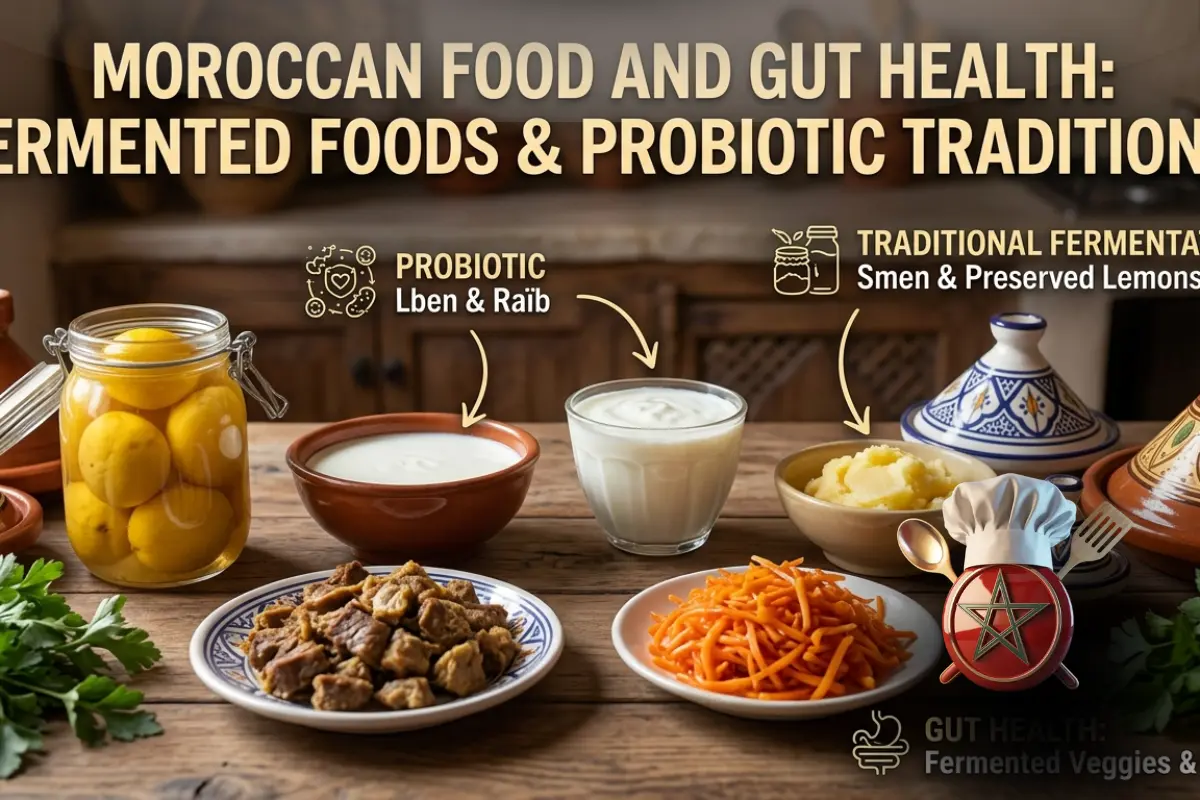
The Ancient Wisdom of Moroccan Fermentation
Long before the Western world discovered the benefits of probiotics and fermented foods, Moroccan kitchens were already thriving centers of fermentation wisdom. For centuries, Moroccan families have preserved foods through traditional fermentation techniques, creating not just delicious accompaniments to meals, but powerful allies for digestive health and overall wellness.
In the bustling souks of Marrakech and the coastal cities of Casablanca, you'll find vendors selling an array of fermented delicacies that have sustained communities through harsh seasons and provided essential nutrients when fresh produce was scarce. These time-honored practices represent more than mere food preservation—they embody a sophisticated understanding of how beneficial bacteria can transform simple ingredients into nutritional powerhouses.
Today's health-conscious Western consumers are rediscovering what Moroccans have known for generations: that fermented foods are essential for maintaining a healthy gut microbiome. As research continues to reveal the profound connections between digestive health and overall wellness, Moroccan fermentation traditions offer valuable insights and practical applications for modern kitchens.
This ancient culinary wisdom provides a fascinating lens through which to explore the intersection of traditional food culture and contemporary nutritional science. From preserved lemons that grace tagines to fermented dairy products that cool the palate, Moroccan cuisine offers a treasure trove of probiotic-rich foods that support digestive health while delivering complex, satisfying flavors.
Traditional Moroccan Fermented Foods: A Probiotic Paradise
The cornerstone of Moroccan fermentation culture lies in its diverse array of traditionally preserved foods. Each region of Morocco has developed its own specialties, refined over generations to create optimal conditions for beneficial bacterial growth while developing distinctive flavor profiles that complement the country's rich culinary landscape.
Preserved Lemons: The Crown Jewel of Fermentation
Perhaps no fermented food is more synonymous with Moroccan cuisine than l'hamd marakad, or preserved lemons. These golden gems undergo a month-long fermentation process that transforms their sharp acidity into a complex, mellow flavor that enhances everything from tagines to salads. The fermentation process not only preserves the lemons but creates an environment where beneficial bacteria thrive, producing enzymes that aid digestion and support gut health.
Traditional preparation involves packing fresh lemons with coarse salt in ceramic crocks, where naturally occurring bacteria begin the fermentation process. The salt draws out moisture while creating an anaerobic environment perfect for lactobacillus bacteria to flourish. These beneficial microorganisms not only preserve the fruit but create compounds that support digestive function and immune health.
Fermented Olives and Olive-Based Products
Morocco's olive groves produce some of the world's finest olives, many of which undergo traditional fermentation processes that enhance both their nutritional value and digestive benefits. Different regions employ varying techniques, from dry-salt curing in the mountains to brine fermentation in coastal areas. These methods create diverse populations of beneficial bacteria that contribute to gut health while developing the complex flavors that make Moroccan olives so prized.
The fermentation process breaks down compounds that can be difficult to digest while creating beneficial bacteria that support the gut microbiome. Traditional olive preparations often include herbs and spices that possess antimicrobial properties, creating an ideal environment for beneficial bacteria while suppressing harmful microorganisms.
Fermented Vegetables and Pickles
Moroccan cuisine features an impressive variety of fermented vegetables, known collectively as turshi. Turnips, carrots, cauliflower, and cabbage undergo careful fermentation processes that preserve them while creating probiotic-rich condiments. These vegetables are typically fermented in salt brines flavored with garlic, bay leaves, and other aromatic spices that contribute both flavor and additional antimicrobial protection.
The fermentation process significantly increases the bioavailability of nutrients while creating beneficial compounds like short-chain fatty acids that nourish the gut lining. Traditional preparation methods ensure optimal bacterial populations that support digestive health and enhance nutrient absorption.
Traditional Dairy Fermentation
Moroccan dairy traditions include several fermented products that provide substantial probiotic benefits. Leben, a traditional fermented buttermilk, serves as both a refreshing beverage and a digestive aid. Its high concentration of beneficial bacteria makes it particularly valuable for maintaining gut health, especially in Morocco's warm climate where dairy products require careful preservation.
Traditional cheese-making processes also incorporate fermentation techniques that create distinctive flavors while promoting beneficial bacterial growth. These artisanal methods produce cheeses with complex microbial profiles that contribute to digestive wellness while providing essential nutrients.
The Science Behind Moroccan Fermentation Benefits
Modern nutritional science has validated many of the health benefits that Moroccan communities have observed in their fermented foods for generations. Research reveals that traditional fermentation processes create optimal conditions for beneficial bacteria to flourish while producing compounds that actively support digestive health and overall wellness.
Probiotic Bacterial Strains in Traditional Foods
Moroccan fermented foods contain diverse populations of beneficial bacteria, including various strains of lactobacillus, bifidobacterium, and other probiotic species. These microorganisms work synergistically to support digestive function, enhance immune response, and maintain optimal gut barrier function. Traditional fermentation methods create environments that naturally select for beneficial bacteria while suppressing harmful microorganisms.
The diversity of bacterial strains in traditionally fermented Moroccan foods often exceeds that found in commercial probiotic supplements. This diversity is crucial for maintaining a healthy gut microbiome, as different bacterial strains perform different functions and support various aspects of digestive health.
Nutrient Enhancement Through Fermentation
Fermentation processes significantly enhance the nutritional value of foods by breaking down complex compounds into more bioavailable forms. In preserved lemons, for example, fermentation increases the availability of vitamin C and creates beneficial compounds that support immune function. Similarly, fermented vegetables contain higher levels of B vitamins, vitamin K2, and other nutrients compared to their fresh counterparts.
The bacterial action during fermentation also creates beneficial compounds like short-chain fatty acids, which serve as fuel for intestinal cells and support gut barrier function. These compounds play crucial roles in maintaining digestive health and reducing inflammation throughout the body.
Digestive Enzyme Production
Traditional fermentation processes create natural digestive enzymes that aid in the breakdown and absorption of nutrients. These enzymes complement the body's own digestive processes, reducing the burden on the digestive system while improving nutrient utilization. This is particularly beneficial for individuals with compromised digestive function or those consuming nutrient-dense but complex foods like traditional tagines.
The presence of these natural enzymes makes fermented foods easier to digest while maximizing their nutritional benefits. This explains why traditionally fermented foods have long been valued not just for their flavors but for their role in supporting digestive wellness.
Modern Applications: Bringing Moroccan Fermentation Home
Western home cooks increasingly recognize the value of incorporating traditional fermentation techniques into their modern kitchens. Moroccan fermentation methods are particularly well-suited to contemporary lifestyles because they require minimal equipment while producing maximum health benefits. Understanding these techniques allows health-conscious individuals to create probiotic-rich foods that support digestive wellness while adding authentic Moroccan flavors to their meals.
Setting Up Your Home Fermentation Space
Creating a successful fermentation environment requires understanding the basic principles that Moroccan cooks have mastered over generations. Temperature control, proper salt ratios, and anaerobic conditions are essential for producing safe, beneficial fermented foods. Modern kitchens can easily accommodate traditional fermentation techniques with minimal modifications to existing spaces.
The key to successful home fermentation lies in understanding how environmental factors influence bacterial growth and fermentation outcomes. Moroccan techniques emphasize creating stable conditions that favor beneficial bacteria while preventing the growth of harmful microorganisms. This balance is achieved through careful attention to salt concentrations, pH levels, and storage conditions.
Adapting Traditional Recipes for Modern Kitchens
Traditional Moroccan fermentation recipes can be adapted for modern kitchens while maintaining their authentic character and health benefits. Key considerations include scaling recipes for smaller batches, using available equipment, and adjusting techniques for different climates and storage conditions. These adaptations make it possible to enjoy the benefits of traditional fermented foods regardless of location or kitchen setup.
Modern practitioners can enhance traditional methods with contemporary understanding of food safety and bacterial cultures while preserving the essential elements that make these foods so beneficial. This fusion of traditional wisdom and modern knowledge creates optimal conditions for producing safe, nutritious fermented foods at home.
Seasonal Fermentation Practices
Moroccan fermentation traditions are deeply connected to seasonal rhythms and agricultural cycles. Understanding these patterns helps modern practitioners optimize their fermentation activities and create foods that align with natural seasonal availability. Spring vegetables, summer fruits, and autumn harvests each offer unique opportunities for creating fermented foods that support health while celebrating seasonal abundance.
Seasonal fermentation also ensures optimal nutrient density and bacterial activity, as foods are processed at their peak nutritional value. This approach creates a sustainable cycle of food production that supports both individual health and environmental stewardship.
Health Benefits and Nutritional Impact
The health benefits of traditional Moroccan fermented foods extend far beyond basic nutrition, encompassing support for immune function, cardiovascular health, and mental wellness. Research continues to reveal new connections between gut health and overall wellbeing, validating traditional practices that have supported Moroccan communities for centuries.
Digestive System Support
Fermented Moroccan foods provide comprehensive support for digestive function through multiple mechanisms. Beneficial bacteria help maintain optimal gut pH levels, support the integrity of the intestinal lining, and enhance the absorption of essential nutrients. Regular consumption of these foods has been associated with improved digestive comfort, reduced inflammation, and enhanced immune function.
The diversity of bacterial strains in traditional fermented foods creates a more resilient gut microbiome that can better respond to dietary changes and environmental stressors. This resilience is particularly valuable in modern Western lifestyles, where processed foods and antibiotic use can disrupt natural bacterial balance.
Immune System Enhancement
A significant portion of the immune system is located in the digestive tract, where beneficial bacteria play crucial roles in immune function. Moroccan fermented foods support immune health by maintaining optimal bacterial populations while providing nutrients that support immune cell function. Traditional preparation methods often incorporate herbs and spices with additional immune-supporting properties.
Regular consumption of probiotic-rich fermented foods has been associated with improved resistance to infections, reduced allergic responses, and better overall immune function. These benefits are particularly relevant for individuals living in urban environments with high stress levels and environmental toxin exposure.
Cardiovascular and Metabolic Benefits
Emerging research suggests that gut health plays important roles in cardiovascular and metabolic function. Traditional Moroccan fermented foods may support heart health through multiple pathways, including cholesterol metabolism, blood pressure regulation, and inflammation reduction. The high fiber content of fermented vegetables also supports healthy blood sugar levels and weight management.
The Mediterranean-style diet that includes traditional fermented foods has been associated with reduced risk of cardiovascular disease and metabolic disorders. These benefits appear to result from the synergistic effects of beneficial bacteria, fiber, antioxidants, and other bioactive compounds found in fermented foods.
| Fermented Food | Primary Beneficial Bacteria | Key Health Benefits | Traditional Use |
|---|---|---|---|
| Preserved Lemons | Lactobacillus species | Immune support, vitamin C enhancement | Tagines, salads, marinades |
| Fermented Olives | Various lactobacilli, yeasts | Heart health, anti-inflammatory | Appetizers, cooking ingredient |
| Leben (Buttermilk) | L. bulgaricus, S. thermophilus | Digestive aid, protein nutrition | Beverage, cooking base |
| Pickled Turnips | L. plantarum, L. brevis | Fiber, digestive enzymes | Side dish, appetite stimulant |
| Fermented Carrots | L. mesenteroides, L. plantarum | Beta-carotene, prebiotic fiber | Condiment, salad ingredient |
Cultural Significance and Social Aspects
Fermentation practices in Morocco extend beyond mere food preparation to encompass important cultural, social, and spiritual dimensions. Understanding these broader contexts enriches appreciation for the role of fermented foods in Moroccan society while highlighting their potential applications in Western communities seeking to build healthier food cultures.
Community and Family Traditions
Traditional fermentation practices in Morocco are deeply embedded in family and community life. Knowledge is passed down through generations, with each family developing its own variations and refinements. These practices create opportunities for intergenerational bonding while ensuring the preservation of valuable cultural knowledge.
Community fermentation activities, such as olive pressing and preservation, bring neighbors together in collaborative food production that strengthens social bonds while creating shared resources. These traditions demonstrate how food production can serve multiple functions beyond basic nutrition, supporting social cohesion and cultural continuity.
Seasonal Celebrations and Food Traditions
Many Moroccan fermented foods are associated with specific seasons, holidays, and celebrations. These connections create meaningful relationships between food, culture, and natural cycles that enhance both the nutritional and emotional benefits of traditional foods. Understanding these associations helps Western practitioners develop more meaningful relationships with fermented foods.
Seasonal fermentation practices also ensure optimal timing for food production, creating foods when they are most needed nutritionally and when ingredients are at their peak quality. This alignment with natural rhythms supports both individual health and environmental sustainability.
Hospitality and Sharing Traditions
Fermented foods play important roles in Moroccan hospitality traditions, often serving as welcome offerings for guests or special preparations for important occasions. These practices highlight the social dimensions of food while demonstrating how fermented foods can enhance community connections and cultural exchange.
The sharing of fermented foods also serves practical functions, allowing communities to benefit from successful fermentation batches while providing security against food spoilage or seasonal shortages. These traditions demonstrate sustainable approaches to food production and distribution that remain relevant in contemporary contexts.
| Aspect | Traditional Moroccan Approach | Modern Western Application | Health Benefits |
|---|---|---|---|
| Seasonal Timing | Aligned with harvest cycles | Farmers market seasonality | Peak nutrient density |
| Community Involvement | Family and neighbor collaboration | Fermentation clubs, workshops | Social support, knowledge sharing |
| Cultural Integration | Holiday and celebration foods | Special occasion preparations | Mindful eating, cultural appreciation |
| Knowledge Transfer | Generational teaching | Classes, online communities | Skill development, confidence building |
| Quality Control | Traditional indicators and methods | Modern safety guidelines | Safe, consistent results |
Frequently Asked Questions
How long do traditional Moroccan fermented foods take to prepare?
Fermentation times vary significantly depending on the specific food and environmental conditions. Preserved lemons typically require 3-4 weeks for optimal fermentation, while pickled vegetables may be ready in 1-2 weeks. Leben and other fermented dairy products can be prepared in 12-24 hours. Temperature, salt concentration, and ingredient preparation all influence fermentation speed. Traditional methods emphasize patience and observation rather than rigid timing, allowing foods to develop their characteristic flavors and beneficial bacterial populations naturally.
Are Moroccan fermented foods safe to prepare at home?
When prepared using traditional methods with proper attention to hygiene and salt ratios, Moroccan fermented foods are generally safe for home preparation. The key safety factors include using appropriate salt concentrations to prevent harmful bacteria growth, maintaining clean preparation surfaces and utensils, and storing foods in suitable containers at proper temperatures. Modern practitioners should follow established recipes and guidelines while observing foods for signs of proper fermentation versus spoilage.
What equipment do I need to start fermenting Moroccan foods at home?
Traditional Moroccan fermentation requires minimal specialized equipment. Essential items include clean glass jars or ceramic crocks, non-reactive lids or covers, measuring tools for salt ratios, and clean preparation surfaces. Many traditional methods use simple household items like clean kitchen towels for covering ferments and wooden utensils for handling ingredients. The emphasis is on cleanliness and proper technique rather than expensive equipment.
How do fermented Moroccan foods compare to commercial probiotics?
Traditional fermented foods often contain more diverse bacterial strains than commercial probiotic supplements, along with beneficial compounds like fiber, vitamins, and enzymes that support overall digestive health. While supplements provide concentrated doses of specific bacterial strains, fermented foods offer a more holistic approach that includes prebiotics and other nutrients that support beneficial bacteria. Both can play valuable roles in supporting gut health, and many practitioners find that combining traditional fermented foods with targeted supplements provides optimal benefits.
Can I adapt traditional recipes for dietary restrictions?
Many Moroccan fermentation techniques can be adapted for various dietary needs while maintaining their essential beneficial properties. Salt-sensitive individuals can often reduce salt concentrations with careful attention to fermentation conditions and storage. Dairy-free alternatives can substitute plant-based ingredients in traditional dairy fermentations. Vegetable ferments are naturally suitable for most dietary restrictions. The key is understanding the fundamental principles behind traditional methods and making thoughtful modifications that preserve food safety and beneficial bacterial activity.
Conclusion: Embracing Ancient Wisdom for Modern Health
The fermentation traditions of Morocco offer profound insights into the connections between food, health, and community that remain highly relevant for contemporary Western lifestyles. These time-tested practices demonstrate how simple ingredients can be transformed into nutritional powerhouses that support digestive health while delivering complex, satisfying flavors that enhance any meal.
As modern research continues to validate the importance of gut health for overall wellness, traditional Moroccan fermentation techniques provide practical, accessible approaches for incorporating beneficial bacteria into daily nutrition. These methods require minimal equipment and investment while producing foods that surpass commercial alternatives in both nutritional diversity and cultural authenticity.
The broader cultural context of Moroccan fermentation traditions also offers valuable lessons about sustainable food production, community cooperation, and the importance of maintaining connections to traditional knowledge. By incorporating these practices into modern kitchens, Western practitioners can access not only the health benefits of fermented foods but also the deeper satisfactions that come from participating in age-old traditions that connect us to both the natural world and human communities.
Whether you begin with simple preserved lemons for your next tagine or explore the full range of Moroccan fermentation traditions, these ancient practices offer pathways to enhanced health, cultural enrichment, and culinary adventure. The wisdom embedded in these traditions represents generations of experiential knowledge that can inform and enhance modern approaches to nutrition and wellness.
The journey into Moroccan fermentation is ultimately about more than just food—it's about embracing a more holistic approach to nourishment that recognizes the profound connections between what we eat, how we prepare it, and how it supports our health and wellbeing. In a world increasingly dominated by processed foods and artificial additives, these traditional practices offer a return to authentic nutrition that nourishes both body and soul.