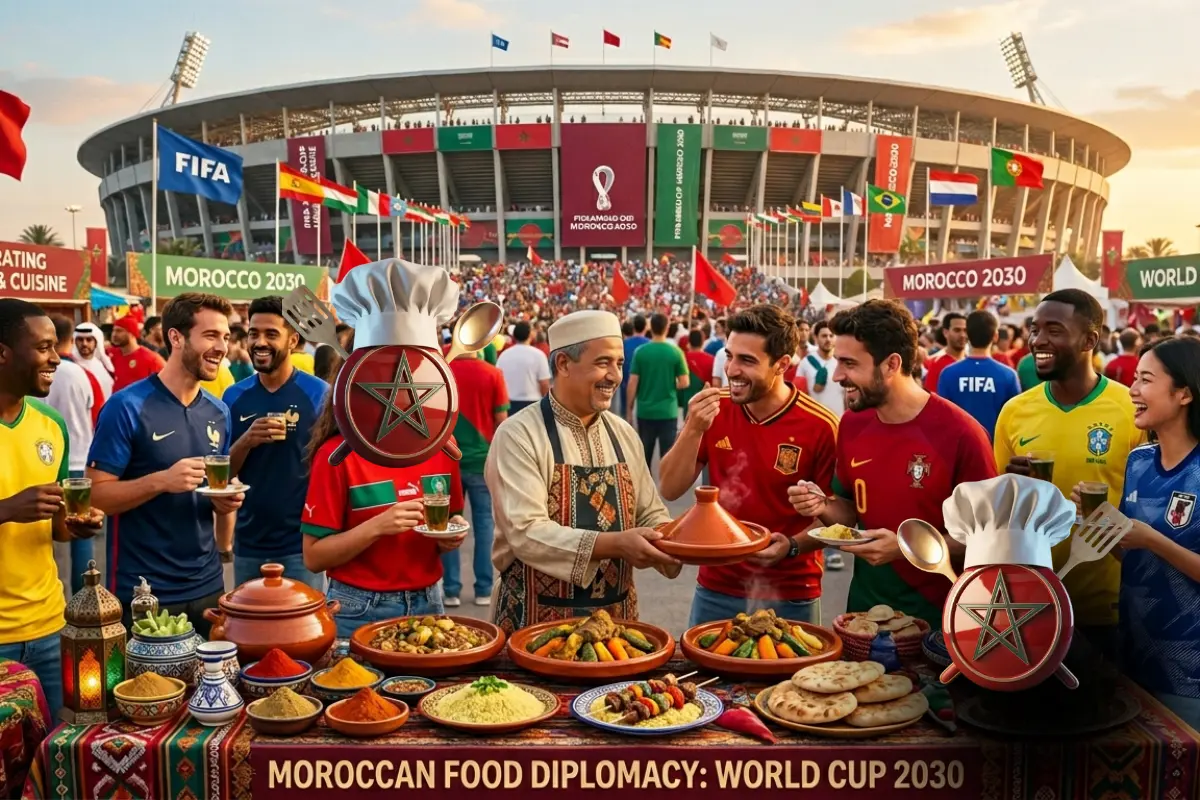
The Culinary Revolution: Morocco's 2030 World Cup Legacy
When Morocco, Spain, and Portugal were selected to co-host the 2030 FIFA World Cup, the announcement sent ripples of excitement far beyond the realm of football. For food enthusiasts and culinary professionals worldwide, this historic decision represents something equally momentous: the unprecedented global spotlight that will shine on Moroccan cuisine and its profound influence on international gastronomy. As the first African nation to co-host a World Cup, Morocco is poised to leverage this extraordinary platform to showcase its rich culinary heritage, transforming how Western audiences perceive and experience North African cuisine.
The concept of food diplomacy – using cuisine as a bridge between cultures and nations – has never been more relevant. Morocco's strategic positioning at the crossroads of Africa, Europe, and the Middle East has created a unique culinary identity that resonates with diverse palates. The 2030 World Cup will serve as an unprecedented catalyst, introducing millions of visitors and billions of television viewers to the sophisticated flavors, ancient cooking techniques, and warm hospitality that define Moroccan gastronomy.
This culinary revolution extends far beyond the tournament itself. The infrastructure development, international media attention, and cultural exchange occurring in preparation for 2030 are already reshaping global food trends. From the proliferation of authentic Moroccan restaurants in major Western cities to the increasing availability of traditional spices like ras el hanout and preserved lemons in mainstream supermarkets, the World Cup's influence on international cuisine is already tangible.
The Historical Foundation of Moroccan Culinary Diplomacy
Morocco's approach to food diplomacy is deeply rooted in centuries of cultural exchange and hospitality traditions. The kingdom's strategic location along ancient trade routes fostered a culinary philosophy that embraces diversity while maintaining distinct national identity. This historical foundation provides the perfect framework for contemporary culinary diplomacy on the World Cup stage.
The Berber, Arab, Andalusian, and French influences that shaped Moroccan cuisine created a sophisticated gastronomic language that speaks to multiple cultures simultaneously. When international visitors experience a traditional Moroccan feast, they encounter familiar elements – the use of aromatic spices reminiscent of Indian cuisine, the slow-cooking techniques similar to French provincial cooking, and the emphasis on fresh vegetables that aligns with Mediterranean dietary principles.
Traditional Moroccan hospitality, known as karam, elevates food service to an art form of cultural diplomacy. The ritual of sharing mint tea, the communal aspect of eating from a shared tagine, and the intricate presentation of multiple courses create memorable experiences that transcend mere sustenance. These cultural practices naturally facilitate cross-cultural understanding and appreciation, making food an ideal diplomatic tool.
The historical spice trade connections that once brought cinnamon from Ceylon, black pepper from India, and saffron from Spain to Moroccan kitchens now provide a narrative framework for contemporary global culinary exchange. World Cup visitors will experience this living history through every perfectly seasoned dish, understanding Morocco's role as a culinary crossroads that has been facilitating cultural exchange for over a millennium.
Ancient Trade Routes and Modern Culinary Exchange
The trans-Saharan trade routes that once carried gold, salt, and spices through Morocco established culinary traditions that remain relevant today. The preservation techniques developed for long desert journeys gave us preserved lemons and dried fruits. The spice combinations created to enhance simple ingredients during arduous travels evolved into the complex flavor profiles that define Moroccan cuisine.
These historical trade connections provide contemporary context for Morocco's role in global culinary diplomacy. Just as ancient merchants introduced new ingredients and techniques to Moroccan kitchens, the 2030 World Cup will facilitate a modern exchange, introducing Moroccan culinary innovations to international audiences while incorporating global influences into local food culture.
Signature Dishes as Cultural Ambassadors
The 2030 World Cup will transform Morocco's most iconic dishes into global cultural ambassadors, each telling a unique story of the kingdom's culinary sophistication. These dishes, refined over centuries, represent the perfect intersection of nutrition, flavor, and cultural meaning that resonates with international audiences.
The tagine, perhaps Morocco's most recognizable culinary export, exemplifies the country's approach to slow, thoughtful cooking that maximizes flavor while minimizing resources. The conical clay vessel's ingenious design, which circulates steam to create perfectly tender ingredients, represents sustainable cooking practices that align with contemporary environmental consciousness. World Cup visitors will discover that tagine cooking produces complex flavors without excessive oil or artificial additives, appealing to health-conscious Western palates.
Couscous, recognized by UNESCO as an Intangible Cultural Heritage of Humanity, serves as another powerful culinary ambassador. The labor-intensive process of hand-rolling semolina into perfect pearls represents the dedication to craft that characterizes Moroccan cuisine. The Friday couscous tradition, where families gather to share this communal dish, demonstrates food's role in strengthening social bonds – a message that resonates universally.
The Art of Pastilla: Sweet and Savory Harmony
Pastilla, the delicate pastry that combines pigeon or chicken with almonds, eggs, and cinnamon, enclosed in paper-thin warqa pastry, represents the pinnacle of Moroccan culinary artistry. This dish challenges Western preconceptions about the separation of sweet and savory flavors, introducing international palates to the sophisticated flavor balancing that defines North African cuisine.
The preparation of pastilla requires skills passed down through generations, making it a symbol of cultural continuity and craftsmanship. World Cup visitors experiencing authentic pastilla will understand that Moroccan cuisine operates on a level of complexity and refinement that rivals any international culinary tradition.
Harira: The Soul of Moroccan Comfort Food
Harira, the traditional soup that breaks the Ramadan fast, will introduce international audiences to the concept of food as spiritual nourishment. This tomato-based soup, enriched with lentils, chickpeas, and aromatic herbs, provides complete nutrition while offering profound comfort – qualities that transcend cultural boundaries.
The ritual of preparing harira, often a community activity involving multiple generations, demonstrates the social aspects of Moroccan food culture. World Cup visitors will experience not just a delicious soup, but a connection to traditions that emphasize community, sharing, and gratitude.
Infrastructure Development and Culinary Tourism
The massive infrastructure development occurring in preparation for the 2030 World Cup is fundamentally transforming Morocco's capacity to showcase its culinary heritage to international audiences. New airports, expanded hotel capacity, and improved transportation networks are creating unprecedented opportunities for culinary tourism that will extend far beyond the tournament period.
The construction of new stadiums in cities like Casablanca, Rabat, and Marrakech includes integrated culinary facilities designed to introduce international visitors to authentic Moroccan cuisine. These venues will feature demonstration kitchens, spice markets, and traditional cooking spaces where visitors can engage directly with Moroccan culinary culture. The emphasis on authentic experiences rather than generic international food options reflects Morocco's commitment to using the World Cup as a platform for genuine cultural exchange.
Hotel developments across the country are incorporating cooking schools, spice gardens, and traditional bread ovens into their designs. These facilities will allow visitors to participate in hands-on culinary experiences, learning to prepare tagines, roll couscous, and blend spice combinations. Such immersive experiences create lasting connections between visitors and Moroccan food culture, extending the tournament's cultural impact long after the final match.
| City | New Culinary Facilities | Traditional Elements | International Appeal |
|---|---|---|---|
| Casablanca | Central Market Renovation | Artisan Spice Vendors | Food Hall Concept |
| Marrakech | Culinary Quarter Expansion | Traditional Bread Ovens | Cooking Class Studios |
| Rabat | Heritage Food Museum | Ancient Recipe Archive | Interactive Exhibitions |
| Fez | Medina Food Tours | Family-Run Restaurants | Authentic Experiences |
| Tangier | Coastal Cuisine Center | Fresh Seafood Markets | Mediterranean Fusion |
Sustainable Tourism and Local Communities
The culinary tourism infrastructure being developed for 2030 emphasizes sustainability and community involvement. Local cooperatives, particularly women's argan oil cooperatives in the Atlas Mountains, are being integrated into tourism circuits, allowing visitors to understand the complete supply chain of Moroccan ingredients while supporting rural communities.
These sustainable tourism initiatives ensure that the World Cup's culinary impact benefits local communities rather than displacing traditional food systems. Visitors will experience authentic Moroccan cuisine prepared by local families, using ingredients sourced from regional producers, creating economic opportunities that strengthen rather than compromise cultural authenticity.
Restaurant Industry Transformation
The anticipation of hosting millions of international visitors is driving a comprehensive transformation of Morocco's restaurant industry. This evolution extends from high-end establishments in major cities to family-run restaurants in smaller towns, all working to present Moroccan cuisine with the sophistication and authenticity that international audiences expect.
Traditional restaurants are upgrading their facilities while carefully maintaining the authentic atmosphere that defines Moroccan dining. This includes renovating traditional riads to create intimate dining spaces, training staff in international service standards, and developing menus that explain the cultural significance of different dishes to foreign visitors.
The emergence of modern Moroccan cuisine, which respects traditional flavors while incorporating contemporary presentation techniques, is creating a new category of restaurants that appeal to international palates without compromising authenticity. These establishments are developing innovative approaches to classic dishes – serving individual tagines instead of shared ones for Western diners, creating tasting menus that showcase the diversity of Moroccan cuisine, and offering wine pairings that complement traditional flavors.
Training and Professional Development
Culinary schools across Morocco are expanding their programs to prepare a new generation of chefs capable of presenting Moroccan cuisine to international standards. These programs combine traditional cooking techniques with modern culinary arts, ensuring that authenticity is maintained while meeting contemporary expectations for presentation and service.
International chef exchange programs are bringing renowned culinary professionals to Morocco while sending Moroccan chefs to train in prestigious kitchens worldwide. This exchange ensures that Morocco's culinary ambassadors understand international dining preferences while foreign chefs develop appreciation for Moroccan techniques and ingredients.
Menu Innovation and Cultural Education
Restaurants are developing comprehensive educational approaches to menu design, including detailed descriptions of ingredients, cooking methods, and cultural significance. QR codes link to videos showing traditional preparation methods, while multilingual staff provide cultural context for each dish.
This educational approach transforms dining from simple sustenance to cultural immersion, ensuring that international visitors develop genuine understanding and appreciation for Moroccan culinary traditions. The emphasis on storytelling and cultural context creates memorable experiences that visitors will recreate and share in their home countries.
Global Supply Chain and Ingredient Accessibility
One of the most significant long-term impacts of Morocco's 2030 World Cup hosting will be the transformation of global supply chains for North African ingredients. The increased international demand for authentic Moroccan spices, preserved lemons, argan oil, and other specialty ingredients is driving expansion of export capabilities and international distribution networks.
Major spice companies and specialty food distributors are establishing direct relationships with Moroccan producers, ensuring that authentic ingredients become readily available in Western markets. This accessibility is crucial for the long-term global adoption of Moroccan cuisine, as home cooks and restaurants outside Morocco need reliable access to quality ingredients to recreate authentic flavors.
The development of international certification standards for Moroccan specialty products ensures quality and authenticity while protecting traditional production methods. Geographical indication protections for products like Argan oil and specific spice blends maintain the connection between ingredients and their cultural origins, preventing dilution of authentic Moroccan flavors in international markets.
| Ingredient Category | Traditional Source | Global Availability Pre-2025 | Projected Availability Post-2030 |
|---|---|---|---|
| Ras el Hanout Blend | Local Spice Markets | Specialty Stores Only | Mainstream Supermarkets |
| Preserved Lemons | Home Preparation | Limited Import Items | Multiple Brands Available |
| Argan Oil | Cooperative Production | Health Food Stores | Culinary and Cosmetic Lines |
| Harissa Paste | Regional Variations | Generic Middle Eastern | Authentic Moroccan Varieties |
| Orange Blossom Water | Artisan Distillation | Baking Specialty Shops | Regular Grocery Distribution |
Supporting Traditional Production Methods
The increased global demand is being carefully managed to support rather than disrupt traditional production methods. Cooperatives producing argan oil, women's groups preparing preserved lemons, and family spice merchants are receiving support to scale their operations while maintaining quality and traditional techniques.
This approach ensures that increased international demand creates economic opportunities for traditional producers rather than industrial replacement of artisan methods. The result is authentic ingredients that maintain their cultural significance while becoming globally accessible.
Media Influence and Cultural Storytelling
The unprecedented media coverage of the 2030 World Cup will provide Morocco with an unparalleled platform for culinary storytelling. International broadcasters, food journalists, and social media influencers will discover and share the rich narratives behind Moroccan cuisine, creating lasting cultural impact that extends far beyond sports coverage.
Culinary documentaries, cooking shows, and food tourism programs are already being developed to showcase Moroccan cuisine during the World Cup period. These productions will introduce international audiences to the families, traditions, and techniques that create authentic Moroccan flavors, building emotional connections that transcend simple food appreciation.
Social media platforms will amplify this storytelling, as millions of visitors share their culinary experiences in real-time. The visual appeal of Moroccan cuisine – the colorful tagines, intricate pastries, and beautiful traditional serving pieces – creates highly shareable content that will introduce Moroccan food culture to global audiences organically.
Celebrity Chef Collaborations
International celebrity chefs are already developing collaborations with Moroccan culinary masters, creating fusion approaches that respect traditional methods while appealing to global palates. These partnerships will be featured prominently during World Cup coverage, providing mainstream exposure for Moroccan cuisine through trusted culinary personalities.
These collaborations also facilitate knowledge exchange, as international chefs learn traditional Moroccan techniques while sharing modern presentation and service innovations. The result is an elevated approach to Moroccan cuisine that maintains authenticity while meeting contemporary dining expectations.
Health and Nutrition Messaging
The growing international focus on healthy eating aligns perfectly with traditional Moroccan cuisine's emphasis on fresh vegetables, lean proteins, and beneficial spices. The 2030 World Cup provides an ideal platform to highlight the health benefits of Moroccan cooking methods and ingredients, appealing to health-conscious Western consumers.
Traditional Moroccan cuisine naturally incorporates many elements that contemporary nutritionists recommend: generous use of vegetables, minimal processed foods, beneficial spices with anti-inflammatory properties, and cooking methods that preserve nutrients while maximizing flavor. The tagine cooking method, which uses minimal added fats while creating rich flavors through slow cooking, exemplifies the healthy cooking techniques that define Moroccan cuisine.
The use of spices like turmeric, ginger, and cinnamon in everyday Moroccan cooking provides significant health benefits that resonate with contemporary wellness trends. These spices, integral to traditional flavor profiles, offer anti-inflammatory, antioxidant, and digestive benefits that appeal to health-conscious consumers worldwide.
Mediterranean Diet Connections
Moroccan cuisine's emphasis on olive oil, fresh vegetables, nuts, and minimal red meat aligns closely with the Mediterranean diet principles that have gained widespread acceptance in Western health communities. This connection provides a familiar framework for introducing Moroccan cuisine to health-conscious international audiences.
The traditional Moroccan practice of using bread as a utensil, consuming meals slowly in social settings, and incorporating aromatic teas supports mindful eating practices that promote better digestion and meal satisfaction. These cultural practices offer valuable lessons for Western dining habits while showcasing the holistic approach to nutrition that characterizes Moroccan food culture.
Economic Impact and Industry Development
The culinary transformation surrounding the 2030 World Cup represents a significant economic opportunity for Morocco, creating jobs, supporting traditional producers, and establishing long-term export markets for Moroccan food products. This economic impact extends throughout the food system, from farmers and producers to restaurants and retailers.
Agricultural sectors producing traditional Moroccan ingredients are experiencing increased investment and modernization to meet anticipated international demand. Olive groves, citrus orchards, and spice cultivation are expanding while maintaining organic and traditional growing methods that preserve authentic flavors and support sustainable agriculture.
The restaurant and hospitality industries are creating thousands of jobs while providing training opportunities that develop professional culinary skills. These positions range from traditional cooking roles to modern service positions, creating career paths that value both cultural knowledge and contemporary professional skills.
Export Market Development
Moroccan food companies are developing export capabilities to serve international markets interested in authentic North African cuisine. This includes everything from packaged spice blends and preserved ingredients to frozen prepared foods that allow international consumers to experience Moroccan flavors at home.
The development of international distribution networks ensures that the culinary interest generated by the World Cup translates into sustainable long-term demand for Moroccan food products. These export markets create ongoing revenue streams that support traditional producers and encourage continued cultivation of heritage ingredients.
Educational and Cultural Exchange Programs
The 2030 World Cup is catalyzing comprehensive educational programs that facilitate deep cultural exchange through food. Culinary schools, universities, and cultural institutions are developing programs that connect international students and professionals with Moroccan culinary masters, creating lasting relationships that extend far beyond the tournament period.
Exchange programs bring international culinary students to Morocco to study traditional cooking techniques, ingredient sourcing, and cultural food practices. These immersive experiences create cultural ambassadors who return to their home countries with authentic knowledge and genuine appreciation for Moroccan cuisine.
Simultaneously, Moroccan culinary professionals are participating in international programs, sharing their expertise while learning about global food trends and techniques. This bidirectional exchange ensures that Moroccan cuisine evolves and adapts while maintaining its cultural authenticity.
Academic Research and Documentation
Universities and research institutions are conducting comprehensive studies of Moroccan culinary traditions, creating academic documentation that preserves traditional knowledge while making it accessible to international scholars and culinary professionals. This research covers everything from ancient cooking techniques to the nutritional properties of traditional spice combinations.
This academic approach provides credibility and depth to the international presentation of Moroccan cuisine, moving beyond superficial cultural tourism to genuine understanding and appreciation of the sophisticated culinary traditions that define Moroccan food culture.
Frequently Asked Questions
How will the 2030 World Cup specifically increase global awareness of Moroccan cuisine?
The 2030 World Cup will expose Morocco to an estimated 5 billion television viewers worldwide, providing unprecedented visibility for Moroccan cuisine. International media coverage, visitor experiences, and social media sharing will introduce authentic Moroccan dishes like tagines, couscous, and pastilla to global audiences. The tournament's infrastructure development includes culinary facilities specifically designed to showcase traditional cooking methods and ingredients, creating immersive experiences that extend far beyond typical stadium food offerings.
What makes Moroccan cuisine particularly suitable for international appreciation?
Moroccan cuisine combines familiar elements from multiple culinary traditions – Mediterranean vegetables and olive oil, Middle Eastern spices, and African ingredients – creating flavors that are exotic yet accessible to Western palates. The emphasis on fresh ingredients, healthy cooking methods, and complex spice blends aligns with contemporary dining preferences for authentic, flavorful, and nutritious food. Additionally, the visual presentation and communal dining aspects create memorable experiences that resonate across cultures.
How are Moroccan restaurants preparing for increased international visitors?
Restaurants across Morocco are undergoing comprehensive preparation including staff training in international service standards, menu translations with cultural explanations, facility upgrades that maintain authentic atmosphere while meeting international expectations, and development of educational dining experiences that teach visitors about Moroccan food culture. Many establishments are also creating specialized menus that introduce international palates to Moroccan cuisine through familiar presentations while maintaining authentic flavors.
Will authentic Moroccan ingredients become more available internationally after 2030?
Yes, the increased global interest in Moroccan cuisine is driving expansion of international distribution networks for authentic ingredients. Major spice companies and specialty food distributors are establishing direct relationships with Moroccan producers to ensure reliable availability of items like ras el hanout, preserved lemons, and argan oil in Western markets. This improved accessibility will enable home cooks and restaurants worldwide to recreate authentic Moroccan flavors long after the World Cup concludes.
How does Morocco's approach to food diplomacy differ from other countries?
Morocco's food diplomacy emphasizes authentic cultural exchange rather than simplified international adaptations. The focus is on educating international audiences about traditional preparation methods, cultural significance, and proper ingredient usage while maintaining the communal and hospitable aspects that define Moroccan dining culture. This approach creates deeper cultural connections and genuine appreciation rather than superficial familiarity, establishing lasting relationships between Morocco and international food communities.
The Lasting Legacy of Culinary Diplomacy
The 2030 World Cup represents more than a sporting event for Morocco – it is a transformative cultural moment that will permanently alter global perceptions and appreciation of North African cuisine. The comprehensive preparation, from infrastructure development to cultural education programs, demonstrates Morocco's commitment to using this unprecedented platform for genuine cultural exchange rather than superficial tourism promotion.
The long-term impact will extend far beyond the tournament period, as improved ingredient accessibility, trained culinary professionals, and educated international audiences create sustainable demand for authentic Moroccan cuisine worldwide. The emphasis on supporting traditional producers and maintaining authentic preparation methods ensures that this global expansion strengthens rather than dilutes Morocco's culinary heritage.
For Western audiences, the 2030 World Cup offers an invitation to discover a sophisticated culinary tradition that combines health, flavor, and cultural richness in ways that will permanently enrich their own food experiences. The lessons learned from Moroccan approaches to spice usage, slow cooking, communal dining, and seasonal ingredients will influence global food trends for generations to come.
As we approach 2030, the anticipation builds not just for extraordinary football, but for a culinary revolution that will transform how the world experiences and appreciates the remarkable food culture of Morocco. This transformation represents the very best of cultural diplomacy – creating mutual understanding, appreciation, and lasting connections through the universal language of exceptional cuisine.