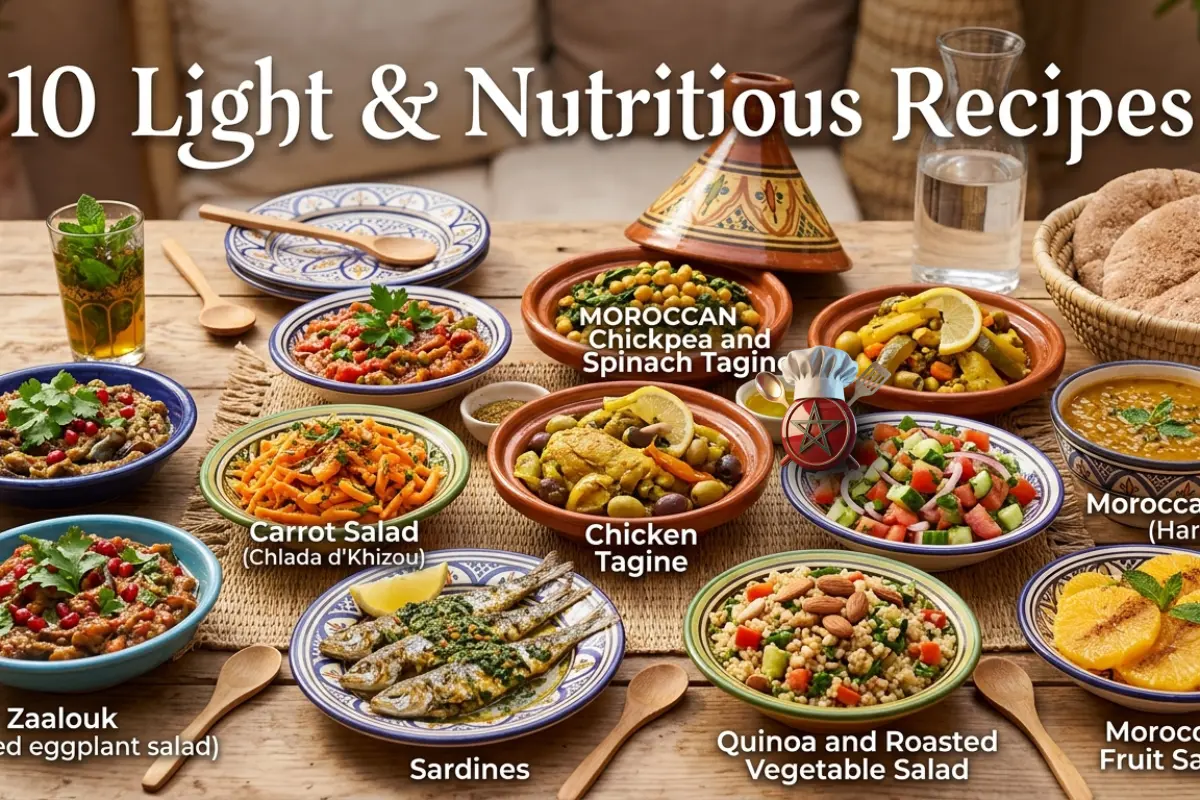
Introduction: The Art of Healthy Moroccan Cuisine
Moroccan cuisine offers a treasure trove of flavors that can support your weight loss journey without sacrificing taste or satisfaction. The traditional Moroccan diet, rich in vegetables, lean proteins, aromatic spices, and healthy fats, aligns perfectly with modern nutritional principles for sustainable weight management. This comprehensive guide presents 10 carefully selected light and nutritious Moroccan recipes that will transform your approach to healthy eating while introducing you to the authentic flavors of North Africa.
The beauty of Moroccan cuisine lies in its masterful use of spices like cumin, coriander, ginger, and cinnamon, which not only enhance flavor but also offer metabolic benefits. These recipes have been thoughtfully modified to reduce calories while maintaining the authentic taste profiles that make Moroccan food so beloved worldwide. Each dish emphasizes fresh vegetables, lean proteins, and heart-healthy olive oil, creating meals that are both satisfying and conducive to weight loss.
Whether you're following a Mediterranean diet, looking to incorporate more plant-based meals into your routine, or simply seeking flavorful alternatives to bland diet food, these Moroccan recipes will revolutionize your healthy eating journey. From aromatic tagines to refreshing salads, each recipe includes detailed nutritional information, preparation tips, and cultural context to enhance your culinary adventure.
The Science Behind Moroccan Ingredients for Weight Loss
Understanding the nutritional powerhouse that is Moroccan cuisine begins with examining its core ingredients and their weight loss benefits. Traditional Moroccan cooking emphasizes whole foods, complex carbohydrates, and metabolism-boosting spices that work synergistically to support healthy weight management.
Metabolic Benefits of Moroccan Spices
Moroccan cuisine's signature spice blends, known as ras el hanout, contain numerous compounds that can enhance metabolism and support weight loss. Cinnamon helps regulate blood sugar levels and may increase insulin sensitivity, while cumin has been shown to boost metabolic rate and reduce body fat. Ginger aids digestion and can increase thermogenesis, helping your body burn more calories throughout the day.
Turmeric, with its active compound curcumin, offers anti-inflammatory properties that may help reduce the chronic inflammation often associated with obesity. Black pepper, commonly used in Moroccan spice blends, contains piperine, which can enhance the absorption of other beneficial compounds and may have fat-burning properties.
The Power of Moroccan Vegetables and Legumes
Traditional Moroccan dishes heavily feature vegetables like tomatoes, onions, carrots, zucchini, and eggplant, all of which are low in calories but high in fiber, vitamins, and minerals. These vegetables provide volume and satiety to meals without adding excessive calories, making them perfect for weight loss diets.
Legumes such as chickpeas, lentils, and fava beans are staples in Moroccan cuisine and offer excellent sources of plant-based protein and fiber. The high fiber content helps maintain stable blood sugar levels and promotes feelings of fullness, reducing the likelihood of overeating between meals.
Healthy Fats in Moroccan Cooking
Extra virgin olive oil, the primary cooking fat in Moroccan cuisine, provides monounsaturated fats that support heart health and may help with weight management when used in moderation. Olives, nuts, and seeds commonly used in Moroccan dishes provide additional healthy fats that help with nutrient absorption and satiety.
10 Light and Nutritious Moroccan Recipes for Weight Loss
1. Moroccan Vegetable Tagine with Chickpeas
Serving Size: 4 servings | Calories per serving: 285 | Prep time: 15 minutes | Cook time: 35 minutes
This vibrant vegetable tagine combines the earthy flavors of root vegetables with protein-rich chickpeas, creating a satisfying meal that supports weight loss goals. The dish is naturally vegan and packed with fiber, making it an excellent choice for those looking to increase their vegetable intake while enjoying authentic Moroccan flavors.
Ingredients:
- 2 tablespoons extra virgin olive oil
- 1 large onion, diced
- 3 cloves garlic, minced
- 1 tablespoon fresh ginger, grated
- 2 teaspoons ground cumin
- 1 teaspoon ground coriander
- 1 teaspoon ground cinnamon
- 1/2 teaspoon turmeric
- 2 large carrots, cut into chunks
- 2 medium zucchini, sliced
- 1 medium eggplant, cubed
- 1 can (14 oz) diced tomatoes, no salt added
- 1 can (15 oz) chickpeas, drained and rinsed
- 2 cups low-sodium vegetable broth
- 1/4 cup fresh cilantro, chopped
- Salt and pepper to taste
Instructions:
- Heat olive oil in a large tagine or heavy-bottomed pot over medium heat. Add onion and cook until softened, about 5 minutes.
- Add garlic and ginger, cooking for another minute until fragrant.
- Stir in all spices and cook for 30 seconds to release their aromas.
- Add carrots, zucchini, and eggplant, stirring to coat with spices.
- Pour in diced tomatoes, chickpeas, and vegetable broth. Bring to a boil.
- Reduce heat to low, cover, and simmer for 25-30 minutes until vegetables are tender.
- Season with salt and pepper, garnish with fresh cilantro, and serve.
Nutritional Benefits: This tagine provides 12 grams of fiber per serving, supporting digestive health and satiety. The combination of vegetables and chickpeas offers complete amino acids while keeping calories low.
2. Grilled Moroccan Chicken with Harissa
Serving Size: 4 servings | Calories per serving: 245 | Prep time: 20 minutes (plus 2 hours marinating) | Cook time: 15 minutes
This lean protein option features skinless chicken breast marinated in a lighter version of traditional harissa sauce. The spicy, flavorful marinade tenderizes the meat while providing metabolism-boosting compounds that support weight loss efforts.
Ingredients:
- 4 boneless, skinless chicken breasts (6 oz each)
- 3 tablespoons tomato paste
- 2 tablespoons olive oil
- 3 cloves garlic, minced
- 1 tablespoon lemon juice
- 2 teaspoons smoked paprika
- 1 teaspoon ground cumin
- 1 teaspoon ground coriander
- 1/2 teaspoon cayenne pepper
- 1/2 teaspoon ground caraway seeds
- Salt and black pepper to taste
- Fresh mint leaves for garnish
Instructions:
- Combine tomato paste, olive oil, garlic, lemon juice, and all spices in a bowl to create marinade.
- Place chicken breasts in a resealable bag and add marinade, ensuring even coating.
- Marinate in refrigerator for at least 2 hours or overnight.
- Preheat grill to medium-high heat.
- Grill chicken for 6-7 minutes per side, until internal temperature reaches 165°F.
- Let rest for 5 minutes before slicing.
- Garnish with fresh mint and serve with vegetables or salad.
Nutritional Benefits: Each serving provides 35 grams of high-quality protein with minimal saturated fat. The harissa spices may help boost metabolism and reduce inflammation.
3. Moroccan Lentil and Vegetable Soup (Harira Light)
Serving Size: 6 servings | Calories per serving: 195 | Prep time: 15 minutes | Cook time: 40 minutes
This lighter version of the traditional Moroccan harira soup eliminates heavy ingredients while maintaining its signature flavors. Rich in plant-based protein and fiber, this soup makes an excellent meal starter or light lunch option for weight management.
Ingredients:
- 1 tablespoon olive oil
- 1 large onion, finely chopped
- 2 celery stalks, diced
- 2 carrots, diced
- 3 cloves garlic, minced
- 1 teaspoon ground ginger
- 1 teaspoon ground cinnamon
- 1/2 teaspoon turmeric
- 1 cup red lentils, rinsed
- 6 cups low-sodium vegetable broth
- 1 can (14 oz) diced tomatoes, no salt added
- 2 tablespoons tomato paste
- 1/4 cup fresh parsley, chopped
- 2 tablespoons fresh cilantro, chopped
- Juice of 1 lemon
- Salt and pepper to taste
Instructions:
- Heat olive oil in a large pot over medium heat. Add onion, celery, and carrots, cooking until softened.
- Add garlic and spices, stirring for 1 minute until fragrant.
- Add lentils, vegetable broth, diced tomatoes, and tomato paste.
- Bring to a boil, then reduce heat and simmer for 25-30 minutes until lentils are tender.
- Stir in fresh herbs and lemon juice.
- Season with salt and pepper before serving.
Nutritional Benefits: This soup provides 11 grams of protein and 8 grams of fiber per serving, promoting satiety and stable blood sugar levels throughout the day.
4. Moroccan-Spiced Grilled Fish with Chermoula
Serving Size: 4 servings | Calories per serving: 220 | Prep time: 15 minutes | Cook time: 10 minutes
Fresh fish paired with the herb-rich chermoula sauce creates a light, protein-packed meal perfect for weight loss. The omega-3 fatty acids in fish support heart health and may help with weight management, while the fresh herbs provide antioxidants and flavor without added calories.
Ingredients:
- 4 white fish fillets (5 oz each) such as cod or halibut
- 1/2 cup fresh cilantro, chopped
- 1/4 cup fresh parsley, chopped
- 3 cloves garlic, minced
- 1 tablespoon preserved lemon, minced (or lemon zest)
- 2 tablespoons lemon juice
- 2 tablespoons olive oil
- 1 teaspoon ground cumin
- 1/2 teaspoon paprika
- 1/4 teaspoon cayenne pepper
- Salt and pepper to taste
Instructions:
- Combine cilantro, parsley, garlic, preserved lemon, lemon juice, olive oil, and spices to make chermoula.
- Reserve half the chermoula for serving; use remaining half to marinate fish for 15 minutes.
- Preheat grill or grill pan to medium-high heat.
- Season fish with salt and pepper, then grill for 4-5 minutes per side until flaky.
- Serve fish topped with reserved chermoula sauce.
Nutritional Benefits: Each serving provides 28 grams of lean protein and heart-healthy omega-3 fatty acids while remaining very low in saturated fat.
5. Moroccan Roasted Vegetable Couscous Salad
Serving Size: 6 servings | Calories per serving: 265 | Prep time: 20 minutes | Cook time: 25 minutes
This colorful salad combines whole wheat couscous with an array of roasted vegetables, creating a satisfying meal that's rich in fiber and nutrients. The dish works well as a main course for lunch or as a side dish for dinner.
Ingredients:
- 1 cup whole wheat couscous
- 1 1/4 cups low-sodium vegetable broth
- 1 large red bell pepper, chunked
- 1 medium zucchini, sliced
- 1 red onion, sliced
- 1 cup cherry tomatoes, halved
- 3 tablespoons olive oil, divided
- 1 teaspoon ground cumin
- 1/2 teaspoon cinnamon
- 1/4 cup dried apricots, chopped
- 1/4 cup almonds, sliced
- 2 tablespoons fresh mint, chopped
- 2 tablespoons lemon juice
- Salt and pepper to taste
Instructions:
- Preheat oven to 425°F. Toss vegetables with 2 tablespoons olive oil, cumin, and cinnamon.
- Roast vegetables for 20-25 minutes until tender and lightly caramelized.
- Meanwhile, bring vegetable broth to a boil and pour over couscous. Cover and let stand 5 minutes.
- Fluff couscous with a fork and let cool slightly.
- Combine couscous with roasted vegetables, apricots, almonds, mint, lemon juice, and remaining olive oil.
- Season with salt and pepper, and serve at room temperature.
Nutritional Benefits: This salad provides complex carbohydrates, 9 grams of fiber, and plant-based protein, making it an ideal choice for sustained energy and weight management.
6. Moroccan-Style Stuffed Bell Peppers
Serving Size: 4 servings | Calories per serving: 275 | Prep time: 25 minutes | Cook time: 35 minutes
These colorful stuffed peppers feature a lean ground turkey and vegetable filling seasoned with traditional Moroccan spices. The dish is high in protein and vegetables while remaining relatively low in calories, making it perfect for weight-conscious diners.
Ingredients:
- 4 large bell peppers, tops cut off and seeded
- 1 pound lean ground turkey (93% lean)
- 1 medium onion, diced
- 2 cloves garlic, minced
- 1 cup cauliflower rice
- 1 can (14 oz) diced tomatoes, drained
- 2 tablespoons olive oil
- 1 teaspoon ground cumin
- 1 teaspoon ground coriander
- 1/2 teaspoon cinnamon
- 1/4 teaspoon allspice
- 1/4 cup fresh parsley, chopped
- 2 tablespoons pine nuts
- Salt and pepper to taste
Instructions:
- Preheat oven to 375°F. If needed, trim bottom of peppers slightly to help them stand upright.
- Heat olive oil in a large skillet over medium-high heat. Add onion and cook until softened.
- Add ground turkey, breaking it up as it cooks, until browned throughout.
- Add garlic, cauliflower rice, and all spices. Cook for 3-4 minutes.
- Stir in diced tomatoes, parsley, and pine nuts. Season with salt and pepper.
- Stuff peppers with turkey mixture and place in baking dish with 1/2 inch water in bottom.
- Cover with foil and bake for 30-35 minutes until peppers are tender.
Nutritional Benefits: Each serving provides 24 grams of lean protein and significant amounts of vitamin C and fiber from the bell peppers and vegetables.
7. Moroccan Chickpea and Spinach Stew
Serving Size: 5 servings | Calories per serving: 235 | Prep time: 10 minutes | Cook time: 25 minutes
This hearty yet light stew combines protein-rich chickpeas with iron-packed spinach in a flavorful tomato-based sauce. The dish is naturally vegan and provides excellent nutrition for those following plant-based diets or looking to reduce meat consumption.
Ingredients:
- 2 tablespoons olive oil
- 1 large onion, chopped
- 3 cloves garlic, minced
- 1 tablespoon fresh ginger, grated
- 2 teaspoons ground cumin
- 1 teaspoon ground coriander
- 1/2 teaspoon smoked paprika
- 1/4 teaspoon cayenne pepper
- 2 cans (15 oz each) chickpeas, drained and rinsed
- 1 can (14 oz) diced tomatoes
- 1 cup low-sodium vegetable broth
- 5 oz fresh baby spinach
- 2 tablespoons lemon juice
- Salt and pepper to taste
- Fresh cilantro for garnish
Instructions:
- Heat olive oil in a large pot over medium heat. Add onion and cook until softened, about 5 minutes.
- Add garlic and ginger, cooking for 1 minute until fragrant.
- Stir in all spices and cook for 30 seconds to release their aromas.
- Add chickpeas, diced tomatoes, and vegetable broth. Bring to a simmer.
- Cook for 15 minutes, stirring occasionally, until flavors meld and sauce thickens slightly.
- Add spinach and cook until wilted, about 2 minutes.
- Stir in lemon juice and season with salt and pepper. Garnish with cilantro.
Nutritional Benefits: This stew provides 10 grams of plant-based protein and 8 grams of fiber per serving, along with significant amounts of folate and iron from the spinach.
8. Moroccan Grilled Vegetable Salad with Preserved Lemons
Serving Size: 4 servings | Calories per serving: 185 | Prep time: 15 minutes | Cook time: 15 minutes
This vibrant salad showcases the natural sweetness of grilled vegetables enhanced by the unique flavor of preserved lemons. The dish is very low in calories but high in nutrients and fiber, making it an excellent choice for weight loss.
Ingredients:
- 2 medium eggplants, sliced into rounds
- 2 zucchini, sliced lengthwise
- 1 red bell pepper, quartered
- 1 yellow bell pepper, quartered
- 1 red onion, cut into thick slices
- 3 tablespoons olive oil, divided
- 2 preserved lemons, pulp removed and rind minced
- 2 tablespoons red wine vinegar
- 1 teaspoon ground cumin
- 1/4 cup fresh mint, chopped
- 1/4 cup fresh parsley, chopped
- 2 tablespoons pomegranate seeds (optional)
- Salt and pepper to taste
Instructions:
- Preheat grill to medium-high heat or use a grill pan.
- Brush vegetables with 2 tablespoons olive oil and season with salt and pepper.
- Grill vegetables until tender and lightly charred, turning once: eggplant and zucchini 3-4 minutes per side, peppers 4-5 minutes per side, onion 5-6 minutes per side.
- Let vegetables cool slightly, then cut into bite-sized pieces.
- Whisk together preserved lemon, remaining olive oil, vinegar, and cumin for dressing.
- Toss grilled vegetables with dressing and fresh herbs.
- Garnish with pomegranate seeds if using, and serve at room temperature.
Nutritional Benefits: This salad is extremely low in calories but high in antioxidants, fiber, and potassium from the variety of colorful vegetables.
9. Moroccan Turkey and Sweet Potato Tagine
Serving Size: 6 servings | Calories per serving: 295 | Prep time: 20 minutes | Cook time: 45 minutes
This protein-rich tagine combines lean ground turkey with nutrient-dense sweet potatoes and warming spices. The natural sweetness of the potatoes balances the savory spices, creating a satisfying meal that supports weight loss goals.
Ingredients:
- 2 pounds lean ground turkey (93% lean)
- 2 large sweet potatoes, peeled and cubed
- 1 large onion, chopped
- 3 cloves garlic, minced
- 2 tablespoons olive oil
- 2 teaspoons ground ginger
- 1 teaspoon ground cinnamon
- 1 teaspoon ground cumin
- 1/2 teaspoon turmeric
- 1 can (14 oz) diced tomatoes
- 2 cups low-sodium chicken broth
- 1/4 cup dried apricots, chopped
- 1/4 cup fresh cilantro, chopped
- 2 tablespoons almonds, sliced
- Salt and pepper to taste
Instructions:
- Heat olive oil in a large tagine or heavy pot over medium-high heat.
- Add ground turkey and cook, breaking it up, until browned throughout.
- Add onion and cook until softened, about 5 minutes.
- Add garlic and all spices, stirring for 1 minute until fragrant.
- Add sweet potatoes, diced tomatoes, chicken broth, and dried apricots.
- Bring to a boil, then reduce heat to low, cover, and simmer for 30-35 minutes until sweet potatoes are tender.
- Season with salt and pepper, garnish with cilantro and almonds before serving.
Nutritional Benefits: Each serving provides 28 grams of lean protein and significant amounts of beta-carotene from sweet potatoes, supporting immune function and eye health.
10. Moroccan Cauliflower and Chickpea Curry
Serving Size: 5 servings | Calories per serving: 210 | Prep time: 15 minutes | Cook time: 30 minutes
This plant-based curry showcases the versatility of cauliflower while providing substantial protein from chickpeas. The dish is naturally low in calories but high in fiber and nutrients, making it perfect for weight management.
Ingredients:
- 1 large head cauliflower, cut into florets
- 1 can (15 oz) chickpeas, drained and rinsed
- 1 large onion, chopped
- 3 cloves garlic, minced
- 1 tablespoon fresh ginger, grated
- 2 tablespoons olive oil
- 2 teaspoons ground cumin
- 1 teaspoon ground coriander
- 1 teaspoon turmeric
- 1/2 teaspoon cinnamon
- 1 can (14 oz) diced tomatoes
- 1 cup light coconut milk
- 1 cup low-sodium vegetable broth
- 2 tablespoons fresh cilantro, chopped
- 1 tablespoon lemon juice
- Salt and pepper to taste
Instructions:
- Heat olive oil in a large pot over medium heat. Add onion and cook until softened.
- Add garlic and ginger, cooking for 1 minute until fragrant.
- Add all spices and cook for 30 seconds to release their aromas.
- Add cauliflower, chickpeas, diced tomatoes, coconut milk, and vegetable broth.
- Bring to a simmer, cover, and cook for 20-25 minutes until cauliflower is tender.
- Stir in cilantro and lemon juice, season with salt and pepper before serving.
Nutritional Benefits: This curry provides 8 grams of protein and 7 grams of fiber per serving while being naturally low in saturated fat and calories.
Nutritional Comparison and Meal Planning
Understanding the nutritional profile of these Moroccan recipes helps you make informed decisions about meal planning and portion control. The following comparison highlights the key nutritional benefits of each recipe and how they can fit into a balanced weight loss plan.
| Recipe | Calories | Protein (g) | Fiber (g) | Fat (g) | Best For |
|---|---|---|---|---|---|
| Vegetable Tagine | 285 | 10 | 12 | 8 | Plant-based meals |
| Grilled Chicken | 245 | 35 | 2 | 9 | High-protein dinners |
| Lentil Soup | 195 | 11 | 8 | 3 | Light lunches |
| Grilled Fish | 220 | 28 | 1 | 10 | Omega-3 rich meals |
| Couscous Salad | 265 | 8 | 9 | 8 | Meal prep options |
| Stuffed Peppers | 275 | 24 | 6 | 11 | Balanced dinners |
| Chickpea Stew | 235 | 10 | 8 | 6 | Vegan meals |
| Grilled Vegetable Salad | 185 | 4 | 8 | 11 | Light sides |
| Turkey Tagine | 295 | 28 | 5 | 10 | Hearty dinners |
| Cauliflower Curry | 210 | 8 | 7 | 8 | Low-calorie meals |
Weekly Meal Planning Strategy
Incorporating these recipes into a weekly meal plan ensures variety while maintaining your weight loss goals. Consider preparing 2-3 recipes each week, making larger batches that provide leftovers for convenient meals throughout the week. The higher protein options like grilled chicken and fish work well for dinner, while lighter options like the lentil soup and vegetable salad are perfect for lunch.
For optimal weight loss results, pair these main dishes with simple sides like steamed vegetables, small portions of brown rice, or mixed green salads. The natural fiber content in most of these recipes will help you feel satisfied with smaller portions, supporting your calorie reduction goals.
Tips for Success with Moroccan Weight Loss Cooking
Spice Storage and Preparation
Investing in quality spices and proper storage methods ensures maximum flavor and nutritional benefits from your Moroccan cooking. Store spices in airtight containers away from light and heat, and replace them every 12-18 months for optimal potency. Consider purchasing whole spices when possible and grinding them fresh for the most intense flavors.
Creating your own ras el hanout blend allows you to control sodium content and adjust flavors to your preferences. A basic blend might include cumin, coriander, cinnamon, ginger, turmeric, and paprika, with optional additions like cardamom, cloves, or rose petals for more complex flavors.
Cooking Technique Modifications
Traditional Moroccan cooking often uses generous amounts of oil, but these recipes have been modified to use minimal healthy fats while maintaining authentic flavors. When sautéing vegetables, use cooking spray or small amounts of olive oil with a splash of broth to prevent sticking. This technique, known as water-sautéing, significantly reduces calories without sacrificing taste.
Marinating proteins in spice-based mixtures not only enhances flavor but also allows you to use leaner cuts of meat that might otherwise be tough or bland. The acids in marinades, such as lemon juice or vinegar, help tenderize proteins while the spices penetrate deeply for maximum flavor impact.
Portion Control and Serving Suggestions
Moroccan cuisine traditionally emphasizes communal eating and sharing, which can make portion control challenging. Use smaller individual serving bowls and plates to help control portions while maintaining the social aspect of Moroccan dining. Fill half your plate with vegetables, one quarter with lean protein, and one quarter with complex carbohydrates like whole grain couscous or quinoa.
Enhance the visual appeal and nutritional value of your meals by incorporating colorful garnishes like fresh herbs, pomegranate seeds, or sliced almonds. These additions provide antioxidants and healthy fats in controlled quantities while making your dishes more satisfying and restaurant-quality.
Understanding Moroccan Cooking Methods for Healthy Preparation
The Art of Tagine Cooking
The traditional tagine cooking vessel, with its distinctive conical lid, creates a unique steam-circulation system that allows for cooking with minimal added fats. This makes it an ideal tool for healthy cooking, as the natural moisture from vegetables and proteins creates flavorful, tender dishes without the need for excessive oil or butter.
When using a tagine for weight loss cooking, layer vegetables at the bottom to create a natural steaming base, place proteins on top, and add minimal liquid. The concentrated flavors that develop through this slow-cooking method mean you can use less salt and still achieve deeply satisfying tastes.
Grilling and Roasting Techniques
Moroccan cuisine makes excellent use of grilling and roasting to develop complex flavors through caramelization. These dry-heat cooking methods require little to no added fats while creating the Maillard reaction that produces rich, savory flavors. When grilling vegetables or proteins, the natural sugars concentrate and caramelize, providing sweetness that balances the warming spices.
For optimal results when grilling, preheat your grill or grill pan properly, and avoid moving food too frequently. Allow proper caramelization to occur, which typically takes 3-5 minutes per side for most vegetables and proteins. This patience results in better flavors and more appealing textures.
Slow-Cooking and Braising Benefits
Many Moroccan dishes benefit from slow, gentle cooking methods that allow tough fibers in vegetables and lean proteins to break down naturally. This approach is particularly beneficial for weight loss cooking because it allows you to use leaner cuts of meat that become tender through long, moist cooking processes.
When adapting traditional recipes for slow cooking, reduce the amount of liquid by about 25% since there's less evaporation in modern slow cookers compared to traditional cooking methods. This concentration of flavors means you can achieve authentic tastes with less sodium and fewer added fats.
Frequently Asked Questions
Can I meal prep these Moroccan recipes for the week?
Absolutely! Most of these recipes are excellent for meal preparation and actually improve in flavor after a day or two in the refrigerator. The tagines, stews, and soups can be prepared in large batches and portioned into individual containers for up to 4 days. The grilled proteins are best prepared fresh, but you can marinate them in advance and grill just before serving. Store components of salads separately and combine just before eating to maintain optimal texture and freshness.
Are these recipes suitable for people with diabetes?
Yes, these recipes are generally diabetes-friendly due to their emphasis on high-fiber vegetables, lean proteins, and complex carbohydrates. The high fiber content helps slow glucose absorption, leading to more stable blood sugar levels. However, individuals with diabetes should monitor their portion sizes, particularly with recipes containing legumes or grains. The natural spices used in Moroccan cuisine, such as cinnamon and turmeric, may actually help improve insulin sensitivity. Always consult with your healthcare provider about dietary changes if you have diabetes.
How can I make these recipes even lower in calories?
To further reduce calories, you can make several modifications: use cooking spray instead of oil when possible, increase the vegetable content while reducing proteins slightly, substitute cauliflower rice for regular couscous or grains, and use herbs and spices generously to maintain flavor without added calories. You can also serve smaller portions of the main dishes alongside large salads or steamed vegetables to increase volume while keeping calories controlled.
What Moroccan spices offer the most weight loss benefits?
Several Moroccan spices have compounds that may support weight loss: cinnamon helps regulate blood sugar and may boost metabolism, cumin has been shown to enhance weight loss in some studies, ginger can increase thermogenesis and improve digestion, turmeric provides anti-inflammatory benefits that may support weight management, and cayenne pepper contains capsaicin, which can temporarily boost metabolic rate. Using these spices liberally in your cooking provides flavor without calories while potentially supporting your weight loss efforts.
Can I substitute ingredients if I can't find traditional Moroccan items?
Yes, many substitutions work well in these recipes. If you can't find preserved lemons, use fresh lemon zest and a pinch of salt. Ras el hanout can be replaced with a mixture of cumin, coriander, cinnamon, and paprika. Harissa paste can be substituted with a mixture of tomato paste, cayenne pepper, and smoked paprika. Rose water can be omitted or replaced with a small amount of vanilla extract. The key is maintaining the balance of sweet, savory, and spicy flavors that characterize Moroccan cuisine.
How do these recipes fit into different dietary restrictions?
These recipes are quite adaptable to various dietary needs. For vegetarians and vegans, focus on the plant-based recipes like the vegetable tagines, lentil soup, and chickpea dishes. For those following gluten-free diets, simply substitute the couscous with quinoa or cauliflower rice. The recipes are naturally dairy-free except where light coconut milk is used. For those on low-sodium diets, reduce or eliminate added salt and rely on the abundant spices and herbs for flavor. Most recipes can be modified to fit keto or low-carb diets by reducing or eliminating grains and legumes while increasing healthy fats slightly.
Conclusion: Embracing Healthy Moroccan Cuisine for Sustainable Weight Loss
These 10 light and nutritious Moroccan recipes demonstrate that weight loss doesn't require sacrificing flavor or satisfaction. By embracing the traditional Moroccan approach to cooking—emphasizing vegetables, lean proteins, aromatic spices, and healthy preparation methods—you can create meals that support your health goals while providing the rich, complex flavors that make eating a true pleasure.
The key to success with these recipes lies in understanding that Moroccan cuisine naturally aligns with many principles of healthy eating: high vegetable content, moderate portions of lean proteins, beneficial spices with health-promoting properties, and cooking methods that enhance rather than mask natural flavors. These elements combine to create satisfying meals that help control hunger and cravings while providing excellent nutrition.
Incorporating these recipes into your regular meal rotation will not only support your weight loss goals but also introduce you to a rich culinary tradition that celebrates the intersection of health and flavor. The anti-inflammatory properties of Moroccan spices, combined with the high fiber and protein content of these dishes, create meals that nourish your body while satisfying your taste preferences.
Remember that sustainable weight loss is about creating lasting lifestyle changes rather than temporary dietary restrictions. These Moroccan recipes offer a pathway to healthy eating that feels indulgent and satisfying, making it easier to maintain your new habits long-term. The variety of flavors and textures ensures that you'll never feel deprived or bored with your healthy eating plan.
Start by incorporating one or two of these recipes into your weekly meal planning, gradually expanding your repertoire as you become more comfortable with Moroccan spices and cooking techniques. With time and practice, you'll develop an intuitive understanding of how to balance flavors and create your own healthy variations of traditional Moroccan dishes.
The journey toward better health through Moroccan cuisine is not just about losing weight—it's about discovering a new relationship with food that celebrates nourishment, community, and the joy of eating well. These recipes provide the foundation for that journey, offering authentic flavors in forms that support your wellness goals while honoring the rich traditions of Moroccan cooking.