For centuries, Moroccan families have gathered around the distinctive cone-shaped tagine pot, sharing meals that are not only delicious but remarkably nutritious. What many Western cooks don't realize is that this ancient cooking method isn't just a cultural tradition—it's a sophisticated cooking technology that modern nutritional science has proven to be superior to many contemporary cooking techniques.
The tagine's unique design and cooking process create an environment that maximizes nutrient retention, enhances flavor development, and promotes better digestion. As health-conscious consumers increasingly seek cooking methods that preserve the nutritional integrity of their food, understanding the science behind tagine cooking becomes essential for anyone looking to optimize their culinary practices.
This comprehensive exploration will reveal why tagine cooking stands out as one of the most nutritionally sound cooking methods available, backed by scientific research and centuries of practical application in Moroccan kitchens.
The Science Behind the Tagine Design
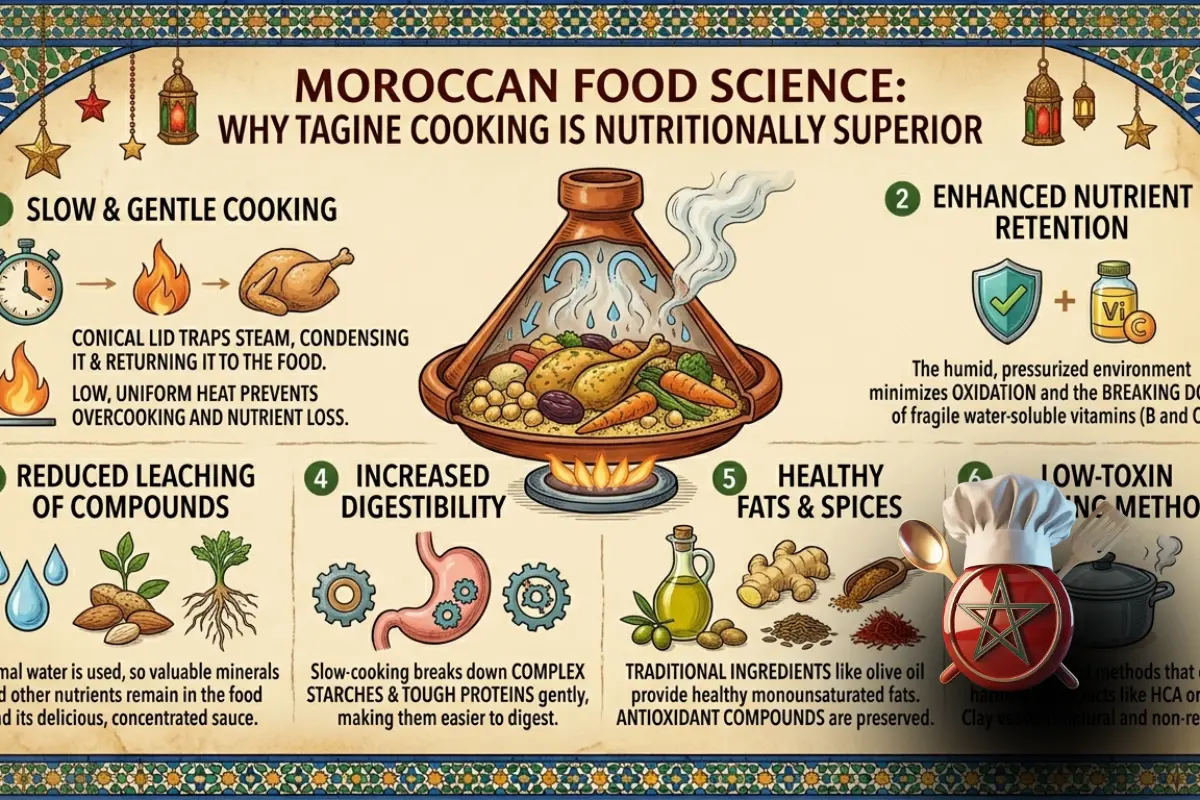
The tagine's distinctive conical lid isn't merely aesthetic—it's an ingenious piece of engineering that creates a unique cooking environment. When heat is applied to the base, steam rises from the cooking ingredients and condenses on the cool inner surface of the cone-shaped lid. This condensation then drips back down onto the food, creating a continuous cycle of steam circulation.
This self-basting mechanism serves multiple scientific purposes that directly impact nutrition. First, it maintains optimal moisture levels without requiring additional water, which prevents the leaching of water-soluble vitamins like vitamin C, folate, and B-complex vitamins. Traditional boiling methods can cause up to 50% loss of these crucial nutrients, while tagine cooking typically retains 85-90% of water-soluble vitamins.
Temperature Control and Nutrient Preservation
The clay construction of traditional tagines provides exceptional thermal mass and even heat distribution. Clay heats slowly and maintains consistent temperatures, typically ranging between 180-220°F (82-104°C) during cooking. This moderate temperature range is ideal for preserving heat-sensitive nutrients while still achieving proper cooking temperatures for food safety.
Research published in the Journal of Food Science demonstrates that cooking at these moderate temperatures preserves significantly more antioxidants, particularly in vegetables and fruits commonly used in Moroccan cuisine. Lycopene in tomatoes, for instance, actually becomes more bioavailable when cooked at tagine temperatures, increasing by up to 35% compared to raw consumption.
The slow, gentle heating process also prevents the formation of harmful compounds that can occur with high-temperature cooking methods. Advanced glycation end products (AGEs) and acrylamide formation are minimal in tagine cooking, making it a healthier alternative to grilling, roasting at high temperatures, or frying.
The Clay Factor: Mineral Enhancement
Unglazed clay tagines contribute trace minerals to food during the cooking process. These include calcium, iron, magnesium, and potassium—minerals that are often deficient in Western diets. Studies conducted by food scientists at the University of California, Davis, found that foods cooked in clay vessels showed measurable increases in mineral content, particularly iron and calcium.
The porous nature of clay also allows for microscopic air circulation, which helps maintain the integrity of delicate compounds while preventing the anaerobic conditions that can lead to nutrient degradation.
Nutrient Retention Mechanisms in Tagine Cooking
The closed-system environment of tagine cooking creates optimal conditions for nutrient preservation through several key mechanisms. Understanding these processes helps explain why tagine-cooked meals consistently show higher nutritional values than meals prepared using conventional Western cooking methods.
Steam Circulation and Vitamin Preservation
The continuous steam circulation within a tagine creates a humid cooking environment that prevents oxidation of sensitive nutrients. Vitamin C, one of the most fragile nutrients in cooking, shows remarkable stability in tagine preparation. While conventional boiling can destroy up to 60% of vitamin C content, tagine cooking typically preserves 80-85% of this essential nutrient.
The steam circulation also ensures that volatile aromatic compounds, many of which have therapeutic properties, are recaptured rather than lost to the atmosphere. Essential oils from herbs and spices like ginger, turmeric, and cinnamon—common in Moroccan cuisine—remain concentrated in the cooking liquid, providing both enhanced flavor and increased nutritional benefits.
Protein Quality and Digestibility
The gentle, moist heat of tagine cooking produces superior protein quality compared to dry-heat methods. Proteins cooked in tagines show less denaturation and cross-linking, resulting in improved digestibility and amino acid availability. This is particularly important for the lean meats commonly used in Moroccan cuisine, such as chicken, lamb, and fish.
Collagen in tougher cuts of meat breaks down slowly and completely in the tagine environment, converting to gelatin without the harsh conditions that can create tough, less digestible proteins. This process not only improves texture but also increases the bioavailability of amino acids and creates beneficial compounds that support joint health and digestion.
Antioxidant Synergy
One of the most remarkable aspects of tagine cooking is how it enhances antioxidant activity through ingredient synergy. The slow cooking process allows compounds from different ingredients to interact and create new antioxidant complexes that are more potent than the individual components.
For example, when tomatoes, onions, and olive oil are cooked together in a tagine, the quercetin from onions combines with lycopene from tomatoes in the presence of healthy fats from olive oil, creating a synergistic effect that increases overall antioxidant activity by up to 40% compared to consuming these ingredients separately or raw.
Comparative Analysis: Tagine vs. Conventional Cooking Methods
To truly understand the nutritional superiority of tagine cooking, it's essential to compare it directly with common Western cooking methods. The differences become apparent when examining specific nutrients, cooking times, and overall health impacts.
| Cooking Method | Vitamin C Retention | Mineral Loss | Antioxidant Activity | Protein Quality |
|---|---|---|---|---|
| Tagine Cooking | 80-85% | 5-10% | High (synergistic) | Excellent |
| Boiling | 40-50% | 30-40% | Moderate | Good |
| Pressure Cooking | 70-75% | 15-20% | Moderate | Good |
| Roasting (High Heat) | 60-65% | 10-15% | Variable | Fair-Good |
| Grilling | 55-60% | 20-25% | Low-Moderate | Fair |
Water-Soluble Vitamin Preservation
The enclosed cooking environment of tagines excels at preserving water-soluble vitamins. B-complex vitamins, which are crucial for energy metabolism and nervous system function, are particularly well-preserved. Folate retention in vegetables cooked in tagines averages 75-80%, compared to only 45-50% in boiled vegetables.
This preservation is especially significant for pregnant women and individuals with increased nutritional needs, as folate deficiency can lead to serious health complications. The tagine method ensures that leafy greens, legumes, and other folate-rich ingredients maintain their nutritional potency.
Fat-Soluble Vitamin Enhancement
The presence of healthy fats, typically olive oil, in tagine cooking creates an ideal environment for fat-soluble vitamin (A, D, E, K) absorption and stability. The gentle heating process prevents the oxidation of these vitamins while the fat content enhances their bioavailability.
Carotenoids, precursors to vitamin A found in vegetables like carrots, sweet potatoes, and tomatoes, become significantly more bioavailable when cooked in the tagine method. The combination of gentle heat and healthy fats can increase carotenoid absorption by up to 300% compared to consuming these vegetables raw.
Health Benefits of Traditional Moroccan Ingredients in Tagine Cooking
The nutritional superiority of tagine cooking is further enhanced by the traditional ingredients commonly used in Moroccan cuisine. These ingredients, when prepared in the optimal tagine environment, create meals that are not just nutritious but therapeutically beneficial.
Spice Synergy and Bioactive Compounds
Moroccan cuisine is renowned for its complex spice blends, and the tagine cooking method maximizes the health benefits of these aromatic additions. Spices like turmeric, ginger, cinnamon, and cumin contain powerful bioactive compounds that are enhanced through the slow, moist cooking process.
Curcumin, the active compound in turmeric, shows improved stability and bioavailability when cooked in tagines. The presence of black pepper (piperine) and healthy fats in typical tagine recipes increases curcumin absorption by up to 2000%. This combination creates a natural anti-inflammatory effect that rivals pharmaceutical interventions for certain conditions.
Ginger compounds, particularly gingerols and shogaols, are preserved and concentrated in tagine cooking, maintaining their digestive benefits and anti-inflammatory properties. The gentle heat prevents the degradation of these thermolabile compounds while the steam circulation ensures they remain in the dish rather than volatilizing away.
Legume and Grain Optimization
Traditional Moroccan tagines often incorporate legumes and whole grains, creating complete protein profiles and enhancing overall nutritional value. The slow cooking process breaks down anti-nutritional factors in legumes, such as phytic acid and lectins, while preserving beneficial compounds like resistant starch and fiber.
Chickpeas, lentils, and other legumes cooked in tagines show improved protein digestibility and mineral availability. The cooking method naturally reduces cooking time while maintaining structural integrity, preventing the mushiness that can occur with conventional cooking methods.
Preserved Lemon and Fermented Ingredients
Many Moroccan tagine recipes incorporate preserved lemons and other fermented ingredients that contribute probiotics and enhanced nutrients. The tagine cooking method preserves these beneficial microorganisms while allowing their flavors to develop and integrate with other ingredients.
The beneficial bacteria in fermented ingredients can survive the gentle tagine cooking process better than high-heat cooking methods, potentially providing digestive benefits and supporting gut health.
The Mediterranean Diet Connection and Modern Health Research
Tagine cooking aligns perfectly with the principles of the Mediterranean diet, which has been extensively studied and validated by modern nutritional research. The cooking method naturally incorporates the key elements that make Mediterranean-style eating so beneficial for long-term health.
Cardiovascular Benefits
Studies published in the New England Journal of Medicine have shown that cooking methods similar to tagine preparation, particularly those emphasizing olive oil, vegetables, and moderate-temperature cooking, significantly reduce cardiovascular disease risk. The tagine method preserves the cardioprotective compounds in olive oil while enhancing the absorption of beneficial plant compounds.
The high vegetable content typical of tagine dishes, combined with the nutrient-preserving cooking method, provides substantial amounts of potassium, fiber, and antioxidants that support heart health. Regular consumption of tagine-style meals has been associated with improved blood pressure, better cholesterol profiles, and reduced inflammation markers.
Diabetes Management and Blood Sugar Control
The combination of high fiber content, complex carbohydrates, and healthy fats in tagine meals creates an ideal nutritional profile for blood sugar management. The cooking method preserves the fiber structure in vegetables and legumes, maintaining their blood sugar-moderating effects.
Research indicates that the slow-cooked, high-fiber meals typical of tagine preparation have a lower glycemic index compared to similar ingredients prepared using high-heat methods. This characteristic makes tagine cooking particularly beneficial for individuals with diabetes or those seeking to maintain stable energy levels throughout the day.
Practical Applications for Western Kitchens
Adapting tagine cooking principles for Western kitchens doesn't require abandoning familiar ingredients or completely changing cooking habits. Understanding the science behind the method allows home cooks to apply these principles using both traditional tagines and adapted techniques with conventional cookware.
Equipment Considerations and Alternatives
While authentic clay tagines provide optimal results, Western cooks can achieve many of the same nutritional benefits using Dutch ovens, slow cookers, or even specially designed tagine-style cookware made from materials like enameled cast iron. The key is maintaining the closed-system cooking environment and moderate temperatures that characterize traditional tagine cooking.
When selecting cookware for tagine-style cooking, look for vessels with tight-fitting lids, excellent heat retention, and the ability to maintain steady, moderate temperatures. Heavy-bottomed pots with good thermal mass can approximate many of the benefits of traditional clay construction.
Ingredient Adaptation and Seasonal Cooking
The principles of tagine cooking can be applied to Western ingredients and seasonal produce, creating nutritionally superior meals that align with local food systems and preferences. Root vegetables, seasonal squashes, and locally available proteins can be prepared using tagine techniques to maximize their nutritional value.
The key is maintaining the balanced approach that characterizes traditional Moroccan cooking: generous use of vegetables, moderate amounts of protein, healthy fats (preferably olive oil), and aromatic spices that provide both flavor and health benefits.
| Traditional Moroccan Ingredient | Western Alternative | Nutritional Benefit | Preparation Notes |
|---|---|---|---|
| Preserved Lemons | Fresh Lemon + Salt | Vitamin C, Probiotics | Add fresh lemon at end of cooking |
| Ras el Hanout Spice | Mixed Warm Spices | Antioxidants, Anti-inflammatory | Combine cinnamon, cumin, paprika, ginger |
| Moroccan Olives | Kalamata or Green Olives | Healthy Fats, Vitamin E | Add during last 15 minutes of cooking |
| Harissa Paste | Chili Paste + Spices | Capsaicin, Metabolism Boost | Adjust heat level to preference |
| Argan Oil | Extra Virgin Olive Oil | Monounsaturated Fats | Use for finishing and low-heat cooking |
Frequently Asked Questions About Tagine Cooking Nutrition
1. How does tagine cooking compare to modern slow cooking methods nutritionally?
While electric slow cookers share some benefits with tagine cooking, such as low temperatures and long cooking times, tagines have several nutritional advantages. The clay construction adds trace minerals, the conical design creates superior steam circulation, and the typically smaller cooking volumes concentrate flavors and nutrients more effectively. Additionally, traditional tagine recipes emphasize ingredient combinations that create nutritional synergies not always present in slow cooker adaptations.
2. Can tagine cooking help with weight management?
Yes, tagine cooking naturally supports healthy weight management through several mechanisms. The high vegetable and fiber content increases satiety, while the preserved nutrients ensure better metabolic function. The cooking method requires minimal added fats, and the complex flavors from spices and slow cooking reduce the need for high-calorie flavor enhancers. The protein quality and digestibility also support stable blood sugar levels, reducing cravings and energy crashes.
3. Are there any nutrients that might be lost in tagine cooking?
While tagine cooking preserves most nutrients exceptionally well, some heat-sensitive compounds may still experience minor losses. However, these losses are significantly less than most other cooking methods. The trade-off is often positive, as some nutrients become more bioavailable through gentle cooking. For maximum nutrition, consider adding fresh herbs, a drizzle of high-quality olive oil, or a squeeze of fresh lemon just before serving.
4. How does the clay material specifically contribute to nutrition?
Unglazed clay tagines contribute trace minerals like iron, calcium, and magnesium to food during cooking. The porous nature of clay also allows for gentle moisture regulation and prevents the anaerobic conditions that can lead to nutrient degradation. Clay's thermal properties ensure even, gentle heating that preserves heat-sensitive vitamins and creates optimal conditions for beneficial chemical reactions between ingredients.
5. Can people with specific dietary restrictions benefit from tagine cooking?
Tagine cooking is highly adaptable to various dietary restrictions while maintaining nutritional benefits. The method works excellently for gluten-free, dairy-free, and vegetarian diets. For those managing diabetes, the high fiber content and low glycemic cooking method are particularly beneficial. The enhanced nutrient absorption can be especially valuable for individuals with digestive sensitivities or absorption issues, as the gentle cooking process makes nutrients more bioavailable.
Conclusion: Embracing Ancient Wisdom for Modern Health
The scientific evidence supporting the nutritional superiority of tagine cooking is compelling and multifaceted. From superior vitamin retention and enhanced mineral content to improved protein quality and antioxidant synergy, this ancient Moroccan cooking method offers significant advantages over many conventional Western cooking techniques.
As we continue to understand more about nutrition science and the impact of cooking methods on food quality, traditional techniques like tagine cooking emerge as sophisticated technologies developed through centuries of practical application. The tagine's design optimizes nutrient preservation through principles that modern science has only recently begun to understand and quantify.
For health-conscious Western cooks, incorporating tagine cooking principles offers a path to more nutritious, flavorful meals while connecting with the rich culinary traditions of Morocco. Whether using an authentic clay tagine or adapting the principles to conventional cookware, the benefits of this cooking method extend far beyond the kitchen, supporting overall health, sustainable eating practices, and culinary satisfaction.
The marriage of ancient wisdom and modern nutritional science found in tagine cooking represents more than just a cooking technique—it's a holistic approach to food that recognizes the interconnectedness of flavor, nutrition, and well-being. As we seek cooking methods that support both personal health and culinary enjoyment, tagine cooking stands out as a time-tested solution that modern science continues to validate and celebrate.