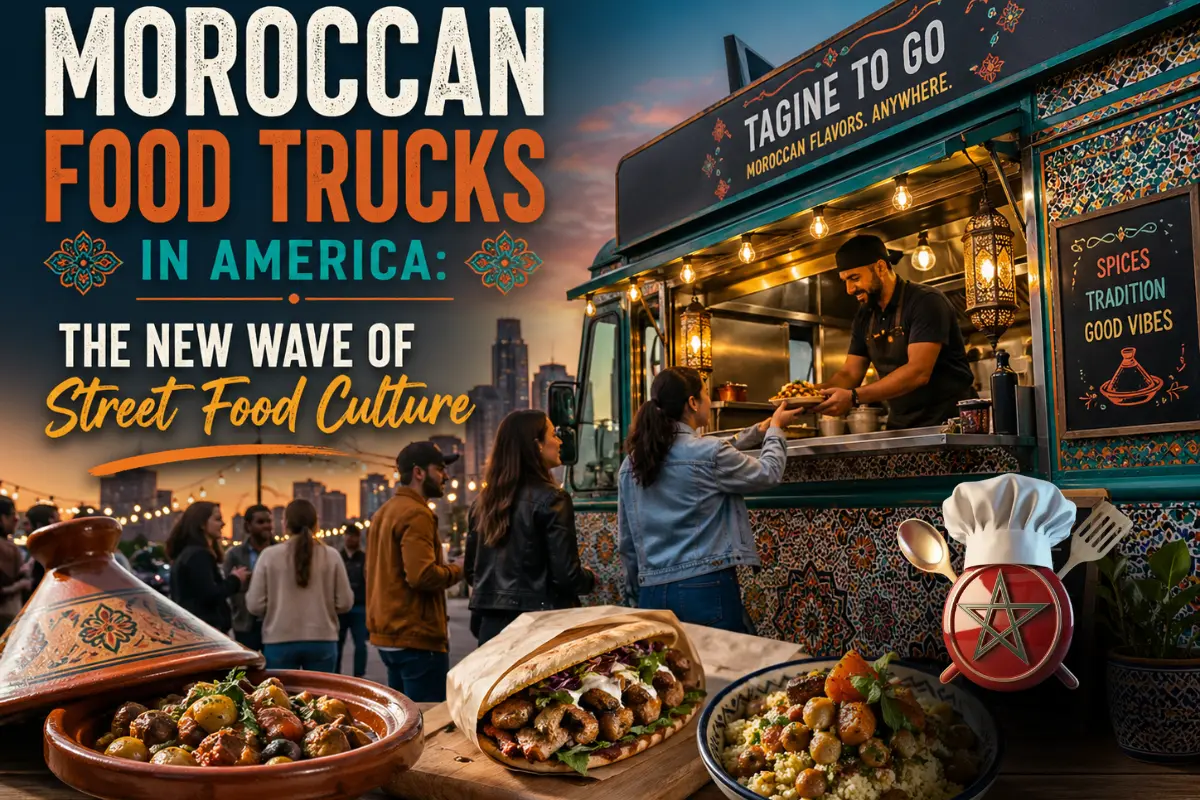
The Rising Tide of Moroccan Flavors on American Streets
The American food truck revolution has welcomed a new and exciting player: Moroccan cuisine. From the bustling streets of New York City to the sunny boulevards of Los Angeles, Moroccan food trucks are introducing American palates to the rich, aromatic world of North African cooking. This culinary movement represents more than just another ethnic food trend; it's a cultural bridge that brings the warmth of Moroccan hospitality and the complexity of centuries-old recipes directly to American neighborhoods.
The emergence of Moroccan food trucks in America reflects the growing appetite for authentic, diverse culinary experiences among American consumers. These mobile kitchens serve as ambassadors of Moroccan culture, offering everything from traditional tagines and couscous dishes to modern fusion creations that blend Moroccan techniques with familiar American flavors. The success of these ventures demonstrates how food can transcend cultural boundaries and create new opportunities for immigrant entrepreneurs while enriching the American dining landscape.
The Historical Context of Moroccan Immigration and Culinary Influence
To understand the current wave of Moroccan food trucks, we must first examine the history of Moroccan immigration to the United States. While Moroccan immigration has occurred in waves throughout the 20th and 21st centuries, the most significant influx began in the 1960s and continued through the 2000s. Many Moroccan immigrants settled in major metropolitan areas, bringing with them not only their professional skills but also their culinary traditions.
The initial challenge faced by Moroccan immigrants was the limited availability of familiar ingredients and the general unfamiliarity of American consumers with North African cuisine. Unlike Italian, Mexican, or Chinese food, which had already established footholds in American food culture, Moroccan cuisine remained relatively unknown to mainstream American diners. This created both a challenge and an opportunity for Moroccan entrepreneurs looking to share their culinary heritage.
The food truck model proved to be an ideal solution for several reasons. First, it required significantly less capital investment than opening a traditional restaurant. Second, it allowed for mobility and flexibility in finding the right customer base. Third, the casual, approachable nature of food truck dining made it easier for curious Americans to try unfamiliar foods without the commitment of a full restaurant experience.
Early Pioneers and Their Impact
The first Moroccan food trucks began appearing in major American cities in the early 2010s. These pioneering entrepreneurs faced unique challenges, including educating customers about unfamiliar dishes, sourcing authentic ingredients, and adapting traditional cooking methods to the constraints of a mobile kitchen. Many of these early adopters focused on simplified versions of classic Moroccan dishes, emphasizing the most accessible flavors while gradually introducing more complex preparations as their customer base grew.
One of the key strategies employed by successful Moroccan food truck operators was the emphasis on fresh, healthy ingredients and cooking methods. This aligned well with growing American interest in Mediterranean and Middle Eastern cuisines, which were already recognized for their health benefits. The use of olive oil, fresh vegetables, lean proteins, and aromatic spices resonated with health-conscious American consumers.
Signature Dishes and Menu Adaptations
Moroccan food trucks have had to carefully balance authenticity with accessibility, creating menus that honor traditional recipes while appealing to American tastes and expectations. This balancing act has resulted in some creative adaptations and innovative presentations of classic Moroccan dishes.
Traditional Tagines in Mobile Format
The tagine, Morocco's most iconic dish, presents unique challenges for food truck preparation. Traditional tagines require slow cooking in the distinctive cone-shaped clay vessels, which isn't always practical in a mobile kitchen environment. Successful Moroccan food truck operators have developed techniques to recreate the slow-cooked, aromatic flavors of tagines using adapted equipment and preparation methods.
Popular tagine variations offered by American Moroccan food trucks include:
- Chicken tagine with preserved lemons and olives
- Lamb tagine with apricots and almonds
- Vegetable tagine with seasonal produce
- Fish tagine with chermoula marinade
- Beef tagine with prunes and cinnamon
These dishes are often served over couscous or rice, making them more familiar and accessible to American diners while maintaining their authentic flavor profiles.
Couscous: The Perfect Food Truck Grain
Couscous has proven to be ideally suited for food truck service. Quick to prepare, versatile, and capable of absorbing and complementing a wide variety of flavors, couscous serves as the foundation for many Moroccan food truck menu items. Operators have created both traditional and fusion couscous dishes, including:
- Traditional couscous with seven vegetables
- Couscous bowls with grilled meats and vegetables
- Mediterranean-style couscous salads
- Sweet couscous with nuts and dried fruits for dessert
- Couscous-stuffed vegetables
Handheld Options and Street Food Adaptations
Recognizing the American preference for handheld, on-the-go food options, many Moroccan food trucks have developed creative ways to present traditional flavors in familiar formats:
- Moroccan-spiced wraps and sandwiches: Using traditional spice blends like ras el hanout to season familiar proteins
- Bastilla-inspired pastries: Simplified versions of the traditional pigeon pie, often made with chicken or vegetables
- Moroccan sliders: Small sandwiches featuring traditional fillings like kefta or mechoui
- Samosas and briouats: Handheld pastries filled with spiced meat or vegetable mixtures
- Moroccan flatbreads: Various bread-based items featuring traditional toppings and spreads
| Traditional Dish | Food Truck Adaptation | Key Modifications |
|---|---|---|
| Chicken Tagine | Tagine Bowl | Served over couscous in portable container |
| Kefta | Moroccan Meatball Sub | Served in French bread with harissa aioli |
| Bastilla | Chicken Pastry Pocket | Simplified filling, handheld size |
| Mechoui | Spiced Lamb Wrap | Sliced thin, served in pita or tortilla |
| Fish Tagine | Moroccan Fish Tacos | Fusion with Mexican format |
The Business Model and Entrepreneurial Success Stories
The Moroccan food truck business model has proven remarkably adaptable to various American markets and customer bases. Successful operators have developed diverse strategies for building sustainable businesses while maintaining the authenticity that sets them apart from other food truck options.
Startup Costs and Investment Considerations
Starting a Moroccan food truck requires careful consideration of both standard food truck expenses and the unique requirements of North African cuisine. Initial investments typically range from $75,000 to $200,000, depending on the size and sophistication of the operation. Key cost factors include:
- Food truck purchase or lease: $40,000-$120,000
- Kitchen equipment and modifications: $15,000-$40,000
- Initial inventory and specialty ingredients: $5,000-$10,000
- Permits and licensing: $2,000-$8,000
- Insurance and bonds: $3,000-$8,000 annually
- Marketing and branding: $2,000-$5,000
Many successful Moroccan food truck entrepreneurs emphasize the importance of starting with high-quality equipment that can handle the specific demands of North African cooking, particularly the need for slow-cooking capabilities and spice storage systems.
Location Strategy and Customer Development
Moroccan food truck operators have developed sophisticated approaches to location selection and customer development. Unlike trucks serving more familiar cuisines, Moroccan food trucks often need to invest extra time in customer education and relationship building.
Successful location strategies include:
- University campuses: College students tend to be more adventurous eaters and appreciate affordable, healthy options
- Business districts: Office workers seeking lunch alternatives are often willing to try new cuisines
- Food truck festivals and events: These venues attract food enthusiasts looking for unique experiences
- Cultural events and neighborhoods: Areas with diverse populations or cultural celebrations provide natural audiences
- Farmers markets: The emphasis on fresh, natural ingredients aligns with market values
Case Study: Success Stories Across America
Several Moroccan food truck operators have achieved remarkable success, building loyal customer bases and even expanding to multiple trucks or brick-and-mortar locations. These success stories share common elements of authenticity, quality, and community engagement.
The Marrakech Express - Portland, Oregon: Started by a Moroccan immigrant and his American partner, this truck has become a fixture in Portland's food scene. Their success stems from their commitment to using only authentic spices imported from Morocco and their willingness to educate customers about traditional preparations.
Sahara Bites - Austin, Texas: This family-operated truck has built a following by adapting traditional recipes for Texas palates while maintaining authentic flavors. Their breakfast tagines and Moroccan coffee service have created a unique niche in Austin's competitive food truck market.
Atlas Kitchen - New York City: Operating multiple trucks across the city's boroughs, Atlas Kitchen has succeeded by focusing on quick service versions of traditional dishes and building relationships with regular customers through social media engagement and consistent quality.
Cultural Impact and Community Building
Beyond their commercial success, Moroccan food trucks have played an important role in cultural exchange and community building. These mobile ambassadors of Moroccan culture have created opportunities for meaningful interactions between Moroccan immigrants and their American neighbors.
Educational Role and Cultural Exchange
Many Moroccan food truck operators see themselves as cultural educators as well as business owners. They regularly engage with customers to explain ingredients, cooking methods, and the cultural significance of various dishes. This educational aspect has helped demystify Moroccan cuisine and build appreciation for North African culture more broadly.
Common educational strategies include:
- Menu descriptions that explain traditional ingredients and preparation methods
- Sampling programs that allow customers to try small portions of unfamiliar items
- Social media content that shares cultural context and cooking tips
- Participation in cultural festivals and community events
- Collaboration with local schools and organizations for educational programs
Building Bridges Between Communities
Moroccan food trucks often serve as meeting points for diverse communities. Regular customers frequently include both Moroccan immigrants seeking familiar flavors and Americans discovering new cuisines. This natural mixing has created opportunities for cross-cultural friendships and understanding.
Many operators report that their trucks have become informal community centers where regular customers from different backgrounds interact and share experiences. This community-building aspect has been particularly valuable in areas with growing immigrant populations.
Supporting Other Moroccan Businesses
Successful Moroccan food trucks often become anchors for broader networks of Moroccan and North African businesses. They frequently source ingredients from Moroccan importers, work with Moroccan suppliers for equipment and decoration, and recommend other Moroccan-owned businesses to their customers.
This network effect has helped strengthen Moroccan business communities in various American cities and created economic opportunities beyond the food truck industry itself.
Challenges and Adaptations in the American Market
Operating a Moroccan food truck in America presents unique challenges that require creative solutions and cultural sensitivity. Understanding these challenges provides insight into the resilience and adaptability of Moroccan entrepreneurs in the American food service industry.
Ingredient Sourcing and Authenticity
One of the most significant challenges faced by Moroccan food truck operators is sourcing authentic ingredients. Many traditional Moroccan ingredients are not readily available through standard food service suppliers, requiring operators to develop relationships with specialty importers or adapt recipes to use available substitutes.
Key sourcing challenges include:
- Preserved lemons: Essential for many tagines, these must often be made in-house or sourced from specialty suppliers
- Ras el hanout: This complex spice blend is often mixed by operators themselves to ensure authenticity
- Argan oil: Expensive and limited availability makes it challenging to use in high-volume operations
- Specific olive varieties: Traditional Moroccan olives are often substituted with more available varieties
- Harissa paste: Quality varies significantly among available products, leading many operators to make their own
Successful operators have addressed these challenges by building relationships with Moroccan importers, making certain items in-house, and educating customers about necessary adaptations without compromising essential flavors.
Regulatory and Certification Issues
Moroccan food truck operators must navigate complex regulatory environments that may not account for traditional cooking methods or ingredients. This is particularly challenging for operators seeking halal certification, which is important for both Muslim customers and others seeking high-quality meat products.
Common regulatory challenges include:
- Health department approval for traditional cooking methods
- Halal certification processes and maintenance
- Import regulations for specialty ingredients
- Fire safety considerations for traditional cooking equipment
- Waste disposal regulations for food trucks
Weather and Seasonal Considerations
Unlike restaurant operators, food truck entrepreneurs must deal with weather-related challenges that can significantly impact their business. Moroccan food, with its emphasis on warm, aromatic dishes, faces particular challenges in adapting to different climates and seasons.
| Season | Challenges | Menu Adaptations | Operational Changes |
|---|---|---|---|
| Summer | Heat makes hot dishes less appealing | Cold couscous salads, iced mint tea | Earlier operating hours, shade structures |
| Winter | Limited outdoor dining, harsh weather | Hearty tagines, hot beverages | Indoor locations, weather protection |
| Spring | Variable weather conditions | Fresh vegetable dishes, lighter options | Flexible scheduling, diverse menu |
| Fall | Seasonal ingredient availability | Harvest-themed dishes, warming spices | Stock management, preservation techniques |
The Future of Moroccan Food Trucks in America
The success of Moroccan food trucks in America appears to be sustainable and growing, with several trends suggesting continued expansion and evolution of this culinary movement. Understanding these trends provides insight into the future direction of Moroccan cuisine in the American food landscape.
Technology Integration and Modern Operations
Like other sectors of the food service industry, Moroccan food trucks are increasingly adopting technology to improve operations and customer experience. This includes:
- Mobile ordering apps: Custom applications that allow customers to pre-order and pay, reducing wait times
- Social media marketing: Instagram and TikTok presence showcasing colorful, photogenic Moroccan dishes
- GPS tracking: Real-time location sharing with customers through social media and apps
- Point-of-sale systems: Modern payment processing including contactless options
- Inventory management: Digital systems for tracking ingredients and managing costs
Expansion and Franchising Opportunities
Several successful Moroccan food truck operators are exploring expansion opportunities, including additional trucks, brick-and-mortar locations, and franchising models. This expansion represents both the success of the initial ventures and the growing demand for authentic Moroccan cuisine.
Expansion strategies being employed include:
- Multi-truck operations serving different neighborhoods or events
- Catering services for corporate and private events
- Fast-casual restaurant concepts based on successful truck operations
- Franchising opportunities for other entrepreneurs
- Product lines featuring signature spice blends and sauces
Fusion and Innovation Trends
The future of Moroccan food trucks likely includes continued innovation and fusion with other culinary traditions. This evolution reflects both the creativity of Moroccan entrepreneurs and the American appetite for novel food experiences.
Emerging fusion trends include:
- Moroccan-Mexican fusion: Tagine-spiced tacos and burritos
- Moroccan-American comfort food: Harissa mac and cheese, Moroccan-spiced burgers
- Health-conscious adaptations: Quinoa couscous, cauliflower tagines
- Dessert innovations: Moroccan-spiced ice creams and modern pastries
- Beverage programs: Moroccan tea cocktails and specialty coffee drinks
Frequently Asked Questions
What makes Moroccan food trucks different from other ethnic food trucks?
Moroccan food trucks distinguish themselves through their use of complex spice blends like ras el hanout, traditional slow-cooking techniques adapted for mobile service, and the emphasis on communal-style dishes like tagines and couscous. The cuisine offers unique flavor profiles that combine sweet and savory elements, often featuring ingredients like preserved lemons, olives, and dried fruits that are uncommon in other food truck cuisines. Additionally, many Moroccan food trucks emphasize the cultural and educational aspects of their service, helping customers understand the history and preparation methods behind the dishes.
Are Moroccan food trucks typically halal-certified?
Many Moroccan food trucks do pursue halal certification, as it's important to both Muslim customers and operators. However, not all Moroccan food trucks are halal-certified, as the certification process can be complex and costly for small businesses. Customers interested in halal options should ask operators directly about their certification status. Some trucks may follow halal practices without formal certification, while others may offer both halal and non-halal options clearly marked on their menus.
What are the most popular dishes offered by Moroccan food trucks?
The most popular dishes typically include chicken tagine with preserved lemons and olives, lamb tagine with apricots, couscous bowls with various toppings, kefta (spiced meatballs), and Moroccan-spiced wraps or sandwiches. Many trucks also offer vegetarian options like vegetable tagines and couscous salads. Sides often include Moroccan bread, olives, and small salads, while beverages might include mint tea and fresh fruit juices. The specific offerings vary by truck, but most focus on dishes that can be prepared efficiently and eaten easily.
How do Moroccan food trucks handle dietary restrictions and allergies?
Most Moroccan food truck operators are experienced in accommodating various dietary needs, as traditional Moroccan cuisine naturally includes many vegetarian and gluten-free options. Common accommodations include vegetable-only tagines for vegetarians, rice substitutions for those avoiding gluten in couscous, and dairy-free preparations since much traditional Moroccan cooking relies on olive oil rather than dairy products. However, customers with severe allergies should always communicate directly with operators, as cross-contamination can occur in small kitchen spaces, and some dishes may contain nuts or other allergens.
What should first-time customers expect when visiting a Moroccan food truck?
First-time customers should expect friendly, educational service from operators who are often eager to explain their dishes and ingredients. The food may take slightly longer to prepare than typical fast food, as many items are cooked to order or require reheating of slow-cooked components. Flavors will likely be more complex and aromatic than familiar cuisines, with unexpected combinations of sweet and savory elements. Most trucks offer sampling opportunities or can recommend milder dishes for those concerned about spice levels. Customers should also expect generous portions, as Moroccan hospitality traditionally emphasizes abundance and sharing.
Conclusion: A Lasting Impact on American Food Culture
The emergence and growth of Moroccan food trucks in America represents more than a simple business trend; it reflects the dynamic, evolving nature of American food culture and its capacity to embrace and integrate diverse culinary traditions. These mobile ambassadors of Moroccan cuisine have successfully introduced millions of Americans to the rich flavors, aromatic spices, and generous hospitality that characterize North African cooking.
The success of Moroccan food trucks demonstrates the power of authentic, quality food to transcend cultural boundaries and build bridges between communities. Through their commitment to traditional flavors, willingness to educate customers, and creative adaptations for American palates, Moroccan food truck operators have carved out a sustainable niche in the competitive American food service industry.
As these businesses continue to evolve and expand, they will undoubtedly face new challenges and opportunities. However, their track record of adaptability, community engagement, and culinary excellence suggests that Moroccan food trucks will remain a vibrant and growing part of America's diverse food landscape. For American food lovers, this means continued access to authentic, delicious, and culturally rich dining experiences that broaden palates and deepen understanding of the world's culinary traditions.
The story of Moroccan food trucks in America is ultimately a story of successful cultural integration, entrepreneurial spirit, and the universal appeal of good food shared with warmth and generosity. As these businesses continue to thrive and expand, they serve as inspiring examples of how food can serve as a bridge between cultures and create opportunities for mutual understanding and appreciation.