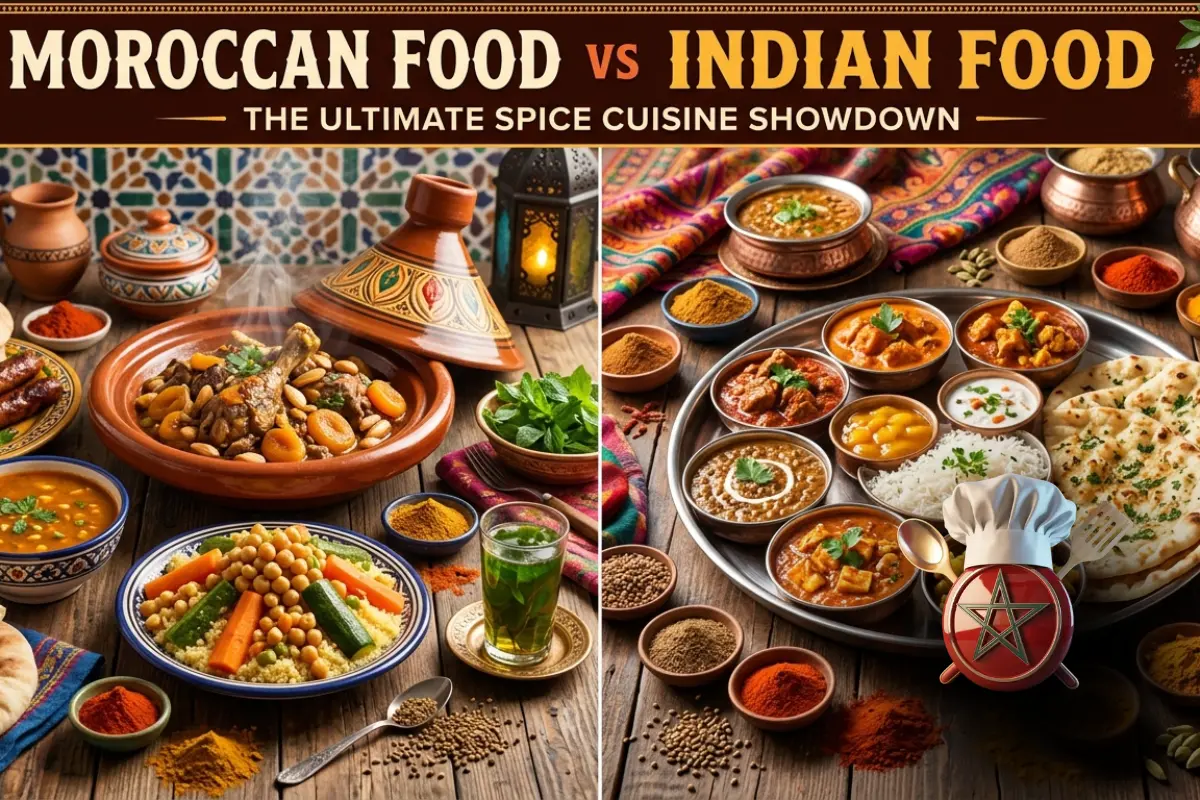
The Great Spice Wars: When Two Culinary Giants Collide
In the vast landscape of world cuisine, few culinary traditions command as much respect and fascination as Moroccan and Indian food. Both cultures have mastered the art of spice blending, creating complex flavor profiles that have enchanted palates across the globe for centuries. While geographically separated by the Arabian Sea and vast stretches of desert, these two culinary powerhouses share a common thread: their profound understanding of how spices can transform simple ingredients into extraordinary gastronomic experiences.
The comparison between Moroccan and Indian cuisine is not merely about determining which is superior – it's about celebrating the unique approaches each culture has developed to harness the power of spices. From the aromatic tagines of Marrakech's bustling souks to the fiery curries of Mumbai's street food vendors, both cuisines offer distinct philosophies on flavor, technique, and cultural expression through food.
For Western food enthusiasts eager to explore beyond familiar territory, understanding these two magnificent culinary traditions opens doors to a world of authentic flavors, time-honored cooking methods, and rich cultural heritage. Whether you're drawn to the subtle sweetness of Moroccan preserved lemons or the bold heat of Indian chilies, this comprehensive comparison will guide you through the fascinating similarities and striking differences between these two spice-driven cuisines.
Historical Foundations and Cultural Influences
The culinary identities of Morocco and India have been shaped by centuries of trade, conquest, and cultural exchange, resulting in two distinctly different yet equally sophisticated food traditions. Understanding the historical context of each cuisine provides crucial insight into why these culinary styles developed their unique characteristics.
Morocco's Culinary Evolution
Moroccan cuisine represents one of the world's most successful culinary fusion stories, born from the intersection of Berber, Arab, Moorish, and French influences. The indigenous Berber people, who inhabited North Africa long before Arab conquest, established the foundation of Moroccan cooking with their use of local ingredients like argan oil, dates, and indigenous grains. When Arab traders arrived in the 7th century, they brought with them sophisticated spice knowledge and preservation techniques that would become hallmarks of Moroccan cuisine.
The Moorish period, spanning from the 8th to 15th centuries, introduced the concept of sweet and savory combinations that define many classic Moroccan dishes today. The famous combination of meat with dried fruits, honey, and warming spices can be traced directly to this era. Later, the French protectorate period (1912-1956) added European techniques and ingredients, creating the refined presentation style that characterizes modern Moroccan cuisine.
Trade routes crossing Morocco connected Sub-Saharan Africa with Mediterranean Europe, making the country a natural spice hub. This strategic position allowed Moroccan cooks to access ingredients from multiple continents, leading to the development of complex spice blends like ras el hanout, which can contain up to 35 different spices.
India's Spice Heritage
Indian cuisine's development spans over 4,000 years, making it one of the world's oldest continuous culinary traditions. The subcontinent's favorable climate and geography made it the natural birthplace of many spices that would later become global commodities. Black pepper, cardamom, cinnamon, and turmeric all originated in different regions of India, giving local cooks an extraordinary palette of flavors to work with from the earliest times.
The Mughal invasions of the 16th and 17th centuries profoundly influenced Indian cuisine, particularly in northern regions. Mughal emperors brought Persian cooking techniques, including the use of yogurt marinades, slow-cooking methods, and elaborate rice preparations. This influence created the rich, cream-based curries and biryanis that many Westerners associate with Indian cuisine today.
Regional diversity within India created distinct culinary schools: the coconut-rich coastal cuisines of Kerala and Goa, the vegetarian traditions of Gujarat and Rajasthan, the rice-centric dishes of Bengal, and the bread-focused foods of Punjab. This diversity means that "Indian cuisine" actually encompasses dozens of regional cooking styles, each with unique spice combinations and techniques.
The British colonial period introduced new ingredients like potatoes, tomatoes, and chilies (originally from the Americas), which quickly became integral to Indian cooking. Ironically, many dishes now considered quintessentially Indian, such as aloo gobi (potato and cauliflower curry), were impossible before colonial-era ingredient exchanges.
Spice Philosophy and Flavor Profiles
The fundamental difference between Moroccan and Indian cuisine lies not just in which spices they use, but in how they conceptualize the role of spices in creating flavor harmony. Each tradition has developed sophisticated philosophies about spice combination that reflect deeper cultural values and aesthetic principles.
The Moroccan Approach: Subtle Complexity and Sweet Harmony
Moroccan spice philosophy centers on achieving balance through layering complementary flavors rather than creating intensity through heat. The concept of "mshaltet" (meaning "mixed" or "blended") guides Moroccan cooks in creating spice combinations where no single element dominates, but rather all components work together to create a harmonious whole.
The signature Moroccan spice blend, ras el hanout, literally translates to "head of the shop," indicating the spice merchant's finest offerings. Traditional ras el hanout might include cardamom, cumin, coriander, cinnamon, turmeric, ginger, black pepper, cloves, nutmeg, mace, allspice, dried rosebuds, and lavender. The exact combination varies by region and family tradition, but the goal remains consistent: creating a warm, aromatic blend that enhances rather than masks the natural flavors of ingredients.
Moroccan cuisine embraces the interplay between sweet and savory elements, often incorporating honey, dates, apricots, or almonds into meat dishes. This sweet-savory balance reflects the influence of Persian and Moorish culinary traditions, where sugar and spice combinations were considered the height of sophistication. The use of preserved lemons adds a unique salty-tart element that has no equivalent in Indian cuisine, providing brightness that cuts through rich, slow-cooked stews.
Heat in Moroccan cuisine comes primarily from black pepper and occasionally harissa (a chili paste), but the goal is never to create overwhelming spiciness. Instead, warmth comes from "heating" spices like cinnamon, ginger, and cloves, which create a sensation of internal warmth without burning the palate.
The Indian Approach: Bold Intensity and Regional Variation
Indian spice philosophy operates on entirely different principles, emphasizing the creation of distinct flavor experiences that can range from mild and creamy to intensely hot and complex. The concept of "masala" (spice mixture) in Indian cooking is not about achieving uniform balance, but rather about creating specific flavor profiles that complement particular ingredients or cooking methods.
Garam masala, India's most famous spice blend, typically contains "warm" spices like cardamom, cinnamon, cloves, black peppercorns, and bay leaves. Unlike ras el hanout, garam masala is usually added at the end of cooking to preserve the volatile oils that provide its distinctive aroma. The philosophy behind garam masala reflects Ayurvedic principles, where spices are chosen not only for flavor but for their believed effects on digestion and health.
Regional Indian spice philosophies vary dramatically. South Indian cuisine emphasizes the interplay between heat (from chilies), sourness (from tamarind or curry leaves), and cooling elements (from coconut or yogurt). North Indian cuisine focuses more on rich, warming spice combinations that pair well with dairy products and wheat-based breads. Eastern Indian cuisine incorporates unique elements like panch phoron (five-spice mixture) and emphasizes the subtle use of spices to enhance rather than overpower delicate fish and rice dishes.
The Indian approach to heat is multifaceted, utilizing different types of chilies to create various heat experiences. Kashmiri chilies provide color with mild heat, while bird's eye chilies deliver intense spiciness. Green chilies offer fresh heat, while dried red chilies contribute deep, smoky warmth. This sophisticated understanding of chili varieties allows Indian cooks to create precise heat levels and flavor combinations.
Signature Dishes and Cooking Techniques
The cooking methods employed in Moroccan and Indian cuisines reflect their respective approaches to spice utilization and ingredient treatment. While both traditions emphasize slow cooking and careful spice integration, their techniques and signature dishes showcase fundamentally different culinary philosophies.
Moroccan Culinary Techniques and Iconic Dishes
The tagine represents the pinnacle of Moroccan cooking technique – a method that perfectly embodies the cuisine's emphasis on gentle, slow cooking that allows spices to meld gradually. The distinctive conical lid of the tagine pot creates a unique steam circulation system that keeps ingredients moist while concentrating flavors. This cooking method produces dishes where spices penetrate deeply into ingredients without becoming harsh or overwhelming.
Chicken tagine with preserved lemons and olives exemplifies classic Moroccan technique. The chicken is first browned with onions and ginger, then simmered slowly with saffron, cinnamon, and fresh herbs. The preserved lemons, added near the end of cooking, provide a bright, salty contrast that elevates the entire dish. This technique of adding different ingredients at specific stages ensures that each component retains its distinct character while contributing to the overall harmony.
Lamb tagine with apricots and almonds showcases Morocco's mastery of sweet-savory combinations. The lamb is slow-cooked with warming spices like cinnamon and ginger, while dried apricots add natural sweetness and almonds provide textural contrast. The long cooking process allows tough cuts of meat to become tender while the fruit breaks down slightly, creating a naturally thickened sauce.
Pastilla, Morocco's famous savory-sweet pastry, demonstrates the cuisine's sophisticated layering techniques. Traditional pastilla involves cooking pigeon (or chicken) with onions, parsley, and spices, then layering the mixture with scrambled eggs and crushed almonds between sheets of thin pastry. The entire creation is dusted with cinnamon and powdered sugar, creating a dish that challenges Western preconceptions about appropriate flavor combinations.
Moroccan bread-making represents another crucial technique, with khubz (daily bread) serving as both utensil and accompaniment to most meals. The bread is traditionally baked in communal ovens, creating a social aspect to food preparation that reflects the communal nature of Moroccan dining culture.
Indian Culinary Techniques and Classic Preparations
Indian cooking techniques vary significantly by region, but several methods have become fundamental to the cuisine's identity. The process of tempering (tadka or chaunk) – heating whole spices in oil or ghee until they release their essential oils – forms the foundation of countless Indian dishes. This technique can be applied at the beginning of cooking to create a flavor base, or at the end to provide aromatic finishing.
Butter chicken (murgh makhani) exemplifies North Indian technique, where chicken is first marinated in yogurt and spices, then cooked in a tandoor or under high heat to develop complex flavors through the Maillard reaction. The chicken is then finished in a rich tomato and cream sauce that has been built through careful layering of onions, ginger, garlic, and spices. This two-stage cooking process creates depth that cannot be achieved through single-stage preparation.
Biryani represents perhaps the most sophisticated Indian cooking technique, involving the partial cooking of rice and meat or vegetables separately, then combining them in layers with fried onions, saffron, and ghee before final steam-cooking (dum). This method, inherited from Mughal cuisine, requires precise timing and temperature control to achieve the perfect texture where each grain of rice remains separate while absorbing the flavors of the accompanying ingredients.
South Indian dosa preparation showcases fermentation techniques that create complex flavors through beneficial bacteria. The rice and lentil batter must ferment for 8-12 hours to develop the proper tang and texture, then be cooked on a special griddle to achieve the characteristic crispy texture and subtle sour flavor.
Curry preparation varies enormously across India, but most involve the careful building of flavor bases through the sequential addition of aromatics. A typical curry might begin with whole spices in hot oil, followed by onions cooked until golden, then ginger-garlic paste, ground spices, tomatoes, and finally the main ingredients. Each stage contributes specific flavors and textures that create the final dish's complexity.
Nutritional Profiles and Health Benefits
Both Moroccan and Indian cuisines offer significant nutritional advantages, though their health benefits manifest in different ways due to varying ingredient choices, cooking methods, and traditional dietary patterns. Understanding these nutritional aspects helps Western audiences appreciate these cuisines beyond their exotic flavors.
Moroccan Cuisine's Health Advantages
Moroccan cuisine aligns closely with Mediterranean dietary principles, emphasizing olive oil, fresh vegetables, lean proteins, and moderate portions. The heavy use of olive oil provides monounsaturated fats that support heart health and help with the absorption of fat-soluble vitamins. Many Moroccan dishes are naturally rich in antioxidants from ingredients like turmeric, ginger, cinnamon, and fresh herbs.
The tagine cooking method preserves nutrients exceptionally well because ingredients cook in their own steam with minimal added fats. Vegetables retain their vitamins and minerals while developing deep flavors, making nutritious eating naturally appealing. The slow cooking process also breaks down tough fibers in legumes and vegetables, improving digestibility and nutrient absorption.
Moroccan cuisine's emphasis on legumes provides excellent plant-based protein sources. Dishes like harira soup combine lentils, chickpeas, and vegetables to create complete protein profiles while delivering high fiber content. The frequent use of almonds and other nuts adds healthy fats, protein, and important minerals like magnesium and vitamin E.
The moderate use of meat in traditional Moroccan cuisine, combined with generous portions of vegetables and legumes, creates naturally balanced meals that align with modern nutritional recommendations. When meat is used, it's often in small quantities to flavor larger portions of vegetables and grains, rather than serving as the primary focus of the meal.
Preserved lemons, a uniquely Moroccan ingredient, provide vitamin C and beneficial probiotics from the fermentation process. The high salt content means they should be used in moderation, but their intense flavor allows small amounts to have significant culinary impact.
Indian Cuisine's Nutritional Strengths
Indian cuisine offers remarkable diversity in nutritional profiles, with many regional traditions providing excellent examples of plant-based nutrition. The extensive use of legumes (dal) ensures adequate protein intake even in vegetarian diets, while the combination of rice and lentils creates complete amino acid profiles essential for human health.
The spice-heavy nature of Indian cuisine provides exceptional antioxidant content. Turmeric, with its active compound curcumin, offers powerful anti-inflammatory properties. Studies have suggested that regular consumption of turmeric may help reduce the risk of heart disease, certain cancers, and neurodegenerative conditions. Similarly, other common Indian spices like coriander, cumin, and fenugreek provide various health benefits ranging from digestive support to blood sugar regulation.
Many Indian cooking techniques preserve and enhance nutritional value. The tempering process releases beneficial compounds from whole spices, making them more bioavailable. The common practice of combining turmeric with black pepper increases curcumin absorption by up to 2000%, demonstrating sophisticated understanding of nutrient synergy.
Regional Indian cuisines offer different nutritional advantages. South Indian cuisine's emphasis on fermented foods like idli and dosa provides beneficial probiotics that support digestive health. The frequent use of curry leaves adds significant amounts of vitamin A, vitamin C, and various minerals. Coastal Indian cuisines incorporate coconut, which provides medium-chain fatty acids that may support metabolism and brain function.
However, some popular Indian dishes served in restaurants (particularly in Western adaptations) can be high in saturated fat from cream and ghee. Traditional home cooking typically uses these ingredients more sparingly, focusing on spices and vegetables for flavor rather than heavy dairy products.
| Nutritional Aspect | Moroccan Cuisine | Indian Cuisine |
|---|---|---|
| Primary Cooking Fat | Olive oil (heart-healthy monounsaturated) | Various (ghee, coconut oil, mustard oil) |
| Protein Sources | Moderate meat, legumes, nuts | Heavy legumes, moderate meat, paneer |
| Vegetable Content | High (integral to most dishes) | Very High (many purely vegetarian dishes) |
| Spice Density | Moderate (balanced blends) | High (intense, varied combinations) |
| Fiber Content | High (vegetables, legumes, whole grains) | Very High (heavy legume and vegetable focus) |
| Antioxidant Level | High (diverse spice usage) | Very High (turmeric, diverse spices) |
Ingredient Accessibility and Cooking Adaptation for Western Kitchens
One of the most practical considerations for Western food enthusiasts exploring Moroccan and Indian cuisines is ingredient availability and the adaptability of traditional recipes to typical home kitchens. Both cuisines have become increasingly accessible due to globalization and growing interest in international foods, but they present different challenges and opportunities for the home cook.
Moroccan Ingredients in Western Markets
Moroccan cuisine has the advantage of using many ingredients that are already familiar to Western palates, making it potentially more approachable for newcomers to international cooking. Preserved lemons, once impossible to find outside Morocco, are now available in many specialty food stores and can be easily made at home with just lemons and salt. The month-long preservation process requires patience but minimal skill or equipment.
Ras el hanout, the signature Moroccan spice blend, presents both opportunities and challenges for Western cooks. While pre-made versions are increasingly available in gourmet stores and online, the quality varies significantly, and many commercial blends lack the complexity of traditional homemade versions. However, creating ras el hanout at home allows for customization and ensures freshness, though it requires sourcing individual spices that may not be available in standard supermarkets.
Harissa, the spicy chili paste essential to many Moroccan dishes, has gained popularity in Western markets and is now available in most well-stocked grocery stores. For those who prefer making it fresh, the basic recipe requires only dried chilies, garlic, and basic spices, though traditional versions may include more exotic ingredients like rose petals.
Tagine cooking presents an interesting challenge for Western kitchens. While authentic tagine pots produce superior results, they're not essential for creating delicious Moroccan-inspired dishes. Heavy-bottomed Dutch ovens or slow cookers can successfully replicate the gentle, moist cooking environment that makes tagine dishes special. The key is understanding the principle behind the technique rather than relying solely on specialized equipment.
Moroccan olives, dates, and nuts are generally well-represented in Western markets, though quality can vary significantly. Medjool dates, while not originally Moroccan, provide an excellent substitute for traditional Moroccan date varieties. Similarly, Kalamata olives can substitute for Moroccan olives when authentic varieties are unavailable.
Indian Ingredients and Kitchen Adaptations
Indian cuisine presents a more complex ingredient landscape for Western cooks, primarily due to the sheer diversity of regional ingredients and the importance of using specific varieties of spices, chilies, and specialty items. However, this complexity also offers more opportunities for substitution and adaptation.
Whole spices, fundamental to Indian cooking, are increasingly available in Western supermarkets, though specialty Indian grocery stores offer better selection and prices. The key to successful Indian cooking lies in understanding spice freshness – whole spices retain their potency much longer than pre-ground versions, making a coffee grinder dedicated to spices a worthwhile investment for serious Indian cooking.
Chilies present one of the biggest challenges in adapting Indian recipes for Western kitchens. Many recipes call for specific chili varieties that provide particular heat levels and flavors. While substitutions are possible, understanding the general categories helps: Kashmiri chilies for color with mild heat, cayenne for pure heat without much flavor, and paprika for color without heat. Fresh green chilies can often be substituted with jalapeños or serranos, though the flavor profile will differ slightly.
Curry leaves, essential to South Indian cuisine, remain difficult to find fresh in most Western markets, though frozen versions are increasingly available. While there's no perfect substitute, fresh bay leaves can provide some of the aromatic qualities, though the flavor profile differs significantly. Growing curry leaf plants at home has become popular among serious Indian cooking enthusiasts in suitable climates.
Paneer, the fresh cheese used in many Indian dishes, is now widely available in Western supermarkets, but homemade versions are simple to prepare and often superior in texture and freshness. The basic technique requires only milk and an acid (lemon juice or vinegar), making it accessible to any home cook.
Yogurt plays a crucial role in Indian cooking, both as a marinade component and as a sauce base. Western yogurt varieties work well in most applications, though Greek yogurt's thicker consistency may require thinning for some recipes. The key is using plain, unsweetened yogurt without additives that might affect cooking properties.
Cultural Significance and Dining Traditions
Understanding the cultural context and traditional dining practices of Moroccan and Indian cuisines provides deeper appreciation for these food traditions and helps explain why certain flavor combinations and presentation styles developed as they did. Both cultures view food as much more than mere sustenance, incorporating complex social, religious, and cultural meanings into their culinary practices.
Moroccan Food Culture and Social Customs
Moroccan dining culture emphasizes communal eating and hospitality as fundamental values. Traditional Moroccan meals are designed to be shared, with multiple dishes presented simultaneously rather than in sequential courses. This approach reflects the culture's emphasis on family bonds and community connection, where sharing food creates and reinforces social relationships.
The traditional Moroccan dining setup involves eating around a low, round table called a "tabla," with diners seated on cushions or low stools. Meals typically begin with the ritual hand washing from a pitcher and basin, emphasizing cleanliness and the sacred nature of sharing food. Bread serves as the primary utensil, with diners using pieces of khubz to scoop up stews, salads, and other dishes.
Moroccan tea culture represents one of the world's most sophisticated beverage traditions. The preparation and serving of atai (mint tea) follows precise rituals that demonstrate respect for guests and showcase the host's skill. The tea is poured from a great height to create foam, served in small glasses, and typically consumed in three rounds, each with slightly different flavor characteristics as the tea steeps longer.
Religious influences shape many aspects of Moroccan food culture. Islamic dietary laws (halal) prohibit pork and alcohol, leading to creative approaches to flavor development that don't rely on wine or pork-based fats. Ramadan significantly influences eating patterns, with special dishes prepared for iftar (breaking the fast) and suhoor (pre-dawn meal). Harira soup, traditionally served to break the Ramadan fast, exemplifies how religious observance creates specific culinary traditions.
Moroccan hospitality customs dictate that guests should be offered the best available food, even if it strains the family's resources. The saying "The guest is a blessing from God" reflects the cultural importance of food sharing. Refusing offered food can be considered insulting, while praising the cook and the meal is expected and appreciated.
Indian Food Culture and Regional Variations
Indian food culture varies dramatically by region, religion, and social group, creating one of the world's most complex culinary landscapes. However, certain common threads unite this diversity: the concept of food as medicine (influenced by Ayurveda), the importance of seasonal eating, and the integration of religious and cultural practices into daily dining.
The traditional Indian thali represents the philosophy of balanced nutrition and flavor variety. A proper thali includes multiple small portions of different dishes, ensuring a range of tastes (sweet, sour, salty, bitter, pungent, and astringent), textures, and nutritional components within a single meal. This approach reflects Ayurvedic principles that emphasize balance and variety for optimal health.
Regional dining customs vary significantly across India. South Indian banana leaf meals represent an ancient, eco-friendly serving tradition where the natural oils in banana leaves are believed to enhance food flavors while providing antimicrobial properties. North Indian dining often involves bread as a primary utensil, with various flatbreads used to scoop curries and vegetables.
Religious diversity creates multiple parallel food traditions within Indian culture. Hindu dietary restrictions vary by region and sect, with many avoiding beef and some maintaining complete vegetarianism. Jain dietary laws are even more restrictive, avoiding root vegetables and emphasizing minimal harm to living beings. Muslim communities follow halal guidelines, while Sikh traditions emphasize communal dining (langar) that welcomes all people regardless of background.
Seasonal eating remains deeply embedded in Indian food culture, with traditional calendars dictating which foods are appropriate for different times of year. Summer foods emphasize cooling ingredients like yogurt, cucumber, and mint, while winter dishes incorporate warming spices and heavier preparations. This seasonal approach reflects both practical considerations (food preservation before refrigeration) and Ayurvedic health principles.
Indian festival foods create another layer of culinary tradition, with specific dishes associated with particular celebrations. Diwali sweets, Holi colors (often made from food ingredients), and regional harvest festivals all have associated culinary traditions that reinforce cultural identity and community bonds.
Comparison Tables: At-a-Glance Differences
| Aspect | Moroccan Cuisine | Indian Cuisine |
|---|---|---|
| Heat Level Philosophy | Mild to moderate, warming spices | Varies from mild to extremely hot |
| Sweet Integration | Frequent sweet-savory combinations | Regional variation, often separate |
| Primary Cooking Methods | Slow braising, steaming (tagine) | Multiple: frying, steaming, grilling, slow cooking |
| Bread Importance | Essential as utensil and accompaniment | Regional (crucial in North, less so in South) |
| Dairy Usage | Minimal (some yogurt, occasional cheese) | Extensive (yogurt, paneer, cream, ghee) |
| Vegetarian Options | Limited but flavorful | Extensive, often predominant |
| Preservation Techniques | Salt-curing (preserved lemons), drying | Fermentation, pickling, drying |
| Meal Structure | Multiple dishes served simultaneously | Varies: thali style or sequential courses |
Frequently Asked Questions
Which cuisine is spicier: Moroccan or Indian?
Indian cuisine generally offers much higher heat levels than Moroccan food. While Moroccan cuisine uses "warming" spices like cinnamon, ginger, and black pepper, it rarely aims for the intense chili heat common in many Indian dishes. Indian cuisine varies dramatically by region – South Indian and some North Indian dishes can be extremely spicy, while others are quite mild. Moroccan heat typically comes from black pepper and occasionally harissa, creating warmth rather than burning intensity. If you're sensitive to spicy food, Moroccan cuisine is generally more approachable, while Indian cuisine offers options ranging from mild to extremely hot.
Are these cuisines suitable for vegetarians?
Indian cuisine is exceptionally vegetarian-friendly, with entire regional traditions (like Gujarati cuisine) being predominantly plant-based. Many Indian dishes were specifically developed as vegetarian options, utilizing legumes, vegetables, and dairy products to create satisfying, protein-rich meals. Moroccan cuisine, while not traditionally vegetarian-focused, offers excellent plant-based options including vegetable tagines, couscous dishes, and legume-based preparations. However, vegetarians may find Indian cuisine offers more variety and options specifically designed for meatless eating, while Moroccan vegetarian dishes often require more careful selection or modification of traditional recipes.
Which cuisine is easier for beginners to cook at home?
Moroccan cuisine is generally more approachable for Western home cooks beginning their international cooking journey. The ingredient lists are typically shorter, many components are familiar to Western palates, and the cooking techniques are more forgiving. Tagine-style dishes are essentially slow-cooked stews that are difficult to ruin, while Moroccan spice blends are more balanced and less likely to become overwhelming if measurements are imprecise. Indian cuisine, while incredibly rewarding, often requires more precise spice measurements, unfamiliar ingredients, and techniques like proper tempering that take practice to master. However, both cuisines offer simple entry-point recipes that can build confidence before progressing to more complex dishes.
How do the health benefits of these cuisines compare?
Both cuisines offer significant health advantages, but in different ways. Moroccan cuisine aligns with Mediterranean dietary principles, emphasizing olive oil, moderate meat consumption, abundant vegetables, and antioxidant-rich spices. The tagine cooking method preserves nutrients while developing flavors. Indian cuisine provides exceptional antioxidant content from its heavy spice usage, particularly turmeric with its anti-inflammatory properties. Indian cuisine also offers excellent plant-based protein options through its extensive use of legumes. However, restaurant versions of both cuisines may be higher in fat and sodium than traditional home preparations. Both cuisines emphasize whole foods and complex spice combinations that provide various health benefits beyond basic nutrition.
What equipment do I need to cook authentic dishes from each cuisine?
For Moroccan cuisine, while a traditional tagine pot produces optimal results, it's not essential. A heavy-bottomed Dutch oven or slow cooker can successfully recreate tagine dishes. A couscous pot (couscoussier) is helpful but not required – a steamer basket over a large pot works adequately. Most other Moroccan cooking can be accomplished with standard Western kitchen equipment. Indian cuisine requires more specialized tools for authentic results: a spice grinder (or dedicated coffee grinder) for fresh spice grinding, a pressure cooker for efficient legume cooking, and ideally a heavy-bottomed pot for curry preparation. A tawa (flat griddle) helps with bread making, and a tandoor oven produces superior results for certain dishes, though most Indian recipes can be adapted to conventional ovens and stovetops.
The Verdict: Celebrating Diversity Rather Than Declaring Winners
After exploring the rich traditions, complex flavors, and cultural significance of both Moroccan and Indian cuisines, it becomes clear that declaring a "winner" in this spice cuisine showdown misses the point entirely. These two magnificent culinary traditions represent different philosophies, techniques, and cultural expressions that have each mastered the art of spice utilization in their own unique ways.
Moroccan cuisine offers Western food enthusiasts an approachable entry point into complex international flavors, with its emphasis on balance, subtle sweetness, and warming spices that complement rather than overwhelm. The tagine cooking method and ingredient combinations create comfort food that feels both exotic and familiar, making it an excellent choice for those beginning to explore beyond familiar culinary territories.
Indian cuisine provides an almost infinite variety of flavor experiences, from mild and creamy North Indian dishes to fiery South Indian preparations, offering something for every palate and dietary preference. Its sophisticated understanding of spice combinations, extensive vegetarian traditions, and regional diversity make it a cuisine that can provide a lifetime of culinary exploration.
For the Western home cook, both cuisines offer valuable lessons in flavor development, spice usage, and the cultural significance of food sharing. Moroccan cuisine teaches the art of subtle balance and the beauty of slow cooking, while Indian cuisine demonstrates the power of bold spice combinations and the importance of technique in creating complex flavors.
Rather than choosing between these remarkable traditions, the wise food enthusiast embraces both, learning from each cuisine's unique strengths and incorporating elements from both into their culinary repertoire. Whether you're drawn to the gentle warmth of a Moroccan lamb tagine with apricots or the bold complexity of an Indian curry rich with cardamom and chilies, both cuisines offer authentic, rewarding experiences that expand our understanding of how spices can transform simple ingredients into extraordinary meals.
The ultimate winner in this spice cuisine showdown is the curious cook willing to explore both traditions, appreciating each for its unique contributions to the world's great culinary heritage.