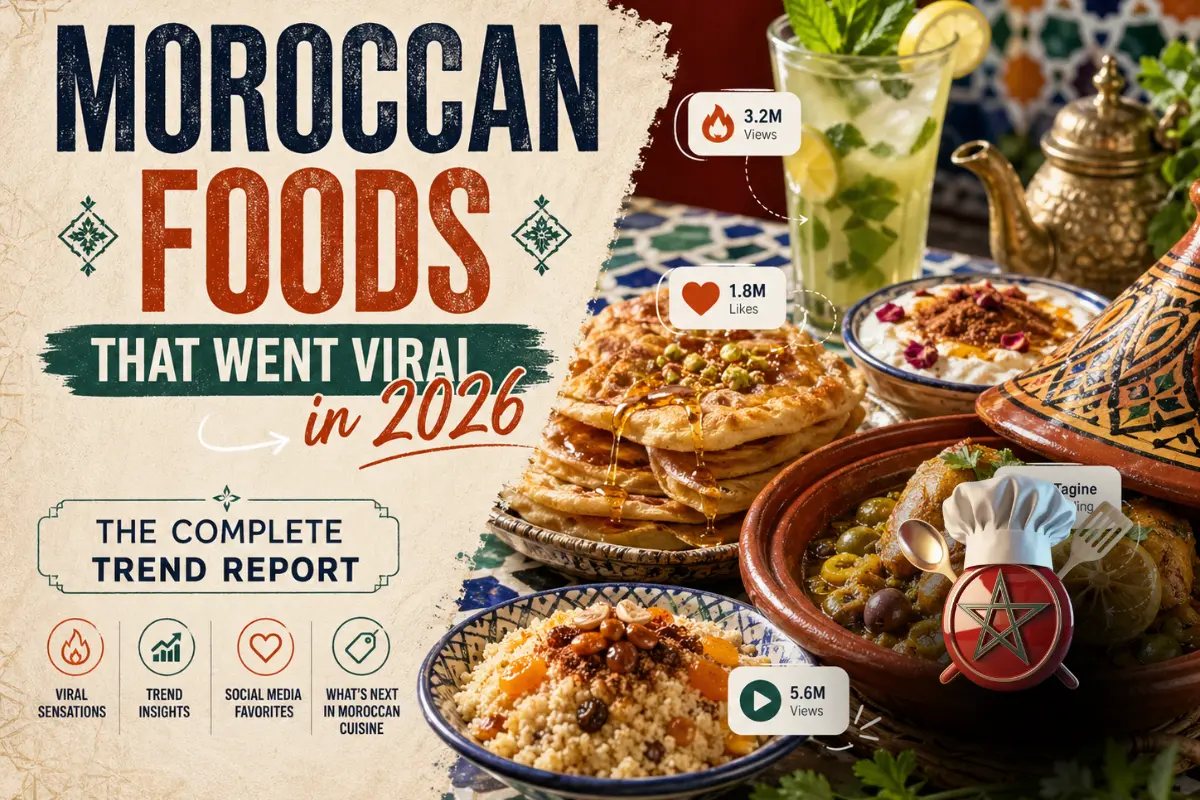
The Moroccan Food Revolution That Conquered Social Media in 2026
The year 2026 marked a pivotal moment in global culinary consciousness as Moroccan cuisine experienced an unprecedented surge in popularity across Western social media platforms. What started as a few viral videos featuring colorful tagines and aromatic spice blends quickly evolved into a full-scale cultural phenomenon that reshaped how American and European audiences perceive North African cuisine. From TikTok's algorithm-driven recipe discoveries to Instagram's aesthetically pleasing food photography, Moroccan dishes captured hearts, minds, and appetites worldwide.
This comprehensive trend report examines the specific Moroccan foods that achieved viral status in 2026, analyzing their cultural significance, nutritional appeal, and the social media strategies that propelled them to international fame. We'll explore how traditional recipes were adapted for Western kitchens, the role of Moroccan influencers in driving these trends, and the lasting impact these viral sensations have had on restaurant menus and home cooking practices across the United States and Europe.
The phenomenon wasn't just about food—it represented a deeper cultural exchange that introduced millions of Westerners to Moroccan traditions, hospitality, and the rich history behind each dish. As we delve into this remarkable culinary journey, we'll uncover the stories behind the most shared, liked, and recreated Moroccan recipes of 2026, providing insights into both their traditional roots and their modern viral appeal.
The Social Media Perfect Storm: How Moroccan Cuisine Captured Digital Hearts
The viral success of Moroccan cuisine in 2026 wasn't accidental—it was the result of a perfect convergence of visual appeal, health consciousness, and authentic storytelling that resonated deeply with Western audiences. Several key factors contributed to this unprecedented digital breakthrough that transformed traditional North African dishes into global sensations.
The visual aesthetics of Moroccan cuisine proved irresistible to social media algorithms and users alike. The vibrant colors of preserved lemons, the golden hues of saffron-infused rice, and the artistic presentation of tagine ingredients created content that was inherently shareable. Food photographers and home cooks discovered that Moroccan dishes possessed an almost magical quality on camera—the steam rising from a freshly opened tagine, the contrast of colorful vegetables against traditional earthenware, and the intricate patterns of Moroccan serving dishes all contributed to content that performed exceptionally well across platforms.
Health-conscious Western consumers found themselves drawn to the nutritional profiles of trending Moroccan dishes. The emphasis on vegetables, legumes, olive oil, and aromatic spices aligned perfectly with contemporary wellness trends. Many viral Moroccan recipes offered plant-forward alternatives to meat-heavy Western dishes while delivering complex flavors that satisfied growing appetites for international cuisine.
The storytelling aspect proved equally crucial to the viral success. Moroccan food creators didn't just share recipes—they shared stories about family traditions, the significance of communal eating, and the cultural heritage embedded in each dish. This authentic narrative approach resonated with Western audiences seeking meaningful connections to food beyond mere sustenance.
Platform-Specific Success Strategies
Different social media platforms played unique roles in amplifying Moroccan food trends throughout 2026. TikTok's short-form video format proved ideal for showcasing the transformation of simple ingredients into complex, flavorful dishes. The platform's algorithm particularly favored content that demonstrated cooking techniques, spice preparation methods, and the dramatic reveal of finished tagine dishes.
Instagram's visual-first approach highlighted the photogenic qualities of Moroccan cuisine, with food stylists and home cooks creating elaborate flat-lay compositions featuring traditional ingredients and finished dishes. The platform's Stories feature became a popular medium for sharing step-by-step cooking processes, while Reels captured the attention-grabbing moments of spice grinding, bread making, and communal eating experiences.
YouTube provided the space for longer-form content that dove deep into Moroccan culinary traditions, featuring collaborations with Moroccan chefs, cultural historians, and food anthropologists. These comprehensive videos educated Western audiences about the cultural context behind trending dishes while providing detailed cooking instructions for complex recipes.
The Magnificent Seven: Moroccan Dishes That Dominated 2026
Seven particular Moroccan dishes emerged as the undisputed viral champions of 2026, each achieving millions of views, shares, and attempted recreations across Western kitchens. These dishes represented a diverse spectrum of Moroccan cuisine, from street food favorites to elaborate celebration meals, each offering unique appeal to different segments of the Western audience.
1. Fermented Grain Buddha Bowls (Couscous Reimagined)
The transformation of traditional couscous into Instagram-worthy Buddha bowls became 2026's most unexpected viral sensation. Moroccan food creators began presenting couscous as the base for colorful, nutritionally balanced bowls topped with roasted vegetables, preserved lemons, harissa-spiced chickpeas, and various traditional condiments. This presentation method made the ancient grain accessible to health-conscious Western consumers familiar with quinoa and grain bowl trends.
The fermentation aspect added another layer of appeal, as creators demonstrated how to prepare traditional fermented couscous at home, tapping into the growing Western interest in fermented foods and gut health. Videos showing the week-long fermentation process garnered millions of views, with home cooks documenting their own fermentation journeys and sharing results across platforms.
The nutritional profile of these bowls perfectly aligned with contemporary dietary preferences—high in fiber, plant-based protein, and beneficial bacteria from fermentation. Western nutritionists and wellness influencers quickly embraced and promoted these bowls as superior alternatives to standard grain-based meals, further amplifying their viral reach.
2. 48-Hour Slow-Cooked Tagines
Traditional tagine cooking methods experienced a renaissance in 2026 as Western food enthusiasts discovered the meditative, slow-cooking approach that produces extraordinarily tender meats and deeply developed flavors. The "48-hour tagine challenge" became a viral trend, with participants documenting the entire cooking process from spice preparation to the final reveal.
These extended cooking videos capitalized on the growing Western appreciation for slow food movements and artisanal cooking techniques. The patience required for authentic tagine preparation appealed to audiences seeking mindful cooking experiences as alternatives to fast-paced modern lifestyles. Home cooks shared time-lapse videos of their tagine journeys, creating communities around shared cooking experiences and recipe variations.
The viral appeal extended beyond the cooking process to include the dramatic presentation moment when the tagine lid is lifted, revealing the aromatic contents within. This "tagine reveal" became a signature moment in viral Moroccan cooking content, consistently generating high engagement rates and encouraging user-generated content recreations.
3. Spiced Ice Cream and Frozen Desserts
Moroccan-spiced frozen desserts emerged as an unexpected viral category in 2026, challenging Western preconceptions about North African cuisine being exclusively savory-focused. Rose water ice cream, saffron gelato, orange blossom sorbet, and cardamom-cinnamon frozen yogurt became social media sensations as creators demonstrated how traditional Moroccan flavor profiles could be adapted for contemporary dessert preferences.
The visual appeal of these desserts proved irresistible to content creators—the golden hues of saffron ice cream, the pale pink tones of rose water preparations, and the artistic garnishes of crushed pistachios and dried rose petals created Instagram-worthy presentations that generated massive engagement.
Western consumers discovered that Moroccan spice combinations offered sophisticated alternatives to standard dessert flavors. The subtle complexity of these spiced desserts appealed to mature palates seeking novel taste experiences while remaining accessible enough for mainstream adoption.
4. Street Food Breakfast Wraps
Moroccan street food culture found new expression in 2026 through viral breakfast wrap creations that adapted traditional flavors for busy Western lifestyles. Msemen flatbreads filled with spiced scrambled eggs, preserved lemon cream cheese, harissa-spiked avocado, and fresh herbs became the year's most copied breakfast trend.
These portable breakfast options perfectly suited contemporary Western eating patterns while introducing complex Moroccan flavors to the most important meal of the day. Food truck operators and café owners quickly adopted these breakfast wrap concepts, creating menu items that capitalized on the viral trend while offering customers authentic taste experiences.
The breakfast wrap trend also highlighted the versatility of Moroccan ingredients in fusion applications, encouraging Western home cooks to experiment with Moroccan spices and condiments in familiar food formats. This accessibility factor contributed significantly to the sustained popularity of these viral breakfast creations.
5. Fermented Preserved Lemon Everything
Preserved lemons experienced an unprecedented surge in Western popularity during 2026, evolving from obscure specialty ingredients to mainstream pantry staples. Viral content creators demonstrated dozens of applications for preserved lemons beyond traditional tagine preparations, incorporating them into salad dressings, pasta sauces, cocktail garnishes, and even dessert preparations.
The fermentation and preservation process itself became viral content, with creators sharing detailed tutorials on home preservation techniques. The visual transformation of fresh lemons into preserved specimens fascinated Western audiences unfamiliar with traditional preservation methods, generating educational content that combined entertainment with practical cooking skills.
Preserved lemons' unique flavor profile—intensely lemony yet mellow, with complex umami undertones—provided Western cooks with a new tool for enhancing familiar dishes with exotic flair. This versatility factor contributed to their sustained viral appeal throughout 2026 and beyond.
6. Interactive Communal Eating Experiences
The Moroccan tradition of communal eating from shared dishes became a viral social media phenomenon in 2026, inspiring Western families and friend groups to recreate these experiences in their own homes. Videos showcasing traditional Moroccan dining etiquette, the art of eating with bread instead of utensils, and the social dynamics of shared meals resonated deeply with Western audiences seeking more meaningful dining experiences.
These communal eating videos often featured elaborate table settings with traditional Moroccan textiles, brass serving vessels, and multiple dish presentations that created visually stunning content. The emphasis on hospitality, conversation, and shared experience provided a stark contrast to typical Western dining practices, appealing to audiences interested in cultural authenticity and social connection.
Restaurants across the United States and Europe began offering "Moroccan communal dining experiences" that capitalized on this viral trend, creating special menu offerings and dining room arrangements that facilitated shared meal experiences inspired by traditional Moroccan hospitality customs.
7. Artisanal Spice Blend Creations
The art of creating custom Moroccan spice blends became a viral DIY trend in 2026, with creators sharing techniques for grinding, blending, and storing traditional spice combinations like ras el hanout, berbere, and specialized tagine seasonings. These educational videos demystified Moroccan spice usage for Western audiences while encouraging experimentation with complex flavor profiles.
The visual appeal of whole spices, grinding processes, and finished blends created compelling content that performed exceptionally well across platforms. Creators often incorporated ASMR elements—the sounds of spice grinding, the visual satisfaction of perfectly blended powders, and the aromatic experience of freshly prepared spice mixtures.
This trend also supported small Moroccan spice merchants and specialty food retailers who experienced significant increases in demand for whole spices and traditional blending tools. The viral popularity of DIY spice blending created new market opportunities while preserving traditional spice preparation knowledge.
The Cultural Bridge: How Viral Foods Connected East and West
The viral success of Moroccan cuisine in 2026 represented more than mere food trends—it facilitated meaningful cultural exchange between Moroccan communities and Western audiences. This digital culinary diplomacy created opportunities for authentic cultural learning while challenging stereotypes and misconceptions about North African cuisine and culture.
Moroccan food creators became cultural ambassadors, sharing not just recipes but stories about family traditions, religious significance of certain dishes, and the historical contexts that shaped contemporary Moroccan cuisine. These narratives provided Western audiences with deeper understanding of Moroccan culture beyond superficial food trends, fostering genuine appreciation for cultural diversity.
The viral phenomenon also created economic opportunities for Moroccan ingredient suppliers, traditional cookware manufacturers, and artisan food producers. Western demand for authentic Moroccan ingredients and cooking equipment generated new export opportunities for Moroccan businesses while ensuring that viral trends supported traditional producers rather than replacing them with Western alternatives.
Educational Impact and Cultural Sensitivity
The 2026 viral trend brought increased awareness of cultural sensitivity issues surrounding food appropriation versus appreciation. Successful Moroccan food creators consistently emphasized the importance of understanding cultural context while encouraging respectful experimentation and adaptation.
Educational institutions across the United States and Europe incorporated Moroccan cuisine into culinary programs, cultural studies courses, and international relations curricula. The viral popularity of these foods created teachable moments about North African history, Islamic dietary principles, and the role of food in cultural identity formation.
Cooking schools and culinary institutes began offering specialized courses in Moroccan cuisine, often featuring guest instructors from Morocco who shared traditional techniques while explaining their cultural significance. These educational initiatives ensured that viral trends translated into lasting knowledge and skills rather than temporary entertainment.
Restaurant Industry Transformation and Menu Adaptations
The viral success of Moroccan cuisine in 2026 prompted significant menu adaptations across restaurant sectors, from fast-casual chains to fine dining establishments. Restaurant operators recognized the commercial potential of incorporating trending Moroccan flavors while navigating the challenges of authentic preparation and ingredient sourcing.
Fast-casual restaurant chains were among the first to capitalize on viral Moroccan food trends, introducing limited-time menu items that featured trending ingredients like preserved lemons, harissa, and ras el hanout spice blends. These menu additions allowed chains to tap into the viral popularity while maintaining operational efficiency and cost control.
Fine dining restaurants approached the trend more thoughtfully, often collaborating with Moroccan chefs to develop fusion concepts that honored traditional techniques while appealing to contemporary Western palates. These collaborations resulted in innovative dishes that combined Moroccan cooking methods with locally sourced ingredients, creating unique culinary experiences that satisfied both trend-conscious diners and culinary purists.
Supply Chain Adaptations
The sudden surge in demand for Moroccan ingredients created supply chain challenges and opportunities throughout 2026. Food distributors scrambled to source authentic ingredients while maintaining quality standards and reasonable pricing for restaurant clients.
Specialty food importers experienced unprecedented demand for traditional Moroccan ingredients, leading to expanded product lines and improved distribution networks. Many importers developed educational resources for restaurant clients, providing guidance on proper storage, handling, and preparation techniques for unfamiliar ingredients.
Local farmers and specialty producers began experimenting with growing traditionally Moroccan ingredients in Western climates, creating domestic supply sources for items like preserved lemons, fresh harissa peppers, and specialty herbs used in Moroccan cuisine. These agricultural adaptations supported the sustainability of viral trends while reducing reliance on imported ingredients.
| Restaurant Segment | Popular Adaptations | Implementation Challenges | Success Metrics |
|---|---|---|---|
| Fast Casual | Moroccan-spiced bowls, harissa sauces, preserved lemon dressings | Ingredient costs, staff training, supply consistency | 15-25% increase in average ticket, improved social media engagement |
| Fine Dining | Traditional tagine services, authentic spice blends, cultural presentations | Chef training, authentic sourcing, cultural sensitivity | Enhanced reputation, increased reservation demand, media attention |
| Food Trucks | Street food wraps, portable tagine bowls, spiced desserts | Limited preparation space, ingredient storage, cost management | Extended operating hours viability, increased customer loyalty |
| Cafés | Moroccan-spiced coffee drinks, breakfast pastries, afternoon snacks | Equipment needs, ingredient integration, staff expertise | Expanded customer base, increased afternoon traffic |
Home Cooking Revolution: Western Kitchens Embrace Moroccan Techniques
The viral popularity of Moroccan cuisine in 2026 translated into significant changes in Western home cooking practices, with amateur cooks investing in traditional equipment, stocking new ingredients, and mastering unfamiliar techniques. This home cooking revolution represented a deeper engagement with Moroccan cuisine than typical food trends, suggesting lasting impact on Western culinary practices.
Sales of traditional Moroccan cooking equipment surged throughout 2026, with tagine pots, couscous steamers, and spice grinders becoming popular kitchen accessories in Western homes. Cookware retailers reported unprecedented demand for authentic Moroccan equipment, leading to expanded product lines and educational resources for home cooks unfamiliar with traditional usage methods.
Spice retailers experienced dramatic increases in demand for whole Moroccan spices, with many Western home cooks abandoning pre-ground seasonings in favor of grinding fresh spices at home. This shift toward whole spice purchasing represented a significant change in Western cooking practices, encouraging more intentional and flavor-focused approaches to seasoning.
Cooking Class Popularity and Skills Development
Cooking schools across the United States and Europe reported overwhelming demand for Moroccan cuisine classes throughout 2026. These classes often featured waiting lists extending several months, demonstrating sustained interest beyond initial viral trends.
Virtual cooking classes became particularly popular, allowing students to learn from Moroccan chefs without geographical limitations. These online educational experiences often included ingredient sourcing guidance, cultural context lessons, and ongoing community support for students practicing new techniques at home.
Home cooking subscription services introduced Moroccan-themed meal kits that provided pre-measured ingredients and detailed instructions for viral recipes. These services made Moroccan cuisine accessible to home cooks intimidated by ingredient sourcing challenges while maintaining authenticity through carefully selected components and traditional preparation methods.
- Essential Equipment Purchases by Western Home Cooks:
- Traditional clay tagine pots for slow-cooking applications
- Couscous steamers for authentic grain preparation
- Mortar and pestle sets for spice grinding
- Traditional serving dishes and communal eating vessels
- Preserved lemon fermentation containers
- Spice storage solutions for whole spice collections
- Traditional bread baking equipment for msemen and khubz
- Tea service sets for authentic Moroccan hospitality experiences
Ingredient Integration and Pantry Transformations
Western home cooks began incorporating Moroccan ingredients into familiar dishes, creating fusion applications that extended the utility of specialty purchases. Preserved lemons found their way into pasta salads, harissa enhanced roasted vegetable preparations, and ras el hanout became a go-to seasoning for grilled meats and vegetables.
This ingredient integration approach helped sustain interest in Moroccan cuisine beyond initial viral trends, as home cooks discovered versatile applications for specialty ingredients in their regular cooking routines. Many reported that Moroccan spices and preserved ingredients enhanced their overall cooking creativity and flavor development skills.
Grocery retailers responded to increased demand by expanding international food sections and improving Moroccan ingredient availability. Many stores began offering educational materials and recipe suggestions alongside Moroccan products, supporting home cooks in their culinary exploration while building customer loyalty through value-added services.
Health and Nutrition: The Wellness Appeal of Viral Moroccan Foods
The health and nutrition aspects of viral Moroccan foods played a crucial role in their sustained popularity throughout 2026, as Western audiences increasingly sought functional foods that provided both flavor and nutritional benefits. Moroccan cuisine's emphasis on vegetables, legumes, olive oil, and anti-inflammatory spices aligned perfectly with contemporary wellness trends.
Nutritionists and wellness experts widely praised the Mediterranean-style approach of Moroccan cuisine, highlighting the cardiovascular benefits of olive oil usage, the fiber content of legume-based dishes, and the antioxidant properties of traditional spice combinations. These professional endorsements provided scientific credibility to support viral trends, encouraging sustained adoption among health-conscious consumers.
The fermentation aspects of traditional Moroccan food preparation particularly appealed to Western audiences interested in gut health and microbiome optimization. Preserved lemons, fermented couscous, and traditional pickling methods introduced Western consumers to probiotic-rich foods that supported digestive health while delivering complex flavors.
Specific Nutritional Benefits of Viral Dishes
Each of the major viral Moroccan dishes offered distinct nutritional advantages that contributed to their appeal among health-conscious Western consumers. Fermented grain Buddha bowls provided complete proteins through legume and grain combinations while delivering beneficial bacteria from fermentation processes.
Traditional tagine preparations maximized nutrient retention through slow-cooking methods that preserved heat-sensitive vitamins while developing complex flavors without requiring excessive fats or sodium. The vegetable-forward nature of many tagine recipes provided significant portions of daily vegetable requirements in appealing, flavorful presentations.
Moroccan spice blends offered concentrated sources of antioxidants, anti-inflammatory compounds, and metabolic support ingredients. Turmeric, cinnamon, ginger, and other common Moroccan spices provided functional nutrition benefits that supported overall health while enhancing flavor profiles.
| Viral Dish Category | Key Nutritional Benefits | Health Trend Alignment | Western Wellness Appeal |
|---|---|---|---|
| Fermented Grain Bowls | Complete proteins, probiotics, high fiber, B vitamins | Gut health, plant-based nutrition, functional foods | Digestive wellness, sustainable eating, nutrient density |
| Slow-Cooked Tagines | Preserved nutrients, lean proteins, vegetable variety | Whole foods, anti-inflammatory eating, mindful cooking | Clean eating, stress reduction, family nutrition |
| Spiced Desserts | Antioxidants, reduced sugar, healthy fats from nuts | Functional desserts, natural sweeteners, spice benefits | Guilt-free indulgence, blood sugar management, flavor satisfaction |
| Preserved Foods | Probiotics, extended shelf life, concentrated nutrients | Fermentation benefits, food sustainability, natural preservation | Gut health, reduced food waste, traditional wisdom |
Integration with Western Dietary Patterns
The adaptability of Moroccan cuisine to various Western dietary restrictions and preferences contributed significantly to its viral success. Plant-based eaters discovered abundant vegan and vegetarian options within traditional Moroccan cooking, while those following Mediterranean or anti-inflammatory diets found natural alignment with Moroccan ingredient choices and preparation methods.
Gluten-free adaptations of traditional dishes became popular sub-trends within the broader Moroccan food movement, with creators demonstrating how to substitute traditional wheat-based couscous with alternatives while maintaining authentic flavors and textures. These adaptations expanded the accessibility of viral Moroccan trends to Western consumers with dietary restrictions.
Low-carb and ketogenic diet followers found creative ways to incorporate Moroccan spices and cooking techniques while modifying traditional recipes to meet their nutritional requirements. This dietary flexibility demonstrated the fundamental appeal of Moroccan flavor profiles across diverse eating approaches, supporting sustained popularity beyond initial viral trends.
Frequently Asked Questions About Viral Moroccan Foods
What made Moroccan cuisine so popular on social media in 2026?
The viral success of Moroccan cuisine in 2026 resulted from a perfect combination of visual appeal, health benefits, and authentic storytelling. The vibrant colors and aromatic presentations of Moroccan dishes created naturally shareable content, while the nutritional profiles aligned with contemporary wellness trends. Additionally, Moroccan food creators shared compelling cultural narratives that provided depth and meaning beyond mere recipes, resonating with Western audiences seeking authentic cultural experiences.
Are the viral Moroccan recipes authentic or adapted for Western tastes?
Most viral Moroccan recipes in 2026 represented thoughtful adaptations that maintained authentic flavor profiles while accommodating Western ingredient availability and cooking preferences. Successful creators emphasized respect for traditional techniques while acknowledging practical modifications needed for Western kitchens. The adaptations typically involved ingredient substitutions, portion adjustments, and presentation modifications rather than fundamental changes to cooking methods or flavor combinations.
Where can Western consumers find authentic Moroccan ingredients?
The 2026 viral trend prompted significant improvements in Moroccan ingredient availability across Western markets. Specialty Middle Eastern and Mediterranean grocery stores expanded their Moroccan selections, while mainstream supermarkets began carrying basic ingredients like preserved lemons, harissa, and ras el hanout. Online retailers also developed comprehensive Moroccan ingredient collections, often including educational materials and recipe suggestions to support home cooking efforts.
What cooking equipment is essential for making viral Moroccan dishes at home?
While traditional equipment enhances the cooking experience, most viral Moroccan recipes can be adapted for standard Western kitchen equipment. Essential items include a heavy-bottomed pot with tight-fitting lid (as tagine substitute), spice grinder or mortar and pestle, and quality knives for ingredient preparation. Traditional tagine pots, couscous steamers, and serving dishes improve authenticity but aren't strictly necessary for successful home cooking of viral recipes.
How can restaurants successfully incorporate trending Moroccan flavors without cultural appropriation?
Successful restaurant incorporation of Moroccan flavors requires respectful approach that acknowledges cultural origins while providing authentic experiences. Best practices include collaborating with Moroccan chefs or consultants, sourcing authentic ingredients, educating staff about cultural contexts, and presenting dishes with appropriate cultural attribution. Many successful restaurants in 2026 partnered with Moroccan culinary experts to ensure respectful and accurate representation of traditional flavors and techniques.
The Lasting Legacy: Beyond Viral Trends to Culinary Integration
As we reflect on the remarkable journey of Moroccan cuisine through the viral landscape of 2026, it becomes clear that this phenomenon transcended typical food trends to create lasting changes in Western culinary consciousness. The integration of Moroccan flavors, techniques, and cultural approaches to food has become a permanent fixture in Western kitchens, restaurants, and food media.
The success of these viral Moroccan foods demonstrated the power of authentic cultural sharing in the digital age, proving that audiences hunger for genuine experiences and meaningful connections to global food traditions. The sustained popularity of these dishes beyond their initial viral moments suggests that they fulfilled deeper needs for flavor complexity, nutritional value, and cultural enrichment that typical Western cuisine often lacks.
Moving forward, the influence of 2026's viral Moroccan food trends continues to shape culinary education, restaurant innovation, and home cooking practices across the Western world. The cultural bridges built through shared appreciation of Moroccan cuisine have created ongoing opportunities for exchange, understanding, and culinary evolution that will influence food culture for years to come.
The story of Moroccan cuisine's viral success in 2026 ultimately represents the transformative power of food to connect cultures, educate palates, and enrich lives across geographical and cultural boundaries, proving that the most meaningful trends are those rooted in authentic tradition and genuine cultural sharing.