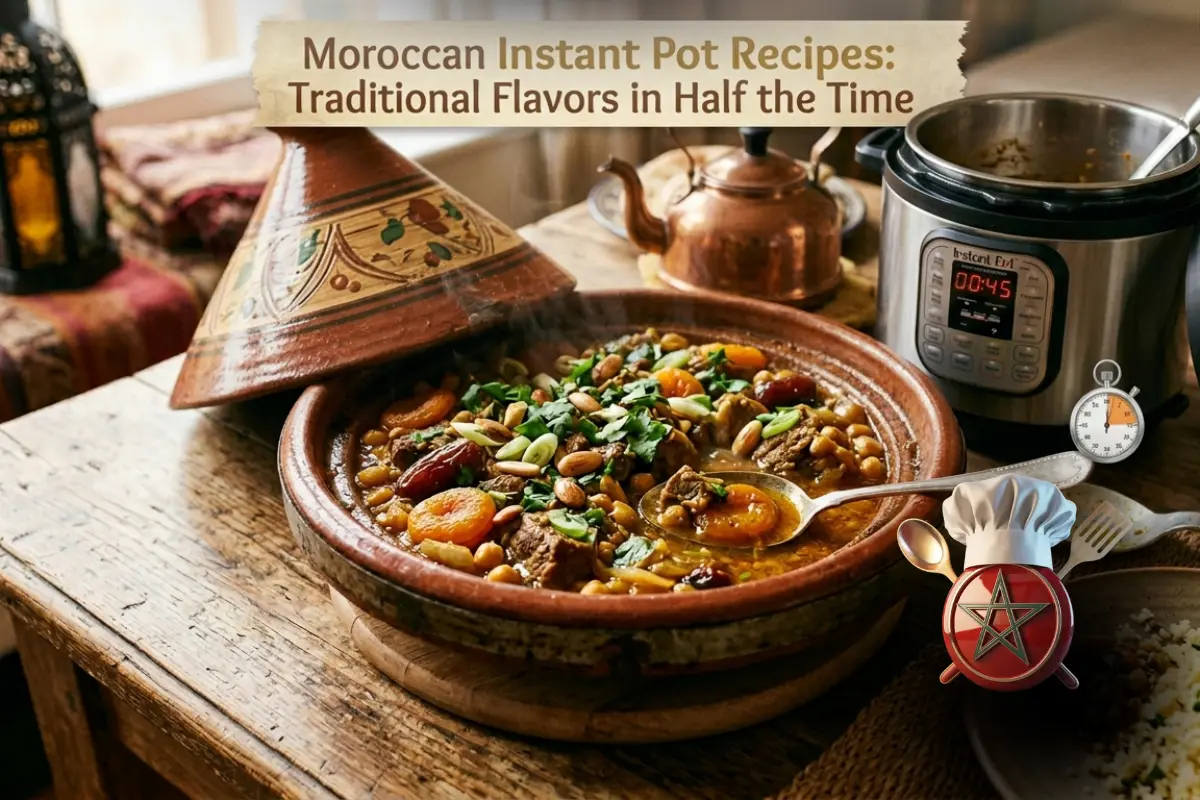
The aromatic world of Moroccan cuisine, with its complex spice blends and slow-simmered tagines, might seem incompatible with the fast-paced demands of modern cooking. However, the Instant Pot has revolutionized how we can enjoy these traditional North African flavors without spending hours in the kitchen. This comprehensive guide will show you how to create authentic Moroccan dishes using your pressure cooker, maintaining the depth of flavor that makes this cuisine so beloved while dramatically reducing cooking time.
Moroccan cooking traditionally relies on long, slow cooking methods that allow spices to meld and tough cuts of meat to become tender. The magic of the tagine pot and the patience required for traditional preparation methods can now be replicated in your Instant Pot, delivering the same rich, complex flavors in a fraction of the time. Whether you're a busy parent wanting to introduce your family to new flavors or a food enthusiast looking to expand your culinary repertoire, these recipes will transform your weeknight dinner routine.
From the bustling souks of Marrakech to your modern kitchen, we'll explore how pressure cooking can preserve the authenticity of dishes like chicken tagine with preserved lemons, lamb and apricot stew, and fragrant vegetable couscous. You'll learn essential techniques for layering flavors, working with traditional spice blends like ras el hanout, and achieving that perfect balance of sweet and savory that defines Moroccan cuisine.
Understanding Moroccan Flavors and the Instant Pot Connection
The foundation of exceptional Moroccan cooking lies in understanding the interplay of spices, the importance of building flavor layers, and the traditional cooking methods that create depth and complexity. When adapting these time-honored techniques to the Instant Pot, we must consider how pressure cooking affects flavor development and texture.
Traditional Moroccan cooking relies heavily on the maillard reaction – the browning process that develops complex flavors in proteins and aromatics. The Instant Pot's sauté function becomes crucial here, allowing us to replicate this essential first step before pressure cooking. This initial browning of meats, onions, and spices creates the flavor foundation that would traditionally develop during hours of slow simmering.
The enclosed environment of pressure cooking actually works in our favor when it comes to Moroccan cuisine. The sealed pot traps aromatic compounds that might otherwise evaporate during traditional cooking, concentrating flavors in a way that can actually enhance certain dishes. Steam circulation under pressure also helps spices penetrate ingredients more effectively than conventional methods.
Essential Moroccan Spice Combinations for Instant Pot Cooking
Working with Moroccan spices in the Instant Pot requires understanding how pressure affects different aromatic compounds. Ras el hanout, the complex spice blend that can contain up to 30 different spices, develops differently under pressure than it does in traditional tagine cooking. The key is to bloom these spices properly in the sauté phase and to understand which spices should be added at the beginning versus the end of cooking.
Primary spices like cumin, coriander, and cinnamon can withstand the intense heat and pressure, actually becoming more integrated into the dish. Delicate herbs like cilantro and mint, however, should be added fresh at the end to preserve their bright flavors. Saffron, one of Morocco's most prized ingredients, requires special handling – it should be steeped in warm liquid before adding to prevent its delicate flavor from being overwhelmed by the pressure cooking process.
The beauty of Instant Pot Moroccan cooking lies in how quickly the pressure environment allows tough cuts of meat to absorb these complex spice blends. What would traditionally take 2-3 hours of slow simmering can be achieved in 30-45 minutes, with the added benefit of deeper spice penetration due to the pressurized environment.
Master Recipe: Instant Pot Chicken Tagine with Preserved Lemons
This flagship recipe demonstrates the principles of successful Moroccan Instant Pot cooking, combining traditional flavors with modern convenience. The chicken tagine with preserved lemons is perhaps the most recognizable dish from Moroccan cuisine, and mastering it in the Instant Pot opens the door to countless variations.
Ingredients and Preparation
For this authentic chicken tagine, you'll need a whole chicken cut into pieces (or 3 pounds of chicken thighs and drumsticks), which work better than chicken breasts due to their higher fat content and ability to remain tender under pressure. The aromatic base consists of two large onions, four cloves of garlic, fresh ginger, and the essential preserved lemons that give this dish its distinctive tangy flavor.
The spice blend includes ground ginger, turmeric, cinnamon, cumin, and a generous amount of saffron threads. Green olives, preferably Moroccan variety, add briny depth, while fresh cilantro and parsley provide bright herbal notes. The liquid component combines chicken stock with the brine from preserved lemons, creating a cooking medium that infuses every element with authentic flavor.
Technique is crucial for this recipe. Begin by heating olive oil in your Instant Pot using the sauté function. Season the chicken pieces generously with salt and pepper, then brown them in batches to ensure proper caramelization. This step is non-negotiable – it creates the flavor foundation that distinguishes excellent tagine from mediocre attempts.
Pressure Cooking Process
After browning the chicken, remove it and sauté the onions until they begin to soften and take on color. Add garlic, ginger, and ground spices, cooking until fragrant – about one minute. This blooming process is essential for developing the spice flavors that will permeate the entire dish.
Return the chicken to the pot, add the liquid ingredients, and nestle the preserved lemons and olives around the chicken pieces. The beauty of this method is that everything cooks together, allowing flavors to meld completely. Set the Instant Pot to high pressure for 15 minutes, followed by a 10-minute natural release before quick-releasing any remaining pressure.
The result is tender, fall-off-the-bone chicken infused with complex flavors that would traditionally require hours of careful tending. The sauce will be rich and aromatic, with the preserved lemons providing that authentic Moroccan tang that makes this dish so distinctive.
Vegetarian Moroccan Instant Pot Creations
Moroccan cuisine offers incredible variety for vegetarian cooking, with legumes, vegetables, and grains playing starring roles in traditional dishes. The Instant Pot excels at preparing these plant-based meals, dramatically reducing the soaking and cooking times required for dried beans and lentils while maintaining the authentic flavors that make Moroccan vegetarian cuisine so satisfying.
Moroccan Chickpea and Vegetable Stew
This hearty stew showcases how the Instant Pot can transform dried chickpeas into creamy, tender legumes in under an hour, without the overnight soaking traditionally required. The recipe builds layers of flavor starting with a sofrito-style base of onions, carrots, and celery, enhanced with garlic, ginger, and a robust blend of Moroccan spices.
Begin by sautéing diced onions, carrots, and celery in olive oil until they develop color and sweetness. Add minced garlic and ginger, followed by ground cumin, coriander, turmeric, and sweet paprika. The key to exceptional flavor development is allowing each aromatic component to cook briefly before adding the next, building complexity in layers.
Dried chickpeas go directly into the pot with vegetable stock, diced tomatoes, and chunks of winter squash or sweet potato. The addition of dried fruit – dates or apricots – provides the subtle sweetness characteristic of Moroccan cooking. A preserved lemon, chopped and added with its rind, contributes essential flavor complexity that distinguishes this from generic chickpea stews.
Pressure cook on high for 35 minutes with natural release, then stir in fresh herbs and adjust seasonings. The result is a deeply satisfying stew with perfectly tender chickpeas and vegetables that taste like they've been simmering for hours. Serve over couscous or with crusty bread for a complete meal that showcases the best of Moroccan vegetarian cooking.
Instant Pot Moroccan Lentil Soup
Red lentils, with their quick cooking time and creamy texture, are perfect for Instant Pot preparation. This soup combines them with traditional Moroccan flavors to create a warming, nutritious meal that's ready in minutes. The technique focuses on building a aromatic base that infuses the entire soup with complex flavors.
Start with the holy trinity of Moroccan cooking: onions, garlic, and ginger, sautéed until fragrant. Add ground spices including cumin, coriander, turmeric, and a touch of cinnamon, cooking until they release their essential oils. Red lentils require no soaking and cook quickly under pressure, making this an ideal weeknight meal.
The addition of diced tomatoes provides acidity that brightens the finished soup, while vegetable or chicken stock creates the cooking liquid. A bay leaf and strip of preserved lemon rind add depth during cooking, while fresh lemon juice stirred in at the end provides brightness that balances the warm spices.
Lamb and Beef Instant Pot Moroccan Dishes
The Instant Pot truly shines when cooking tough cuts of lamb and beef, transforming them into tender, flavorful centerpieces for Moroccan meals. These proteins, which would traditionally require hours of slow braising, become succulent and perfectly cooked in a fraction of the time while absorbing the complex spice blends that define Moroccan cuisine.
Moroccan Lamb and Apricot Stew
This elegant stew represents the pinnacle of Moroccan sweet-and-savory cooking, combining tender lamb with dried apricots, almonds, and warming spices. The Instant Pot's ability to break down tough connective tissue while preserving moisture makes it ideal for this traditionally time-intensive dish.
Choose lamb shoulder or leg, cut into generous chunks that will hold their shape during pressure cooking. The initial browning phase is crucial – work in batches to ensure each piece develops a deep, caramelized crust that will contribute significantly to the final flavor profile. Remove the browned lamb and build the aromatic base with onions, garlic, and ginger.
The spice blend for this stew is particularly complex, featuring ground cinnamon, ginger, turmeric, and a touch of cayenne for heat. Bloom these spices in the rendered fat from browning the lamb, allowing their essential oils to release and create the flavor foundation. Add dried apricots, which will plump and soften during cooking while releasing their natural sugars into the braising liquid.
Pressure cooking for 35 minutes with natural release results in lamb that's tender enough to cut with a fork, while the apricots have broken down slightly to naturally thicken the sauce. The final addition of toasted almonds and fresh herbs creates textural contrast and bright flavor notes that balance the rich, warming spices.
Moroccan Beef Short Ribs with Prunes
Short ribs are perhaps the perfect cut for Instant Pot Moroccan cooking, with their high fat content and connective tissue that breaks down beautifully under pressure. This recipe pairs them with prunes and warm spices for a dish that's both rustic and sophisticated.
The technique mirrors traditional Moroccan braising methods, adapted for pressure cooking efficiency. Brown the short ribs thoroughly to develop the maillard reaction that creates deep, complex flavors. The aromatics include onions, carrots, and celery, cooked until they begin to caramelize and contribute sweetness to balance the rich meat.
Prunes, a classic pairing with beef in Moroccan cuisine, add natural sweetness and help create a glossy, rich sauce. The spice blend emphasizes warm spices like cinnamon, allspice, and ginger, while a splash of red wine vinegar adds acidity that brightens the finished dish. Pressure cooking for 45 minutes transforms these tough cuts into fork-tender meat that falls off the bone.
Instant Pot Moroccan Rice and Grain Dishes
While couscous is perhaps Morocco's most famous grain dish, the country's cuisine includes numerous rice and grain preparations that adapt beautifully to Instant Pot cooking. These dishes serve as both sides and complete meals, incorporating vegetables, dried fruits, and nuts to create satisfying, nutritionally complete offerings.
Moroccan Rice Pilaf with Almonds and Dates
This fragrant rice dish exemplifies the Moroccan approach to grain cooking, where simple ingredients are elevated through careful spice selection and technique. The Instant Pot's precise pressure control ensures perfectly cooked rice with distinct grains and no mushiness, while allowing the flavors to develop completely.
Begin with basmati rice, which holds its shape well and has the long grains preferred in Moroccan cooking. The technique starts with toasting the rice in olive oil or butter, allowing individual grains to develop a light golden color that prevents them from becoming sticky during pressure cooking. This step also adds a subtle nutty flavor that complements the almonds and dates.
The liquid ratio is critical for perfect texture – use slightly less liquid than you would for stovetop cooking, as the Instant Pot loses no moisture to evaporation. Chicken or vegetable stock replaces water for additional flavor, while a pinch of saffron adds both color and aromatic complexity. Sliced almonds and chopped dates are stirred in before cooking, allowing them to plump and soften while infusing their flavors throughout the rice.
Pressure cook for 3 minutes with a 10-minute natural release, then fluff with a fork and garnish with fresh herbs and additional toasted nuts. The result is a sophisticated side dish that pairs beautifully with grilled meats or stands alone as a light meal when served with yogurt and vegetables.
Moroccan Barley and Vegetable Stew
Pearl barley, with its chewy texture and nutty flavor, creates hearty, satisfying dishes that showcase vegetables and legumes. This stew combines barley with seasonal vegetables and warm spices for a complete meal that's both nutritious and deeply flavorful.
The base begins with the standard Moroccan aromatic trio of onions, garlic, and ginger, enhanced with diced carrots, celery, and bell peppers. The vegetable mixture is sautéed until it begins to soften and develop color, creating a flavorful foundation for the barley and other ingredients.
Pearl barley requires no soaking and cooks beautifully under pressure, absorbing flavors while maintaining its distinctive chewy texture. The addition of diced tomatoes provides acidity and helps create a rich, satisfying broth, while preserved lemons add the distinctive tang that identifies this as authentically Moroccan.
| Traditional Method | Instant Pot Method | Time Savings |
|---|---|---|
| Chicken Tagine | 45 minutes total | 2.5 hours saved |
| Lamb Stew | 50 minutes total | 3 hours saved |
| Chickpea Stew | 40 minutes total | 4+ hours saved |
| Beef Short Ribs | 55 minutes total | 3.5 hours saved |
| Lentil Soup | 25 minutes total | 1 hour saved |
Advanced Techniques and Flavor Development
Mastering Moroccan Instant Pot cooking requires understanding how pressure affects different ingredients and flavor compounds. Advanced techniques focus on maximizing flavor development within the constraints of pressure cooking, ensuring that the finished dishes rival their traditionally prepared counterparts in complexity and authenticity.
Layered Cooking Approach
The most successful Moroccan Instant Pot recipes employ a layered approach to flavor development, recognizing that not all ingredients should be added simultaneously. This technique maximizes the unique advantages of pressure cooking while working around its limitations.
The first layer always involves proper browning and sautéing using the Instant Pot's sauté function. This crucial step develops the maillard reaction that creates deep, complex flavors impossible to achieve through pressure cooking alone. Proteins should be well-browned, aromatics should be softened and fragrant, and spices should be bloomed to release their essential oils.
The second layer introduces ingredients that benefit from pressure cooking but don't require the full cooking time. Harder vegetables like carrots and potatoes, dried fruits that need to plump and soften, and heartier herbs that can withstand pressure all fall into this category. These ingredients cook alongside the primary protein, absorbing flavors while contributing their own characteristics to the dish.
The final layer consists of delicate ingredients that would be destroyed by pressure cooking. Fresh herbs, citrus juice, delicate spices like sumac, and finishing oils are added after pressure cooking is complete. This approach ensures that every component of the dish contributes optimally to the final flavor profile.
Spice Timing and Application
Understanding how different spices react to pressure cooking is essential for creating authentic Moroccan flavors. Whole spices generally withstand pressure better than ground spices, but they require longer contact with heat and fat to release their flavors fully. Ground spices can become bitter if overheated during the sauté phase, but they distribute more evenly throughout the dish.
The solution involves strategic spice application at different stages of cooking. Hardy whole spices like cinnamon sticks, whole cloves, and bay leaves go in at the beginning and can withstand the full pressure cooking cycle. Ground spices that form the backbone of Moroccan flavor – cumin, coriander, turmeric – should be bloomed briefly in fat but not allowed to burn before adding liquids.
Delicate spice compounds, particularly those in complex blends like ras el hanout, benefit from a split application approach. Add a portion during the sauté phase for depth, then reserve some to stir in after cooking for brightness and complexity. This technique ensures both deep integration and fresh spice notes in the finished dish.
| Spice Type | Application Timing | Pressure Cooking Notes |
|---|---|---|
| Whole Spices (cinnamon, cloves) | Beginning of sauté phase | Can withstand full pressure cycle |
| Ground Base Spices (cumin, coriander) | Mid-sauté phase | Bloom briefly, avoid burning |
| Complex Blends (ras el hanout) | Split application | Part during sauté, part after cooking |
| Delicate Herbs (cilantro, mint) | After pressure cooking | Add fresh for bright flavor |
| Saffron | Steeped separately | Add steeped liquid to pot |
Frequently Asked Questions
Can I use frozen meat directly in Moroccan Instant Pot recipes?
While the Instant Pot can cook frozen meat, it's not ideal for Moroccan recipes that rely on proper browning for flavor development. Frozen meat releases too much moisture during the sauté phase, preventing the maillard reaction that creates the deep, caramelized flavors essential to authentic Moroccan cuisine. For best results, thaw meat completely and pat it dry before browning. If you must use frozen meat, increase the cooking time by about 50% and accept that the flavor will be less complex than properly browned fresh meat.
How do I prevent my Moroccan spices from burning during the sauté phase?
Burning spices create bitter, acrid flavors that can ruin an entire dish. The key is controlling temperature and timing during the sauté phase. Use the normal sauté setting rather than high, and add spices only after aromatics like onions and garlic have softened and released some moisture. Bloom ground spices for just 30-60 seconds until fragrant, then immediately add liquid ingredients to prevent burning. If spices do start to burn, discard everything and start over – there's no salvaging burnt spices in Moroccan cooking.
Why are my vegetables mushy in Instant Pot Moroccan dishes?
Overcooking vegetables is a common issue when adapting traditional recipes to pressure cooking. The solution is understanding that different vegetables have different cooking times and structuring recipes accordingly. Add quick-cooking vegetables like zucchini, bell peppers, and leafy greens after the pressure cooking cycle is complete, letting residual heat cook them gently. For longer-cooking vegetables, cut them into larger pieces than you would for traditional cooking, as pressure cooking breaks down cell walls more efficiently than conventional methods.
Can I make couscous directly in the Instant Pot?
Traditional Moroccan couscous is steamed, not pressure cooked, and attempting to make it directly in the Instant Pot results in a gummy, unpalatable texture. However, you can use the Instant Pot's steamer function with a steamer basket to approximate traditional couscous preparation. Place couscous in the steamer basket above simmering liquid for about 10 minutes. For easier preparation, use the stovetop method with boiling liquid and let the couscous steam naturally while your Instant Pot Moroccan main dish finishes cooking.
How do I adjust liquid amounts when converting traditional Moroccan recipes to Instant Pot versions?
The Instant Pot requires less liquid than traditional cooking methods because there's no evaporation during pressure cooking. As a general rule, reduce liquid amounts by about 25-30% when converting traditional recipes. However, you need enough liquid to create steam for pressure cooking – typically at least 1 cup for most recipes. For dishes that should have a thick sauce, you can always use the sauté function after pressure cooking to reduce and concentrate the liquid. Remember that ingredients like onions and tomatoes will release additional moisture during cooking, contributing to the overall liquid content.
Conclusion: Embracing Modern Moroccan Cooking
The marriage of traditional Moroccan flavors with modern Instant Pot convenience opens up exciting possibilities for home cooks who want to explore this rich culinary tradition without the time investment traditionally required. By understanding the principles behind flavor development and adapting classical techniques to pressure cooking, we can create authentic-tasting dishes that honor Morocco's culinary heritage while fitting into contemporary lifestyles.
The key to success lies in recognizing that the Instant Pot is not simply a shortcut but a different cooking method that requires its own techniques and understanding. The browning phase becomes even more critical when cooking time is compressed, spice timing requires careful consideration, and ingredient layering ensures that every component contributes optimally to the final dish.
These recipes and techniques provide a foundation for exploring Moroccan cuisine, but they're also launching points for creativity and experimentation. Once you understand how pressure cooking affects different ingredients and flavor compounds, you can begin adapting other traditional recipes and developing your own variations that suit your family's preferences.
Whether you're preparing a quick weeknight dinner or planning an elaborate weekend feast, these Moroccan Instant Pot recipes deliver the complex, satisfying flavors that make this cuisine so beloved around the world. The combination of warming spices, tender proteins, and perfectly cooked vegetables creates meals that are both comforting and exotic, familiar and adventurous.
As you explore these recipes, remember that Moroccan cooking is ultimately about hospitality, sharing, and bringing people together around delicious food. The Instant Pot simply makes it easier to extend that hospitality more frequently, turning special-occasion dishes into regular family favorites that can be prepared any night of the week.