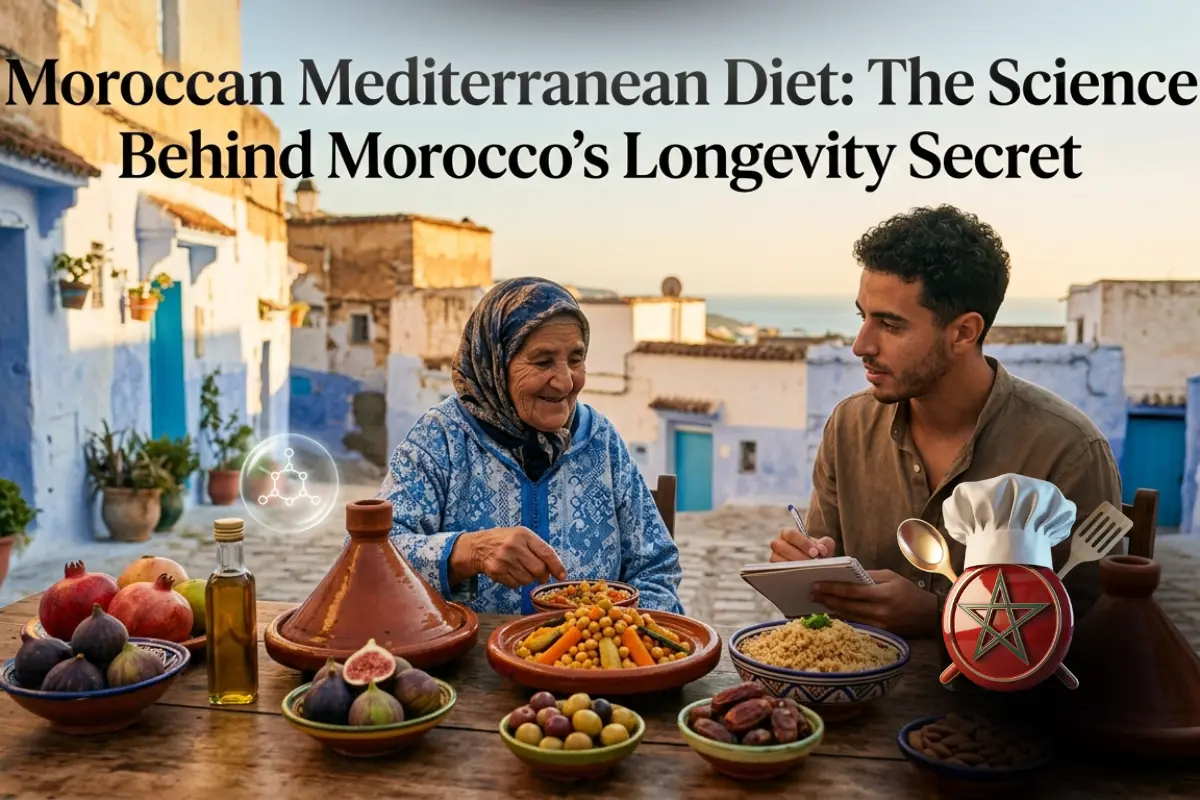
In the bustling souks of Marrakech and the coastal cities of Casablanca, a culinary tradition has quietly contributed to one of the world's most compelling longevity stories. Morocco, positioned at the crossroads of Africa and Europe, has developed a unique interpretation of the Mediterranean diet that combines the best of both worlds: the heart-healthy principles of Mediterranean eating with the antioxidant-rich spice traditions of North Africa.
Recent scientific research has begun to uncover why Moroccans, particularly those following traditional dietary patterns, experience lower rates of cardiovascular disease, diabetes, and certain cancers compared to Western populations. The answer lies not just in what they eat, but how these foods work synergistically to promote health and longevity.
This comprehensive exploration delves into the science behind Morocco's dietary wisdom, examining how centuries-old culinary traditions align remarkably well with cutting-edge nutritional research. From the liberal use of extra virgin olive oil to the daily consumption of protective spices like turmeric and cinnamon, we'll uncover the mechanisms that make the Moroccan Mediterranean diet a powerful tool for healthy aging.
The Foundation of Moroccan Longevity: Understanding the Diet
The traditional Moroccan diet represents a masterful balance of macronutrients and micronutrients, built around whole foods that have sustained populations for millennia. Unlike many Western diets that have evolved rapidly over recent decades, Moroccan cuisine has maintained its core principles while adapting to local ingredients and seasonal availability.
Core Components of the Moroccan Mediterranean Diet
At its heart, the Moroccan diet emphasizes plant-forward eating with moderate amounts of high-quality proteins and healthy fats. The foundation includes:
- Abundant vegetables and legumes: Tomatoes, onions, carrots, zucchini, eggplant, chickpeas, lentils, and fava beans appear in countless preparations
- Whole grains: Couscous, bulgur, and traditional breads provide complex carbohydrates and fiber
- Healthy fats: Extra virgin olive oil serves as the primary cooking fat, supplemented by nuts and seeds
- Lean proteins: Fish from the Atlantic and Mediterranean coasts, poultry, and occasional red meat
- Protective spices: Turmeric, ginger, cinnamon, cumin, and coriander feature prominently
- Fresh herbs: Parsley, cilantro, mint, and preserved lemons add flavor and nutrients
This dietary pattern naturally aligns with the Mediterranean diet's emphasis on whole foods while incorporating unique North African elements that enhance its health benefits. The generous use of spices, in particular, sets the Moroccan version apart from other Mediterranean cuisines.
Traditional Eating Patterns and Meal Timing
Moroccan eating patterns traditionally involve three main meals with minimal processed snacking. Breakfast might include olive oil-rich breads, fresh fruit, and mint tea. Lunch, often the largest meal, typically features a tagine or couscous dish loaded with vegetables. Dinner tends to be lighter, sometimes consisting of soup, salad, and yogurt.
This pattern of eating supports metabolic health by allowing for natural fasting periods between meals, a practice that recent research suggests may contribute to longevity through cellular repair mechanisms and improved insulin sensitivity.
The Science of Longevity: How Moroccan Foods Promote Health
Modern nutritional science has identified several key mechanisms through which the Moroccan Mediterranean diet promotes longevity. These include reducing inflammation, protecting against oxidative stress, supporting cardiovascular health, and maintaining healthy body composition.
Anti-Inflammatory Properties of Moroccan Spices
One of the most significant discoveries in longevity research is the role of chronic inflammation in aging and disease development. The Moroccan spice palette provides a pharmaceutical-grade arsenal of anti-inflammatory compounds that rival many modern medications in their potency.
Turmeric and Curcumin: Perhaps no spice has received more scientific attention than turmeric, a staple in Moroccan cooking. The active compound curcumin has been shown to reduce markers of inflammation throughout the body. Studies indicate that regular curcumin consumption may reduce C-reactive protein levels by up to 40%, a significant improvement in inflammatory status.
Ginger and Gingerols: Fresh ginger, commonly used in Moroccan teas and tagines, contains gingerols that inhibit pro-inflammatory enzymes. Research suggests that regular ginger consumption may reduce inflammatory markers and support joint health, particularly important for maintaining mobility in older adults.
Cinnamon and Metabolic Health: Beyond its warming flavor, cinnamon contains compounds that improve insulin sensitivity and glucose metabolism. Clinical trials have demonstrated that cinnamon supplementation can reduce fasting blood glucose levels and improve hemoglobin A1C in individuals with diabetes.
Cardiovascular Protection Through Olive Oil
The cornerstone of Moroccan cooking, extra virgin olive oil, provides more than just healthy monounsaturated fats. The polyphenols in high-quality olive oil offer cardiovascular protection through multiple mechanisms:
- Endothelial function improvement: Olive oil polyphenols help maintain the health of blood vessel walls
- LDL cholesterol protection: Antioxidants prevent the oxidation of LDL cholesterol, reducing arterial plaque formation
- Blood pressure regulation: Regular olive oil consumption has been associated with modest but significant reductions in blood pressure
- Anti-thrombotic effects: Certain olive oil compounds help prevent dangerous blood clots
The famous PREDIMED study, which followed over 7,400 participants for nearly five years, found that those following a Mediterranean diet supplemented with extra virgin olive oil experienced a 30% reduction in major cardiovascular events compared to a low-fat control group.
Antioxidant Synergy in Traditional Combinations
Moroccan cuisine demonstrates an intuitive understanding of antioxidant synergy—the principle that combinations of antioxidant-rich foods provide greater protection than individual compounds alone. Traditional combinations like tomatoes with olive oil enhance lycopene absorption, while the pairing of turmeric with black pepper increases curcumin bioavailability by up to 2000%.
The preserved lemons that feature prominently in Moroccan cooking provide citrus bioflavonoids that work synergistically with the polyphenols from olive oil and herbs. This creates a complex matrix of protective compounds that support cellular health and DNA repair mechanisms.
Comparing Moroccan and Standard Mediterranean Diets
While the Moroccan diet shares fundamental principles with other Mediterranean eating patterns, several unique characteristics may enhance its longevity benefits:
| Aspect | Traditional Mediterranean | Moroccan Mediterranean | Health Impact |
|---|---|---|---|
| Spice Usage | Moderate herbs, minimal spices | Heavy use of anti-inflammatory spices | Enhanced inflammation reduction |
| Tea Consumption | Moderate wine with meals | Green tea with mint throughout day | Continuous antioxidant protection |
| Cooking Methods | Grilling, simple preparations | Slow tagine cooking, preserved foods | Better nutrient retention, probiotic benefits |
| Legume Preparation | Simple bean dishes | Complex spice blends with legumes | Improved nutrient absorption |
| Vegetable Variety | Seasonal local vegetables | Pickled/preserved vegetables year-round | Consistent micronutrient intake |
The Blue Zone Connection: Morocco's Longevity Regions
While Morocco isn't officially designated as a Blue Zone, certain regions, particularly in the Atlas Mountains and rural coastal areas, demonstrate remarkable longevity patterns that mirror those found in established Blue Zones. These areas share common dietary characteristics that researchers believe contribute to exceptional lifespans.
Mountain Communities and Traditional Eating
In Morocco's Atlas Mountain regions, traditional dietary patterns remain largely unchanged. These communities consume diets rich in wild plants, locally produced olive oil, and minimal processed foods. The physical demands of mountain life, combined with nutrient-dense traditional foods, create conditions conducive to healthy aging.
Researchers studying these populations have noted several key factors:
- High consumption of wild greens: Mountain communities regularly consume purslane, dandelion, and other wild plants rich in omega-3 fatty acids and antioxidants
- Seasonal eating patterns: Diet varies significantly with seasons, providing diverse nutrients throughout the year
- Minimal sugar consumption: Traditional sweets are reserved for special occasions, with daily sweetening coming primarily from dates and fresh fruit
- Regular physical activity: Daily life involves significant physical exertion, supporting cardiovascular and metabolic health
Coastal Communities and Omega-3 Benefits
Morocco's extensive coastline provides abundant access to fish rich in omega-3 fatty acids. Coastal communities traditionally consume fish 3-4 times per week, providing optimal levels of EPA and DHA—essential fatty acids crucial for brain health, cardiovascular function, and inflammation control.
The combination of omega-3 rich fish with the antioxidant spices typical of Moroccan cuisine creates a powerful synergy for neuroprotection. Studies suggest this combination may help prevent cognitive decline and support healthy brain aging.
Nutritional Analysis: Breaking Down the Moroccan Advantage
To understand the longevity benefits of the Moroccan diet, it's helpful to examine its nutritional profile compared to typical Western eating patterns:
| Nutrient Category | Standard Western Diet | Moroccan Mediterranean | Longevity Benefit |
|---|---|---|---|
| Fiber Intake | 15-20g daily | 35-45g daily | Improved gut health, reduced disease risk |
| Omega-3 to Omega-6 Ratio | 1:15-20 | 1:4-6 | Reduced inflammation, better brain health |
| Polyphenol Content | Low (processed foods) | Very high (spices, olive oil, tea) | Enhanced antioxidant protection |
| Glycemic Load | High (refined carbs) | Moderate (whole grains, legumes) | Better blood sugar control |
| Sodium Sources | Processed foods | Natural salts, preserved lemons | Better mineral balance |
| Added Sugar | 50-100g daily | 10-20g daily | Reduced metabolic stress |
Micronutrient Density and Bioavailability
The Moroccan approach to food preparation significantly enhances micronutrient bioavailability. Slow cooking methods like tagine preparation help break down plant cell walls, making nutrients more accessible. The combination of healthy fats with fat-soluble vitamins improves absorption of vitamins A, D, E, and K.
Magnesium and Heart Health: Traditional Moroccan foods are naturally rich in magnesium, with significant amounts coming from leafy greens, legumes, and nuts. Adequate magnesium intake supports heart rhythm, blood pressure regulation, and bone health—all crucial for healthy aging.
Folate and B-Vitamin Complex: The emphasis on leafy greens and legumes provides abundant folate and other B vitamins essential for DNA repair and neurological function. These nutrients become increasingly important with age as absorption efficiency naturally declines.
Practical Implementation: Adopting Moroccan Longevity Principles
For Western audiences interested in incorporating Moroccan longevity principles into their daily lives, the transition can be both gradual and enjoyable. The key lies in understanding the underlying principles rather than attempting to replicate every dish exactly.
Essential Spices for Longevity
Building a Moroccan-inspired spice collection provides the foundation for healthier cooking. Priority spices include:
- Turmeric: Aim for 1-2 teaspoons daily, always combined with black pepper
- Cinnamon: Use Ceylon cinnamon when possible, add to beverages and grain dishes
- Ginger: Fresh ginger provides more active compounds than dried
- Cumin: Excellent source of iron and aids digestion
- Coriander: Seeds can be ground fresh for maximum potency
These spices can be incorporated into Western dishes gradually, starting with small amounts and increasing as taste preferences adapt.
Meal Planning Strategies
Adopting Moroccan eating patterns doesn't require completely abandoning familiar foods. Instead, focus on these key modifications:
Breakfast Enhancement: Replace processed cereals with steel-cut oats topped with cinnamon, nuts, and fresh fruit. Include healthy fats through nuts or a drizzle of olive oil on whole grain toast.
Lunch Transformation: Build meals around legumes and vegetables, using meat as a flavor accent rather than the main component. A chickpea and vegetable stew with Moroccan spices provides protein, fiber, and antioxidants.
Dinner Simplification: Follow the Moroccan tradition of lighter evening meals. Vegetable-based soups, salads dressed with olive oil and lemon, and small portions of protein support better sleep and metabolic health.
Shopping and Ingredient Selection
Quality ingredients form the foundation of the Moroccan longevity diet. Priority purchases include:
- Extra virgin olive oil: Look for first cold-pressed oils in dark bottles
- Organic spices: Buy in small quantities and store properly to maintain potency
- Legumes and whole grains: Dried varieties offer better nutrition and flavor than canned
- Fresh herbs: Grow mint, parsley, and cilantro for daily use
- Seasonal vegetables: Prioritize variety and color for diverse antioxidants
The Role of Community and Lifestyle
The longevity benefits of the Moroccan diet extend beyond individual food choices to encompass broader lifestyle patterns that support healthy aging. Traditional Moroccan culture emphasizes communal eating, regular physical activity, and stress-reducing practices that complement the nutritional benefits of the diet.
Communal Eating and Social Health
Moroccan meals are traditionally shared experiences, with families and communities gathering around communal plates. This practice supports longevity through several mechanisms:
Slower eating pace: Communal dining naturally slows consumption, improving digestion and satiety signaling. Research indicates that eating slowly can reduce caloric intake by 10-15% without conscious restriction.
Social connection: Regular social interaction during meals supports mental health and cognitive function. Studies of centenarian populations consistently show strong social connections as a key longevity factor.
Portion control: Sharing food from communal dishes naturally limits individual portions while encouraging variety consumption.
Physical Activity Integration
Traditional Moroccan lifestyle incorporates regular physical activity through daily life rather than structured exercise. This includes walking for transportation, manual food preparation, and household maintenance activities. This pattern of consistent, moderate activity throughout the day aligns with research showing that regular movement is more beneficial than intense exercise sessions followed by sedentary periods.
Frequently Asked Questions
Is the Moroccan diet suitable for people with diabetes?
The traditional Moroccan diet can be excellent for diabetes management due to its emphasis on high-fiber foods, healthy fats, and anti-inflammatory spices. The combination of legumes, vegetables, and whole grains provides steady blood sugar control. However, portion control with couscous and bread is important, and individuals with diabetes should work with healthcare providers to monitor blood glucose responses to new foods.
How much olive oil should I consume daily for health benefits?
Research suggests 2-4 tablespoons (30-60ml) of extra virgin olive oil daily provides optimal health benefits. This amount can be distributed throughout the day in cooking, salad dressings, and finishing touches on cooked vegetables. Quality matters more than quantity—choose first cold-pressed oils for maximum polyphenol content.
Can I get the same benefits from spice supplements instead of cooking with spices?
While supplements can provide concentrated compounds, whole spices offer several advantages: better bioavailability when combined with foods, synergistic effects between multiple compounds, and the natural buffering that prevents overdosing. Cooking with spices also encourages the consumption of the healthy foods they flavor, creating a comprehensive approach to nutrition.
Are there any potential drawbacks to adopting a Moroccan-style diet?
The traditional Moroccan diet is generally very healthy, but some considerations include: higher sodium content from preserved foods (choose low-sodium versions when possible), potential allergens in tree nuts and spices, and the time required for traditional cooking methods. Start gradually and modify based on individual health conditions and preferences.
How quickly can I expect to see health benefits from adopting this eating style?
Some benefits appear relatively quickly: improved digestion and energy levels within 1-2 weeks, better blood sugar control within 2-4 weeks, and reduced inflammation markers within 6-8 weeks. Cardiovascular benefits and weight management typically become apparent within 3-6 months of consistent adherence. Long-term benefits for disease prevention and longevity develop over years of consistent healthy eating.
Conclusion: Embracing Ancient Wisdom for Modern Health
The Moroccan Mediterranean diet represents more than just a collection of recipes—it embodies a holistic approach to eating that has sustained populations for centuries while promoting exceptional health and longevity. The scientific evidence supporting its benefits continues to grow, validating traditional wisdom with modern research.
The key principles—emphasizing plant foods, using healthy fats, incorporating protective spices, and maintaining social connections around food—offer a roadmap for healthy aging that transcends cultural boundaries. These principles can be adapted to various cuisines and lifestyles while maintaining their core health benefits.
For Western audiences seeking sustainable approaches to health and longevity, the Moroccan diet offers an appealing alternative to restrictive eating plans. Its emphasis on flavor, variety, and communal enjoyment makes it not just a diet, but a lifestyle that supports both physical health and quality of life.
As research continues to unveil the mechanisms behind traditional dietary wisdom, the Moroccan approach to eating stands as a testament to the power of whole foods, thoughtful preparation, and the simple pleasure of sharing meals with others. In a world increasingly concerned with longevity and healthy aging, Morocco's culinary traditions offer time-tested solutions wrapped in the appealing package of delicious, satisfying food.
The path to adopting these principles doesn't require dramatic lifestyle changes overnight. Instead, gradual incorporation of Moroccan-inspired ingredients, cooking methods, and eating patterns can lead to meaningful improvements in health and well-being. Whether it's adding turmeric to morning smoothies, preparing weekly tagines, or simply taking time to share meals with loved ones, each step toward this traditional way of eating is an investment in long-term health and vitality.