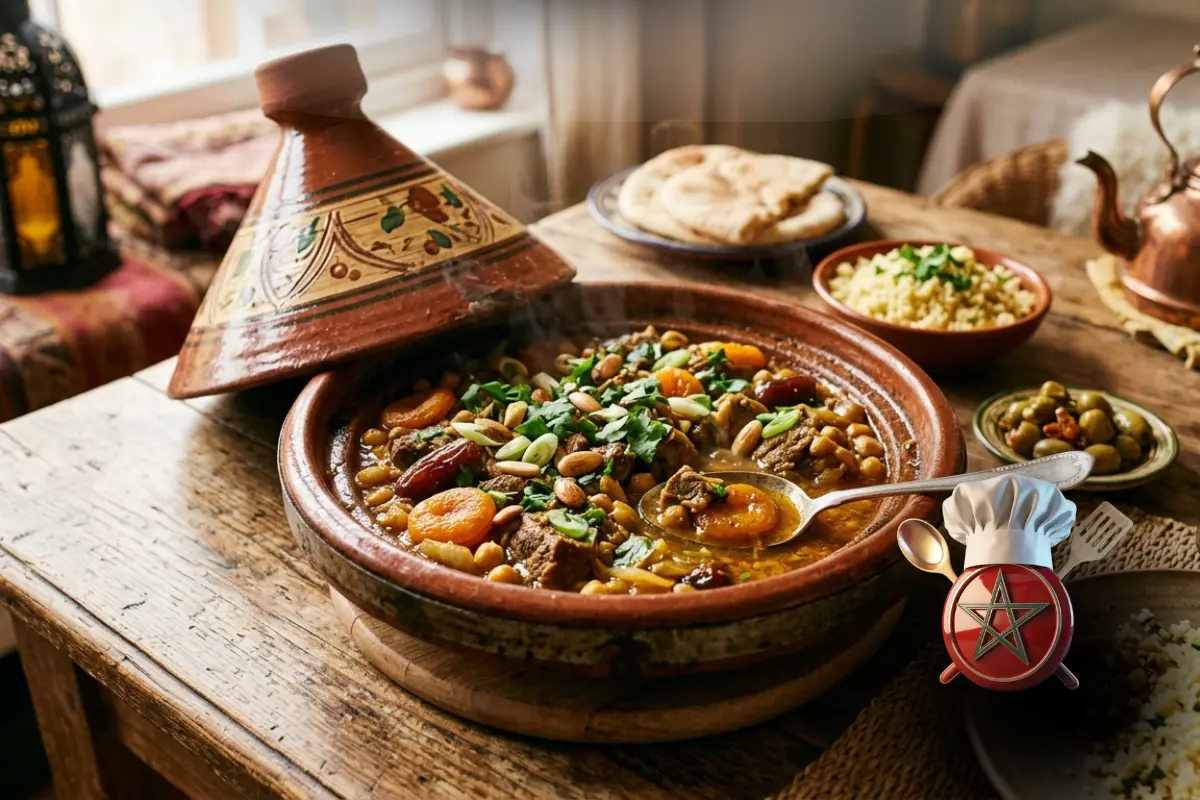
After years of busy weeknights juggling work, family, and the eternal question of "what's for dinner?", I've discovered that Moroccan cuisine offers some of the most satisfying and flavorful one-pot solutions. These aren't just convenient meals – they're aromatic journeys that transform your kitchen into a Marrakech marketplace with minimal cleanup required.
Moroccan cooking has mastered the art of layering complex flavors in a single vessel, whether it's a traditional tagine, a heavy-bottomed Dutch oven, or even a slow cooker. The secret lies in the careful balance of warm spices, tender proteins, vibrant vegetables, and the magical technique of slow, gentle cooking that melds everything into harmony.
What makes these meals particularly appealing for Western cooks is their adaptability. You don't need specialized equipment or exotic ingredients that require hunting through specialty stores. Most of these recipes can be prepared with common spices and techniques that work beautifully in standard Western cookware, while still delivering that authentic North African magic your taste buds crave.
The Art of Moroccan One-Pot Cooking
Moroccan one-pot cooking isn't just about convenience – it's a culinary philosophy that dates back centuries. In traditional Moroccan households, the tagine and other one-pot cooking methods developed out of both necessity and wisdom. These techniques maximize flavor while conserving fuel, water, and time, creating meals that nourish both body and soul.
The foundation of every great Moroccan one-pot meal starts with the holy trinity of Moroccan cooking: onions, garlic, and ginger. This aromatic base, slowly cooked in olive oil until fragrant, creates the flavor foundation that supports everything else. From there, warm spices like cumin, coriander, cinnamon, and the famous ras el hanout spice blend add layers of complexity that develop and intensify during the slow cooking process.
One of the most beautiful aspects of Moroccan one-pot cooking is the way it treats vegetables not as afterthoughts, but as equal partners to proteins. Root vegetables like carrots and turnips, dried fruits like apricots and dates, and fresh herbs like cilantro and parsley all contribute to creating meals that are both nutritionally balanced and incredibly satisfying.
Essential Spices and Ingredients
Before diving into our ten one-pot wonders, let's talk about building your Moroccan pantry. The good news is that most ingredients are readily available in Western supermarkets, and the spices have excellent shelf lives when stored properly.
Core spices you'll need: ground cumin, ground coriander, ground cinnamon, ground ginger, paprika, turmeric, and cayenne pepper. If you can find ras el hanout (a North African spice blend), it's worth investing in a quality version, though you can make your own blend with the individual spices.
Pantry essentials: good quality olive oil, preserved lemons (or fresh lemons as a substitute), dried apricots or dates, chickpeas, and a selection of nuts like almonds or pine nuts for garnishing and texture.
Equipment Adaptations for Western Kitchens
While traditional tagines create incomparable results, don't let the lack of authentic cookware stop you from creating amazing Moroccan meals. A heavy-bottomed Dutch oven, slow cooker, or even a large skillet with a tight-fitting lid can produce excellent results. The key is maintaining steady, gentle heat and keeping moisture locked in to create that signature tender, melded texture that defines great Moroccan cooking.
Quick and Hearty Chicken-Based One-Pot Meals
Chicken serves as the protein backbone for many of Morocco's most beloved one-pot dishes, and for good reason. It absorbs the complex spice blends beautifully while remaining tender and juicy during the slow cooking process that defines Moroccan cuisine.
1. Classic Chicken and Preserved Lemon Tagine
This iconic dish represents everything beautiful about Moroccan cooking. Start by browning chicken thighs (dark meat works best for braising) in olive oil, then build your flavor base with sliced onions, minced garlic, and fresh ginger. Add ground cumin, coriander, and a pinch of saffron if you have it, cooking until the spices bloom and become fragrant.
The magic ingredient here is preserved lemons – their intense, salty-citrus flavor is irreplaceable, though you can substitute with fresh lemon zest and a bit of extra salt. Add quartered preserved lemons, green olives, and fresh cilantro, then let everything simmer gently for 45 minutes until the chicken falls off the bone. Serve over couscous or with crusty bread to soak up the incredible sauce.
2. Moroccan Chicken and Chickpea Stew
This hearty, protein-packed meal combines tender chicken with creamy chickpeas and warming spices. Begin with the traditional sofrito base of onions, garlic, and ginger, then add chicken pieces and brown them lightly. Stir in diced tomatoes, cooked chickpeas, and a spice blend of cumin, paprika, and cinnamon.
What makes this dish special is the addition of dried apricots, which add a subtle sweetness that balances the earthier spices. A handful of fresh spinach stirred in during the last few minutes adds color and nutrition. The result is a complete meal that's both satisfying and nutritious, perfect for cold weeknight evenings.
3. Chicken and Sweet Potato Tagine with Almonds
This dish showcases Morocco's love affair with combining savory and sweet elements in perfect harmony. Sweet potatoes, cut into chunks, provide natural sweetness and a creamy texture that complements the tender chicken beautifully.
Start by toasting whole almonds in a dry pan until golden, then set aside. Build your flavor base as usual, add chicken pieces and sweet potato chunks, then season with ras el hanout or a blend of cinnamon, ginger, and allspice. A touch of honey and some golden raisins round out the sweet elements, while fresh herbs keep everything balanced. The toasted almonds, stirred in at the end, provide a delightful textural contrast.
Satisfying Lamb and Beef One-Pot Wonders
Red meat holds a special place in Moroccan cuisine, where it's treated with reverence and cooked slowly to develop deep, rich flavors that satisfy on a primal level. These dishes are perfect for weekend cooking or when you want to create something truly special.
4. Moroccan Beef and Prune Tagine
This dish might sound unusual to Western palates, but the combination of tender beef and sweet prunes creates something magical. Use chuck roast or another braising cut, cutting it into generous chunks that will break down beautifully during the slow cooking process.
After browning the beef and building your aromatic base, add pitted prunes, a stick of cinnamon, and a bay leaf. The long, slow braising process – about 2 hours – transforms tough beef into silky, fork-tender morsels while the prunes break down slightly, creating a rich, naturally sweet sauce. Fresh herbs and a sprinkle of sesame seeds finish this elegant dish.
5. Lamb and Vegetable Stew with Apricots
Lamb shoulder works beautifully in this aromatic stew that combines the meat with a rainbow of vegetables. Carrots, turnips, and zucchini add color and nutrition, while dried apricots provide that signature Moroccan sweet-and-savory balance.
The key to this dish is layering the vegetables according to their cooking times. Root vegetables go in early with the lamb, while more delicate vegetables like zucchini are added in the final 20 minutes. Fresh mint stirred in at the end brightens the entire dish and adds an authentic Moroccan touch.
6. Beef and Butternut Squash Tagine
Butternut squash, with its natural sweetness and creamy texture, makes an excellent substitute for traditional Moroccan vegetables that might be harder to find in Western markets. This dish is particularly appealing during fall and winter months when butternut squash is at its peak.
Cube the squash into substantial pieces that won't fall apart during cooking, and add them to the pot after the beef has been braising for about an hour. A blend of warm spices – cinnamon, ginger, and nutmeg – complements the squash's natural sweetness, while a handful of toasted pine nuts adds richness and crunch.
Vibrant Vegetarian and Seafood Options
Moroccan cuisine offers incredible depth in its vegetarian dishes, often featuring them as the stars of the meal rather than afterthoughts. The seafood preparations, influenced by Morocco's extensive coastline, bring fresh, bright flavors that work beautifully in one-pot preparations.
7. Moroccan Vegetable and Lentil Tagine
This plant-based powerhouse combines red lentils with a medley of seasonal vegetables in a fragrant, satisfying stew that proves vegetarian meals can be every bit as hearty and flavorful as their meat-based counterparts.
Red lentils are perfect for this preparation because they cook quickly and break down slightly, helping to thicken the sauce naturally. Combine them with diced eggplant, bell peppers, and tomatoes, seasoned with a generous hand of cumin, coriander, and smoked paprika. A preserved lemon and olive garnish adds the final authentic touch.
8. Moroccan Fish and Potato Tagine
This coastal-inspired dish brings the flavors of Moroccan seaside towns to your dinner table. White fish like cod or halibut works beautifully, as it holds together well during the gentle braising process while absorbing all the wonderful flavors.
Layer sliced potatoes in the bottom of your pot, top with fish fillets, then surround with a sauce made from tomatoes, preserved lemons, and plenty of fresh herbs. The potatoes become incredibly flavorful as they absorb the cooking liquid, while the fish remains flaky and tender. Fresh parsley and cilantro stirred in at the end keep everything bright and fresh.
9. Chickpea and Spinach Stew with Preserved Lemons
This simple but incredibly flavorful vegetarian dish showcases how a few quality ingredients can create something truly special. Chickpeas provide protein and substance, while fresh spinach adds color and nutrition.
The preserved lemons are really the star here, providing an intense burst of citrusy saltiness that elevates the humble chickpeas into something restaurant-worthy. A good glug of fruity olive oil and some crusty bread for dipping make this a complete, satisfying meal that happens to be entirely plant-based.
10. Moroccan Shrimp and Rice One-Pot
This dish brings together the best of Moroccan coastal cooking with the convenience of a complete one-pot meal. Using bomba rice or arborio rice, which absorbs flavors beautifully, creates a dish that's similar to Spanish paella but with distinctly North African flavors.
Saffron is worth splurging on for this dish – its distinctive flavor and golden color make the meal feel truly special. Add the shrimp in the final minutes of cooking to keep them tender, and finish with plenty of fresh herbs and a squeeze of lemon juice for brightness.
| Recipe Type | Prep Time | Cook Time | Difficulty Level | Serves |
|---|---|---|---|---|
| Chicken & Preserved Lemon Tagine | 15 min | 45 min | Easy | 4-6 |
| Chicken & Chickpea Stew | 10 min | 40 min | Easy | 4-6 |
| Chicken & Sweet Potato Tagine | 20 min | 50 min | Easy | 4-6 |
| Beef & Prune Tagine | 15 min | 2 hours | Medium | 6-8 |
| Lamb & Vegetable Stew | 25 min | 1.5 hours | Medium | 6-8 |
Essential Tips for Perfect Results
Creating authentic-tasting Moroccan one-pot meals in a Western kitchen requires understanding a few key techniques that make the difference between good and extraordinary results. These aren't difficult concepts, but they're crucial for achieving that distinctive depth of flavor that makes Moroccan cuisine so special.
Building Flavor Layers
The most important concept in Moroccan cooking is building flavors in layers rather than adding everything at once. This means taking time to properly cook your onion base until it's golden and sweet, blooming your spices in oil until they become fragrant, and adding ingredients in the correct sequence so each element contributes its best qualities to the final dish.
Don't rush the initial sautéing phase – this is where the foundation of flavor is built. Onions should be completely soft and beginning to caramelize before you add garlic and ginger. Spices should be stirred constantly for 30-60 seconds until they release their aromatic oils. These extra few minutes at the beginning pay dividends in the final dish's complexity and depth.
Managing Heat and Moisture
Moroccan one-pot cooking relies on gentle, consistent heat rather than high temperatures. Once your initial prep is complete and all ingredients are in the pot, the goal is to maintain a very gentle simmer – barely bubbling – that allows flavors to meld without breaking down delicate ingredients.
Moisture management is equally important. Traditional tagines have specially designed lids that help circulate steam, but you can achieve similar results by ensuring your pot has a tight-fitting lid and checking periodically to add small amounts of broth or water if needed. The goal is to have enough liquid to prevent sticking while allowing flavors to concentrate.
Timing and Ingredient Additions
Different ingredients require different cooking times, and adding them at the right moment ensures everything finishes perfectly. Tough cuts of meat and root vegetables can go in early and benefit from long cooking, while delicate vegetables, herbs, and seafood should be added in the final stages to maintain their texture and bright flavors.
| Ingredient Type | When to Add | Cooking Time Needed | Notes |
|---|---|---|---|
| Tough Meats (beef, lamb) | After browning | 1.5-2 hours | Benefits from long braising |
| Chicken (dark meat) | After browning | 45-60 minutes | Remove skin for better sauce |
| Root Vegetables | With meat | 45-60 minutes | Cut in uniform pieces |
| Delicate Vegetables | Final 15-20 minutes | 15-20 minutes | Maintains color and texture |
| Fresh Herbs | Last 5 minutes or garnish | 5 minutes or none | Preserves bright flavor |
Frequently Asked Questions
Can I make these recipes without a tagine pot?
Absolutely! While traditional tagines produce exceptional results, a heavy-bottomed Dutch oven, slow cooker, or even a large skillet with a tight-fitting lid will work beautifully. The key is maintaining steady, gentle heat and keeping moisture locked in. Dutch ovens are particularly good substitutes because their heavy construction provides even heat distribution similar to clay tagines.
Where can I find preserved lemons, and can I substitute them?
Many larger supermarkets now carry preserved lemons in their international or gourmet sections, and they're readily available online. If you can't find them, you can make a quick substitute by combining the zest of 2 lemons with 1 tablespoon of coarse salt, though the flavor won't be quite as complex. For a closer approximation, try mixing lemon zest with a small amount of green olive brine.
How do I adapt these recipes for slow cookers?
Most of these recipes adapt beautifully to slow cookers with a few modifications. Brown your meat and sauté your aromatics in a skillet first, then transfer to the slow cooker. Reduce liquid quantities by about half since slow cookers don't allow evaporation. Cook on low for 6-8 hours for tough meats, 4-6 hours for chicken, and add delicate vegetables in the final hour of cooking.
Can I prepare these meals ahead of time?
These dishes are actually better the next day as flavors continue to develop and meld. Most can be prepared completely, cooled, and refrigerated for up to 3 days. They also freeze well for up to 3 months. When reheating, add a splash of broth or water if needed and warm gently over low heat, stirring occasionally.
What's the best way to serve these one-pot meals?
Traditional accompaniments include couscous, rice, or crusty bread to absorb the flavorful sauces. A simple side salad with cucumber, tomatoes, and herbs provides a fresh contrast to the rich, warm spices. Many of these dishes are complete meals on their own, containing protein, vegetables, and complex carbohydrates in perfect balance.
Bringing Morocco to Your Weeknight Table
These ten Moroccan one-pot meals prove that weeknight cooking doesn't have to mean sacrificing flavor for convenience. Each recipe offers a passport to the vibrant souks and aromatic kitchens of Morocco while respecting the reality of busy Western lifestyles.
The beauty of Moroccan cooking lies not just in its complex flavors, but in its philosophy of bringing people together around nourishing, satisfying meals. These one-pot dishes embody that spirit perfectly – they're designed to feed both body and soul while creating minimal cleanup and maximum satisfaction.
Start with one or two recipes that appeal most to your taste preferences and gradually build your confidence with Moroccan flavors and techniques. As you become more comfortable with the spice combinations and cooking methods, you'll find yourself naturally adapting and creating your own variations, just as Moroccan home cooks have done for generations.
Remember that the best Moroccan cooking comes from the heart, not rigid adherence to recipes. Taste as you go, adjust seasonings to your preference, and don't be afraid to substitute ingredients based on what's available in your local market. The goal is creating delicious, nourishing meals that bring joy to your dinner table – and these ten recipes provide the perfect foundation for that delicious journey.