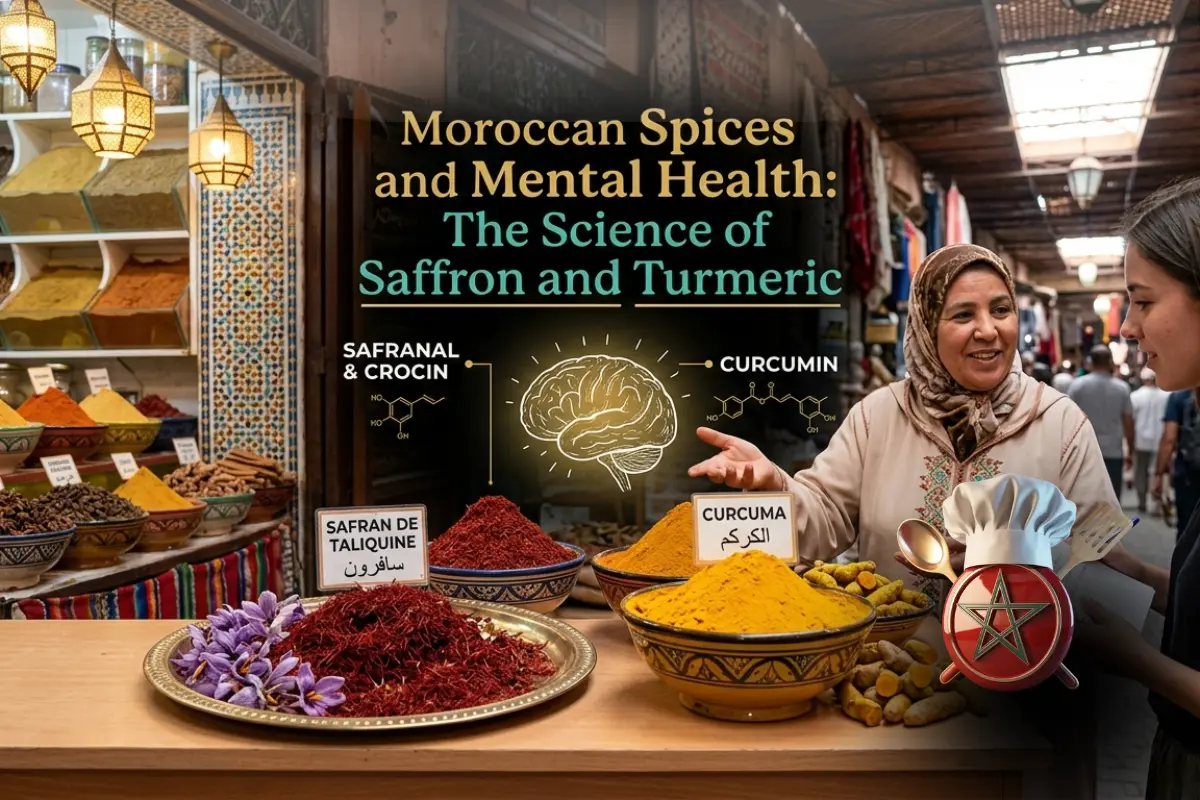
Introduction: The Ancient Wisdom of Moroccan Spice Medicine
In the bustling souks of Marrakech and Fez, vendors have been selling aromatic spices for centuries, touting not only their culinary prowess but also their healing properties. Among these treasured ingredients, saffron and turmeric stand out as golden threads that weave through Moroccan cuisine while offering profound benefits for mental health. Modern science is now validating what Moroccan grandmothers have known for generations: these precious spices are powerful allies in the fight against depression, anxiety, and cognitive decline.
The intersection of traditional Moroccan wisdom and contemporary neuroscience reveals fascinating insights into how these everyday cooking ingredients can transform our mental well-being. As Western societies grapple with rising rates of mental health challenges, the time has never been more relevant to explore these natural, food-based approaches to emotional wellness.
This comprehensive guide will take you on a journey through the scientific research backing these ancient remedies, explore their traditional uses in Moroccan culture, and provide practical ways to incorporate these powerful spices into your daily routine. Whether you're battling the winter blues, seeking natural alternatives to support your mental health, or simply curious about the therapeutic potential hiding in your spice cabinet, this exploration of saffron and turmeric will open your eyes to a world of natural healing possibilities.
Chapter 1: Saffron - The Golden Thread of Mental Wellness
Known as za'faran in Arabic, saffron has earned its reputation as one of the world's most precious spices, worth more than its weight in gold. This crimson treasure, harvested from the delicate stigmas of Crocus sativus flowers, has been cultivated in Morocco for over a thousand years, particularly in the region of Taliouine in the Anti-Atlas Mountains.
The Science Behind Saffron's Mood-Boosting Properties
Recent clinical studies have revealed that saffron contains several bioactive compounds responsible for its remarkable mental health benefits. The primary active constituents include crocin, crocetin, and safranal, which work synergistically to influence neurotransmitter activity in the brain.
A landmark study published in the Journal of Behavioral and Brain Science found that saffron extract was as effective as fluoxetine (Prozac) in treating mild to moderate depression. The research involved 40 adults over six weeks, with participants taking either 30mg of saffron extract or 20mg of fluoxetine daily. Remarkably, both groups showed similar improvements in depression scores, but the saffron group experienced fewer side effects.
The mechanism behind saffron's antidepressant effects involves multiple pathways. Crocin and crocetin appear to increase levels of serotonin, dopamine, and norepinephrine - the same neurotransmitters targeted by conventional antidepressants. Additionally, these compounds possess neuroprotective properties, helping to shield brain cells from oxidative stress and inflammation.
Traditional Moroccan Uses of Saffron for Mental Health
In traditional Moroccan medicine, saffron has long been prescribed for what we now recognize as symptoms of depression and anxiety. Moroccan healers, known as fqih, would recommend saffron tea for those experiencing gham (sadness) or qalaq (anxiety). This golden spice was often combined with other herbs in complex formulations designed to balance the body's humors and restore emotional equilibrium.
The cultural integration of saffron into daily life extends beyond medicine into cuisine. Traditional dishes like bastilla, tagine, and couscous frequently feature saffron, ensuring regular consumption of this mood-supporting spice. During special occasions and celebrations, saffron-infused sweets and teas are shared, reinforcing social bonds while providing subtle therapeutic benefits to the community.
Incorporating Saffron into Your Mental Health Routine
For Western audiences looking to harness saffron's mental health benefits, the key lies in consistent, appropriate dosing. Research suggests that 30mg of saffron extract daily provides optimal therapeutic effects. However, culinary use can also contribute to overall intake and enjoyment.
Start your day with saffron-infused tea by steeping a pinch of threads in hot water for 10 minutes. Add honey and lemon for additional mood-supporting nutrients. Alternatively, incorporate saffron into your cooking by adding it to rice dishes, soups, or even smoothies. The key is to crush the threads gently and allow them to infuse for maximum potency.
Chapter 2: Turmeric - The Golden Guardian of Cognitive Health
While saffron claims the title of most expensive spice, turmeric stands as the most researched spice for health benefits. Known as kharkoum in Moroccan Arabic, this vibrant golden root has been a cornerstone of North African cuisine and medicine for millennia. Unlike saffron's subtle presence in dishes, turmeric boldly colors and flavors Moroccan stews, tagines, and spice blends like ras el hanout.
Curcumin: The Active Compound Revolutionizing Mental Health Treatment
The primary bioactive compound in turmeric, curcumin, has garnered extensive scientific attention for its profound effects on brain health. Multiple meta-analyses have confirmed curcumin's efficacy in treating depression, with effect sizes comparable to conventional antidepressants when used as an adjunct therapy.
A groundbreaking study published in Phytotherapy Research followed 60 patients diagnosed with major depressive disorder for eight weeks. Participants were randomly assigned to receive fluoxetine (20mg), curcumin (1000mg), or a combination of both. The results were remarkable: the combination group showed the highest improvement rate at 77.8%, compared to 64.7% for fluoxetine alone and 62.5% for curcumin alone.
Curcumin's mechanism of action involves multiple pathways that address the root causes of depression and anxiety. It modulates the hypothalamic-pituitary-adrenal (HPA) axis, reducing cortisol levels and inflammatory markers. Additionally, curcumin increases brain-derived neurotrophic factor (BDNF), a protein crucial for neuroplasticity and the growth of new brain cells.
The Anti-Inflammatory Connection to Mental Health
One of turmeric's most significant contributions to mental health lies in its powerful anti-inflammatory properties. Chronic inflammation has been identified as a key driver of depression, anxiety, and cognitive decline. The inflammatory theory of depression suggests that elevated levels of inflammatory cytokines can disrupt neurotransmitter function and contribute to mood disorders.
Curcumin is one of nature's most potent anti-inflammatory compounds, with studies showing it can reduce inflammatory markers like C-reactive protein (CRP), interleukin-6 (IL-6), and tumor necrosis factor-alpha (TNF-α). By addressing inflammation at its source, turmeric helps create an optimal environment for mental wellness.
Research has also revealed that curcumin can cross the blood-brain barrier, allowing it to directly influence brain inflammation and oxidative stress. This unique property makes it particularly valuable for protecting against neurodegenerative diseases and age-related cognitive decline.
Moroccan Culinary Wisdom and Turmeric Integration
In traditional Moroccan households, turmeric is rarely used in isolation but rather as part of complex spice blends that enhance its bioavailability and therapeutic effects. The famous ras el hanout blend combines turmeric with black pepper, cinnamon, ginger, and other spices that work synergistically to maximize absorption and benefits.
The inclusion of black pepper is particularly important, as its active compound piperine increases curcumin absorption by up to 2000%. This traditional pairing demonstrates the intuitive wisdom of Moroccan cuisine, where flavor and health benefits are seamlessly integrated.
Modern research has validated this approach, showing that curcumin's bioavailability is enhanced when consumed with fats (like the olive oil common in Moroccan cooking) and heating (as occurs in traditional tagine preparation). These culinary techniques naturally optimize the therapeutic potential of this remarkable spice.
Chapter 3: The Neurochemical Symphony - How These Spices Transform Brain Function
Understanding the specific mechanisms by which saffron and turmeric influence brain chemistry provides valuable insights into their therapeutic potential. Both spices work through multiple pathways, creating a comprehensive approach to mental health support that differs significantly from single-target pharmaceutical interventions.
Neurotransmitter Modulation
Saffron's active compounds, particularly crocin and safranal, influence the brain's neurotransmitter systems in sophisticated ways. Unlike synthetic antidepressants that primarily target serotonin reuptake, saffron appears to modulate multiple neurotransmitter pathways simultaneously. Studies have shown increased levels of serotonin, dopamine, and norepinephrine in subjects taking saffron supplements.
The dopaminergic effects of saffron are particularly noteworthy, as dopamine plays a crucial role in motivation, pleasure, and reward processing. Many individuals with depression struggle with anhedonia - the inability to experience pleasure - which is closely linked to dopamine dysfunction. Saffron's ability to support dopamine function may explain why many users report not just improved mood, but also increased motivation and enjoyment of daily activities.
Turmeric's curcumin works through different but complementary pathways. It inhibits the enzyme monoamine oxidase, which breaks down serotonin, dopamine, and norepinephrine. By preventing the degradation of these mood-regulating neurotransmitters, curcumin helps maintain optimal levels for emotional stability and cognitive function.
Neuroplasticity and Brain Growth Factors
One of the most exciting discoveries in recent neuroscience research is the concept of neuroplasticity - the brain's ability to reorganize, adapt, and form new neural connections throughout life. Both saffron and turmeric have been shown to enhance neuroplasticity through various mechanisms.
Curcumin significantly increases levels of brain-derived neurotrophic factor (BDNF), often called 'Miracle Gro for the brain.' BDNF promotes the survival of existing neurons and encourages the growth and differentiation of new neurons and synapses. Low levels of BDNF have been associated with depression, anxiety, and neurodegenerative diseases.
Saffron demonstrates similar neuroprotective effects through its antioxidant properties. The compounds crocin and crocetin protect neurons from oxidative stress and may even help repair damaged brain cells. This protective effect is particularly important for long-term brain health and may explain why populations with high saffron consumption show lower rates of neurodegenerative diseases.
The Gut-Brain Axis Connection
Emerging research has revealed the critical importance of the gut-brain axis in mental health. The microbiome - the collection of bacteria, fungi, and other microorganisms living in our digestive system - produces neurotransmitters and influences mood through multiple pathways. Both saffron and turmeric contribute to mental health by supporting gut health and microbial balance.
Turmeric's anti-inflammatory properties extend to the digestive system, where chronic inflammation can disrupt the gut barrier and lead to systemic inflammation affecting brain function. Curcumin helps maintain intestinal barrier integrity and promotes the growth of beneficial bacteria while inhibiting pathogenic strains.
Saffron has been shown to possess prebiotic properties, feeding beneficial gut bacteria and promoting a healthy microbiome. This indirect effect on mental health through gut health represents another layer of these spices' therapeutic complexity.
Chapter 4: Clinical Evidence and Research Findings
The scientific validation of saffron and turmeric's mental health benefits has accelerated dramatically in recent years. Multiple randomized controlled trials, systematic reviews, and meta-analyses have established these spices as legitimate therapeutic interventions for various mental health conditions.
Saffron Clinical Studies
A comprehensive meta-analysis published in Human Psychopharmacology reviewed five randomized controlled trials involving 177 participants with major depressive disorder. The analysis concluded that saffron supplementation significantly improved depression symptoms compared to placebo, with effect sizes comparable to standard antidepressant medications.
One particularly impressive study conducted in Iran compared saffron extract to sertraline (Zoloft) in treating depression. Over six weeks, 40 adults with major depressive disorder received either 30mg of saffron extract or 100mg of sertraline daily. Both groups showed statistically significant improvements in depression scores, with no significant difference between treatments. Importantly, the saffron group reported fewer side effects, particularly sexual dysfunction, which commonly affects users of conventional antidepressants.
Research has also explored saffron's effectiveness for anxiety disorders. A double-blind, placebo-controlled study found that saffron extract significantly reduced anxiety symptoms in adults with generalized anxiety disorder. Participants taking 30mg of saffron extract daily for 12 weeks showed marked improvements in anxiety scores and quality of life measures.
Turmeric and Curcumin Research
The research base for turmeric and curcumin's mental health benefits is even more extensive. A 2020 systematic review and meta-analysis examined 10 randomized controlled trials involving 531 participants with depression. The analysis found that curcumin significantly reduced depression symptoms, particularly when used as an adjunctive treatment alongside conventional therapy.
Dosage appears to be crucial for optimal benefits. Studies using 500-1000mg of curcumin daily have shown the most consistent positive results. Higher doses don't necessarily provide additional benefits and may cause gastrointestinal side effects in some individuals.
Long-term studies have also examined curcumin's effects on cognitive function and neurodegenerative disease prevention. A landmark study published in the American Journal of Geriatric Psychiatry followed 40 adults aged 50-90 with mild memory complaints for 18 months. Participants taking curcumin supplements showed significant improvements in memory and attention compared to the placebo group, along with decreased accumulation of amyloid plaques in brain regions associated with Alzheimer's disease.
Safety Profile and Considerations
Both saffron and turmeric have excellent safety profiles when used in culinary amounts and therapeutic doses. Saffron is generally well-tolerated at doses up to 30mg daily, with few reported side effects. Occasional mild symptoms may include drowsiness, dry mouth, or nausea, particularly when starting supplementation.
Turmeric and curcumin are also considered very safe for most people. However, curcumin can enhance the effects of blood-thinning medications and may increase the risk of bleeding. Individuals taking anticoagulants should consult their healthcare provider before beginning curcumin supplementation.
Pregnant women should exercise caution with both spices in therapeutic doses, as high amounts of saffron may stimulate uterine contractions, and curcumin's effects during pregnancy are not well-studied.
| Study Parameter | Saffron | Turmeric/Curcumin |
|---|---|---|
| Effective Daily Dose | 30mg extract | 500-1000mg curcumin |
| Time to Effect | 2-4 weeks | 4-8 weeks |
| Depression Efficacy | Equal to fluoxetine | Equal to conventional antidepressants as adjunct |
| Anxiety Benefits | Significant reduction | Moderate reduction |
| Side Effects | Minimal (drowsiness, dry mouth) | Minimal (GI upset at high doses) |
| Drug Interactions | Few known | Blood thinners, diabetes medications |
Chapter 5: Practical Integration - Bringing Moroccan Spice Wisdom to Western Kitchens
Transforming scientific knowledge into practical daily habits requires understanding how to effectively incorporate these powerful spices into Western lifestyles and dietary patterns. The goal is to move beyond supplementation toward a food-first approach that honors the traditional Moroccan integration of medicine and cuisine.
Daily Incorporation Strategies
Begin your day with a warming golden milk latte featuring both turmeric and a pinch of saffron. Combine one teaspoon of turmeric powder, a few saffron threads, coconut milk, honey, and a pinch of black pepper. Heat gently while whisking, creating a creamy, aromatic beverage that delivers therapeutic doses of both spices while satisfying Western preferences for coffee shop-style drinks.
For lunch, consider preparing a Moroccan-inspired grain bowl featuring turmeric-spiced quinoa or rice. The key is to toast whole spices before grinding them, releasing essential oils and maximizing both flavor and therapeutic compounds. Combine turmeric with cumin, coriander, and cinnamon, cooking them in olive oil before adding grains and liquid.
Dinner presents opportunities for more complex flavor integration. Slow-cooked stews and braises naturally complement these spices while optimizing their bioavailability through gentle heat and fat-soluble extraction. Even simple roasted vegetables become therapeutic when tossed with olive oil and a spice blend featuring turmeric as the dominant flavor.
Bioavailability Optimization Techniques
Understanding how to maximize the absorption and utilization of these spices' active compounds can significantly enhance their therapeutic potential. Traditional Moroccan cooking techniques naturally incorporate many of these optimization strategies, demonstrating the wisdom embedded in cultural food practices.
For turmeric, always pair it with black pepper and healthy fats. The piperine in black pepper increases curcumin absorption by up to 2000%, while fats help solubilize the lipophilic compounds. Gentle heating also enhances bioavailability, explaining why turmeric is traditionally added to cooked dishes rather than consumed raw.
Saffron requires different handling for optimal potency. Steep the threads in warm liquid for at least 10 minutes before using, allowing the water-soluble compounds to extract fully. Crushing the threads gently between your fingers releases additional aromatic compounds and increases surface area for extraction.
Creating Therapeutic Spice Blends
Developing your own therapeutic spice blends allows for customization based on individual preferences and health goals while maintaining the synergistic benefits of traditional combinations. Start with a base blend mimicking ras el hanout, adjusting ratios based on desired therapeutic focus.
For mood support, create a blend emphasizing saffron and turmeric: combine two tablespoons turmeric, one teaspoon ground ginger, one teaspoon cinnamon, half a teaspoon black pepper, and a generous pinch of saffron threads. This mixture can be added to smoothies, sprinkled on oatmeal, or used as a seasoning for roasted vegetables.
Store spice blends in airtight containers away from light and heat to preserve potency. Label with dates and use within six months for optimal freshness and therapeutic value.
| Spice Application | Optimal Timing | Bioavailability Enhancers | Therapeutic Dose |
|---|---|---|---|
| Saffron Tea | Morning or evening | Warm water, 10-minute steep | 10-15 threads (≈30mg) |
| Turmeric Golden Milk | Evening | Black pepper, coconut milk, gentle heat | 1 tsp powder (≈200mg curcumin) |
| Cooking Integration | Any meal | Olive oil, slow cooking, spice combinations | 1-2 tsp turmeric, pinch of saffron |
| Smoothie Addition | Morning | Healthy fats (avocado, nuts), fruits | ½ tsp turmeric, few saffron threads |
| Supplement Form | With meals | Take with food containing fats | Follow manufacturer guidelines |
Frequently Asked Questions
How long does it take to notice mental health benefits from saffron and turmeric?
Most clinical studies show initial improvements in mood and anxiety symptoms within 2-4 weeks for saffron and 4-8 weeks for turmeric. However, individual responses vary significantly. Some people report subtle changes within days, particularly improved energy and motivation, while others may need 8-12 weeks to experience full benefits. Consistency is key - daily consumption provides better results than sporadic use. Keep a mood journal to track changes, as improvements can be gradual and easy to overlook.
Can I take saffron and turmeric supplements instead of using the whole spices?
While supplements can provide standardized, therapeutic doses of active compounds, whole spices offer additional benefits including fiber, minerals, and hundreds of phytochemicals that work synergistically. Supplements are useful for ensuring consistent therapeutic dosing, especially for saffron given its high cost. However, culinary use provides broader nutritional benefits and helps establish sustainable, long-term habits. The ideal approach combines both: supplements for therapeutic dosing and whole spices for culinary enjoyment and additional health benefits.
Are there any interactions between these spices and antidepressant medications?
Both saffron and turmeric are generally safe to use alongside conventional antidepressants, and some studies suggest they may enhance the effectiveness of standard treatments. However, individual responses vary, and both spices can potentially affect medication metabolism. Turmeric may enhance the effects of blood-thinning medications and could theoretically increase bleeding risk. Always consult with a healthcare provider before combining supplements with prescription medications, especially when starting or changing dosages.
What's the difference between regular turmeric powder and curcumin extracts?
Regular turmeric powder contains 2-8% curcumin along with other beneficial compounds like turmerone and bisdemethoxycurcumin. Curcumin extracts concentrate the active compound to 95% purity, providing higher therapeutic doses in smaller quantities. Whole turmeric offers broader benefits due to its compound diversity, while curcumin extracts provide more targeted, potent effects. For mental health benefits, both can be effective, but curcumin extracts typically require lower doses and may provide more consistent results.
How should I store saffron and turmeric to maintain their therapeutic properties?
Store saffron threads in an airtight container in a cool, dark place. Properly stored saffron maintains potency for 2-3 years. Avoid grinding until ready to use, as whole threads preserve volatile compounds better. Turmeric powder should be kept in airtight containers away from light and heat, maintaining potency for 12-18 months. Fresh turmeric root can be frozen for up to 6 months or stored in the refrigerator for 2-3 weeks. Both spices lose potency when exposed to light, heat, and air, so proper storage is crucial for maintaining therapeutic benefits.
Conclusion: Embracing the Golden Path to Mental Wellness
The convergence of ancient Moroccan wisdom and modern scientific research reveals a compelling narrative about the power of food as medicine. Saffron and turmeric represent more than exotic seasonings; they are sophisticated therapeutic agents capable of supporting mental health through multiple biological pathways. As we've explored throughout this comprehensive guide, these golden spices offer evidence-based alternatives and complements to conventional mental health treatments.
The beauty of this approach lies in its accessibility and integration with daily life. Unlike pharmaceutical interventions that may carry significant side effects, these natural compounds can be woven seamlessly into meals, beverages, and culinary traditions. The Moroccan approach to health through food provides a sustainable model for long-term wellness that nourishes both body and soul.
For Western audiences grappling with rising rates of depression, anxiety, and cognitive decline, these traditional remedies offer hope backed by rigorous scientific validation. The research clearly demonstrates that consistent use of saffron and turmeric can provide clinically meaningful improvements in mood, cognitive function, and overall mental wellness.
Moving forward, consider adopting a food-first approach to mental health support. Start small with daily golden milk or saffron tea, gradually incorporating these spices into your regular cooking routine. Pay attention to your body's responses, maintain consistency, and remember that natural healing often works more gradually than pharmaceutical interventions but with fewer side effects and additional health benefits.
The golden thread that runs through Moroccan cuisine offers more than flavor enhancement; it provides a pathway to enhanced mental wellness rooted in centuries of traditional knowledge and validated by contemporary science. By embracing these precious spices, we honor both our health and the wisdom of cultures that have long understood food's profound healing potential.
As you embark on this journey toward natural mental wellness, remember that healing is multifaceted. While saffron and turmeric offer powerful support, they work best as part of a comprehensive approach that includes proper nutrition, regular exercise, adequate sleep, stress management, and professional healthcare when needed. Let these golden spices be your allies in creating a more balanced, joyful, and mentally resilient life.