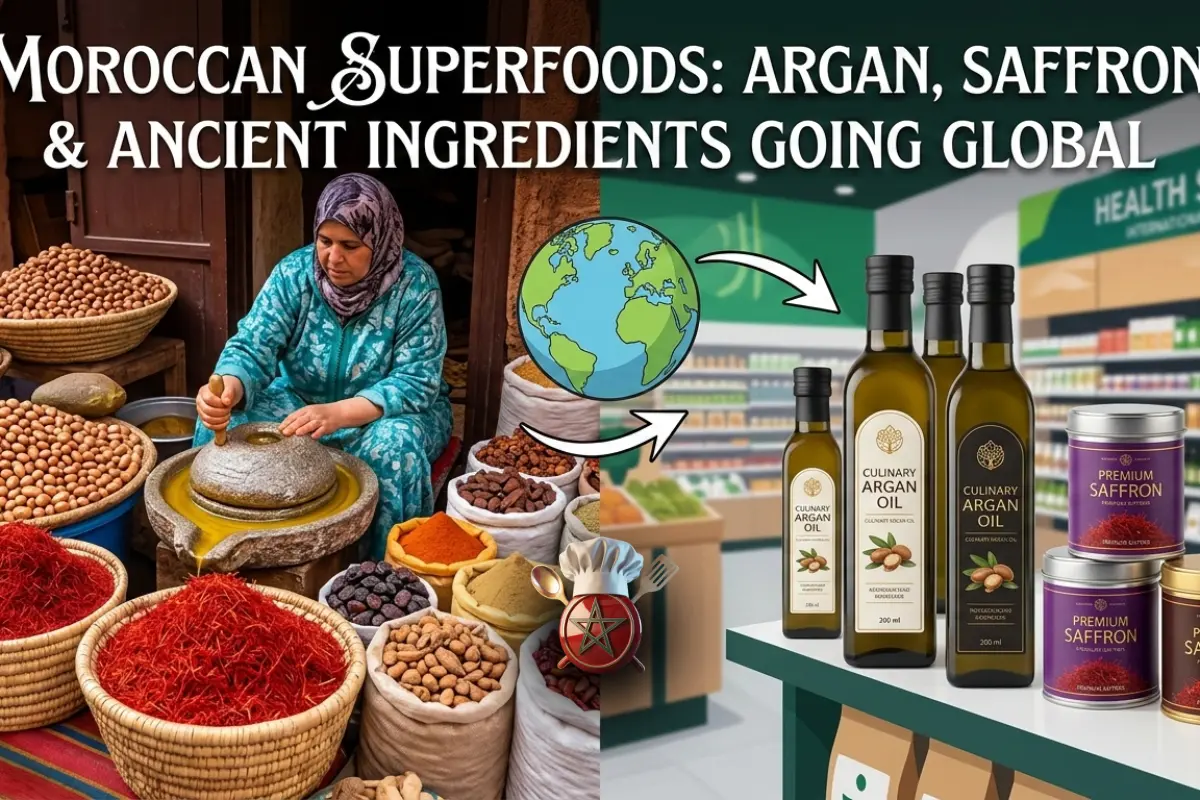
Introduction: Morocco's Ancient Wisdom Meets Modern Wellness
In the bustling markets of Marrakech and the wind-swept villages of the Atlas Mountains, Moroccan families have treasured certain ingredients for millennia—not just for their exquisite flavors, but for their remarkable health-giving properties. Today, these time-honored treasures are capturing the attention of health-conscious consumers, celebrity chefs, and wellness experts across the United States and Europe, earning recognition as some of the world's most potent superfoods.
Morocco's unique geographical position, straddling the Mediterranean, Atlantic, and Sahara Desert, has created an extraordinary ecosystem where rare and powerful ingredients thrive. From the precious argan trees that grow nowhere else on Earth to the delicate saffron crocus that blooms in the High Atlas, these superfoods represent thousands of years of traditional knowledge now validated by modern science.
The global superfood market, valued at over $137 billion and growing rapidly, has embraced Moroccan ingredients with unprecedented enthusiasm. Argan oil, once known only to Berber women, now graces the shelves of Whole Foods and high-end beauty boutiques from New York to London. Saffron, more valuable than gold by weight, commands premium prices in Western markets where consumers increasingly seek authentic, nutrient-dense ingredients.
This comprehensive exploration reveals why Moroccan superfoods are revolutionizing Western kitchens and wellness routines. We'll delve deep into the science behind their benefits, explore traditional uses that have sustained generations, and provide practical guidance for incorporating these extraordinary ingredients into your daily life. From the antioxidant powerhouse of argan oil to the mood-enhancing properties of saffron, prepare to discover how Morocco's ancient wisdom can transform your approach to health and nutrition.
The Liquid Gold Rush: Argan Oil's Global Conquest
No Moroccan superfood has captured Western imagination quite like argan oil, often called liquid gold for its precious rarity and extraordinary properties. This remarkable oil comes from the argan tree (Argania spinosa), an ancient species that exists nowhere else on Earth except in Morocco's southwestern regions. UNESCO has recognized these argan forests as a Biosphere Reserve, acknowledging both their ecological importance and their role in traditional Moroccan culture.
The Science Behind Argan Oil's Superfood Status
Modern nutritional analysis has revealed why Berber women have treasured argan oil for over 800 years. This golden elixir contains an exceptional concentration of vitamin E—nearly twice that of olive oil—along with essential fatty acids, antioxidants, and unique compounds called sterols that provide remarkable health benefits.
Research published in the Journal of Nutritional Science demonstrates that culinary argan oil consumption can significantly improve cardiovascular health markers. The oil's high content of oleic acid, the same heart-healthy monounsaturated fat found in olive oil, helps reduce LDL cholesterol while maintaining beneficial HDL levels. Additionally, argan oil contains rare compounds like CoQ10 and squalene, typically found in expensive supplements.
The antioxidant profile of argan oil is particularly impressive, featuring polyphenols, tocopherols, and carotenoids that work synergistically to combat oxidative stress and inflammation. These compounds have shown promise in studies examining metabolic syndrome, diabetes management, and even neurodegenerative diseases.
From Berber Tradition to Global Markets
The traditional production of argan oil represents one of the world's most labor-intensive food processes, which partly explains its premium pricing in Western markets. Berber women belonging to local cooperatives crack the incredibly hard argan nuts by hand—a skill passed down through generations—then grind the kernels using stone mills that have remained unchanged for centuries.
This artisanal process has created a sustainable economic model that empowers rural Moroccan women while preserving traditional knowledge. Many Western companies now partner directly with these cooperatives, ensuring fair trade practices while meeting growing international demand. The result is a win-win scenario where ancient traditions support modern wellness needs.
Culinary Applications for Western Kitchens
Western chefs and home cooks are discovering that culinary argan oil offers a unique nutty, buttery flavor profile that enhances both traditional and contemporary dishes. Unlike cosmetic argan oil, culinary grade oil comes from roasted kernels, creating deeper, more complex flavors that complement both sweet and savory applications.
In Moroccan cuisine, argan oil traditionally accompanies amlou (a spread made with almonds and honey), drizzles over couscous, and enriches tagines. Western applications have expanded to include salad dressings, finishing oils for grilled vegetables, and even artisanal ice cream production. The oil's high smoke point makes it suitable for medium-heat cooking, though many chefs prefer using it as a finishing oil to preserve its delicate flavor compounds.
Purchasing and Quality Considerations
The growing popularity of argan oil has unfortunately led to widespread adulteration and quality issues in Western markets. Authentic culinary argan oil should display several key characteristics: a rich golden color, a distinctive nutty aroma, and certification from recognized Moroccan cooperatives.
Price serves as a reliable quality indicator—authentic argan oil requires approximately 30 kilograms of fruit to produce just one liter of oil, making genuine products necessarily expensive. Consumers should expect to pay $25-40 per 8-ounce bottle for high-quality culinary argan oil from reputable sources.
Saffron: The Red Gold Transforming Western Cuisine
If argan oil is Morocco's liquid gold, then saffron represents its red gold—literally more valuable than gold by weight and coveted by chefs and food enthusiasts worldwide. While many associate saffron with Spanish paella or Persian cuisine, Morocco produces some of the world's finest saffron in the high-altitude valleys of the Atlas Mountains, where ideal growing conditions create exceptionally potent and flavorful threads.
Understanding Saffron's Exceptional Nutritional Profile
Saffron's status as a superfood extends far beyond its legendary flavor and aroma. This precious spice contains over 150 volatile compounds, including the powerful antioxidants crocin, crocetin, and safranal, which give saffron its distinctive color, taste, and therapeutic properties.
Recent clinical studies have revealed saffron's remarkable potential as a natural mood enhancer and antidepressant. Research published in the Journal of Behavioral and Brain Science shows that saffron supplementation can be as effective as conventional antidepressants for treating mild to moderate depression, without the associated side effects.
The spice also demonstrates significant neuroprotective properties, with studies suggesting potential benefits for memory enhancement, Alzheimer's prevention, and overall cognitive function. These effects are attributed to saffron's ability to increase levels of dopamine, norepinephrine, and serotonin in the brain.
Moroccan Saffron: Terroir and Tradition
Moroccan saffron cultivation centers around the town of Taliouine in the Anti-Atlas Mountains, where families have grown the delicate Crocus sativus for over a thousand years. The region's unique combination of high altitude, mineral-rich soil, and extreme temperature variations creates ideal conditions for producing saffron with exceptional potency and complexity.
The harvest occurs during a brief two-week period each October, when families work together to hand-pick the purple crocuses at dawn, before the morning sun damages the delicate flowers. Each flower yields only three precious stigmas, requiring approximately 150 flowers to produce just one gram of saffron—explaining why this spice commands prices of $2,000-5,000 per pound in international markets.
Moroccan saffron distinguishes itself through its deep red color, intense aroma, and complex flavor profile that combines sweet, metallic, and hay-like notes. Many Western chefs consider Moroccan saffron superior to other varieties for its exceptional coloring power and aromatic intensity.
Incorporating Saffron into Western Cooking
Western cuisine has embraced saffron not only for traditional applications like risotto and bouillabaisse but also for innovative modern preparations. The spice's versatility allows it to enhance both sweet and savory dishes, from saffron-infused honey and artisanal chocolates to contemporary interpretations of classic sauces and marinades.
Proper saffron preparation is crucial for maximizing its benefits and flavor. The threads should be soaked in warm liquid (water, wine, or stock) for at least 20 minutes before use, allowing the water-soluble compounds to release fully. This technique, known as blooming the saffron, intensifies both color and flavor while ensuring even distribution throughout the dish.
For Western home cooks, starting with small amounts is advisable—typically 1/4 teaspoon of threads serves 4-6 people. Saffron pairs exceptionally well with rice, seafood, poultry, and lamb, while dessert applications include ice creams, custards, and baked goods.
Authentication and Quality Assessment
The high value of saffron has led to extensive adulteration in global markets, making quality assessment crucial for Western consumers. Authentic saffron threads should be deep red with minimal yellow or white parts, possess a strong, sweet aroma, and feel dry and brittle to the touch.
The international standard for saffron grading uses categories I, II, and III, with Category I representing the highest quality. Look for certifications from recognized bodies and avoid powdered saffron, which is more easily adulterated. Reputable suppliers often provide certificates of analysis showing crocin content, the key indicator of saffron quality and potency.
Ancient Grains and Seeds: Morocco's Nutritional Powerhouses
Beyond the celebrity status of argan oil and saffron, Morocco harbors numerous traditional grains, seeds, and legumes that are gaining recognition in Western health food circles. These ancient ingredients, cultivated for millennia in Morocco's diverse microclimates, offer exceptional nutritional profiles that align perfectly with contemporary wellness trends toward whole foods and plant-based nutrition.
Freekeh: The Ancient Super-Grain
Freekeh, harvested from young green wheat that's roasted and cracked, represents one of the oldest processed grains known to humanity. Archaeological evidence suggests its use in the Middle East and North Africa dating back over 4,000 years. Moroccan freekeh, grown in the fertile plains near Meknes and Fez, offers superior nutritional benefits compared to modern processed grains.
This ancient grain contains nearly double the protein and fiber of brown rice, along with significant amounts of iron, calcium, and zinc. Its low glycemic index makes it particularly valuable for blood sugar management, while its high fiber content supports digestive health and satiety. The roasting process that creates freekeh also develops complex, nutty flavors that Western palates find appealing in both traditional and contemporary preparations.
Western nutritionists praise freekeh's amino acid profile, which includes all essential amino acids necessary for human health. The grain's versatility allows for use in everything from breakfast porridges and salads to pilafs and grain bowls, making it an excellent wheat berry or rice substitute for health-conscious consumers.
Niger Seeds and Traditional Oil Seeds
Morocco's traditional agriculture includes various oil-rich seeds that are now recognized as superfoods in Western markets. Niger seeds (Guizotia abyssinica), traditionally used in Moroccan bird feed and folk medicine, contain exceptionally high levels of omega-6 fatty acids and vitamin E.
These small, black seeds offer a nutty flavor and impressive nutritional density, with over 35% protein content and significant amounts of calcium, iron, and phosphorus. Traditional Moroccan preparation involves light roasting and grinding into pastes or incorporating whole into bread and grain dishes.
Western health food enthusiasts have discovered niger seeds' potential as a gluten-free protein source and natural calcium supplement. The seeds can be sprouted for enhanced nutrition, ground into flour for baking, or used whole in granolas and energy bars.
Heritage Legumes and Pulses
Moroccan cuisine relies heavily on various legumes that modern nutritional science has identified as exceptional sources of plant-based protein, fiber, and micronutrients. Traditional varieties like black-eyed peas, fava beans, and chickpeas grown in Morocco's diverse agricultural regions often contain higher nutrient concentrations than their commercial counterparts.
Moroccan black beluga lentils, grown in the cooler mountain regions, offer particularly impressive nutritional profiles with over 25% protein content and exceptional levels of folate, iron, and potassium. These heritage varieties maintain genetic diversity that has been lost in industrial agriculture, often resulting in superior flavor and nutrition.
The traditional Moroccan practice of combining legumes with grains creates complete protein profiles equivalent to animal sources, making these combinations particularly valuable for Western vegetarian and vegan consumers seeking optimal nutrition from plant sources.
Medicinal Spices and Herbs: Morocco's Natural Pharmacy
Moroccan traditional medicine, known as Tibb, has utilized local herbs and spices for therapeutic purposes for over a millennium. Many of these ingredients are now validated by modern research and sought after by Western consumers interested in functional foods and natural health solutions.
Ras el Hanout: The Ultimate Spice Blend
Ras el hanout, literally meaning head of the shop, represents the pinnacle of Moroccan spice artistry. This complex blend, containing anywhere from 12 to 35 different spices, showcases the therapeutic potential of combined phytochemicals working synergistically.
Traditional ras el hanout includes potent anti-inflammatory spices like turmeric, ginger, and cinnamon, combined with digestive aids such as cumin, coriander, and fennel. Many blends also incorporate adaptogenic herbs like ashwagandha and exotic ingredients like dried rosebuds, creating complex flavor profiles while delivering multiple health benefits.
Western research has confirmed the anti-inflammatory, antioxidant, and digestive benefits of many ras el hanout components. The blend's complexity allows for lower individual spice concentrations while maintaining therapeutic effects, making it an ideal introduction to functional spices for Western palates.
Nigella Seeds: Black Seed Benefits
Known in Morocco as habbat al-baraka (blessed seed), nigella seeds have been used medicinally for over 2,000 years. The Prophet Muhammad reportedly called them a remedy for every disease except death, and modern science is validating many traditional claims about their therapeutic potential.
Nigella seeds contain thymoquinone, a powerful compound with demonstrated anti-inflammatory, antioxidant, and immune-supporting properties. Research published in major medical journals shows potential benefits for blood sugar regulation, cholesterol management, and respiratory health.
In traditional Moroccan use, nigella seeds are consumed whole, ground into powder, or pressed into oil. Western applications have expanded to include supplement forms, though whole seeds incorporated into bread, yogurt, or salads provide both flavor and therapeutic benefits.
Wild Harvested Mountain Herbs
Morocco's diverse mountain ecosystems harbor numerous wild herbs with exceptional therapeutic properties. Plants like wild mint, mountain sage, and various artemisia species grow in pristine environments, creating concentrated phytochemical profiles that surpass cultivated varieties.
These wild herbs, traditionally harvested by Berber communities following sustainable practices, offer unique flavor profiles and health benefits unavailable from commercial sources. Wild Moroccan mint contains higher concentrations of menthol and antioxidants than garden varieties, while mountain sage provides superior antimicrobial and digestive benefits.
Western herbalists and natural health practitioners increasingly seek these wild-harvested ingredients for their potency and authenticity. However, sustainable sourcing and fair trade practices remain crucial considerations for ethical consumption.
The Nutritional Science Behind Moroccan Superfoods
The growing Western interest in Moroccan superfoods is supported by extensive research demonstrating their exceptional nutritional and therapeutic properties. Understanding the science behind these traditional foods helps Western consumers make informed choices while appreciating the wisdom embedded in traditional Moroccan food culture.
Antioxidant Powerhouses
Many Moroccan superfoods demonstrate exceptional antioxidant activity, measured using standardized tests like ORAC (Oxygen Radical Absorbance Capacity) values. Argan oil, for instance, shows ORAC values exceeding 400 μmol TE/g, significantly higher than olive oil or most conventional cooking oils.
The antioxidant compounds in Moroccan superfoods work through multiple mechanisms, including direct free radical scavenging, metal chelation, and upregulation of endogenous antioxidant systems. This multi-modal action provides more comprehensive protection against oxidative stress than single-compound supplements.
Research indicates that regular consumption of high-antioxidant foods can reduce markers of oxidative stress, inflammation, and cellular aging. The diverse antioxidant profiles found in Moroccan ingredients provide synergistic benefits that exceed the sum of their individual components.
Bioactive Compounds and Phytochemicals
Moroccan superfoods contain numerous bioactive compounds that demonstrate specific physiological effects. Saffron's crocin and crocetin cross the blood-brain barrier, directly affecting neurotransmitter systems and providing neuroprotective benefits. Similarly, argan oil's unique sterol profile influences cholesterol metabolism and cardiovascular health.
Many of these compounds are present in concentrations and combinations not found in other foods, reflecting Morocco's unique environmental conditions and traditional processing methods. The slow, artisanal production techniques often preserve heat-sensitive compounds that are destroyed in industrial processing.
Western nutritional science increasingly recognizes that whole foods provide benefits beyond their individual nutrients, a concept that traditional Moroccan food culture has embodied for centuries. The synergistic effects of multiple bioactive compounds working together often exceed the benefits of isolated supplements.
Nutrient Density and Bioavailability
Moroccan superfoods typically demonstrate exceptional nutrient density—high concentrations of essential nutrients per calorie—making them particularly valuable for modern Western diets that often provide excess calories with inadequate nutrition.
Traditional Moroccan food preparation methods often enhance nutrient bioavailability through techniques like fermentation, sprouting, and specific food combinations. For example, consuming vitamin C-rich preserved lemons with iron-rich legumes significantly enhances iron absorption, while the traditional pairing of turmeric with black pepper increases curcumin bioavailability.
These food synergies, developed through centuries of traditional practice, are now validated by modern nutrition science and offer practical guidance for Western consumers seeking to maximize the benefits of Moroccan superfoods.
Sourcing and Sustainability: Ethical Considerations for Western Consumers
As Moroccan superfoods gain popularity in Western markets, questions of sustainability, fair trade, and cultural appropriation become increasingly important. Responsible consumption requires understanding the social and environmental impact of increased global demand for these traditional ingredients.
Supporting Traditional Communities
The production of many Moroccan superfoods relies on traditional knowledge and labor-intensive processes performed by rural communities, particularly women's cooperatives. Increased Western demand can provide crucial economic opportunities for these communities, but only when trade relationships are structured fairly.
Authentic argan oil production, for example, supports thousands of Berber women through cooperative structures that provide training, fair wages, and community development programs. These cooperatives often reinvest profits into education, healthcare, and environmental conservation, creating positive social impact beyond simple commerce.
Western consumers can support these efforts by choosing products certified by recognized fair trade organizations and companies that maintain transparent relationships with producer communities. Price premiums for fairly traded products directly benefit the artisans and farmers who maintain traditional production methods.
Environmental Sustainability
Many Moroccan superfoods grow in fragile ecosystems that require careful management to maintain productivity while preserving biodiversity. The argan forests, for instance, serve crucial ecological functions including erosion control, carbon sequestration, and habitat provision for numerous species.
Traditional production methods often incorporate sustainable practices developed over centuries, such as rotational harvesting, natural pest control, and soil conservation techniques. These methods maintain ecosystem health while ensuring long-term productivity, but they require adequate economic returns to remain viable.
Climate change poses significant challenges to traditional Moroccan agriculture, with changing precipitation patterns and rising temperatures affecting crop yields and quality. Supporting sustainable production methods and climate adaptation efforts becomes crucial for ensuring long-term availability of these superfoods.
Quality and Authenticity Concerns
The growing demand for Moroccan superfoods has led to widespread adulteration and mislabeling in Western markets. Products claiming Moroccan origin may actually come from other countries or contain synthetic additives that compromise both quality and authenticity.
Establishing reliable supply chains requires partnerships between Western importers and verified Moroccan producers, often involving third-party certification and testing. Consumers benefit from understanding quality indicators and choosing suppliers who provide transparency about sourcing and production methods.
Supporting authentic products helps preserve traditional production methods and ensures that economic benefits reach the communities that maintain these ancient food traditions. This approach creates positive feedback loops that encourage continued traditional production while meeting Western quality and safety standards.
Practical Guide: Incorporating Moroccan Superfoods into Western Diets
Successfully integrating Moroccan superfoods into Western eating patterns requires understanding their unique properties, proper preparation methods, and complementary flavor combinations. This practical guide provides actionable advice for Western consumers seeking to benefit from these exceptional ingredients.
Starting Your Moroccan Superfood Journey
Begin with small amounts of one or two ingredients rather than attempting to incorporate multiple new foods simultaneously. This approach allows your palate to adapt while enabling you to assess individual effects on your health and well-being.
Culinary argan oil makes an excellent starting point due to its versatility and immediate sensory appeal. Begin by using it as a finishing oil for salads, roasted vegetables, or grain dishes, allowing its distinctive nutty flavor to enhance familiar foods without overwhelming them.
High-quality saffron, while expensive, provides exceptional value due to its potency—a small investment can transform numerous dishes while providing significant health benefits. Start with simple applications like saffron rice or infused honey before progressing to more complex preparations.
Storage and Handling Best Practices
Proper storage is crucial for maintaining the quality and potency of Moroccan superfoods. Argan oil should be stored in dark glass bottles away from heat and light, maintaining its delicate compounds for up to two years when properly handled.
Saffron threads require airtight storage in cool, dark conditions, preferably in small glass vials that minimize air exposure. Properly stored saffron maintains its potency for several years, making the initial investment more economical over time.
Whole spices and seeds generally maintain better quality than pre-ground alternatives. Invest in a high-quality spice grinder or mortar and pestle to process small amounts as needed, preserving volatile compounds that dissipate quickly in ground spices.
Recipe Integration Strategies
Successful integration of Moroccan superfoods into Western cuisine requires understanding their flavor profiles and optimal applications. Argan oil's nutty richness complements roasted vegetables, grain salads, and even dessert applications like drizzled over vanilla ice cream or incorporated into chocolate preparations.
Saffron's complex flavor enhances both sweet and savory dishes, but requires proper technique for optimal results. Always soak saffron threads in warm liquid before use, and add the resulting infusion during cooking rather than at the end to ensure proper flavor development.
Traditional Moroccan spice blends like ras el hanout can transform familiar Western dishes—try rubbing it on roasted chicken, mixing it into rice pilafs, or incorporating it into vegetarian stews and braises.
Meal Planning and Nutritional Balance
Incorporate Moroccan superfoods as part of balanced meal planning rather than as isolated supplements. The traditional Moroccan approach emphasizes whole foods consumed in combination, providing synergistic nutritional benefits.
Plan meals that combine complementary nutrients—for example, pairing iron-rich Moroccan lentils with vitamin C-containing preserved lemons, or combining turmeric-spiced dishes with black pepper to enhance curcumin absorption.
Consider the cumulative effects of regular consumption rather than expecting immediate results. Many of the health benefits associated with Moroccan superfoods develop through consistent, long-term consumption as part of an overall healthy dietary pattern.
Comparative Analysis: Moroccan vs. Other Global Superfoods
Understanding how Moroccan superfoods compare to other globally recognized health foods helps Western consumers make informed choices and appreciate the unique benefits of these traditional ingredients.
| Superfood | Origin | Key Benefits | Antioxidant Level | Price Range (per oz) | Culinary Versatility |
|---|---|---|---|---|---|
| Argan Oil | Morocco | Heart health, vitamin E, unique flavor | Very High | $4-6 | High |
| Extra Virgin Olive Oil | Mediterranean | Heart health, monounsaturated fats | High | $0.50-2 | Very High |
| Coconut Oil | Tropical regions | MCT fats, antimicrobial | Moderate | $0.75-1.50 | High |
| Moroccan Saffron | Morocco | Mood support, neuroprotection | Very High | $8-15 | Moderate |
| Spanish Saffron | Spain | Similar to Moroccan | High | $6-12 | Moderate |
| Turmeric | India/Asia | Anti-inflammatory, curcumin | High | $0.25-1 | High |
Unique Advantages of Moroccan Superfoods
Moroccan superfoods offer several distinct advantages over their global counterparts. The unique terroir of Morocco, influenced by diverse climatic zones and ancient cultivation techniques, often produces ingredients with exceptional potency and complexity.
Argan oil's exclusive geographic origin means it cannot be replicated elsewhere, unlike many other superfoods that are now cultivated globally with varying quality levels. This exclusivity, combined with traditional production methods, ensures consistent authenticity and quality when properly sourced.
The synergistic nature of traditional Moroccan ingredient combinations, developed over centuries, provides benefits that isolated superfoods may not match. Complex spice blends and traditional food pairings maximize bioavailability and nutritional benefit in ways that modern nutrition science is only beginning to understand.
Cost-Benefit Analysis
While some Moroccan superfoods command premium prices, their nutritional density and potency often provide excellent value compared to supplements or other health foods. A small amount of high-quality saffron, for instance, provides mood-supporting benefits equivalent to expensive commercial supplements.
The longevity of properly stored Moroccan superfoods also enhances their value proposition. High-quality argan oil maintains its properties for years, while whole spices and saffron retain potency much longer than processed alternatives.
Consider the cumulative health benefits and culinary enhancement when evaluating costs. These ingredients serve dual purposes as both nutritional supplements and culinary enhancers, providing value that single-purpose products cannot match.
Future Trends: Moroccan Superfoods in the Global Market
The trajectory of Moroccan superfoods in Western markets suggests continued growth and evolution, driven by increasing consumer awareness of traditional foods' health benefits and growing demand for authentic, sustainably produced ingredients.
Emerging Ingredients and Applications
Beyond the established success of argan oil and saffron, other Moroccan ingredients are beginning to capture Western attention. Prickly pear seed oil, with antioxidant levels exceeding argan oil, represents the next frontier in Moroccan beauty and culinary oils.
Traditional Moroccan fermented foods, including preserved lemons and fermented grain preparations, align with growing Western interest in gut health and probiotic foods. These products offer unique flavor profiles while providing digestive health benefits increasingly recognized by Western nutrition science.
Moroccan medicinal plants like wild oregano, mountain sage, and various endemic species present opportunities for natural health products, though sustainable harvesting and fair trade considerations remain paramount.
Innovation and Product Development
Western companies are increasingly collaborating with Moroccan producers to develop innovative products that maintain traditional authenticity while meeting contemporary consumer needs. These partnerships often result in standardized quality, improved packaging, and expanded distribution while preserving traditional production methods.
Value-added products like argan oil-based cooking sprays, saffron-infused honey, and pre-mixed authentic spice blends make Moroccan superfoods more accessible to time-conscious Western consumers without compromising quality or authenticity.
Supplement applications represent another growth area, with encapsulated saffron extracts and argan oil supplements providing concentrated benefits for consumers seeking therapeutic effects without culinary applications.
Sustainability and Social Impact Initiatives
Future success of Moroccan superfoods in Western markets increasingly depends on sustainable production and positive social impact. Companies that demonstrate genuine commitment to environmental conservation and community development will likely capture growing segments of socially conscious consumers.
Certification programs and transparency initiatives help Western consumers make informed choices while supporting responsible trade practices. These programs often include environmental monitoring, fair wage guarantees, and community development projects that benefit producer communities.
Climate adaptation strategies become increasingly important as changing weather patterns affect traditional growing regions. Investment in sustainable agriculture techniques and climate-resilient varieties ensures long-term availability while maintaining quality and authenticity.
Frequently Asked Questions
What makes Moroccan superfoods different from other healthy foods available in Western markets?
Moroccan superfoods are distinguished by their unique terroir, traditional production methods, and centuries of cultural refinement. Unlike many commercially produced health foods, Moroccan superfoods like argan oil can only be produced in specific geographic regions using traditional techniques that preserve their exceptional nutritional profiles. The combination of Morocco's diverse climate zones, ancient cultivation practices, and artisanal processing creates ingredients with potency and complexity that cannot be replicated through industrial production methods.
How can I verify the authenticity of Moroccan superfoods when shopping in Western stores?
Authentic Moroccan superfoods should display several key indicators: certification from recognized Moroccan cooperatives, appropriate pricing (genuine products command premium prices due to labor-intensive production), and specific sensory characteristics. For argan oil, look for a rich golden color, nutty aroma, and certification from women's cooperatives. Genuine saffron threads should be deep red with minimal yellow parts, possess a strong sweet aroma, and come with certificates of analysis showing crocin content. Always purchase from reputable suppliers who provide transparency about sourcing and production methods.
Are there any side effects or contraindications I should be aware of when consuming Moroccan superfoods?
Most Moroccan superfoods are generally safe for consumption by healthy adults when used in culinary quantities. However, some considerations apply: saffron should be limited to culinary amounts (typically less than 1.5 grams per day) as larger quantities can be toxic. People with bleeding disorders should consult healthcare providers before consuming large amounts of argan oil due to its vitamin E content. Those with specific plant allergies should research individual ingredients, and pregnant women should avoid therapeutic quantities of certain herbs and spices, though culinary use is typically safe.
How should I store Moroccan superfoods to maintain their quality and potency?
Proper storage is crucial for preserving the beneficial compounds in Moroccan superfoods. Argan oil should be stored in dark glass bottles away from heat and light, ideally at room temperature, where it maintains quality for up to two years. Saffron threads require airtight storage in cool, dark conditions, preferably in small glass vials that minimize air exposure—properly stored saffron maintains potency for several years. Whole spices and seeds should be kept in sealed containers away from moisture and heat, grinding small amounts as needed to preserve volatile compounds. Avoid storing these products in plastic containers or exposing them to direct sunlight.
What's the best way to incorporate Moroccan superfoods into a typical Western diet without overwhelming my palate?
Start gradually with small amounts of one ingredient at a time to allow your palate to adapt. Begin with argan oil as a finishing drizzle over familiar dishes like salads or roasted vegetables—its nutty flavor enhances rather than dominates. For saffron, start with simple applications like saffron rice or infused honey before progressing to more complex dishes. Use traditional Moroccan spice blends like ras el hanout in small quantities with familiar proteins like chicken or vegetables. Focus on enhancing dishes you already enjoy rather than completely changing your cooking style, gradually increasing amounts as your taste preferences develop.
Can I get the same health benefits from Moroccan superfood supplements as from whole foods?
While supplements can provide concentrated doses of specific compounds, whole food forms of Moroccan superfoods offer advantages that isolated supplements cannot match. Whole foods provide synergistic combinations of nutrients that work together, often enhancing absorption and effectiveness beyond what individual compounds can achieve. Traditional Moroccan food combinations, developed over centuries, maximize bioavailability through natural food synergies—for example, consuming turmeric with black pepper increases curcumin absorption significantly. Additionally, whole foods provide sensory satisfaction and culinary enjoyment that supplements cannot offer, potentially supporting better long-term adherence to healthy eating patterns.
What should I expect to pay for authentic, high-quality Moroccan superfoods, and how can I find the best value?
Authentic Moroccan superfoods command premium prices due to their labor-intensive production and limited geographic origins. Expect to pay $25-40 per 8-ounce bottle for genuine culinary argan oil, $100-200 per ounce for high-quality saffron threads, and $15-25 per pound for authentic spice blends. While these prices may seem high compared to conventional ingredients, consider their potency—small amounts provide significant benefits, making the cost per serving more reasonable. Look for fair trade certification, direct relationships with producer cooperatives, and bulk purchasing options to find better value while supporting authentic production methods.
Conclusion: Embracing Morocco's Ancient Wisdom for Modern Wellness
The journey through Morocco's treasure trove of superfoods reveals a remarkable convergence of ancient wisdom and modern science, where traditional knowledge meets contemporary nutritional understanding to create extraordinary opportunities for health and wellness. From the golden elixir of argan oil to the precious threads of saffron, these ingredients represent far more than exotic culinary additions—they embody centuries of cultural refinement and natural selection that have produced some of the world's most potent functional foods.
The global embrace of Moroccan superfoods signifies a broader shift in Western consciousness toward appreciating traditional food systems and their profound understanding of nutrition and health. As we've explored, these ingredients offer benefits that extend far beyond their individual nutritional profiles, providing synergistic effects and bioactive compounds that modern food science is only beginning to fully comprehend.
For Western consumers, incorporating Moroccan superfoods into daily life represents an opportunity to enhance both health and culinary enjoyment while supporting traditional communities and sustainable production methods. The premium prices these ingredients command reflect not just their rarity and potency, but also the artisanal care and cultural heritage embedded in their production.
The future of Moroccan superfoods in Western markets appears bright, driven by growing consumer awareness of their benefits and increasing availability through ethical trade partnerships. However, this growth must be balanced with respect for traditional knowledge, environmental sustainability, and fair economic relationships with producer communities.
As you begin or continue your exploration of Moroccan superfoods, remember that their greatest benefits emerge through consistent, thoughtful consumption as part of an overall healthy lifestyle. These ingredients work best when integrated into balanced dietary patterns that honor both their traditional applications and contemporary nutritional understanding.
The wisdom contained in Morocco's ancient food traditions offers valuable lessons for modern wellness: that the most powerful health foods often emerge from the marriage of specific terroir, traditional knowledge, and artisanal care. By embracing these superfoods, Western consumers can access not just exceptional nutrition, but also a deeper connection to the natural world and the cultural wisdom of communities that have treasured these ingredients for generations.
In our increasingly globalized food system, Moroccan superfoods stand as testament to the enduring value of traditional knowledge and the importance of preserving food diversity. Their success in Western markets demonstrates that authenticity, quality, and cultural respect can create sustainable economic models that benefit both consumers and traditional producers.
As you incorporate these remarkable ingredients into your kitchen and lifestyle, you become part of a bridge between ancient wisdom and modern wellness, supporting a food system that values tradition, sustainability, and the profound connection between what we eat and how we feel. The golden oils, precious spices, and ancient grains of Morocco offer not just nutrition for the body, but nourishment for a more conscious and connected approach to eating and living.