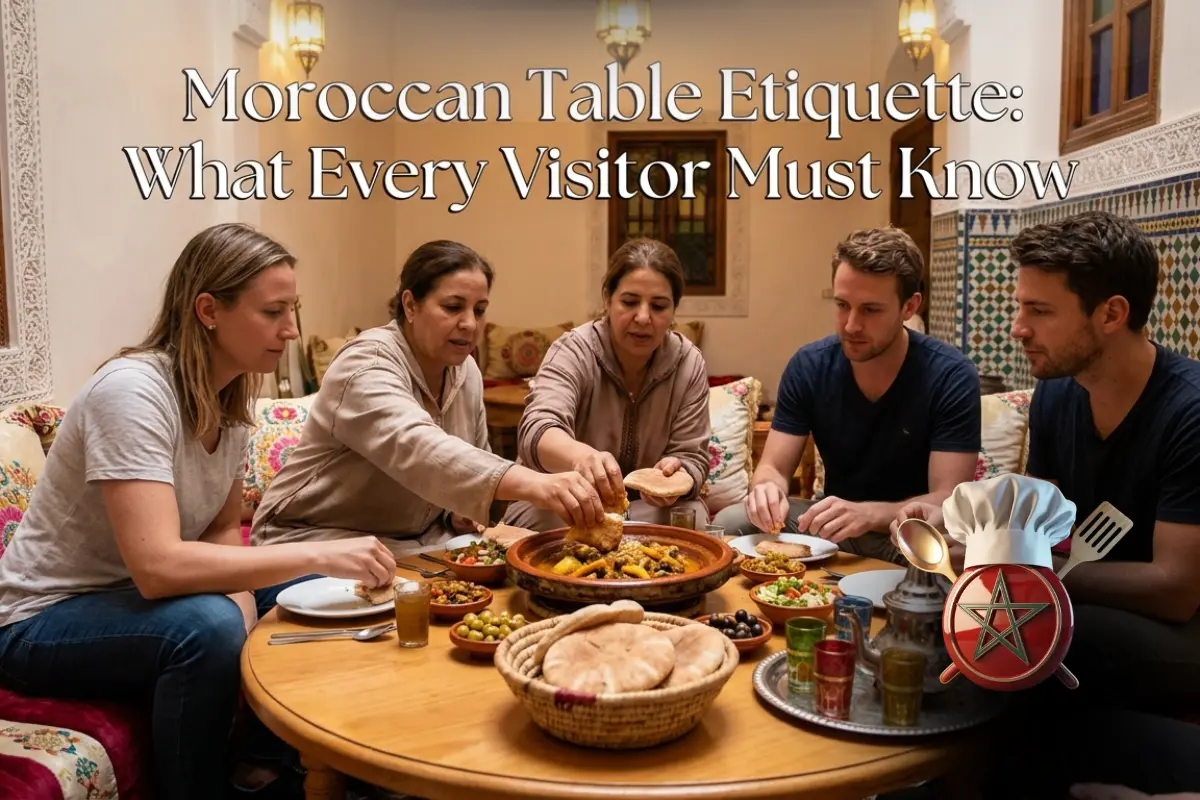
Stepping into a Moroccan home or restaurant for the first time can be an overwhelming sensory experience. The aromatic spices, vibrant colors, and warm hospitality create an atmosphere unlike anywhere else in the world. However, for Western visitors, navigating the intricate web of Moroccan dining customs can feel daunting without proper preparation.
Morocco's rich culinary traditions stretch back centuries, deeply rooted in Berber, Arab, and French influences. These diverse cultural threads have woven together to create not just exceptional cuisine, but also sophisticated dining protocols that reflect the country's values of hospitality, respect, and community. Understanding these customs isn't just about avoiding embarrassment – it's about showing respect for your hosts and fully immersing yourself in one of the world's most welcoming cultures.
From the moment you're invited to share a meal, you'll encounter traditions that may seem foreign to Western sensibilities. The communal nature of Moroccan dining, the emphasis on using your hands, and the complex dance of hospitality all serve deeper purposes in Moroccan society. These aren't arbitrary rules, but meaningful practices that have sustained communities for generations.
In this comprehensive guide, we'll walk you through every aspect of Moroccan table etiquette, from the initial greeting to the final sip of mint tea. Whether you're planning a trip to Morocco, dining at a Moroccan restaurant in your hometown, or fortunate enough to be invited into a Moroccan home, this knowledge will enhance your experience and demonstrate your appreciation for this magnificent culture.
The Sacred Nature of Moroccan Hospitality
Moroccan hospitality, known as karam, is more than social politeness – it's a deeply held cultural value that traces its roots to both Islamic teachings and ancient Berber traditions. The Moroccan proverb "Ad-dayf rizq" translates to "the guest brings sustenance," reflecting the belief that welcoming strangers brings blessings to the household.
When you're invited to dine in a Moroccan home, you're participating in a ritual that goes far beyond mere sustenance. Your presence is considered an honor, and your hosts will often go to extraordinary lengths to ensure your comfort and satisfaction. This generosity isn't performative – it's genuine expression of cultural values that prioritize community, sharing, and mutual respect.
Pre-Meal Rituals and Greetings
The dining experience begins long before food appears on the table. Upon arrival, expect to be greeted with warmth that might seem overwhelming to reserved Western sensibilities. Handshakes are common between men, while women may exchange kisses on both cheeks with other women and close male family members.
The traditional Arabic greeting "As-salamu alaykum" (peace be upon you) is widely used, though French greetings like "Bonjour" are also common due to Morocco's colonial history. Don't worry if you don't speak Arabic or French – a genuine smile and respectful demeanor transcend language barriers.
Before sitting down to eat, you'll typically be offered tea or coffee. This isn't just refreshment – it's the beginning of the hospitality ritual. Accepting this offering graciously is important, even if you only take a few sips. Refusing entirely can be perceived as rejecting your host's generosity.
The Importance of Cleanliness
Cleanliness holds particular significance in Moroccan dining culture, rooted in Islamic principles of purity. Before the meal begins, your host will often bring around a pitcher of warm water, a basin, and towels for hand washing. This ritual, called tqandil, serves both practical and spiritual purposes.
The hand-washing ceremony follows a specific protocol. Your host or a family member will pour warm water over your hands while you rub them together over the basin. Sometimes, scented soap or orange blossom water is provided. This isn't just about hygiene – it's a symbolic cleansing that prepares you for the sacred act of sharing food.
Accept this service gracefully, even if it feels awkward to have someone pour water for you. This is an honor being bestowed upon you as a guest. After washing, dry your hands thoroughly with the provided towel and express gratitude with "Baraka Allahu fik" (may God bless you) or a simple "Shukran" (thank you).
Seating Arrangements and Table Setup
Moroccan dining spaces are designed to foster intimacy and conversation. Traditional meals are served on low, round tables called tabla, surrounded by cushions or low stools. This arrangement encourages closeness and makes sharing food more natural and comfortable.
The seating arrangement isn't random – it reflects social hierarchies and cultural norms. The eldest or most honored guest is typically seated first and given the most comfortable position. As a visitor, you'll likely be guided to a place of honor, often directly across from or next to the host.
Understanding Table Dynamics
Unlike Western dining where individual place settings dominate, Moroccan meals emphasize communal sharing. The table setup reflects this philosophy, with shared dishes, communal bread, and serving utensils that everyone uses. This might feel invasive to Western sensibilities accustomed to personal space and individual portions, but embracing this communality is essential to the Moroccan dining experience.
The center of the table typically features the main dish – perhaps a towering tagine or a fragrant couscous platter. Surrounding this centerpiece, you'll find smaller dishes of salads, vegetables, and accompaniments. Bread, considered sacred in Moroccan culture, is always present and often serves as both utensil and sustenance.
Don't be surprised by the absence of individual plates in traditional settings. The concept of eating directly from shared dishes might seem unhygienic to Western minds, but remember that the pre-meal hand washing ritual addresses these concerns. Trust in the tradition and the cleanliness protocols that have served Moroccan families for centuries.
Proper Posture and Positioning
Sitting on cushions around a low table requires some adjustment for those accustomed to chair-and-table dining. The traditional position is cross-legged, but don't worry if this isn't comfortable for you. Moroccans understand that visitors may need to adjust their position frequently, and shifting to find comfort is perfectly acceptable.
What's more important than perfect posture is your engagement with the meal and conversation. Lean slightly toward the table to show interest, but avoid reaching across other diners. Keep your feet tucked under you when possible, as pointing the soles of your feet toward others can be considered disrespectful.
The Art of Eating with Your Hands
Perhaps no aspect of Moroccan dining etiquette creates more anxiety for Western visitors than eating with hands. This ancient practice, deeply rooted in tradition and practicality, is both an art form and a cultural expression. Far from being primitive or unsanitary, eating with hands is considered the most natural and respectful way to consume food.
The preference for hand-eating stems from several sources. Islamic tradition suggests that eating with hands creates a more intimate connection with food and demonstrates trust in its cleanliness. Practically, many Moroccan dishes are designed to be eaten this way – bread serves as a natural utensil, and the consistency of tagines and couscous makes them perfectly suited for hand consumption.
The Three-Finger Rule
The fundamental rule of Moroccan hand-eating is simple: use only your right hand, and specifically, only the thumb, index, and middle fingers. The right hand is considered clean and appropriate for eating, while the left hand is traditionally reserved for personal hygiene tasks. This might feel awkward initially, especially if you're left-handed, but it's a crucial cultural norm to observe.
Using three fingers isn't arbitrary – it's the most efficient and clean method for picking up food. Your fingertips do the delicate work of grasping food, while the rest of your hand remains clean. This technique takes practice, so don't be discouraged if you're clumsy at first. Moroccans are generally patient and understanding with visitors learning their customs.
The key to successful hand-eating is developing a gentle touch. Use your fingertips to pinch small portions of food, bringing them to your mouth without letting food touch your palm. If you're eating bread, tear off small pieces rather than biting directly from a larger piece. This shows refinement and consideration for others sharing the meal.
Bread as Utensil
Bread holds sacred significance in Moroccan culture and serves multiple purposes during meals. Beyond being sustenance, bread functions as your primary eating utensil. The round, flat Moroccan bread called khubz is perfect for scooping up tagine sauce, wrapping around meat, or soaking up the flavorful broths that accompany most dishes.
There's a proper technique for using bread as a utensil. Tear off a piece roughly the size of your thumb, then use it to pinch portions of food from the communal dishes. The bread should cradle the food, creating a perfect bite-sized morsel. This method keeps your fingers cleaner and allows you to enjoy the complete flavor combination that Moroccan cooks intend.
Never waste bread or treat it disrespectfully. If you drop a piece, pick it up immediately and set it aside rather than leaving it on the floor. Moroccans believe that wasting bread brings bad luck, and showing proper reverence for bread demonstrates your understanding of their values.
Navigating Different Dishes
Different Moroccan dishes require slightly different hand-eating approaches. With tagines, use bread to scoop up vegetables and sauce, while picking up meat pieces directly with your fingers. The conical tagine lid traps moisture, creating tender meats that fall apart easily – perfect for hand-eating.
Couscous presents a unique challenge for beginners. The traditional method involves using your fingers to form small balls of couscous mixed with vegetables and meat. This technique requires practice, but watching your fellow diners will provide guidance. Don't be afraid to ask for help – Moroccans take pride in teaching visitors their dining customs.
For salads and vegetable dishes, use bread pieces as small scoops. Many Moroccan salads are designed with consistency that makes this approach natural and efficient. The key is taking small portions and eating deliberately, showing respect for both the food and your dining companions.
Understanding Meal Structure and Timing
Moroccan meals follow a different rhythm than Western dining, with timing and structure that reflects cultural priorities around family, conversation, and savoring food. Understanding this flow will help you navigate meals more comfortably and show appreciation for Moroccan hospitality traditions.
Traditional Moroccan meals are events rather than mere feeding sessions. They're opportunities for family bonding, community building, and spiritual connection through shared sustenance. This means meals often last much longer than Western visitors might expect, sometimes stretching for hours with multiple courses, conversation breaks, and ceremonial elements.
The Multi-Course Experience
A typical Moroccan meal begins with small salads and appetizers, designed to stimulate appetite and provide opportunities for conversation. These mukhalala (mixed salads) might include olive and preserved lemon combinations, roasted pepper salads, or herb-heavy preparations that awaken the palate.
Don't fill up on these opening dishes, tempting though they may be. Moroccans view these as preparatory courses, and the main event is yet to come. Take small portions and pace yourself, understanding that this is just the beginning of a culinary journey.
The main course typically features the meal's centerpiece – a tagine, couscous preparation, or roasted meat. This is when the communal aspect of Moroccan dining becomes most apparent, as everyone gathers around the central dish. The host will often serve guests first, ensuring the choicest pieces of meat or vegetables make their way to visitors.
After the main course, fresh fruit is commonly served as a palate cleanser and digestive aid. This isn't dessert in the Western sense, but rather a natural conclusion to the meal's savory components. Accept fruit graciously and eat it slowly, understanding that this signals the meal's transition toward its final phase.
The Tea Ceremony Finale
No Moroccan meal is complete without the elaborate tea service that concludes the dining experience. Moroccan mint tea, known as atay, isn't just a beverage – it's a ceremony that requires skill, patience, and artistry from the person preparing it.
The tea preparation is typically performed by the head of household or an honored family member, and it's quite a spectacle. The tea is poured from a great height to create foam, then poured back into the pot and repeated several times to achieve the perfect blend and temperature. This isn't showmanship – it's a precise technique that affects the tea's flavor and presentation.
When tea is served to you, accept it graciously even if you're not typically a tea drinker. The first glass is considered the most important, and refusing it entirely can be seen as rejecting your host's hospitality. If you must limit your consumption, accept the glass, take a few appreciative sips, and compliment the preparation.
| Meal Component | Purpose | Etiquette Notes |
|---|---|---|
| Hand Washing | Purification and hygiene | Accept graciously, wash thoroughly |
| Appetizer Salads | Appetite stimulation | Small portions, don't fill up |
| Main Course | Centerpiece of meal | Eat from your section, use bread |
| Fresh Fruit | Palate cleanser | Eat slowly, signals transition |
| Mint Tea | Ceremonial conclusion | Accept first glass, compliment preparation |
Common Mistakes to Avoid
Even well-intentioned visitors can inadvertently commit cultural faux pas that diminish their dining experience or offend their hosts. Understanding these common mistakes will help you navigate Moroccan dining with greater confidence and cultural sensitivity.
Many Western visitors struggle with the communal nature of Moroccan dining, unconsciously applying individual dining habits to group-oriented traditions. The most frequent errors stem from misunderstanding the social dynamics, proper eating techniques, or the spiritual significance embedded in Moroccan food customs.
Eating and Serving Errors
One of the most common mistakes is eating from the wrong section of communal dishes. In traditional Moroccan dining, each person has an imaginary section of the shared plate directly in front of them. Reaching across to other sections, especially to grab choice pieces of meat or vegetables, is considered greedy and disrespectful.
Similarly, many visitors make the error of using their left hand for eating or passing food. This violates fundamental Islamic principles about cleanliness and can genuinely offend religious hosts. Even if you're left-handed, make the effort to use your right hand for all food-related activities.
Another frequent mistake involves bread handling. Never place bread directly on the table surface, cut it with a knife, or throw away uneaten pieces. Bread should be torn by hand, placed on a cloth or plate when not in use, and any leftover pieces should be set aside respectfully rather than discarded.
Overeating is paradoxically both expected and problematic in Moroccan dining. While hosts want you to eat heartily as a sign of appreciation, consuming everything offered can signal that they didn't provide enough food. Leave small amounts on communal dishes to indicate satisfaction rather than scarcity.
Social and Cultural Missteps
Many Western visitors underestimate the importance of complimenting the food and expressing gratitude throughout the meal. Moroccan hosts invest tremendous pride in their cooking and hospitality, and silent eating can be interpreted as dissatisfaction or indifference. Frequent expressions of appreciation are not only welcomed but expected.
Refusing food or drink entirely is perhaps the gravest error you can make. While you shouldn't force yourself to eat foods that make you genuinely ill, complete refusal of offered items signals rejection of your host's generosity. Instead, accept small portions and explain any dietary restrictions with appreciation for the gesture.
Another common mistake involves inappropriate conversation topics during meals. While Moroccans are generally open to discussing culture, travel, and family, avoid controversial political topics, criticism of Moroccan customs, or complaints about local conditions. Meals are times for positive interaction and building relationships.
Photography during meals, especially without permission, can be deeply offensive. Many Moroccan families consider mealtime a private, intimate experience, and documenting it for social media can be seen as exploitative. Always ask permission before taking any photos, and respect negative responses graciously.
| Common Mistake | Why It's Problematic | Correct Approach |
|---|---|---|
| Using left hand | Violates Islamic cleanliness principles | Always use right hand for eating |
| Eating from others' sections | Shows greed and poor manners | Eat only from your designated area |
| Refusing all food | Rejects host's hospitality | Accept small portions, explain restrictions kindly |
| Silent eating | Suggests dissatisfaction | Offer frequent compliments and gratitude |
| Wasting bread | Disrespects sacred food | Handle bread reverently, don't waste |
| Inappropriate photos | Violates family privacy | Ask permission first, respect refusals |
Regional Variations and Modern Adaptations
Morocco's diverse regions have developed distinct dining customs that reflect local traditions, geographical influences, and historical experiences. Understanding these variations will enhance your appreciation of Moroccan culture's complexity and help you adapt to different situations throughout the country.
The Atlas Mountains, Atlantic coast, and Saharan regions each bring unique elements to Moroccan dining culture. These differences aren't just about food – they extend to seating arrangements, hospitality customs, and social protocols that visitors should understand and respect.
Urban vs. Rural Dining Customs
Urban Moroccan dining, particularly in cities like Casablanca and Rabat, often incorporates more modern elements while maintaining traditional foundations. You might encounter Western-style tables and chairs alongside traditional floor seating, and some families blend Moroccan customs with French or international influences.
Rural dining tends to be more traditional and formal, with stronger emphasis on ceremonial elements and ancient customs. In Berber communities of the Atlas Mountains, you might experience unique variations like different bread types, regional spice blends, or specific hospitality rituals passed down through generations.
Coastal communities often incorporate more seafood into their dining traditions, which affects both the food served and eating techniques required. Fish-based meals might involve different utensil usage or serving styles compared to the meat and vegetable dishes common in inland areas.
Restaurant Etiquette
Dining in Moroccan restaurants presents different challenges than home visits, but many traditional customs still apply. Most tourist-oriented restaurants provide utensils for Western visitors, but using traditional hand-eating techniques will earn you respect and enhance your experience.
In traditional restaurants, you might still encounter floor seating and communal dishes, especially in establishments that cater to local clientele rather than tourists. These experiences offer authentic glimpses into Moroccan dining culture and should be approached with the same respect you'd show in private homes.
Modern Moroccan restaurants often blend traditional and contemporary elements, creating hybrid dining experiences that honor cultural heritage while accommodating international guests. Don't be surprised to find both traditional tagines and Western-style presentations on the same menu.
Frequently Asked Questions
What should I do if I have dietary restrictions or food allergies?
Communicate your dietary needs clearly and respectfully when invited to dine. Most Moroccan hosts are accommodating once they understand genuine health concerns. Learn key phrases like "Ana la akul..." (I don't eat...) followed by the specific food. However, always accept something, even if it's just bread and tea, to show respect for the hospitality.
Is it acceptable to ask for utensils if I'm uncomfortable eating with my hands?
While traditional meals emphasize hand-eating, most Moroccan hosts understand that this can be challenging for Western visitors. Politely asking for utensils is generally acceptable, especially if you explain that you're still learning the proper techniques. Many hosts will appreciate your honesty rather than watching you struggle uncomfortably.
How do I know when the meal is finished?
Moroccan meals conclude gradually rather than abruptly. The transition from main course to fruit to tea service signals the meal's end. When the host begins clearing dishes or when tea service concludes, these are indicators that the formal meal is ending. However, conversation often continues long after eating stops.
What's appropriate to bring as a gift when invited to someone's home?
Traditional gifts include pastries from a good bakery, high-quality tea, or flowers. Avoid bringing alcohol unless you're certain your hosts drink, as many Moroccan families abstain for religious reasons. Gifts for children are always appreciated, and showing interest in family demonstrates cultural awareness.
How should I dress for a Moroccan meal invitation?
Dress modestly and slightly more formally than you might for casual Western dining. For women, this means covering shoulders and wearing longer pants or skirts. For men, long pants and collared shirts are appropriate. Avoid revealing clothing, as this can be disrespectful in traditional households.
Embracing the Moroccan Dining Experience
Mastering Moroccan table etiquette isn't about perfect execution of every custom – it's about demonstrating respect, openness, and appreciation for a culture that views sharing food as one of life's most sacred acts. Your hosts will forgive minor mistakes if they see genuine effort to honor their traditions.
The beauty of Moroccan dining lies not in rigid rule-following but in the spirit of connection it fosters. When you sit around a communal table, eating with your hands from shared dishes, you're participating in an ancient human tradition that transcends language, nationality, and cultural differences. This is dining as it was meant to be – intimate, generous, and deeply human.
Remember that every Moroccan dining experience is also a cultural exchange. While you're learning their customs, your hosts are often equally curious about your background and experiences. This mutual interest creates opportunities for meaningful connections that extend far beyond the meal itself.
The skills you develop in Moroccan dining etiquette will serve you well beyond Morocco's borders. The principles of respect, patience, and cultural sensitivity that guide Moroccan table manners are universal values that enhance any cross-cultural interaction.
As you prepare for your Moroccan dining adventures, approach them with curiosity rather than anxiety. These meals offer windows into family life, community values, and spiritual practices that have sustained Moroccan culture for centuries. By participating respectfully, you become part of this continuing tradition, creating memories and relationships that will enrich your understanding of the world.
The generosity of Moroccan hospitality will likely surprise and move you. In a world that often feels disconnected and hurried, the deliberate pace and genuine warmth of Moroccan dining offers a reminder of food's power to bring people together. Embrace this gift, and carry its lessons with you long after your last sip of mint tea.