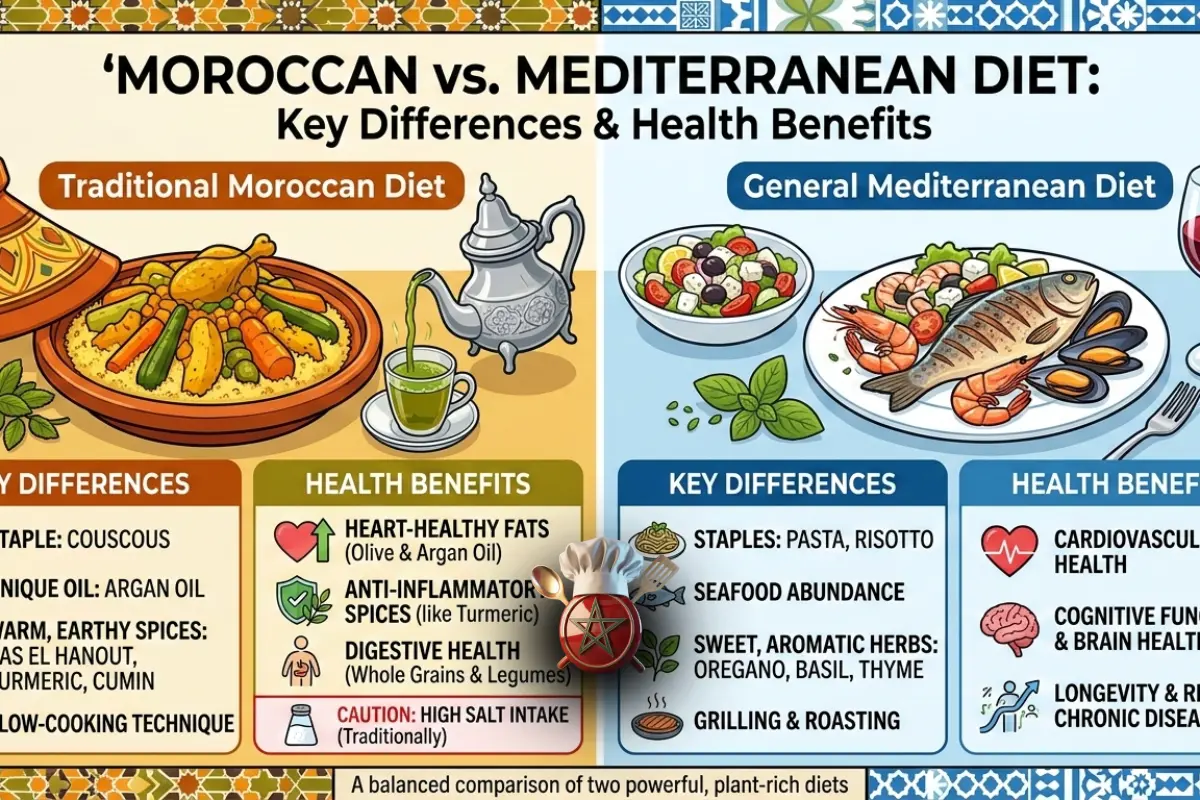
Introduction: Two Ancient Dietary Traditions
When discussing the world's healthiest dietary patterns, the Mediterranean diet often takes center stage in Western health circles. However, another equally fascinating and nutritious dietary tradition has been thriving for centuries just across the Mediterranean Sea in Morocco. The Moroccan diet, with its rich tapestry of flavors, spices, and nutritional wisdom, offers a compelling alternative that deserves serious consideration alongside its Mediterranean counterpart.
Both dietary patterns have sustained populations for millennia, contributing to longevity, reduced disease rates, and overall well-being. Yet despite their geographical proximity and some shared ingredients, these two dietary approaches have distinct characteristics that set them apart in meaningful ways. Understanding these differences can help you make informed decisions about which elements from each tradition might best serve your health goals and lifestyle preferences.
The Mediterranean diet has been extensively studied and promoted in Western countries, particularly following landmark research like the Seven Countries Study and numerous subsequent investigations. Meanwhile, the traditional Moroccan diet remains relatively unexplored in mainstream nutrition science, despite its potential health benefits and the longevity observed in traditional Moroccan populations.
This comprehensive comparison will explore the fundamental principles, key ingredients, preparation methods, and health outcomes associated with both dietary patterns. We'll examine how these traditional ways of eating might translate to modern Western lifestyles and which approach might be more suitable for different health goals and personal preferences.
Understanding the Mediterranean Diet: Principles and Foundation
The Mediterranean diet represents the traditional eating patterns of countries bordering the Mediterranean Sea, including Greece, Italy, Spain, and southern France. This dietary approach gained international recognition after researchers noticed that populations in these regions experienced lower rates of heart disease, certain cancers, and other chronic conditions compared to Northern European and American populations.
Core Principles of the Mediterranean Diet
At its foundation, the Mediterranean diet emphasizes whole, minimally processed foods with a particular focus on plant-based ingredients. Olive oil serves as the primary source of dietary fat, replacing butter and other saturated fats common in Western diets. This substitution alone represents one of the most significant differences from standard American eating patterns.
The diet prioritizes fresh vegetables, fruits, whole grains, legumes, nuts, and seeds as dietary staples. Fish and seafood are consumed regularly, typically two to three times per week, while poultry appears in moderate amounts. Red meat consumption remains minimal, often limited to special occasions or small portions used for flavoring rather than as the main component of meals.
Dairy products, particularly cheese and yogurt, feature regularly but in modest quantities. Wine consumption, especially red wine, is traditional and moderate, usually consumed with meals rather than separately. This pattern of alcohol consumption differs significantly from binge drinking or consuming alcohol without food.
Meal Structure and Social Aspects
Mediterranean meals traditionally follow a structured pattern that emphasizes social interaction and mindful eating. Breakfast tends to be light, often consisting of bread with olive oil, tomatoes, or simple pastries with coffee. The main meal typically occurs in the early afternoon, followed by a lighter evening meal.
The social component of Mediterranean eating cannot be understated. Meals are viewed as opportunities for family and community gathering, with extended meal times that promote slower eating and better digestion. This approach contrasts sharply with the rushed, on-the-go eating culture prevalent in many Western countries.
Seasonal and Regional Variations
One often-overlooked aspect of the Mediterranean diet is its inherent seasonality and regional variation. Traditional Mediterranean populations ate what was locally available and in season, leading to natural dietary diversity throughout the year. Spring might emphasize fresh greens and early vegetables, summer would bring abundant fruits and tomatoes, autumn would feature nuts and late-season produce, and winter would rely more heavily on preserved foods, grains, and legumes.
Exploring the Moroccan Diet: A North African Culinary Tradition
The traditional Moroccan diet represents a unique fusion of Berber, Arab, Mediterranean, and Sub-Saharan African influences, creating a distinctive culinary tradition that has sustained the population for centuries. This dietary pattern reflects Morocco's position as a crossroads of cultures and trade routes, resulting in a sophisticated cuisine that balances nutrition with complex flavors.
Fundamental Elements of Moroccan Cuisine
Unlike the Mediterranean diet's emphasis on simplicity, Moroccan cuisine is characterized by its complex spice blends and elaborate preparation methods. Spices are not merely flavor enhancers but serve important nutritional and preservative functions. Cumin, coriander, cinnamon, ginger, turmeric, and saffron appear regularly, each contributing unique health benefits alongside their distinctive flavors.
The Moroccan diet heavily features tagines, slow-cooked stews that combine meat or fish with vegetables, dried fruits, nuts, and aromatic spices. These one-pot meals maximize nutrient retention while creating complex flavor profiles that satisfy both nutritional and sensory needs. The clay pots used for tagines also contribute minerals to the food and promote even, gentle cooking.
Couscous serves as a primary grain, typically steamed and served with vegetables and sometimes meat or fish. This preparation method differs significantly from Mediterranean pasta or rice dishes, creating a lighter, more easily digestible grain component. Traditional couscous preparation is labor-intensive, requiring multiple steaming sessions to achieve the proper texture.
Unique Ingredients and Preparation Methods
Moroccan cuisine incorporates several unique ingredients that distinguish it from Mediterranean cooking. Preserved lemons add a distinctive tangy, salty flavor while providing probiotics and enhanced mineral content. Argan oil, produced exclusively in Morocco, offers a different fatty acid profile compared to olive oil, with higher levels of vitamin E and unique phytosterols.
The use of dried fruits in savory dishes represents another distinctive aspect of Moroccan cuisine. Dates, apricots, and raisins appear regularly in tagines and couscous dishes, providing natural sweetness, fiber, and concentrated nutrients. This practice creates more complex flavor profiles while adding nutritional density to meals.
Mint tea, consumed throughout the day, serves both social and digestive functions. The combination of green tea, fresh mint, and moderate amounts of sugar provides antioxidants while supporting digestion after meals. This beverage tradition also ensures adequate fluid intake in Morocco's often arid climate.
Bread Culture and Grain Consumption
Bread holds profound cultural and nutritional significance in Moroccan society. Traditional Moroccan bread, known as khubz, is typically made from wheat flour and baked in communal ovens. The bread serves as both a utensil and a substantial portion of daily caloric intake, similar to its role in some Mediterranean cultures but with different preparation methods and consumption patterns.
The quality and preparation of grains in traditional Moroccan cuisine often involves fermentation processes that enhance digestibility and nutrient availability. These traditional methods contrast with modern industrial bread production and may contribute to better tolerance and nutritional outcomes.
Key Differences: A Detailed Comparison
While both the Mediterranean and Moroccan diets share some common elements, their differences are substantial and meaningful for health outcomes and practical implementation.
Spice Usage and Flavor Profiles
The most immediately apparent difference between these dietary patterns lies in their approach to seasoning and flavor development. Mediterranean cuisine tends toward simpler seasoning with herbs like basil, oregano, rosemary, and thyme, often used individually or in simple combinations. The flavor profiles emphasize the natural tastes of ingredients, enhanced rather than transformed by seasonings.
Moroccan cuisine, conversely, employs complex spice blends that can include ten or more different spices in a single dish. Ras el hanout, a signature Moroccan spice blend, can contain up to thirty different spices, each contributing to both flavor and nutritional content. This approach creates layers of taste that evolve during cooking and digestion.
From a health perspective, the intensive spice usage in Moroccan cuisine provides significantly higher levels of antioxidants, anti-inflammatory compounds, and bioactive substances. Turmeric, for example, appears regularly in Moroccan cooking but less frequently in traditional Mediterranean dishes. Similarly, the warming spices common in Moroccan cuisine may support metabolism and circulation in ways that Mediterranean herbs do not.
Cooking Methods and Food Preparation
Mediterranean cooking often emphasizes quick, high-heat methods like grilling, sautéing, and roasting, which preserve the fresh flavors of ingredients while maintaining some texture and bite. Vegetables might be lightly cooked or served raw in salads, and fish is often simply grilled with olive oil, lemon, and herbs.
Moroccan cooking traditionally favors slow, low-heat methods that allow flavors to develop and meld over time. The tagine cooking method, for instance, uses minimal liquid and gentle steam to cook ingredients slowly, concentrating flavors while maintaining moisture. This approach tends to break down tough fibers in vegetables and meat, potentially making nutrients more bioavailable.
These different cooking approaches have implications for both nutrition and digestion. The slow-cooking methods common in Moroccan cuisine may enhance the absorption of fat-soluble vitamins and carotenoids, while the quicker Mediterranean methods might preserve heat-sensitive vitamins like vitamin C.
Protein Sources and Consumption Patterns
| Aspect | Mediterranean Diet | Moroccan Diet |
|---|---|---|
| Primary Protein | Fish and seafood | Lamb and chicken |
| Red Meat Frequency | Rare, special occasions | Regular but moderate |
| Legume Usage | Regular, often as main dishes | Frequent, usually in stews |
| Dairy Consumption | Moderate cheese and yogurt | Limited, mainly in specific dishes |
| Egg Consumption | Moderate | Moderate, often in tagines |
The protein patterns in these two dietary approaches reflect both geographical availability and cultural preferences. The Mediterranean diet's emphasis on fish reflects the abundance of seafood in the Mediterranean Sea and the coastal lifestyle of many traditional populations. This provides high levels of omega-3 fatty acids, particularly EPA and DHA, which support cardiovascular and cognitive health.
The Moroccan diet's reliance on lamb and chicken reflects the pastoral traditions and climate of North Africa. While this might seem less healthy from a modern perspective, traditional Moroccan consumption patterns involved grass-fed, free-range animals that provided different nutritional profiles than conventional Western meat. Additionally, meat often serves as a flavoring agent rather than the primary component of dishes.
Carbohydrate Sources and Processing
Both dietary patterns emphasize whole grains, but their specific choices and preparation methods differ significantly. Mediterranean diets traditionally include various grains: wheat in the form of pasta and bread, rice in some regions, and ancient grains like farro and barley. These are typically prepared simply, allowing their natural flavors and textures to predominate.
The Moroccan diet centers heavily on couscous, which is technically a pasta made from semolina wheat but prepared through a unique steaming process. This preparation method creates a lighter, more digestible grain product that absorbs flavors well. Traditional couscous preparation also involves multiple cooking stages that may alter its glycemic impact compared to other wheat products.
Bread consumption patterns also differ. Mediterranean populations traditionally consume bread with meals as an accompaniment, while in Moroccan culture, bread often serves as a utensil and more integral part of the meal structure.
Nutritional Analysis and Health Benefits
Cardiovascular Health Outcomes
Both dietary patterns show significant benefits for cardiovascular health, but through potentially different mechanisms. The Mediterranean diet's cardiovascular benefits are well-documented through numerous studies, including the landmark PREDIMED trial, which demonstrated a 30% reduction in cardiovascular events among high-risk individuals following a Mediterranean diet supplemented with extra virgin olive oil or nuts.
The Mediterranean diet's cardiovascular benefits appear to stem from several factors: high olive oil consumption provides monounsaturated fats and antioxidants, regular fish consumption supplies omega-3 fatty acids, and abundant fruits and vegetables contribute fiber, potassium, and antioxidants. The moderate wine consumption may also contribute through antioxidant compounds like resveratrol, though this remains controversial.
While formal research on the Moroccan diet's cardiovascular effects is limited, observational data from traditional Moroccan populations suggests similar benefits. The extensive use of spices like turmeric, cinnamon, and ginger provides anti-inflammatory compounds that may support cardiovascular health. The emphasis on lean proteins and the inclusion of nuts and dried fruits also contribute beneficial nutrients.
The Moroccan diet's potential cardiovascular advantages might include superior anti-inflammatory effects due to intensive spice usage. Turmeric, commonly used in Moroccan cuisine, contains curcumin, which has demonstrated anti-inflammatory and antioxidant properties in numerous studies. Similarly, cinnamon may help regulate blood sugar levels, indirectly supporting cardiovascular health.
Anti-Inflammatory Properties
Both dietary patterns demonstrate significant anti-inflammatory potential, but through different primary mechanisms. The Mediterranean diet's anti-inflammatory effects come largely from olive oil's oleic acid and polyphenols, omega-3 fatty acids from fish, and antioxidants from fruits and vegetables.
The Moroccan diet may actually surpass the Mediterranean diet in anti-inflammatory potential due to its intensive use of anti-inflammatory spices. Turmeric, ginger, cinnamon, and other common Moroccan spices contain compounds that actively reduce inflammatory markers in the body. This could be particularly beneficial for individuals dealing with chronic inflammatory conditions.
Research has shown that regular consumption of turmeric can significantly reduce inflammatory markers like C-reactive protein and interleukin-6. Ginger has demonstrated similar effects, while also supporting digestive health. Cinnamon has been shown to improve insulin sensitivity and reduce inflammation associated with metabolic syndrome.
Digestive Health and Gut Microbiome
Both dietary patterns support digestive health through high fiber intake from fruits, vegetables, and whole grains. However, their approaches to promoting digestive wellness differ in important ways.
The Mediterranean diet supports gut health through diverse plant foods that feed beneficial bacteria, fermented foods like yogurt and cheese that provide probiotics, and olive oil that may promote beneficial bacterial growth. The moderate wine consumption might also contribute to microbiome diversity, though this effect is still being studied.
The Moroccan diet's digestive benefits may be even more pronounced due to several unique factors. The extensive use of digestive spices like cumin, coriander, and fennel has been traditionally used to prevent digestive discomfort and support healthy digestion. These spices contain compounds that stimulate digestive enzyme production and may have antimicrobial effects that promote healthy bacterial balance.
The slow-cooking methods common in Moroccan cuisine also contribute to digestive health by breaking down complex compounds that might otherwise cause digestive stress. The traditional preparation of preserved lemons provides natural probiotics, while mint tea consumed after meals supports digestion and may have antimicrobial properties.
Weight Management and Metabolic Health
Both dietary patterns can support healthy weight management, but through different mechanisms and with different practical considerations for Western populations.
The Mediterranean diet supports weight management through several pathways: high fiber content increases satiety, healthy fats from olive oil and nuts provide satisfaction and may boost metabolism, and the emphasis on whole foods naturally reduces caloric density while increasing nutrient density. The moderate wine consumption and social eating patterns may also contribute to better portion control and eating satisfaction.
The Moroccan diet's weight management benefits may stem from its complex spice usage, which can boost metabolism and increase satiety. Many Moroccan spices, including cinnamon, ginger, and cayenne pepper, have thermogenic properties that may increase energy expenditure. The slow-cooked, flavorful dishes also tend to be very satisfying, potentially reducing overall caloric intake.
However, the Moroccan diet's traditional inclusion of sweet elements in savory dishes and the cultural importance of hospitality and abundant food might present challenges for weight management in Western contexts where portion control is more individualized.
Practical Implementation for Western Lifestyles
Adapting the Mediterranean Diet
The Mediterranean diet has gained popularity in Western countries partly because it's relatively easy to adapt to modern lifestyles. Most Mediterranean ingredients are readily available in Western supermarkets, and the cooking methods are familiar to most Western cooks.
Practical Mediterranean implementation strategies include:
- Replacing butter and other cooking fats with extra virgin olive oil
- Incorporating fish into meals two to three times per week
- Eating a variety of colorful vegetables daily, both cooked and raw
- Choosing whole grains over refined options
- Snacking on nuts, fruits, and vegetables rather than processed foods
- Using herbs and simple seasonings to enhance natural flavors
- Enjoying moderate amounts of red wine with meals (if alcohol consumption is appropriate)
The Mediterranean diet's flexibility makes it sustainable for long-term adherence. It doesn't require exotic ingredients or complex preparation methods, and it can be adapted to various budgets and time constraints. Many Mediterranean meals can be prepared quickly, making them suitable for busy Western lifestyles.
Implementing Moroccan Dietary Principles
Adapting the Moroccan diet to Western lifestyles presents more challenges but offers unique rewards. The main obstacles include sourcing authentic ingredients, learning new cooking techniques, and adjusting to different flavor profiles.
Practical Moroccan diet implementation strategies include:
- Gradually introducing Moroccan spice blends into familiar dishes
- Learning basic tagine cooking techniques, even without traditional clay pots
- Incorporating preserved lemons and other fermented elements
- Using slow-cooking methods to develop complex flavors
- Balancing sweet and savory elements in main dishes
- Preparing homemade spice blends for better quality and freshness
- Adopting the Moroccan tea culture for better hydration and digestion
The Moroccan diet's complexity can be overwhelming initially, but starting with simple dishes and gradually building spice collections can make the transition manageable. Many Moroccan principles can be applied to familiar Western dishes, such as adding warming spices to stews or incorporating dried fruits into grain dishes.
Cost Considerations and Accessibility
Both dietary patterns can be implemented at various budget levels, but they present different economic considerations for Western consumers.
The Mediterranean diet's cost factors include higher prices for quality olive oil, fresh fish, nuts, and organic produce. However, the emphasis on seasonal eating and simple preparations can help manage costs. Legumes, a Mediterranean staple, are typically inexpensive and nutritious, helping balance the budget impact of pricier ingredients.
The Moroccan diet's main cost factor is often the initial investment in spice collections. Quality spices can be expensive upfront, but they last a long time and a little goes a long way. Some specialty ingredients like preserved lemons or argan oil may be costly initially but can often be made at home or substituted with more accessible alternatives.
Which Diet Is Right for You?
Health Condition Considerations
Your current health status and specific health goals should influence your choice between these dietary approaches.
The Mediterranean diet may be preferable if you have:
- Established cardiovascular disease or high cardiovascular risk
- A preference for simpler cooking methods and familiar flavors
- Limited time for meal preparation
- Access to fresh, high-quality seafood
- A social eating culture that values wine consumption
The Moroccan diet may be better suited if you have:
- Chronic inflammatory conditions
- Digestive issues that might benefit from warming spices
- An adventurous palate and interest in complex flavors
- Time and interest for more involved cooking processes
- Metabolic issues that might benefit from thermogenic spices
Lifestyle and Preference Factors
Your cooking skills, available time, and flavor preferences will significantly impact which approach works better for your lifestyle.
The Mediterranean diet suits those who prefer straightforward cooking methods, appreciate the natural flavors of high-quality ingredients, and want a flexible approach that can accommodate various social situations. It's particularly well-suited to busy professionals who need quick, healthy meal options.
The Moroccan diet appeals to those who enjoy cooking as a creative and meditative process, appreciate complex and exotic flavors, and have time to invest in meal preparation. It's ideal for food enthusiasts who see cooking as a hobby rather than just a necessity.
Combining Elements from Both Approaches
Rather than choosing exclusively between these dietary patterns, many people find success in combining elements from both approaches. This hybrid strategy can maximize health benefits while maintaining practical feasibility.
Effective combination strategies might include:
- Using Mediterranean-style quick preparation methods with Moroccan spice profiles
- Incorporating Moroccan spice blends into Mediterranean vegetable dishes
- Following Mediterranean protein patterns while using Moroccan cooking methods
- Adopting Mediterranean social eating patterns with Moroccan flavor complexity
- Using Mediterranean simplicity for weekday meals and Moroccan complexity for weekend cooking
Common Misconceptions and Myths
Mediterranean Diet Misconceptions
Several common misconceptions about the Mediterranean diet can lead to ineffective implementation or unrealistic expectations.
Myth: The Mediterranean diet is high in pasta and bread. While traditional Mediterranean populations do consume grains, they typically eat smaller portions of higher-quality, less processed versions. The diet emphasizes vegetables, fruits, and legumes as primary carbohydrate sources.
Myth: You can eat unlimited amounts of olive oil. While olive oil is the preferred fat source, traditional Mediterranean populations use it in moderation. The health benefits come from replacing other fats with olive oil, not from dramatically increasing overall fat intake.
Myth: Wine consumption is necessary for health benefits. While moderate wine consumption is traditional in some Mediterranean cultures, the diet's health benefits primarily come from food choices. Non-drinkers can achieve the same health outcomes without alcohol.
Moroccan Diet Misconceptions
Myth: Moroccan food is always very spicy and hot. While Moroccan cuisine uses many spices, most traditional dishes are aromatic rather than spicy-hot. The spice blends create complex flavors without necessarily adding heat.
Myth: The Moroccan diet is high in sugar due to dried fruits and sweet dishes. Traditional Moroccan consumption patterns use dried fruits and sweet elements in moderation as part of balanced meals. The sweetness often comes from natural sources and is balanced with protein and healthy fats.
Myth: Moroccan cooking is too difficult for home cooks. While some traditional dishes are complex, many Moroccan principles can be applied to simple preparations. Basic spice blends and slow-cooking techniques can transform simple ingredients into flavorful, healthy meals.
Scientific Research and Evidence
Mediterranean Diet Research Foundation
The Mediterranean diet benefits from extensive scientific research spanning several decades. The Seven Countries Study, initiated in the 1950s by Ancel Keys, first identified the connection between Mediterranean eating patterns and reduced cardiovascular disease rates. This groundbreaking research has been followed by numerous studies confirming and expanding on these initial findings.
The PREDIMED study, published in 2013, provided the strongest evidence for Mediterranean diet benefits through a large-scale randomized controlled trial. This study demonstrated a 30% reduction in cardiovascular events among high-risk individuals following a Mediterranean diet supplemented with extra virgin olive oil or mixed nuts compared to a low-fat control diet.
Subsequent research has expanded the evidence base to include benefits for cognitive function, certain cancers, type 2 diabetes, and overall mortality. Meta-analyses have consistently shown associations between Mediterranean diet adherence and reduced risk of multiple chronic diseases.
Emerging Research on North African Dietary Patterns
Research specifically focused on Moroccan dietary patterns remains limited compared to Mediterranean diet studies. However, emerging research on North African populations and individual components of traditional Moroccan cuisine is beginning to reveal potential health benefits.
Studies on specific Moroccan ingredients like argan oil have shown promising results for cardiovascular health and metabolic function. Research on traditional spice combinations used in Moroccan cuisine has demonstrated significant antioxidant and anti-inflammatory properties.
Population studies from Morocco and other North African countries suggest lower rates of certain chronic diseases in rural populations following traditional dietary patterns compared to urban populations adopting more Westernized eating habits.
Component-Specific Research
Individual components common in both dietary patterns have been extensively studied. Olive oil research has consistently shown benefits for cardiovascular health, cognitive function, and inflammation reduction. Nut consumption studies demonstrate benefits for heart health, weight management, and diabetes prevention.
Spice research, particularly relevant to the Moroccan diet, has revealed numerous health benefits. Turmeric studies have shown anti-inflammatory, antioxidant, and potential anti-cancer properties. Cinnamon research has demonstrated benefits for blood sugar control and metabolic health. Ginger studies have shown digestive benefits and anti-inflammatory effects.
Frequently Asked Questions
Can I lose weight following either dietary pattern?
Both the Mediterranean and Moroccan dietary patterns can support healthy weight loss when implemented properly. The Mediterranean diet's emphasis on whole foods, healthy fats, and high fiber content naturally promotes satiety and reduces overall caloric intake. Studies have shown that people following Mediterranean dietary patterns often experience modest weight loss and improved body composition.
The Moroccan diet can also support weight loss through its use of metabolism-boosting spices, satisfying slow-cooked meals, and emphasis on vegetables and lean proteins. The complex flavors in Moroccan cuisine can increase meal satisfaction, potentially reducing the desire for additional food or snacking between meals.
Success with either approach depends on portion control, choosing whole foods over processed options, and maintaining a caloric intake appropriate for your individual needs and activity level.
Are these diets suitable for people with diabetes?
Both dietary patterns can be beneficial for people with diabetes, but they should be implemented with careful attention to carbohydrate content and blood sugar management.
The Mediterranean diet has been studied extensively in diabetic populations and has shown benefits for blood sugar control, insulin sensitivity, and diabetes-related complications. The emphasis on whole grains, legumes, vegetables, and healthy fats provides steady energy without dramatic blood sugar spikes.
The Moroccan diet's use of cinnamon and other spices that may help regulate blood sugar could provide additional benefits for diabetic individuals. However, the traditional inclusion of dried fruits and some sweet elements in savory dishes requires careful consideration and possible modification for optimal diabetes management.
Anyone with diabetes should work with their healthcare provider to adapt either dietary pattern to their specific needs and medication regimen.
How do I source authentic ingredients for the Moroccan diet?
Finding authentic Moroccan ingredients has become easier as interest in global cuisines has grown. Many larger supermarkets now carry basic Moroccan spices and some specialty items. Middle Eastern and international grocery stores often have more extensive selections of Moroccan ingredients.
Online retailers provide access to high-quality preserved lemons, spice blends like ras el hanout, and argan oil. Some items, like preserved lemons, can be made at home with simple ingredients and patience.
For those starting their Moroccan cooking journey, focusing on building a basic spice collection first will allow you to create authentic flavors even when using more readily available main ingredients. Cumin, coriander, cinnamon, ginger, and turmeric form the foundation of many Moroccan dishes.
Can children follow these dietary patterns safely?
Both the Mediterranean and Moroccan dietary patterns can be excellent choices for children when properly implemented. Both emphasize whole foods, vegetables, fruits, and healthy fats that support growing bodies and developing brains.
The Mediterranean diet's inclusion of fish provides omega-3 fatty acids crucial for brain development. The variety of fruits and vegetables ensures adequate vitamin and mineral intake. The moderate approach to sweets and processed foods establishes healthy eating patterns early in life.
The Moroccan diet's use of spices might need gradual introduction for children's palates, but the emphasis on stews, whole grains, and nutrient-dense ingredients can provide excellent nutrition for growing children. The complex flavors can also help expand children's palates and reduce picky eating behaviors.
Parents should ensure that either dietary pattern provides adequate calories and nutrients for their child's individual growth needs and consider any food allergies or sensitivities when implementing these approaches.
Which diet is better for environmental sustainability?
Both dietary patterns offer environmental advantages compared to typical Western diets, but they have different sustainability profiles.
The Mediterranean diet's emphasis on plant foods, seasonal eating, and reduced meat consumption generally supports environmental sustainability. However, the traditional inclusion of fish raises concerns about overfishing and marine ecosystem impacts. Choosing sustainably sourced seafood and emphasizing the plant components of the diet can maximize environmental benefits.
The Moroccan diet's plant-forward approach, use of preserved foods, and minimal waste principles align well with environmental sustainability. The traditional reliance on local, seasonal ingredients and preservation techniques represents a historically sustainable approach to eating.
Both patterns emphasize whole foods over highly processed options, which generally requires less energy and resources for production and packaging. The choice between them from an environmental perspective might depend more on local ingredient availability and sourcing practices than on the dietary patterns themselves.
How long does it take to see health benefits from either diet?
The timeline for experiencing health benefits varies depending on individual factors and which benefits you're measuring.
Some effects can be noticed relatively quickly. Improved digestion and energy levels might be apparent within days or weeks of dietary changes. Better blood sugar control and reduced inflammation markers can often be detected within a few weeks to months.
Cardiovascular benefits, including improved cholesterol profiles and blood pressure, typically become apparent within several months of consistent dietary adherence. Weight loss, if desired, usually occurs gradually over months when following either pattern.
Long-term benefits, such as reduced disease risk and improved longevity, develop over years of consistent dietary adherence. The key to success with either approach is sustainability and long-term commitment rather than expecting immediate dramatic changes.
Conclusion: Making Your Choice
The decision between adopting a Mediterranean or Moroccan dietary approach—or combining elements of both—ultimately depends on your individual health goals, lifestyle preferences, and practical considerations. Both patterns offer substantial health benefits and represent time-tested approaches to nutrition that have sustained healthy populations for centuries.
The Mediterranean diet provides a well-researched, relatively accessible approach that emphasizes simplicity, quality ingredients, and social eating patterns. Its extensive scientific backing and adaptability to Western lifestyles make it an excellent choice for those seeking a proven path to better health without dramatically altering their cooking routines or flavor preferences.
The Moroccan diet offers a more adventurous but potentially more powerful approach to anti-inflammatory eating and metabolic health. Its complex spice usage and unique cooking methods provide opportunities for exceptional flavor experiences while delivering concentrated nutritional benefits. This approach may be particularly valuable for individuals dealing with inflammatory conditions or those who view cooking as a creative and meditative practice.
Perhaps most importantly, both dietary patterns share fundamental principles that distinguish them from typical Western eating habits: emphasis on whole foods, abundant plant consumption, moderate protein intake, and mindful eating practices. These shared principles suggest that the specific choice between Mediterranean and Moroccan approaches may be less important than the commitment to moving away from processed foods and toward traditional, nutrient-dense dietary patterns.
The growing body of research on both dietary patterns, combined with emerging interest in personalized nutrition, suggests that the future of healthy eating may involve drawing from multiple traditional dietary wisdom sources rather than adhering rigidly to a single approach. By understanding the unique benefits and practical considerations of both Mediterranean and Moroccan dietary patterns, you can make informed decisions about which elements to incorporate into your own sustainable, health-promoting eating strategy.
Regardless of which approach resonates most strongly with your preferences and lifestyle, the key to success lies in consistent implementation, gradual adaptation, and attention to how your body responds to these time-tested nutritional principles. Both the Mediterranean and Moroccan dietary traditions offer pathways to improved health, enhanced culinary experiences, and deeper connections to food culture and community—outcomes that extend far beyond simple nutritional benefits to encompass overall well-being and life satisfaction.