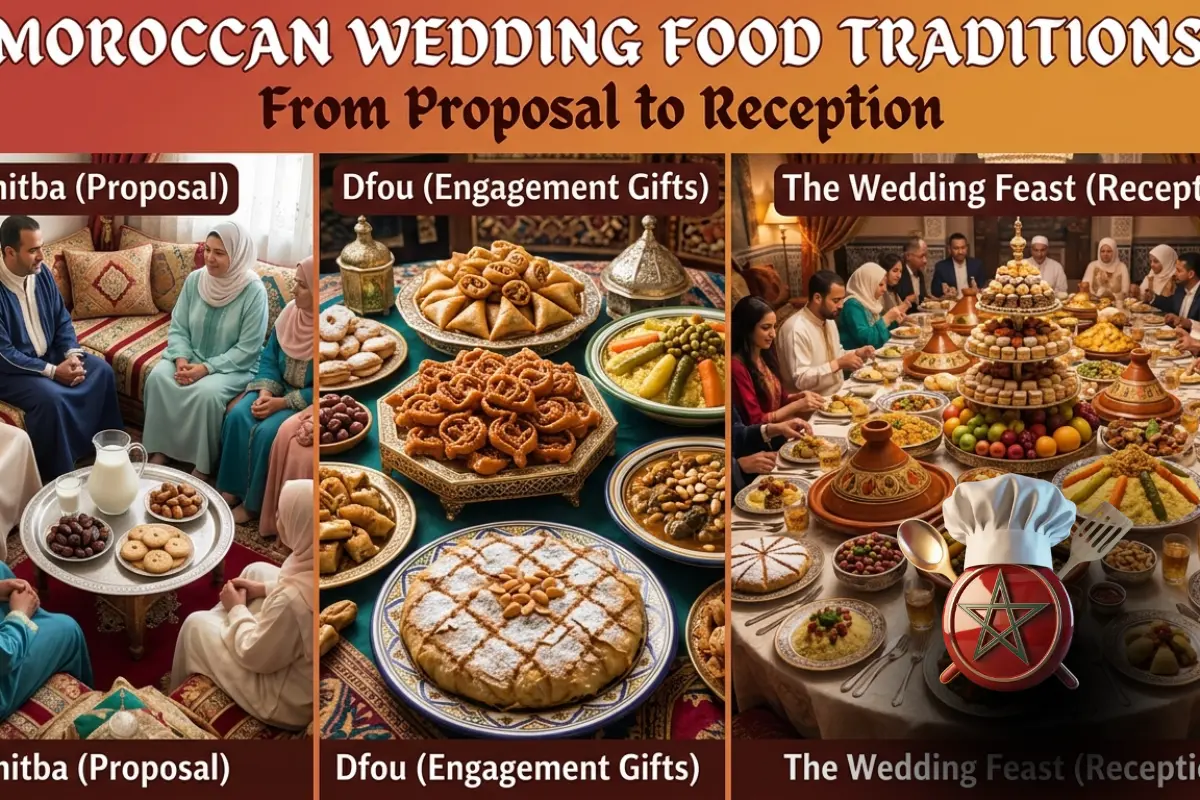
Moroccan weddings are elaborate celebrations that span multiple days and showcase the country's rich culinary heritage through an extraordinary array of traditional dishes. From the initial proposal ceremony to the grand reception, food plays a central role in every aspect of these matrimonial celebrations, with each dish carrying deep cultural significance and centuries of tradition.
For Western audiences curious about Moroccan culture, understanding these wedding food traditions offers a fascinating glimpse into a society where hospitality, family bonds, and culinary artistry converge in spectacular fashion. These celebrations demonstrate how food serves not merely as sustenance but as a powerful symbol of unity, prosperity, and cultural identity.
The journey of Moroccan wedding traditions takes us through a carefully orchestrated series of events, each with its own culinary requirements and symbolic meanings. From the sweetness of engagement treats that represent the hoped-for sweetness of married life to the abundance of reception feasts that celebrate the union of two families, every dish tells a story steeped in Moroccan heritage.
The Cultural Significance of Food in Moroccan Weddings
In Moroccan society, weddings represent far more than the union of two individuals; they symbolize the joining of families, communities, and traditions that have been passed down through generations. Food serves as the primary vehicle for expressing these deep cultural values, with each dish carefully selected for its symbolic meaning and its ability to demonstrate the families' hospitality and social status.
The preparation of wedding foods is traditionally a community effort, bringing together women from both families and the broader neighborhood to cook, share stories, and strengthen social bonds. This collaborative approach to wedding food preparation reinforces the communal nature of Moroccan society and ensures that traditional recipes and techniques are preserved and transmitted to younger generations.
Religious and Spiritual Elements
Islamic traditions heavily influence Moroccan wedding food customs, with particular attention paid to halal dietary requirements and the spiritual significance of sharing meals. The act of breaking bread together is considered sacred, representing the couple's commitment to supporting each other through life's challenges and celebrating its joys.
Many wedding dishes incorporate ingredients that are believed to bring blessings and good fortune to the newlyweds. Dates, for instance, are frequently featured in wedding sweets due to their association with fertility and abundance in Islamic culture. Similarly, almonds represent prosperity and wisdom, while honey symbolizes the sweetness of married life.
Regional Variations
Morocco's diverse geography and cultural influences have created distinct regional variations in wedding food traditions. Coastal regions incorporate more seafood into their celebrations, while mountain communities feature heartier meat dishes and preserved foods. Urban areas like Casablanca and Rabat often blend traditional elements with modern influences, creating fusion approaches that honor heritage while adapting to contemporary tastes.
These regional differences reflect Morocco's position as a crossroads of African, Arab, and Mediterranean cultures, with each influence contributing unique elements to the country's wedding food traditions.
The Proposal and Engagement Feast
The Moroccan wedding journey begins with the khotba or proposal ceremony, where the groom's family formally requests the bride's hand in marriage. This significant occasion is marked by an elaborate feast that sets the tone for the entire wedding celebration and demonstrates the seriousness of the families' intentions.
The engagement feast typically features a carefully curated selection of dishes that balance elegance with tradition, showcasing the culinary skills of both families while honoring time-tested recipes. The menu planning for this event requires careful consideration of seasonal ingredients, family preferences, and the symbolic meanings associated with various dishes.
Traditional Engagement Dishes
The centerpiece of most engagement feasts is pastilla, a magnificent savory-sweet pastry that represents one of Morocco's most sophisticated culinary achievements. This dish, with its delicate layers of phyllo-like pastry filled with spiced pigeon or chicken, almonds, and eggs, then dusted with cinnamon and powdered sugar, embodies the complexity and refinement that Moroccan cuisine is famous for.
Accompanying the pastilla, families typically serve rfissa, a comforting dish of shredded chicken served over a bed of thin pasta-like crepes called trid, seasoned with a rich broth infused with fenugreek, ginger, and saffron. This dish symbolizes the nurturing aspect of marriage and the comfort that spouses should provide for each other.
Sweet treats play a crucial role in engagement celebrations, with chebakia being particularly favored. These intricate flower-shaped pastries, fried until golden and soaked in honey, represent the sweetness and complexity of the relationship that the couple is entering. Their labor-intensive preparation also demonstrates the families' commitment to the union.
The Tea Ceremony
No Moroccan engagement celebration would be complete without the ceremonial serving of atay - the traditional mint tea that represents hospitality and welcome. The preparation and serving of tea is an art form in itself, with the tea poured from a height to create the characteristic foam that indicates proper preparation.
The tea ceremony during engagement celebrations often includes special additions such as orange blossom water or additional herbs that are believed to bring good fortune to the couple. The communal sharing of tea from the same pot symbolizes the unity and harmony that the families hope to achieve through the marriage.
Pre-Wedding Celebrations: The Henna Night
The henna night or laylat al-henna represents one of the most beloved pre-wedding traditions in Moroccan culture. This women-only celebration, typically held one or two nights before the wedding, combines beauty rituals with festive dining in an atmosphere of joy and anticipation.
The food served during henna night celebrations reflects the intimate, feminine nature of the gathering, featuring lighter dishes that won't interfere with the intricate henna application process while still maintaining the celebratory spirit of the occasion.
Henna Night Menu Traditions
The henna night menu typically begins with an array of mezze-style appetizers that allow guests to nibble throughout the evening while participating in the henna ceremonies and traditional songs and dances. These might include zaalouk (smoky eggplant salad), taktouka (roasted pepper and tomato salad), and various olive preparations.
Couscous often serves as the main dish for henna night celebrations, prepared in lighter variations such as couscous with vegetables or couscous with chicken and preserved lemons. The communal nature of eating couscous from shared plates reinforces the bonds between the women attending the celebration and symbolizes the support network that the bride will rely upon in married life.
Special attention is given to foods that are believed to enhance beauty and bring good luck to the bride. Argan oil might be incorporated into various dishes, as it's prized for its cosmetic properties. Pomegranate seeds are often featured in salads and desserts due to their association with fertility and abundance.
Sweet Traditions for Sweet Beginnings
The dessert course during henna night celebrations showcases some of Morocco's most delicate and beautiful sweets. Ghriba, small crumbly cookies made with almonds or coconut, are particularly popular due to their bite-sized nature and symbolic association with good fortune.
Makroudh, semolina pastries filled with dates and often shaped like diamonds, represent prosperity and the geometric beauty that characterizes much of Moroccan art and architecture. These sweets are often arranged in intricate patterns on serving platters, creating edible works of art that mirror the geometric henna designs being applied to the bride's hands and feet.
The Wedding Day Feast
The wedding day itself represents the culmination of weeks or months of preparation, and nowhere is this more evident than in the extraordinary feast that marks the celebration. Moroccan wedding day meals are legendary for their abundance, variety, and the skill required in their preparation, often involving dozens of dishes that showcase the full spectrum of Moroccan culinary artistry.
The scale of wedding day food preparation typically requires the coordination of professional caterers, family members, and community volunteers, all working together to create a meal that will be remembered for years to come. The logistics of preparing food for hundreds of guests while maintaining quality and tradition represent one of the most challenging aspects of Moroccan wedding planning.
The Grand Mechoui
The centerpiece of many Moroccan wedding feasts is the mechoui, a whole roasted lamb or sheep that represents the ultimate expression of hospitality and celebration. The preparation of mechoui is a complex process that begins hours before the event, with the meat slowly roasted over wood fires or in traditional clay ovens until it reaches perfect tenderness.
The mechoui is typically seasoned with a blend of spices including ras el hanout, cumin, coriander, and preserved lemon, creating a flavor profile that is both complex and deeply satisfying. The presentation of the mechoui is often ceremonial, with the roasted animal brought out on large platters and carved in front of the guests, emphasizing the abundance and generosity of the host families.
Accompanying the mechoui, wedding feasts typically feature multiple preparations of chicken, including djaj mahshi (stuffed chicken) filled with rice, almonds, and aromatic herbs. These dishes demonstrate the variety and sophistication of Moroccan cooking techniques while ensuring that there is something to appeal to every guest's preferences.
Tagine Variations for the Celebration
Wedding day menus typically include several different tagine preparations, each showcasing different aspects of Moroccan cuisine. Tagine with prunes and almonds represents one of the most elegant options, combining tender meat with the natural sweetness of dried fruit and the richness of nuts.
Lamb tagine with preserved lemons and olives offers a more savory option that highlights the distinctive flavors that make Moroccan cuisine unique to international palates. The long, slow cooking process required for perfect tagines means that preparation must begin well in advance of the celebration.
Vegetarian tagines featuring seasonal vegetables, chickpeas, and aromatic spices ensure that all guests can participate fully in the feast, while also demonstrating the versatility of traditional Moroccan cooking techniques when applied to plant-based ingredients.
Regional Specialties and Variations
Morocco's diverse geography and cultural influences have created distinct regional variations in wedding food traditions that reflect local ingredients, historical influences, and cultural preferences. Understanding these regional differences provides insight into the rich tapestry of Moroccan culinary culture and the ways in which local conditions have shaped traditional practices.
Atlantic Coast Wedding Traditions
Cities like Casablanca, Rabat, and Essaouira, with their proximity to the Atlantic Ocean, incorporate significantly more seafood into their wedding celebrations. Tagine of fish with vegetables is a popular option that showcases the fresh catch of the day prepared with traditional Moroccan spices and techniques.
Pastilla made with fish rather than the traditional pigeon or chicken represents a coastal adaptation of this classic dish, demonstrating how Moroccan cooks have adapted traditional recipes to incorporate local ingredients while maintaining the essential character of the original.
Coastal weddings might also feature grilled sardines prepared with chermoula, a vibrant herb and spice paste that includes cilantro, parsley, garlic, preserved lemon, and various spices. This preparation method highlights the Moroccan ability to transform simple ingredients into complex and flavorful dishes.
Mountain Region Celebrations
In the Atlas Mountains, wedding feasts tend to feature heartier, more substantial dishes that reflect the climate and lifestyle of mountain communities. Tanjia, a slow-cooked meat dish traditionally prepared in clay pots and cooked in the embers of community ovens, is particularly popular in mountain wedding celebrations.
Khlii, a form of preserved meat similar to confit, often appears on mountain wedding tables due to its keeping properties and rich, intense flavor. This dish represents the practical wisdom of mountain communities while providing the rich, satisfying flavors that cold mountain climates demand.
Mountain wedding desserts often feature more nuts and dried fruits, reflecting both the local agriculture and the need for calorie-dense foods in colder climates. Sellou, a mixture of roasted flour, almonds, sesame seeds, and honey, provides both nutrition and celebration in a single dish.
| Region | Signature Wedding Dishes | Key Ingredients | Cultural Influence |
|---|---|---|---|
| Atlantic Coast | Fish Pastilla, Sardine Chermoula | Fresh seafood, coastal herbs | Portuguese/Spanish maritime |
| Atlas Mountains | Tanjia, Khlii, Sellou | Preserved meats, nuts, honey | Berber traditions |
| Sahara Regions | Camel meat dishes, Date sweets | Desert-adapted proteins, dates | Nomadic heritage |
| Imperial Cities | Elaborate Pastillas, Royal Couscous | Luxury spices, complex preparations | Court cuisine traditions |
Modern Adaptations and Contemporary Trends
While Moroccan wedding food traditions remain deeply rooted in history and culture, contemporary celebrations increasingly incorporate modern elements that reflect changing lifestyles, international influences, and practical considerations for today's families.
Modern Moroccan couples often work with professional caterers who specialize in adapting traditional recipes for larger crowds while maintaining authenticity. This has led to innovations in preparation techniques and presentation styles that honor tradition while meeting contemporary expectations for food safety, dietary restrictions, and aesthetic presentation.
Fusion Elements and International Influences
Urban Moroccan weddings increasingly feature fusion elements that blend traditional Moroccan flavors with international cuisine styles. Moroccan-spiced canapés might appear alongside traditional mezze, while modernized versions of classic tagines incorporate contemporary plating techniques and presentation styles.
Some couples choose to include international dessert options alongside traditional Moroccan sweets, creating dessert stations that might feature everything from French pastries seasoned with Moroccan spices to modern interpretations of traditional recipes presented in contemporary formats.
The influence of Moroccan diaspora communities has also created interesting fusion traditions, with families incorporating elements from their adopted countries while maintaining core Moroccan traditions. These adaptations demonstrate the flexibility and resilience of Moroccan culinary culture.
Dietary Accommodations and Health Consciousness
Modern Moroccan weddings increasingly accommodate various dietary restrictions and preferences, including vegetarian, gluten-free, and diabetic-friendly options. Traditional Moroccan cuisine, with its emphasis on vegetables, legumes, and naturally gluten-free grains like rice, adapts well to these contemporary dietary needs.
Vegetarian tagines featuring seasonal vegetables and legumes have become more prominent in wedding menus, while traditional dishes are often adapted to reduce sugar content or incorporate alternative ingredients for guests with specific health requirements.
| Traditional Element | Modern Adaptation | Benefits | Cultural Retention |
|---|---|---|---|
| Whole roasted lamb | Carved lamb stations | Better portion control, food safety | Maintains ceremonial significance |
| Communal couscous | Individual couscous bowls | Hygiene, dietary customization | Preserves flavor profiles |
| Traditional sweets only | Mixed dessert stations | Appeals to diverse tastes | Traditional sweets still featured |
| Extended multi-day feasts | Concentrated celebration | Cost-effective, practical | Key ceremonies preserved |
Frequently Asked Questions
What is the most important dish served at Moroccan weddings?
While many dishes hold significance, pastilla is often considered the most important due to its complexity, elegance, and symbolic representation of the sophistication and care that goes into the marriage celebration. The mechoui (roasted lamb) is equally important as it represents the ultimate expression of hospitality and abundance.
How long do Moroccan wedding food celebrations typically last?
Traditional Moroccan wedding celebrations can span anywhere from three to seven days, with different food traditions associated with each day. However, modern celebrations are often condensed to two or three days, focusing on the most significant ceremonies like the henna night and the main wedding reception.
Are there specific foods that are considered unlucky for Moroccan weddings?
While Moroccan culture is generally more focused on positive food symbolism, some families avoid serving foods that are too spicy or bitter during wedding celebrations, as these flavors are thought to potentially bring discord to the marriage. The emphasis is placed on sweet, harmonious flavors that represent marital happiness.
How do Moroccan wedding menus accommodate international guests?
Modern Moroccan weddings often include some internationally recognizable dishes alongside traditional fare, and hosts typically provide explanations of traditional dishes to help international guests understand and appreciate the cultural significance. Many traditional Moroccan dishes are naturally appealing to international palates due to their complex, balanced flavors.
What role do wedding guests play in the food traditions?
Guests play an important role by participating enthusiastically in the communal dining experience, sharing dishes, and expressing appreciation for the food, which honors the host families' efforts. In some traditions, guests may also contribute dishes or assist with preparation, particularly close family members and friends.
Preserving Tradition in Modern Times
As Morocco continues to modernize and integrate with global culture, the preservation of wedding food traditions represents both a challenge and an opportunity for cultural continuity. Young Moroccan couples increasingly seek ways to honor their heritage while creating celebrations that reflect their contemporary values and lifestyles.
Culinary schools and cultural organizations in Morocco are working to document and preserve traditional recipes and techniques, ensuring that future generations will have access to authentic preparations even as celebrations evolve. This effort includes training professional chefs in traditional methods and creating resources for families who want to maintain authentic traditions.
The role of Moroccan wedding food traditions extends far beyond mere sustenance, representing a complex system of cultural communication that expresses values, builds community bonds, and connects generations through shared culinary experiences. For Western audiences seeking to understand Moroccan culture, these food traditions offer a delicious and meaningful entry point into a society where hospitality, family, and tradition remain central values.
Whether experienced firsthand at a Moroccan wedding celebration or recreated in Western kitchens by those inspired by these rich traditions, the foods of Moroccan weddings continue to serve their essential purpose: bringing people together in celebration of life's most important moments while honoring the wisdom and creativity of countless generations who have contributed to this remarkable culinary heritage.