Introduction to Morocco's Atlas Mountains Agrotourism Revolution
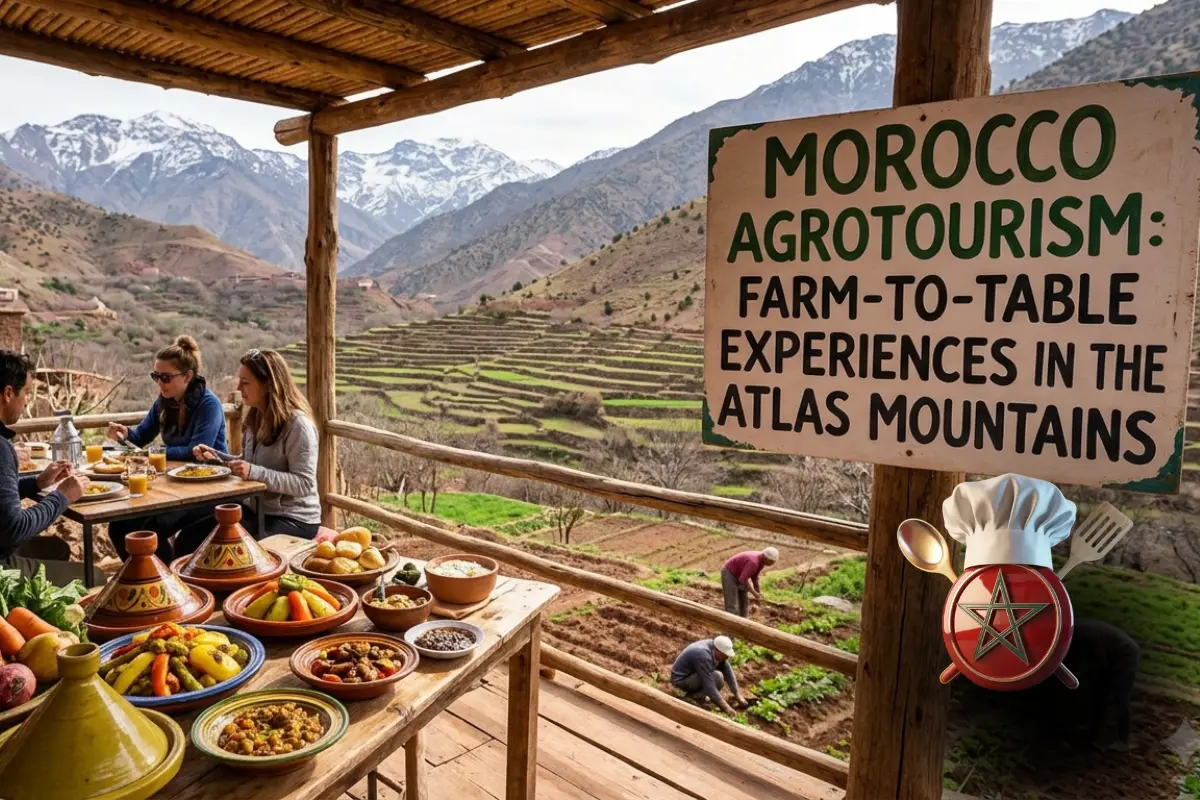
The rugged peaks of Morocco's Atlas Mountains have long been home to ancient agricultural traditions, but today they're experiencing a renaissance that's capturing the attention of conscious travelers from across the Western world. This dramatic landscape, where snow-capped summits give way to terraced valleys dotted with olive groves and fruit orchards, offers visitors an authentic glimpse into sustainable farming practices that have been refined over centuries by Berber communities.
Agrotourism in the Atlas Mountains represents more than just a travel trend – it's a bridge between Morocco's rich agricultural heritage and modern sustainable tourism. Here, visitors can participate in traditional farming activities, learn about indigenous crops, and enjoy meals prepared exclusively from ingredients grown within walking distance of their dining table. This immersive experience offers Western travelers a profound contrast to industrial agriculture, showcasing farming methods that prioritize environmental harmony and community well-being over mass production.
From the High Atlas villages of Imlil and Asni to the Middle Atlas communities around Azrou and Ifrane, Morocco's mountain regions are opening their doors to travelers seeking authentic cultural exchanges and meaningful connections with the land. These experiences combine the satisfaction of hands-on agricultural work with the pleasure of exceptional dining, all set against some of North Africa's most spectacular scenery.
The Rich Agricultural Heritage of the Atlas Mountains
The Atlas Mountains stretch over 2,500 kilometers across Morocco, Algeria, and Tunisia, but it's the Moroccan section that has developed the most sophisticated agrotourism infrastructure. This mountain range is divided into three distinct chains: the High Atlas, Middle Atlas, and Anti-Atlas, each offering unique agricultural experiences shaped by elevation, climate, and local Berber traditions.
The agricultural heritage of these mountains dates back over 3,000 years, with Berber communities developing ingenious farming techniques adapted to challenging terrain and variable rainfall. The traditional khettara irrigation system, similar to Persian qanats, channels water from mountain springs through underground channels to valley farms. This ancient technology continues to support modern agricultural operations and demonstrates the sophisticated water management knowledge that makes Atlas Mountain farming possible.
Traditional Crops and Cultivation Methods
Atlas Mountain agriculture is characterized by extraordinary diversity, with different altitudes supporting distinct crop varieties. In valleys below 1,000 meters, farmers cultivate citrus fruits, pomegranates, and figs alongside vegetables like tomatoes, onions, and peppers. As elevation increases, terraced fields showcase ancient grains including barley, wheat, and corn, often grown using heirloom seeds passed down through generations.
The middle elevations, between 1,200 and 2,000 meters, are dominated by fruit orchards. Apple, cherry, and walnut trees thrive in these conditions, with many varieties found nowhere else in the world. The famous Atlas Mountain apples, particularly those grown around Midelt, have developed unique flavor profiles due to dramatic temperature variations between day and night.
At the highest cultivated elevations, hardy crops like potatoes, turnips, and medicinal herbs dominate the landscape. These high-altitude gardens often employ companion planting techniques, with aromatic herbs like thyme, rosemary, and sage growing alongside food crops to naturally repel pests and enhance soil fertility.
Seasonal Agricultural Calendar
Understanding the seasonal rhythm of Atlas Mountain agriculture enhances any agrotourism experience. Spring (March-May) brings planting season, when visitors can participate in sowing ceremonies and learn about seed selection traditions. This is also when almond trees bloom, creating spectacular white and pink displays across valley floors.
Summer (June-August) is harvest time for early crops and the season for maintaining irrigation channels and terraces. The intense work of summer farming is balanced by frequent communal meals prepared from fresh garden produce. Autumn (September-November) brings the major harvests: apples, walnuts, olives, and the final vegetable crops before winter. This season offers the richest agrotourism experiences, with multiple harvesting activities happening simultaneously.
Winter (December-February) might seem like an inactive period, but it's actually when much traditional food processing occurs. Visitors can learn to preserve olives, press argan oil, dry fruits, and prepare preserved lemons – skills that connect directly to Morocco's famous cuisine.
Farm-to-Table Experiences: From Soil to Plate
The farm-to-table movement has found its most authentic expression in the Atlas Mountains, where the concept isn't a trendy restaurant marketing term but a way of life that has sustained communities for millennia. Here, the journey from soil to plate often covers less than 100 meters, with vegetables picked in the morning appearing on lunch tables while still glistening with dew.
Atlas Mountain farm-to-table experiences typically begin before dawn, when visitors join local farmers for the morning harvest. Armed with traditional baskets woven from palm fronds, groups move through gardens selecting the day's ingredients based on ripeness, weather conditions, and planned meals. This process teaches visitors to think seasonally and locally, skills that many Western travelers are eager to bring back to their home kitchens.
Hands-On Farming Activities
Agrotourism participants engage in authentic agricultural work, not sanitized demonstrations designed for tourists. In olive groves, visitors learn traditional harvesting techniques using wooden rakes to gently encourage ripe olives to fall onto nets spread beneath trees. This method, unchanged for centuries, preserves oil quality while maintaining the health of ancient trees, some over 500 years old.
Vegetable gardens offer opportunities to master traditional irrigation techniques, learning to direct water through small earthen channels to reach individual plants. Visitors discover how Atlas Mountain farmers read soil moisture levels by touch and adjust watering based on plant appearance and weather predictions passed down through oral tradition.
Grain farming activities vary by season but often include learning to use traditional tools like the mahras (wooden plow) pulled by mules or oxen. During harvest season, visitors can try their hand at cutting grain with sickles and participate in communal threshing ceremonies where entire villages gather to separate grain from chaff using techniques that predate mechanized agriculture.
Traditional Food Processing Techniques
Farm-to-table experiences in the Atlas Mountains extend beyond harvesting to include traditional food processing methods that have ensured food security in these mountain communities for generations. Olive pressing demonstrates ancient techniques using stone mills powered by donkeys or water wheels, producing oil with complex flavors that reflect specific terroir and processing methods.
Grain processing offers insights into pre-industrial food systems. Visitors learn to operate traditional stone mills called rahba, grinding wheat, barley, and corn into flour while understanding how different grinding techniques affect flavor and nutrition. Many agrotourism sites maintain working examples of these mills, often built into hillsides to harness wind or water power.
Dairy processing activities include making traditional cheeses and yogurts from the milk of mountain goats and sheep. These animals graze on wild herbs and mountain grasses, producing milk with distinctive flavors that create unique dairy products. Visitors learn to make jben (fresh cheese) and smen (preserved butter), traditional dairy products that remain central to Atlas Mountain cuisine.
Signature Dishes and Ingredients of Mountain Cuisine
Atlas Mountain cuisine represents a distinct culinary tradition within Morocco's diverse food culture, shaped by altitude, climate, and the practical needs of agricultural communities. This mountain cuisine emphasizes hearty, warming dishes designed to fuel physically demanding agricultural work while making the most of locally available ingredients.
The foundation of mountain cuisine lies in its exceptional ingredients, many of which are rarely available outside their native regions. High-altitude barley produces flour with a nutty flavor and dense texture perfect for mountain breads. Ancient wheat varieties, including red and black wheat strains, create complex flavors in traditional preparations. Wild greens gathered from mountain slopes – including varieties of spinach, arugula, and medicinal herbs – add distinctive tastes and nutritional value to mountain dishes.
Iconic Mountain Dishes
Tafarnout represents the essence of Atlas Mountain cuisine – a hearty stew combining barley, preserved meat, wild greens, and mountain herbs. This dish exemplifies the resourcefulness of mountain cooking, transforming simple ingredients into a nourishing meal that can sustain farmers through long working days. Visitors participating in agrotourism experiences often help prepare tafarnout from ingredients they've harvested themselves.
Berkoukes showcases the grain-focused nature of mountain cuisine. This dish features hand-rolled barley couscous, larger than traditional wheat couscous, combined with seasonal vegetables and often lamb or goat meat. The preparation process is labor-intensive, requiring skilled hands to achieve the proper texture, making it a favorite activity for agrotourism participants wanting to master traditional techniques.
Amlou demonstrates how mountain communities create rich, nutritious foods from local ingredients. This spread combines argan oil, almonds, and honey into a protein-rich condiment traditionally eaten with mountain bread. Visitors often participate in making amlou, learning to balance the three ingredients to achieve the perfect consistency and flavor.
Unique Mountain Ingredients
The Atlas Mountains produce ingredients found nowhere else in Morocco, creating opportunities for unique culinary experiences. Za'atar Atlas is a wild thyme variety that grows only at high elevations, developing intense flavors due to harsh mountain conditions. This herb appears in many mountain dishes and is often dried for year-round use.
Mountain apples deserve special mention for their role in both sweet and savory preparations. Unlike commercial varieties, Atlas Mountain apples develop complex flavors and firm textures from extreme temperature variations. They're used in tagines, preserved for winter consumption, and dried to create a concentrated ingredient for stews and grain dishes.
Wild mushrooms gathered from oak and cedar forests add earthy flavors to mountain cuisine. Species like bolete atlas and wild oyster mushrooms are prized for their intense flavors and appear in seasonal specialties that highlight the connection between mountain ecosystems and local cuisine.
Planning Your Atlas Mountains Agrotourism Adventure
Successfully planning an Atlas Mountains agrotourism experience requires understanding the seasonal rhythms of mountain agriculture and choosing experiences that match your interests and physical capabilities. The best agrotourism experiences are those that align visitor presence with authentic agricultural activities, ensuring meaningful participation in real farming work rather than artificial demonstrations.
Most Western visitors find that agrotourism experiences of 3-7 days provide sufficient time to engage deeply with mountain agriculture while experiencing the full cycle from harvesting through meal preparation and communal dining. Shorter visits often feel rushed and don't allow for the development of relationships with local farming families that make these experiences memorable.
Best Times to Visit
Timing your Atlas Mountains agrotourism visit requires balancing agricultural seasons with weather conditions and personal preferences. Each season offers distinct advantages and different types of farming experiences.
| Season | Agricultural Activities | Weather Conditions | Best For |
|---|---|---|---|
| Spring (March-May) | Planting, pruning, irrigation setup | Mild days, cool nights, occasional rain | Learning agricultural fundamentals |
| Summer (June-August) | Cultivation, early harvests, maintenance | Warm days, pleasant evenings | Intensive farming experiences |
| Autumn (September-November) | Major harvests, food processing | Perfect temperatures, stable weather | Complete farm-to-table cycles |
| Winter (December-February) | Food preservation, planning, crafts | Cool days, cold nights, possible snow | Traditional skills and indoor activities |
Choosing the Right Experience Level
Atlas Mountains agrotourism operators typically offer experiences designed for different physical capabilities and interest levels. Understanding these options helps visitors choose programs that match their expectations and abilities.
Introductory experiences focus on observation and light participation, suitable for visitors with limited agricultural experience or physical limitations. These programs typically include garden tours, cooking demonstrations, and meals featuring farm ingredients, with optional participation in harvesting activities.
Immersive experiences involve full participation in daily farming activities, from dawn harvesting through food preparation and communal dining. Participants work alongside local farmers, learning traditional techniques through hands-on practice. These experiences require good physical condition and willingness to engage in sometimes challenging agricultural work.
Extended programs allow visitors to experience complete agricultural cycles, from planting through harvesting and food processing. These multi-week experiences are ideal for visitors wanting deep cultural immersion and comprehensive understanding of traditional farming methods.
What to Pack and Expect
Packing for Atlas Mountains agrotourism requires preparation for both agricultural work and mountain weather conditions. Essential items include sturdy work clothes that can get dirty, comfortable walking shoes with good grip for uneven terrain, and layers for variable mountain temperatures.
Sun protection is crucial at high altitudes where UV radiation is intense. Wide-brimmed hats, long-sleeved shirts, and high-SPF sunscreen prevent sunburn during long days working outdoors. Work gloves protect hands during harvesting and food processing activities, though many visitors prefer to work bare-handed to fully experience traditional techniques.
Cultural sensitivity items include modest clothing that covers shoulders and knees, particularly important when staying with traditional Berber families. Small gifts from your home country are appreciated and help establish friendly relationships with farming families.
Top Atlas Mountains Agrotourism Destinations
The Atlas Mountains offer numerous agrotourism destinations, each with distinct characteristics shaped by elevation, local traditions, and agricultural specialties. Choosing the right destination depends on your interests, preferred activities, and desired level of cultural immersion.
High Atlas Destinations
Imlil Valley serves as a gateway to Toubkal National Park while maintaining strong agricultural traditions. Located at 1,740 meters elevation, this valley specializes in terraced farming and fruit orchards. Agrotourism experiences here focus on traditional irrigation methods, apple cultivation, and walnut harvesting. The dramatic mountain scenery provides a spectacular backdrop for farming activities, and the area's proximity to Marrakech makes it accessible for visitors with limited time.
The valley's farming families have developed sophisticated agrotourism programs that include overnight stays in traditional Berber homes, participation in seasonal farming activities, and communal meals prepared from garden ingredients. Visitors often describe the experience of dining on terraces overlooking valleys filled with fruit trees as transformative, providing new perspectives on food systems and environmental stewardship.
Asni Region represents one of Morocco's most established agrotourism areas, with programs running for over two decades. This region specializes in organic farming methods and has developed strong connections with international sustainable agriculture organizations. Visitors here can participate in certified organic farming activities and learn about transitions from conventional to organic methods.
Asni's agrotourism operators focus heavily on educational components, offering workshops on composting, natural pest control, and seed saving. The region's weekly market provides opportunities to see how farm products move from producers to consumers, completing the farm-to-table education cycle.
Middle Atlas Experiences
Azrou Area offers agrotourism experiences focused on forest agriculture and pastoral farming. This region's cedar forests provide unique opportunities to learn about sylviculture and the collection of wild foods including mushrooms, herbs, and nuts. The cooler climate supports different crops than southern regions, including potatoes, turnips, and cool-weather greens.
Pastoral activities around Azrou include sheep and goat herding, traditional cheese making, and wool processing. These experiences appeal to visitors interested in complete agricultural systems that integrate crop production with animal husbandry.
Ifrane Region provides agrotourism experiences at Morocco's highest agricultural elevations. The area's alpine climate supports unique crops including specialty apples, cold-hardy grains, and medicinal herbs. Winter agrotourism here focuses on traditional food preservation methods and indoor activities like weaving and traditional crafts.
Sustainable Practices and Community Impact
Atlas Mountains agrotourism operates on principles of environmental sustainability and community empowerment that align with growing Western interest in responsible travel. These programs demonstrate how tourism can support traditional communities while preserving agricultural practices and natural ecosystems.
Environmental sustainability in Atlas Mountains agrotourism begins with agricultural methods that have proven their long-term viability over centuries of use. Traditional farming practices here typically involve no synthetic inputs, relying instead on composted organic matter, traditional crop rotations, and integrated pest management using companion planting and beneficial insects.
Water conservation represents a critical aspect of sustainable mountain agriculture. Traditional irrigation systems like seguias (surface channels) and khettaras (underground channels) maximize water efficiency while maintaining soil health. Visitors learn these techniques and often return home with new perspectives on water usage in their own gardens and communities.
Community Economic Benefits
Agrotourism provides crucial economic opportunities for Atlas Mountain communities, creating income sources that complement traditional farming. Unlike mass tourism that often concentrates benefits in urban areas, agrotourism directly supports rural families and villages where alternative economic opportunities are limited.
Revenue from agrotourism typically stays within local communities, supporting not just farming families but also local guides, transportation providers, and craftspeople. This economic model encourages young people to remain in mountain communities rather than migrating to cities, helping preserve traditional knowledge and cultural practices.
| Benefit Category | Traditional Tourism | Atlas Mountains Agrotourism |
|---|---|---|
| Revenue Distribution | Concentrated in hotels and tour operators | Distributed among farming families and villages |
| Cultural Impact | Often superficial cultural presentations | Deep cultural exchange and skill sharing |
| Environmental Effect | Can strain local resources | Supports sustainable practices |
| Community Engagement | Limited interaction with locals | Meaningful relationships with farming families |
| Skill Transfer | Primarily consumption-focused | Two-way knowledge exchange |
Cultural Preservation Through Tourism
Agrotourism serves as a vehicle for cultural preservation, creating economic incentives for maintaining traditional practices that might otherwise be abandoned. Young Berber people who participate as guides and interpreters in agrotourism programs develop pride in traditional knowledge and are more likely to continue agricultural traditions.
Language preservation benefits from agrotourism as visitors learn basic Berber words and phrases while local guides practice international languages. This exchange helps maintain linguistic diversity while building communication bridges between cultures.
Traditional crafts and skills receive renewed attention through agrotourism programs. Visitors often want to learn traditional basket weaving, pottery making, and textile production, creating markets for these skills and encouraging their transmission to younger generations.
Culinary Workshops and Cooking Classes
Culinary education represents a cornerstone of Atlas Mountains agrotourism, with cooking workshops that go far beyond typical tourist cooking classes. These experiences begin in gardens and fields, where participants learn to identify ingredients, understand seasonal availability, and appreciate the connection between soil health and flavor.
Atlas Mountain cooking classes typically span multiple days, allowing participants to experience complete food cycles from harvesting through preservation. Morning sessions often begin with garden walks where participants select ingredients based on ripeness and planned menus, learning to adjust recipes based on available ingredients rather than shopping lists.
Traditional Cooking Techniques
Mountain cooking methods reflect practical solutions to challenging conditions including limited fuel, basic equipment, and the need to preserve foods without refrigeration. Visitors learn to cook using traditional clay tagines, wood-fired ovens built into hillsides, and solar cooking methods that take advantage of high-altitude sun intensity.
Tagine cooking reaches its most authentic expression in Atlas Mountain kitchens, where meals are prepared using vegetables harvested minutes before cooking. Participants learn to build flavors using only local ingredients, understanding how traditional spice combinations enhance rather than mask natural flavors.
Bread making demonstrates the central role of grains in mountain cuisine. Visitors learn to make traditional breads using stone-ground flour and wild yeast starters maintained by families for generations. The process includes understanding different grain types, proper fermentation techniques, and baking in communal ovens that serve entire villages.
Preservation techniques teach skills that were essential for mountain survival and remain relevant for modern sustainable living. Participants learn to make preserved lemons, dry vegetables and fruits, cure olives, and prepare khlii (preserved meat) using methods that require no artificial preservatives.
Seasonal Menu Planning
Atlas Mountain cooking education emphasizes seasonal eating, teaching participants to plan menus based on what's naturally available rather than what's desired. This approach challenges Western assumptions about food availability while demonstrating how seasonal eating can enhance rather than limit culinary experiences.
Spring menus feature tender young vegetables, fresh herbs, and preserved foods that sustained communities through winter. Participants learn to balance fresh and preserved ingredients while taking advantage of limited-availability items like wild greens and early fruits.
Summer cooking focuses on preservation and preparation for winter, with workshops on drying, fermenting, and storing foods at peak freshness. These sessions teach practical skills while demonstrating traditional food security methods.
Autumn workshops showcase harvest abundance, teaching participants to prepare celebration meals using the season's bounty while beginning winter preservation activities. These intensive sessions often represent the highlight of agrotourism cooking programs.
Winter cooking demonstrates how traditional communities maintained varied, nutritious diets using preserved and stored foods. These workshops are particularly valuable for Western visitors interested in reducing dependence on global food systems.
Health and Wellness Benefits of Mountain Farm Life
Atlas Mountains agrotourism offers significant health and wellness benefits that extend beyond physical exercise to include mental health improvements, dietary education, and stress reduction. The combination of physical activity, fresh air, organic food, and meaningful work creates wellness experiences that many visitors find transformative.
Physical health benefits begin with the moderate exercise involved in farming activities. Tasks like harvesting, carrying baskets, and working in gardens provide functional fitness that engages multiple muscle groups while accomplishing meaningful goals. The high-altitude environment increases cardiovascular demands, providing natural fitness challenges that improve endurance and strength.
Dietary benefits come from eating exclusively organic, locally-grown foods prepared using traditional methods. Most visitors report improved digestion, increased energy, and better sleep when eating traditional Atlas Mountain foods. The high vegetable content, healthy fats from olive oil and nuts, and absence of processed foods create an elimination diet effect that can reveal food sensitivities and improve overall nutrition.
Mental Health and Stress Reduction
The mental health benefits of Atlas Mountains agrotourism often surprise visitors with their intensity and lasting effects. Working with soil and plants provides what researchers call "therapeutic horticulture" benefits, reducing cortisol levels and improving mood through direct contact with beneficial soil bacteria.
Digital detox represents an unexpected benefit of mountain farm life, where internet access is limited and daily rhythms follow natural light cycles rather than artificial schedules. Visitors often report improved sleep quality, reduced anxiety, and better focus after several days following traditional farming schedules.
Community connection provides psychological benefits that contrast sharply with the social isolation common in Western societies. Sharing meals prepared communally, working toward common goals, and participating in traditional ceremonies creates social bonds that many visitors find deeply satisfying.
Learning Traditional Wellness Practices
Atlas Mountain communities maintain traditional wellness practices that complement their agricultural lifestyle. Visitors can learn about medicinal plants cultivation, traditional herbal preparations, and holistic health approaches that integrate diet, physical activity, and spiritual practices.
Medicinal herb gardens provide opportunities to learn about traditional plant medicine, including cultivation, harvesting, and preparation methods. Common herbs include wild thyme for respiratory issues, mountain mint for digestive problems, and various plants used for traditional teas and treatments.
Traditional hammam practices, adapted for mountain conditions, demonstrate how communities maintain hygiene and health without modern amenities. These practices often include herbal steam treatments using locally-grown plants and traditional soap making using olive oil and mountain herbs.
Comparing Atlas Mountains Agrotourism with Other Destinations
Atlas Mountains agrotourism offers unique advantages compared to similar experiences in other global destinations, combining authentic cultural immersion with spectacular natural scenery and sophisticated agricultural traditions. Understanding these comparisons helps Western travelers choose experiences that best match their interests and expectations.
| Destination | Primary Focus | Cultural Authenticity | Agricultural Diversity | Accessibility | Cost Level |
|---|---|---|---|---|---|
| Atlas Mountains, Morocco | Traditional Berber farming | Very High | Exceptional variety | Moderate | Budget-friendly |
| Tuscany, Italy | Wine and olive production | High but commercialized | Limited to Mediterranean crops | Very High | Expensive |
| Provence, France | Lavender and wine tourism | Moderate | Focused on signature crops | Very High | Very Expensive |
| Andean Peru | Ancient grain cultivation | Very High | High altitude specialties | Challenging | Moderate |
| Rural Japan | Rice farming and precision agriculture | High | Limited but highly refined | Moderate | Expensive |
Unique Advantages of Atlas Mountains Experiences
The Atlas Mountains offer several advantages that distinguish them from other agrotourism destinations. Cultural authenticity remains exceptionally high because agrotourism development has been community-driven rather than imposed by external tourism operators. Visitors experience genuine farming communities rather than attractions designed primarily for tourists.
Agricultural diversity exceeds most other destinations due to the dramatic elevation changes within short distances. A single agrotourism experience might include lowland citrus groves, middle-elevation fruit orchards, and high-altitude grain farming, providing comprehensive agricultural education.
Affordability makes Atlas Mountains agrotourism accessible to budget-conscious travelers while maintaining high-quality experiences. The absence of luxury resort infrastructure keeps costs low while ensuring that tourism revenue supports local communities directly.
Language accessibility benefits from Morocco's multilingual culture, where French and increasingly English complement Arabic and Berber languages. Many farming families include members who can communicate effectively with Western visitors.
Frequently Asked Questions
What level of physical fitness is required for Atlas Mountains agrotourism?
Most Atlas Mountains agrotourism activities require moderate physical fitness equivalent to walking several miles on uneven terrain while carrying light loads. Farming activities involve bending, lifting, and standing for extended periods, but operators can usually accommodate different fitness levels by adjusting participation intensity. Visitors with mobility limitations should discuss specific needs when booking to ensure appropriate activity modifications.
How do I prepare for the cultural differences and language barriers?
Learning basic French or Arabic phrases helps, but many agrotourism operators provide guides who speak English. More importantly, prepare for cultural differences around meal times, prayer schedules, and gender interactions in traditional communities. Bringing small gifts from your home country and dressing modestly shows respect for local customs. Most farming families are patient with cultural differences and appreciate visitors' efforts to adapt to local customs.
What should I expect from accommodations in mountain farming communities?
Accommodations range from traditional Berber homes with shared facilities to purpose-built guesthouses with private bathrooms. Most include thick blankets and heating for cold mountain nights, but luxury amenities are rare. Shared meals with farming families are standard, and dietary restrictions can usually be accommodated with advance notice. The focus is on authentic cultural exchange rather than hotel-style comfort.
Are Atlas Mountains agrotourism experiences suitable for families with children?
Many agrotourism operators welcome families and find that children adapt quickly to farming activities and cross-cultural interactions. Kids often enjoy hands-on activities like feeding animals, harvesting fruits, and simple cooking tasks. However, parents should consider that mountain farming involves real work with tools and animals, requiring supervision for safety. Some operators offer family-specific programs designed around child-friendly activities.
How can I ensure my visit genuinely benefits local communities?
Choose operators that are locally owned and operated by farming communities rather than external tourism companies. Ask about how revenue is distributed and what percentage stays within the local community. Participate respectfully in all activities, tip guides and farming families appropriately, and consider purchasing locally-made products. Avoid operators who promise unrealistic luxury or seem disconnected from actual farming communities.
Conclusion: Embracing Authentic Agricultural Tourism
Morocco's Atlas Mountains agrotourism represents more than a travel experience – it's an opportunity to reconnect with fundamental relationships between people, land, and food that have sustained human communities for millennia. For Western travelers accustomed to industrialized food systems and urban lifestyles, these mountain experiences provide profound insights into sustainable living, community cooperation, and the deep satisfaction that comes from meaningful work.
The lessons learned in Atlas Mountain gardens and kitchens extend far beyond vacation memories. Visitors return home with practical skills in organic gardening, seasonal cooking, and food preservation, along with new perspectives on consumption, sustainability, and community relationships. Many report lasting changes in their food choices, gardening practices, and approach to environmental stewardship.
Perhaps most importantly, Atlas Mountains agrotourism demonstrates how tourism can serve as a force for cultural preservation and community empowerment rather than exploitation. By choosing these experiences, Western travelers support traditional communities while gaining authentic insights into alternatives to modern industrial agriculture and consumer culture.
The Atlas Mountains await visitors ready to exchange the passive consumption of typical tourism for the active engagement of authentic agricultural life. In these ancient valleys where traditional wisdom meets dramatic natural beauty, every meal tells a story of sustainability, every farming technique represents centuries of refined knowledge, and every interaction offers opportunities for meaningful cultural exchange that enriches both visitors and host communities.