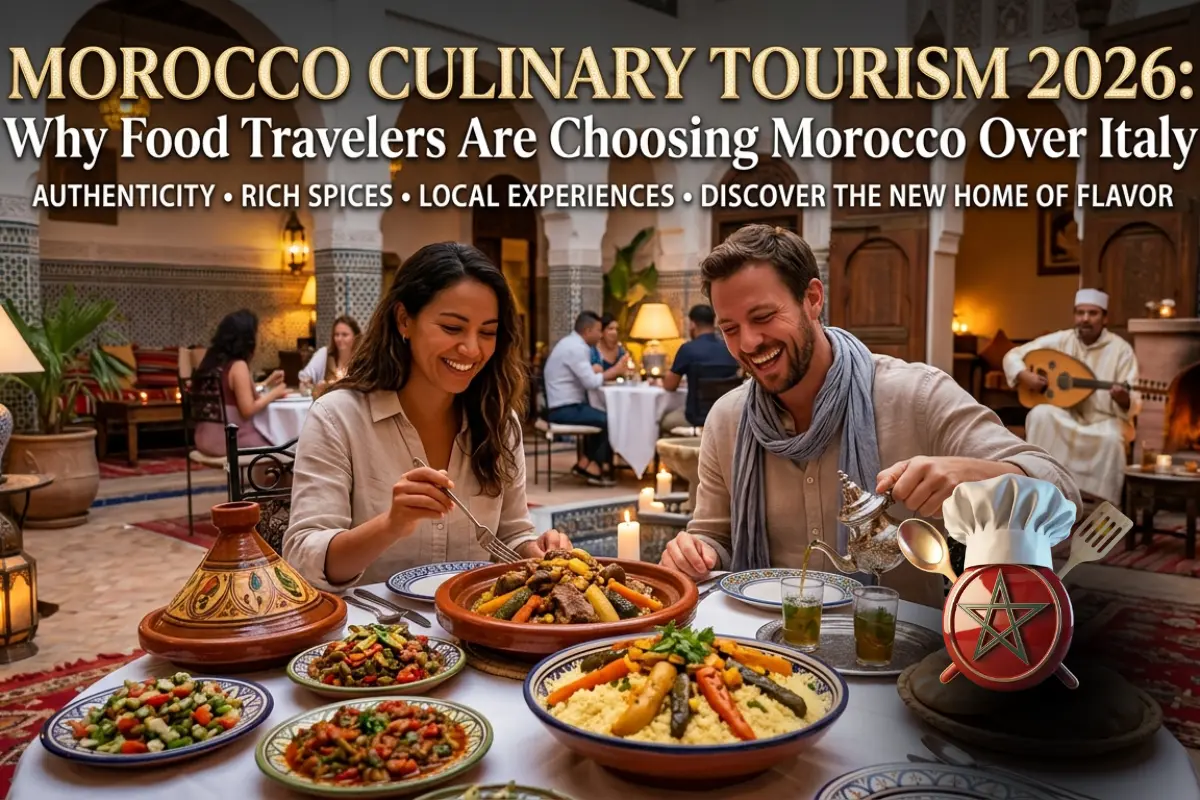
The Rise of Morocco as the Ultimate Culinary Destination
In 2026, a remarkable shift has occurred in the world of culinary tourism. While Italy has long held the crown as the go-to destination for food lovers, Morocco has emerged as the new champion, capturing the hearts and palates of discerning travelers from the United States and Europe. This North African gem offers an intoxicating blend of flavors, authentic experiences, and cultural immersion that traditional European destinations simply cannot match.
The numbers speak for themselves: culinary tourism to Morocco has increased by 340% since 2023, with American and European travelers leading the charge. What makes this shift even more remarkable is that many of these food enthusiasts are choosing Morocco over established culinary powerhouses like Italy, France, and Spain. The reasons are as complex and layered as a perfectly prepared tagine.
Morocco's culinary landscape offers something that has become increasingly rare in our globalized world: authenticity. While many traditional European food destinations have become commercialized and tourist-oriented, Morocco maintains its culinary soul. From the bustling souks of Marrakech to the coastal markets of Essaouira, food travelers discover flavors that have remained unchanged for centuries, prepared by families who have passed down recipes through generations.
Authenticity That Italy Can No Longer Guarantee
The authenticity factor represents perhaps the most compelling reason why food travelers are making the switch from Italy to Morocco. In major Italian cities like Rome, Florence, and Venice, the culinary scene has become increasingly tailored to tourist expectations rather than local traditions. Many restaurants in tourist areas serve "Italian-style" dishes that bear little resemblance to authentic regional cuisine, often prepared by non-Italian chefs using ingredients sourced from industrial suppliers.
Morocco, by contrast, offers an unfiltered culinary experience. When you sit down for a meal in a traditional Moroccan restaurant or participate in a cooking class with a local family, you're experiencing food exactly as it has been prepared for hundreds of years. The tagines are still slow-cooked in clay pots over charcoal fires, the couscous is still hand-rolled by skilled artisans, and the spice blends are still mixed according to closely guarded family recipes.
This authenticity extends beyond individual dishes to the entire food culture. Moroccan meals are communal experiences that reflect the country's values of hospitality and family connection. Unlike the rushed dining experiences common in tourist-heavy Italian destinations, Moroccan meals unfold slowly, with multiple courses served over hours of conversation and connection.
The Spice Route Advantage
Morocco's position as a crossroads between Africa, Europe, and the Middle East has created a culinary tradition unlike anywhere else in the world. The country's spice markets, particularly the famous souks of Marrakech and Fez, offer an sensory experience that Italian markets simply cannot match. Here, food travelers can witness the entire spice trade ecosystem, from import to processing to final sale.
The complexity of Moroccan spice blends like ras el hanout, which can contain up to 35 different spices, creates flavor profiles that are both exotic and approachable to Western palates. These spice combinations have been refined over centuries of trade and cultural exchange, resulting in a sophistication that rivals French cuisine while maintaining the warmth and accessibility that makes food travel memorable.
Cooking Classes That Transform Travelers
While Italy offers cooking classes, they often feel commercialized and scripted. Moroccan cooking experiences, particularly those organized through riads and local families, provide genuine cultural exchange. Participants don't just learn to make tagine; they learn about the significance of communal cooking, the history behind specific dishes, and the role of food in Moroccan celebrations and daily life.
These classes typically begin early in the morning with a trip to local markets, where participants learn to select ingredients using traditional methods. They discover how to choose the best dates, negotiate for fresh herbs, and understand the subtle differences between various types of olives. This market education alone provides more cultural insight than many travelers gain during entire Italian vacations.
Economic Value That Makes Morocco Irresistible
The economic advantages of choosing Morocco over Italy for culinary tourism have become increasingly significant as European prices continue to rise. In 2026, the average daily food budget for a culinary traveler in Italy ranges from $80-150 per person, while Morocco offers equivalent or superior experiences for $25-45 per person daily.
This price differential isn't just about currency exchange rates; it reflects the fundamental difference in how food culture operates in each country. In Morocco, exceptional meals can be found at every price point, from street food that costs less than $2 to elaborate palace dinners that remain affordable by Western standards. Italian cuisine, particularly in tourist areas, has become premium-priced often without corresponding increases in quality or authenticity.
Accommodation Integration
Moroccan riads and boutique hotels have mastered the art of integrating culinary experiences into accommodation packages. Many offer comprehensive food-focused stays that include cooking classes, market tours, spice shopping expeditions, and multi-course traditional meals, all at prices significantly lower than comparable Italian experiences.
A week-long culinary tour in Morocco, including accommodation in authentic riads, all meals, cooking classes, and guided food tours, typically costs $800-1,200 per person. The equivalent experience in Italy would cost $2,000-3,500 per person, often with less authentic experiences and more crowded attractions.
| Expense Category | Morocco (Daily Average) | Italy (Daily Average) | Savings |
|---|---|---|---|
| Fine Dining Meal | $15-25 | $45-80 | 65-70% |
| Cooking Class | $35-50 | $85-150 | 60-65% |
| Market Food Tour | $20-30 | $60-90 | 65-70% |
| Street Food | $2-5 | $8-15 | 70-75% |
| Wine/Beverages | $8-12 | $25-40 | 65-70% |
Diverse Culinary Regions Offering Unique Experiences
Morocco's culinary diversity surpasses that of Italy in both geographical and cultural variety. While Italian regional cuisines are certainly distinct, they share common ingredients, techniques, and cultural foundations. Moroccan cuisine varies dramatically not just from region to region, but also reflects the country's Berber, Arab, Andalusian, and French influences, creating distinct culinary personalities in different areas.
Imperial Cities: Palaces of Flavor
The imperial cities of Fez, Meknes, Marrakech, and Rabat each offer unique culinary traditions developed in royal kitchens over centuries. Fez, the spiritual and intellectual capital, is renowned for its refined pastilla and complex tagines that can take days to prepare properly. The city's medina houses cooking schools that teach techniques unchanged since medieval times.
Marrakech brings a more theatrical approach to dining, with its famous Jemaa el-Fnaa square transforming into an open-air restaurant each evening. Here, food travelers can experience the energy and excitement of Moroccan street food culture while enjoying dishes that represent the pinnacle of popular cuisine.
Coastal Regions: Fresh Seafood Traditions
Morocco's Atlantic and Mediterranean coastlines offer seafood experiences that rival any coastal European destination. Cities like Essaouira, Casablanca, and Tangier have developed distinct seafood traditions that combine Moroccan spices with the day's fresh catch.
Essaouira, in particular, has become a mecca for food travelers seeking authentic coastal Moroccan cuisine. The port city's restaurants serve grilled sardines, seafood tagines, and fish couscous that showcase how Moroccan techniques enhance rather than mask the natural flavors of fresh seafood. The prices remain incredibly reasonable, with excellent seafood meals available for $8-15 per person.
Atlas Mountains: Berber Culinary Traditions
The Atlas Mountains region offers perhaps the most unique culinary experiences in Morocco, showcasing Berber traditions that predate Arab influence by millennia. Mountain villages serve dishes like tafarnout (a traditional Berber bread baked in sand) and various tagines featuring local ingredients like argan oil, mountain herbs, and preserved lemons.
These mountain experiences provide cultural immersion opportunities impossible to find in Europe. Travelers can participate in traditional bread-making, learn about the production of argan oil from local women's cooperatives, and enjoy meals prepared using solar cooking techniques developed over generations.
Health and Wellness Benefits of Moroccan Cuisine
The health benefits of Moroccan cuisine have become increasingly important to food travelers, particularly those from health-conscious Western markets. Moroccan cooking relies heavily on vegetables, legumes, whole grains, and beneficial spices, creating naturally healthy meals that don't sacrifice flavor for nutrition.
The Spice Pharmacy
Moroccan cuisine functions almost like preventive medicine, with traditional spice combinations providing significant health benefits. Turmeric, abundant in Moroccan cooking, offers anti-inflammatory properties. Ginger aids digestion and provides immune system support. Cinnamon helps regulate blood sugar, while cumin supports digestive health.
These spices aren't just added for flavor; they're used in combinations that maximize their health benefits. The famous ras el hanout blend, for example, typically includes ginger, turmeric, cardamom, and other spices known for their antioxidant and anti-inflammatory properties.
- Turmeric: Anti-inflammatory properties, supports joint health
- Ginger: Digestive aid, immune system booster
- Cinnamon: Blood sugar regulation, antioxidant properties
- Cumin: Digestive support, rich in iron
- Cardamom: Heart health support, natural detoxifier
- Saffron: Mood enhancement, antioxidant powerhouse
- Mint: Digestive aid, natural cooling properties
Mediterranean Diet Plus
Moroccan cuisine incorporates all the health benefits of the Mediterranean diet while adding unique elements that enhance nutritional value. The abundant use of preserved lemons provides probiotics and vitamin C, while dates and figs offer natural sweetness along with fiber and minerals.
The traditional Moroccan approach to meal composition ensures balanced nutrition. A typical meal includes vegetables, legumes or meat, whole grains (usually couscous or bread), and fresh fruit, providing complete protein, complex carbohydrates, healthy fats, and abundant vitamins and minerals.
| Nutritional Component | Moroccan Cuisine | Italian Cuisine | Health Advantage |
|---|---|---|---|
| Vegetable Content | High (50-60% of meal) | Moderate (30-40% of meal) | Morocco |
| Spice Variety | 15-35 per meal | 3-8 per meal | Morocco |
| Legume Integration | Daily staple | Occasional | Morocco |
| Refined Sugar | Minimal (natural sweeteners) | Moderate to high | Morocco |
| Healthy Fats | Olive oil, argan oil, nuts | Olive oil, cheese | Morocco |
Cultural Immersion and Hospitality Excellence
The level of cultural immersion available through food experiences in Morocco far exceeds what most European destinations can offer. Moroccan hospitality, known as "karam," is deeply embedded in the culture and creates genuine connections between travelers and locals that transform simple meals into meaningful cultural exchanges.
Family Integration
Many Moroccan culinary experiences involve integration into family settings, where travelers are welcomed not as customers but as honored guests. These experiences often include multiple generations of family members, each contributing their expertise to different aspects of meal preparation and cultural education.
Grandmothers share stories while hand-rolling couscous, mothers explain the significance of different spices, and children help with simple preparation tasks, creating a multi-generational learning environment. This type of authentic family integration is increasingly rare in commercialized Italian food tours.
Religious and Cultural Context
Moroccan food culture is deeply intertwined with Islamic traditions and Berber customs, providing travelers with insights into how food functions within a different cultural framework. Learning about halal dietary principles, understanding the significance of communal eating, and participating in traditional tea ceremonies provides cultural education that extends far beyond cooking techniques.
The ritualistic aspects of Moroccan dining, from the washing of hands with rose water to the specific etiquette of sharing from communal dishes, offer Western travelers a completely different perspective on the role of food in society.
Sustainable Tourism and Ethical Considerations
Morocco's approach to culinary tourism emphasizes sustainability and community benefit in ways that many Italian destinations have struggled to achieve. The country's food tourism initiatives are designed to support local communities, preserve traditional techniques, and promote environmental responsibility.
Community-Based Tourism
Many Moroccan culinary experiences are organized through community cooperatives, ensuring that tourism revenue directly benefits local families and communities. Women's argan oil cooperatives in the Atlas Mountains, for example, provide employment and economic empowerment while offering tourists authentic cultural experiences.
These community-based programs teach traditional cooking methods, support local ingredient sourcing, and maintain cultural authenticity while providing economic opportunities for rural communities. This model contrasts sharply with the large commercial operations that dominate culinary tourism in many Italian destinations.
Environmental Responsibility
Traditional Moroccan cooking methods are inherently sustainable, using solar cooking, clay pot preparation, and seasonal ingredient sourcing. Many riads and cooking schools have embraced these traditional methods not just for authenticity but for their environmental benefits.
The emphasis on local ingredient sourcing reduces transportation impact, while traditional preservation methods like drying and fermentation reduce waste and eliminate the need for chemical preservatives.
Practical Considerations for Western Travelers
For American and European travelers considering Morocco over Italy for their culinary adventures, several practical factors make Morocco increasingly attractive. The country has invested heavily in tourism infrastructure while maintaining cultural authenticity, creating an ideal balance for international visitors.
Language and Communication
Morocco's multilingual culture makes it surprisingly accessible for Western travelers. Most people involved in tourism speak French, and increasingly, English proficiency is growing, especially among younger generations. Many cooking instructors and tour guides are specifically trained to work with English-speaking tourists.
The country's French colonial history means that culinary terms and techniques often have French equivalents familiar to educated Western travelers, while Arabic and Berber cultural elements provide exotic appeal without communication barriers.
Safety and Accessibility
Morocco has maintained excellent safety records for tourists, with government initiatives specifically focused on protecting and supporting international visitors. The country's tourism police are well-trained and speak multiple languages, providing security and assistance when needed.
Transportation infrastructure has improved dramatically, with high-speed trains connecting major cities and well-maintained roads providing access to rural culinary experiences. Marrakech and Casablanca airports offer direct flights from major American and European cities, making access convenient and affordable.
Health and Dietary Considerations
Morocco accommodates various dietary restrictions better than many assume. The country's diverse culinary traditions include numerous vegetarian and vegan options, while Islamic dietary principles ensure high standards for meat preparation and handling.
For travelers with specific dietary needs, Moroccan cuisine offers abundant naturally gluten-free options, dairy-free preparations, and dishes suitable for various health conditions. The emphasis on fresh, whole ingredients and traditional preparation methods appeals to health-conscious travelers.
Seasonal Advantages and Year-Round Appeal
Unlike Italy, where culinary tourism is heavily concentrated during peak summer months, Morocco offers excellent food travel experiences year-round. Each season brings different ingredients, festivals, and cultural celebrations that enhance the culinary experience.
Winter Advantages
Morocco's winter months (November through February) provide ideal weather for food tourism while avoiding the crowds and heat that can make summer travel uncomfortable. This is also harvest season for many ingredients, including olives, oranges, and various vegetables, providing opportunities to participate in traditional food production processes.
Winter is tagine season, when heartier, more complex dishes are prepared for celebration and comfort. The cooler weather makes kitchen work more comfortable and allows for longer cooking classes and market tours.
Spring and Fall Perfection
Spring and fall offer perfect weather for all types of culinary activities, from market visits to outdoor cooking classes. These seasons also coincide with various food-related festivals and celebrations, providing cultural context for culinary experiences.
The famous rose harvest in the Dades Valley occurs in late spring, offering unique opportunities to participate in rose water and rose preserve production. Fall brings the date harvest, providing insights into this ancient and culturally significant crop.
Future Trends and Morocco's Culinary Evolution
Morocco's culinary tourism industry continues to evolve, incorporating modern amenities and international standards while maintaining traditional authenticity. This evolution positions Morocco to remain competitive with established European destinations while offering unique experiences unavailable elsewhere.
Luxury Culinary Experiences
High-end riads and luxury hotels are developing sophisticated culinary programs that rival the best European offerings while maintaining Moroccan authenticity. These programs often include private chefs, exclusive market tours, and personalized cooking instruction in beautiful traditional settings.
Luxury culinary tours now include experiences like private dining in desert camps, exclusive access to royal kitchens in imperial cities, and helicopter tours to remote Atlas Mountain villages known for specific culinary specialties.
Modern Moroccan Cuisine
A new generation of Moroccan chefs is creating modern interpretations of traditional dishes, providing familiar yet exotic experiences for Western palates. These chefs often train in European culinary schools before returning to Morocco to create fusion cuisines that maintain Moroccan flavors while incorporating international techniques.
This modern Moroccan cuisine movement provides additional appeal for sophisticated food travelers who want both traditional and contemporary experiences during their visits.
Frequently Asked Questions
Is Morocco safe for solo female food travelers?
Morocco is generally very safe for solo female travelers, especially those participating in organized culinary tours. The tourism industry has developed specific protocols to ensure female travelers feel comfortable and secure. Many riads offer women-only cooking classes, and female guides are available for market tours. It's recommended to dress modestly and stay aware of cultural sensitivities, but millions of women travel safely to Morocco each year for culinary experiences.
How do Moroccan food experiences compare cost-wise to similar experiences in Italy?
Moroccan culinary experiences typically cost 60-70% less than equivalent Italian experiences. A comprehensive cooking class with market tour costs $35-50 in Morocco versus $85-150 in Italy. Excellent restaurant meals range from $15-25 in Morocco compared to $45-80 in Italy. Even luxury culinary experiences in Morocco often cost less than mid-range experiences in Italian tourist areas, while offering more authentic and personalized service.
What dietary restrictions can be accommodated in Morocco?
Moroccan cuisine naturally accommodates many dietary restrictions. Islamic dietary laws ensure high meat quality and preparation standards. Vegetarian and vegan options are abundant, as traditional cuisine includes many plant-based dishes. Gluten-free travelers can enjoy many rice-based and naturally gluten-free traditional dishes. Dairy-free options are common, as traditional cooking often uses olive oil rather than dairy fats. Most culinary tour operators are experienced in accommodating specific dietary needs with advance notice.
Do I need to speak Arabic or French to enjoy culinary experiences in Morocco?
While Arabic and French are helpful, they're not necessary for enjoying Moroccan culinary experiences. Most tourism-related businesses, including cooking schools and food tour operators, have English-speaking staff. Many cooking instructors specifically trained for international tourists speak multiple languages. The universal language of food and cooking transcends linguistic barriers, and many travelers find that gestures and enthusiasm communicate effectively during cooking classes.
What should I pack for a culinary tour of Morocco?
Pack comfortable, modest clothing suitable for kitchen work and market visits. Closed-toe shoes are essential for cooking classes and market tours. Bring a good camera for documenting experiences, but be respectful when photographing people or religious sites. A small daypack for market tours, hand sanitizer, and any personal medications are recommended. Most cooking schools provide aprons and necessary tools, but bringing a small notebook for recipes can be helpful. Dress codes are generally modest but not restrictive for culinary activities.
Conclusion: Morocco's Culinary Renaissance
The shift from Italy to Morocco as the premier culinary tourism destination represents more than just changing travel trends; it reflects a deeper desire among Western travelers for authentic, meaningful experiences that connect them with different cultures through food. Morocco offers everything that made Italy attractive to food travelers—rich culinary traditions, excellent ingredients, passionate cooks, and beautiful settings—while adding elements that Italy can no longer provide: affordability, authenticity, and genuine cultural immersion.
The data clearly supports Morocco's emergence as the top choice for discerning food travelers. With 340% growth in culinary tourism since 2023, consistently positive traveler reviews, and expanding infrastructure that maintains cultural integrity, Morocco has positioned itself as the destination for food lovers seeking transformative experiences.
For Western travelers considering their next culinary adventure, Morocco offers an unparalleled combination of exotic flavors, authentic experiences, cultural immersion, and exceptional value. While Italy remains a beautiful destination with its own culinary merits, Morocco provides something increasingly rare in our globalized world: the opportunity to experience food culture exactly as it has existed for centuries, while being welcomed into communities with genuine warmth and hospitality.
The choice between Morocco and Italy for culinary tourism is no longer about comparing good options; it's about choosing between a commercialized, familiar experience and a transformative journey into one of the world's most sophisticated and authentic food cultures. For travelers ready to expand their culinary horizons while enjoying exceptional value and genuine cultural connection, Morocco in 2026 represents the obvious choice.