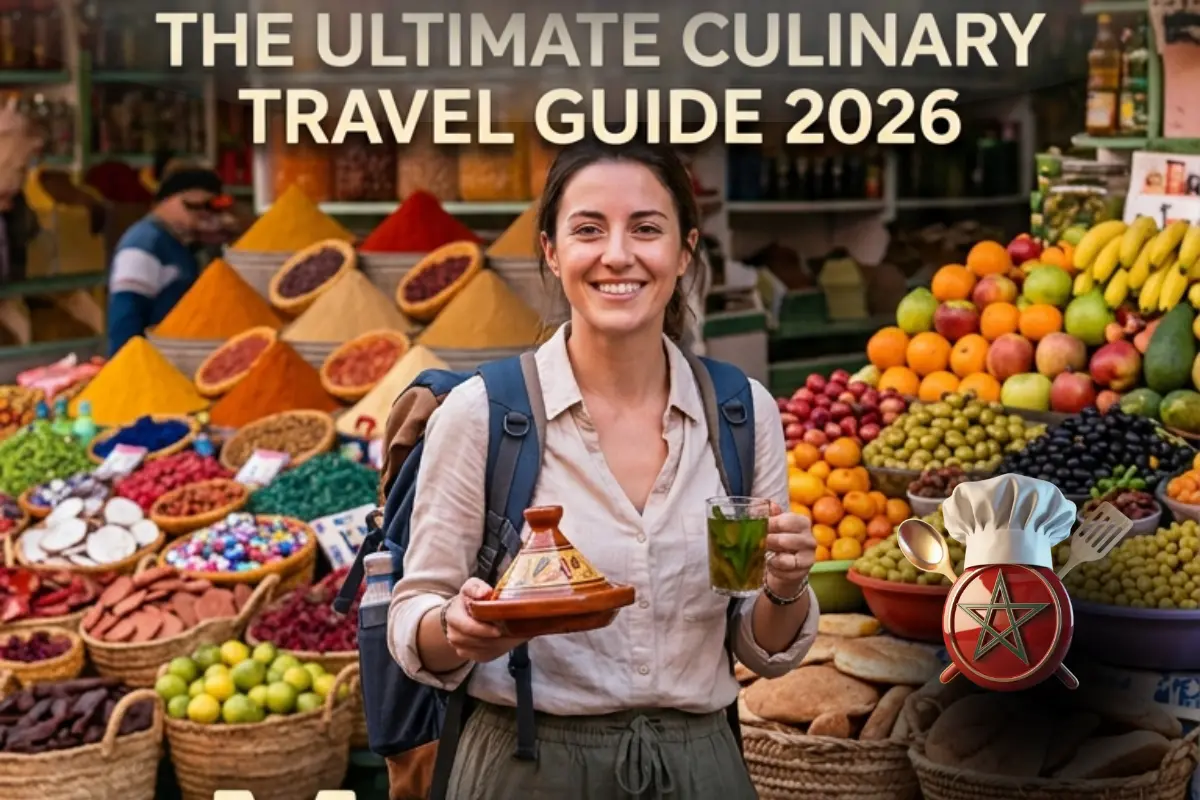
Morocco's culinary landscape is a mesmerizing tapestry woven from centuries of cultural exchange, where Berber traditions meet Arab influences, Mediterranean flavors blend with sub-Saharan spices, and French colonial touches add unexpected sophistication. For Western travelers seeking an authentic gastronomic adventure, Morocco offers an unparalleled journey through one of the world's most complex and rewarding cuisines.
This comprehensive food tour guide will navigate you through Morocco's diverse culinary regions, from the bustling souks of Marrakech to the coastal seafood havens of Essaouira, ensuring you experience every essential flavor, technique, and tradition that makes Moroccan cuisine so extraordinary.
Understanding Moroccan Culinary Foundations
Moroccan cuisine represents one of the world's most sophisticated culinary traditions, built upon a foundation of aromatic spices, slow-cooking techniques, and ingredients that reflect the country's position as a crossroads between Europe, Africa, and the Middle East. The cuisine's complexity comes from its layered history, where each conquering culture left its mark while respecting existing traditions.
The Spice Heritage
The heart of Moroccan cooking lies in its masterful use of spices, particularly the famous ras el hanout, a blend that can contain up to 30 different spices. This complexity reflects Morocco's historical role as a major stop on ancient spice routes, where saffron from local fields mixed with cinnamon from Asia, creating unique flavor profiles that remain unchanged for centuries.
Key spice combinations you'll encounter throughout your culinary journey include:
- Chermoula - A marinade combining cilantro, parsley, garlic, lemon, and spices
- Baharat - A warming blend of black pepper, cardamom, and cinnamon
- Dukkah - A textural mix of nuts, seeds, and spices used as a condiment
- Harissa variations - Regional hot sauce preparations ranging from mild to fiery
Cooking Techniques and Philosophy
Moroccan cooking emphasizes patience and layered flavor development. The traditional tagine cooking vessel exemplifies this philosophy - its conical lid creates a circulation system that continuously bastes ingredients, concentrating flavors while maintaining moisture. This technique, developed over millennia, produces dishes with remarkable depth and tenderness that cannot be replicated through quick cooking methods.
The Moroccan approach to seasoning follows a specific philosophy: spices should complement and enhance natural flavors rather than mask them. This principle explains why Moroccan dishes often taste simultaneously familiar and exotic to Western palates - the underlying ingredients are recognizable, but their preparation reveals entirely new possibilities.
Regional Culinary Landscapes
Morocco's diverse geography creates distinct regional cuisines, each offering unique specialties that reflect local ingredients, climate, and cultural influences. Understanding these regional differences will help you navigate menus and appreciate the full spectrum of Moroccan culinary artistry.
Imperial Cities: Fez, Meknes, Marrakech, and Rabat
The imperial cities showcase Morocco's most refined culinary traditions, developed in royal kitchens and perfected over centuries. These urban centers offer the most sophisticated versions of classic dishes, often featuring complex preparations that require multiple cooking stages and precise spice balancing.
Fez is considered Morocco's culinary capital, home to dishes like pastilla (a sweet-savory pastry traditionally filled with pigeon), mechoui (slow-roasted lamb), and the most refined versions of tagines. The city's medina contains restaurants that have been operating for generations, maintaining recipes and techniques unchanged since medieval times.
Marrakech offers a more theatrical dining experience, with its famous Jemaa el-Fnaa square transforming into an open-air food festival each evening. Here you'll find grilled meats, snail soup, fresh orange juice, and an array of sweets that cater to both locals and tourists while maintaining authentic preparation methods.
Coastal Regions: Casablanca, Essaouira, and Tangier
Morocco's extensive coastline provides abundant seafood that forms the backbone of coastal cuisine. These regions specialize in fish tagines, grilled sardines, seafood pastillas, and unique preparations that combine ocean catches with traditional Moroccan spicing.
Essaouira stands out as a seafood paradise, where the daily catch is grilled immediately at harbor-side stalls, seasoned simply with salt, lemon, and local herbs. The city's Portuguese and French influences appear in dishes like fish and chips with harissa mayonnaise and bouillabaisse-style fish soups enhanced with ras el hanout.
Atlas Mountains and Desert Regions
Mountain and desert cuisines emphasize heartier, more substantial dishes designed to provide energy for harsh climates and physical labor. These regions specialize in preserved meats, dried fruits, nuts, and warming spices that create deeply satisfying meals.
The Atlas Mountains are famous for their tanjia - a slow-cooked meat stew traditionally prepared by burying pots in baker's coals overnight. Desert regions contribute preserved lemons, dates, and nomadic cooking techniques that maximize flavor while using minimal water and fuel.
Essential Moroccan Dishes Every Food Tourist Must Try
Navigating Morocco's extensive culinary offerings can overwhelm first-time visitors. This curated list of essential dishes provides a structured approach to experiencing the full range of Moroccan flavors, techniques, and cultural significance.
Tagines: The Crown Jewel of Moroccan Cuisine
Tagines represent the pinnacle of Moroccan cooking artistry, combining perfectly balanced spices, tender proteins, and seasonal vegetables in preparations that can take hours to achieve perfection. Each tagine tells a story through its ingredient combinations and regional variations.
Lamb Tagine with Prunes and Almonds showcases the Moroccan genius for combining sweet and savory elements. The lamb becomes incredibly tender through slow cooking, while prunes add natural sweetness that balances the warm spices. Almonds provide textural contrast and richness that makes this dish a complete sensory experience.
Chicken Tagine with Preserved Lemons and Olives represents one of Morocco's most iconic flavor combinations. The preserved lemons, unique to North African cuisine, provide a intense citrus note that brightens the entire dish, while olives add brininess that complements the tender chicken and aromatic sauce.
Vegetable Tagines demonstrate that Moroccan cuisine excels at creating satisfying meatless dishes. Combinations like sweet potato and chickpea, or eggplant and tomato, prove that vegetables can be the star when treated with proper spicing and cooking techniques.
Couscous: Morocco's National Dish
Couscous holds special significance in Moroccan culture, traditionally prepared on Fridays as a family gathering dish. The preparation involves steaming the semolina pearls multiple times while simultaneously cooking an elaborate stew of vegetables and meat.
Authentic Moroccan couscous differs significantly from the instant versions familiar to Western consumers. The grains are hand-rolled to achieve the perfect size and texture, then steamed in a couscoussier (special double boiler) that allows the steam from the cooking stew below to flavor the couscous above.
Regional couscous variations include:
- Couscous Royale - featuring lamb, chicken, and merguez sausage
- Seven-Vegetable Couscous - a vegetarian feast showcasing seasonal produce
- Sweet Couscous - prepared with cinnamon, almonds, and dried fruits as a dessert
Street Food Adventures
Moroccan street food offers immediate gratification and authentic flavors at incredibly reasonable prices. These casual dining experiences often provide the most memorable meals of any Morocco food tour.
Moroccan Sandwiches deserve special mention for their creativity and flavor intensity. Khubz (Moroccan bread) serves as the foundation for combinations like fried fish with pickled vegetables, grilled kefta with fresh herbs, or omelette with preserved lemons and olives.
B'stilla (Pastilla) represents one of Morocco's most complex street foods - layers of thin pastry filled with spiced meat or seafood, then baked until golden. The contrast between the crispy exterior and rich, aromatic interior makes this a must-try experience.
Moroccan Beverage Culture and Traditions
Moroccan beverage culture extends far beyond the famous mint tea, encompassing a variety of drinks that complement meals, mark social occasions, and provide refreshment in the country's varied climates.
The Art of Moroccan Mint Tea
Mint tea preparation in Morocco is a ceremonial art form that demonstrates hospitality, respect, and cultural continuity. The process involves specific techniques for brewing green tea, adding fresh mint, incorporating sugar, and achieving the perfect foam through high pouring.
Traditional mint tea service includes three glasses, each representing a different aspect of life: the first glass symbolizes life itself, the second represents love, and the third signifies death. This philosophical framework transforms a simple beverage into a meaningful cultural exchange.
The quality of mint tea varies dramatically based on the tea master's skill, the freshness of ingredients, and the attention paid to traditional techniques. The best mint tea experiences often occur in small, family-run establishments where recipes and methods have been passed down through generations.
Regional Beverage Specialties
Beyond mint tea, Morocco offers numerous regional beverages that provide insight into local preferences and agricultural products.
Fresh Fruit Juices are ubiquitous, with orange juice being the most common. However, regions specialize in juices made from local fruits - pomegranate in areas where it grows naturally, sugar cane juice in agricultural regions, and mixed fruit combinations that change with seasons.
Almond Milk represents a traditional beverage that predates modern health food trends. Prepared fresh with blanched almonds, rose water, and orange blossom water, it provides a nutritious and refreshing alternative to dairy.
Coffee Culture reflects French colonial influence while maintaining Moroccan character. Café noir (black coffee) is often served with dates or small sweets, while café au lait appears in more European-influenced establishments.
Dining Etiquette and Cultural Considerations
Understanding Moroccan dining etiquette enhances your food tour experience while demonstrating respect for local customs and traditions. These cultural guidelines help Western travelers navigate social dining situations with confidence and appreciation.
Traditional Dining Customs
Moroccan meals often begin with hand washing, as traditional eating involves using bread to scoop food rather than utensils. A pitcher of water, soap, and towel are provided before meals, and this ritual should be completed even if you plan to use provided utensils.
Bread holds sacred significance in Moroccan culture and should never be wasted or treated disrespectfully. If bread falls to the ground, it should be picked up, kissed, and touched to the forehead before being set aside. This custom reflects the cultural value placed on basic sustenance and agricultural products.
When sharing communal dishes like tagines, eat only from the section directly in front of you unless invited to try other portions. This etiquette ensures everyone receives equal access to the meal while maintaining social harmony.
Restaurant Navigation for Western Travelers
Moroccan restaurants cater to various comfort levels and price points, from traditional establishments serving locals to tourist-friendly venues with English menus and familiar service styles.
| Restaurant Type | Atmosphere | Price Range | Best For |
|---|---|---|---|
| Local Medina Restaurants | Authentic, Basic | $3-8 per meal | Adventurous eaters seeking authentic experience |
| Riad Restaurants | Elegant, Traditional | $15-30 per meal | Comfortable cultural experience with upscale ambiance |
| Hotel Restaurants | International, Familiar | $20-50 per meal | Travelers wanting Moroccan food with Western service |
| Street Food Stalls | Casual, Fast | $1-5 per item | Quick, authentic bites and local interaction |
Tipping and Payment Customs
Tipping practices in Morocco blend traditional hospitality with modern service expectations. In restaurants, 10-15% is appropriate for good service, though many establishments include service charges in the bill. For exceptional service or particularly memorable meals, additional gratuity demonstrates appreciation.
Cash remains the preferred payment method in most establishments, particularly in medinas and rural areas. Credit cards are accepted in upscale restaurants and hotels, but carrying sufficient cash ensures you can dine anywhere without payment complications.
Seasonal Considerations and Planning Your Food Tour
Morocco's climate and agricultural seasons significantly impact food availability, preparation methods, and dining experiences. Planning your culinary tour around seasonal considerations ensures you encounter the best possible versions of regional specialties.
Spring and Fall: Optimal Culinary Seasons
Spring (March-May) and fall (September-November) represent ideal times for Morocco food tours, offering comfortable temperatures, abundant fresh produce, and optimal conditions for exploring both indoor and outdoor dining venues.
Spring brings fresh herbs, early vegetables, and renewed energy to food markets and restaurants after winter. This season offers the best conditions for food walking tours, market visits, and extended outdoor dining experiences.
Fall provides harvest season abundance, with dates, olives, citrus fruits, and nuts at their peak quality. Many traditional preservation activities occur during fall, offering opportunities to observe authentic food preparation techniques.
Summer and Winter Adaptations
Summer dining in Morocco requires strategic planning around temperature and Ramadan considerations. Many restaurants adjust their hours and menus to accommodate extreme heat and religious observances.
Winter offers hearty, warming dishes like harira soup and substantial tagines that provide comfort during cooler months. This season also features unique preparations and seasonal ingredients not available during warmer periods.
| Season | Best Dishes | Special Considerations | Market Highlights |
|---|---|---|---|
| Spring | Light tagines, fresh salads, early vegetables | Perfect weather for food tours | Fresh herbs, baby vegetables, spring lamb |
| Summer | Cold soups, grilled meats, fresh fruits | Ramadan may affect dining hours | Stone fruits, melons, summer vegetables |
| Fall | Hearty stews, preserved foods, harvest dishes | Food preservation activities visible | Dates, olives, citrus fruits, nuts |
| Winter | Heavy tagines, warming soups, comfort foods | Some mountain areas less accessible | Preserved foods, root vegetables, warming spices |
Food Markets and Shopping Experiences
Moroccan food markets provide immersive cultural experiences that complement restaurant dining while offering opportunities to purchase authentic ingredients, spices, and specialties to take home.
Navigating Traditional Souks
Traditional markets in Morocco operate according to customs and practices that may seem chaotic to Western visitors but follow logical organizational principles. Food vendors typically cluster together, creating specialized sections for produce, spices, preserved foods, and prepared items.
Spice vendors in particular offer educational opportunities, as most are happy to explain their products, demonstrate grinding techniques, and provide recipes for spice blend usage. These interactions often result in customized spice mixtures tailored to Western cooking preferences and availability of ingredients.
Bargaining remains expected in most market situations, but food items typically have more fixed pricing than crafts or textiles. Building relationships with vendors through repeated visits often results in better prices and access to premium products not displayed for casual shoppers.
Modern Market Alternatives
Contemporary Moroccan cities also feature modern supermarkets and specialty food stores that cater to international visitors while maintaining focus on local products. These venues offer fixed pricing, familiar shopping experiences, and often better packaging for travel.
Many modern markets feature sections dedicated to traditional products prepared using authentic methods but packaged for contemporary convenience. These hybrid approaches allow visitors to purchase genuine Moroccan specialties without navigating traditional market protocols.
Health and Safety Considerations for Food Tourism
Successful Morocco food tours require attention to health and safety considerations that help Western travelers avoid common problems while maximizing their culinary adventures.
Water and Beverage Safety
Water quality varies significantly across Morocco, with major cities generally maintaining safe municipal supplies while rural areas may present challenges. Bottled water remains the safest choice for drinking, brushing teeth, and ice consumption.
Fresh fruit juices from reputable vendors typically use safe water and proper hygiene practices, but observation of preparation methods helps assess individual situations. Hot beverages like tea and coffee present minimal risk due to boiling water requirements.
Food Safety Guidelines
Moroccan cuisine's emphasis on fresh ingredients and thorough cooking generally supports food safety, but common-sense precautions enhance protection against digestive issues.
- Choose restaurants with high turnover to ensure fresh ingredients
- Observe food handling practices before ordering
- Avoid raw or undercooked items unless from trusted sources
- Start with smaller portions of unfamiliar dishes to test individual tolerance
- Carry basic digestive remedies for minor adjustments to new foods
Frequently Asked Questions
What should vegetarians and vegans expect from Moroccan cuisine?
Moroccan cuisine offers numerous naturally vegetarian and vegan options, including vegetable tagines, couscous preparations, legume-based dishes, and fresh salads. However, many dishes use animal-based stocks or small amounts of meat for flavoring, so communication with restaurant staff about dietary restrictions is essential. Major cities have restaurants specifically catering to vegetarian preferences, while rural areas may require more careful navigation.
How spicy is authentic Moroccan food compared to other cuisines?
Moroccan cuisine generally emphasizes aromatic spices rather than heat-producing chili peppers. Most traditional dishes range from mild to moderately spiced, focusing on complex flavor development rather than intense heat. Harissa and other hot sauces are typically served separately, allowing diners to adjust heat levels according to personal preference. Compared to cuisines like Mexican or Thai, Moroccan food is considerably less spicy for most Western palates.
What are the typical costs for food experiences in Morocco?
Food costs in Morocco vary dramatically based on dining venue and location. Street food and local restaurants offer complete meals for $3-8, while mid-range establishments charge $15-30 per person. Upscale dining experiences and cooking classes range from $40-100 per person. Market shopping for ingredients and specialties typically costs significantly less than similar products in Western countries, making Morocco an affordable culinary destination.
Do I need to speak Arabic or French to enjoy Morocco's food scene?
While Arabic and French knowledge enhances the experience, English is increasingly common in tourist areas and restaurants catering to international visitors. Learning basic food-related phrases in Arabic or French demonstrates respect and often results in better service and recommendations. Many restaurants in major cities provide English menus, and food market vendors in tourist areas typically speak multiple languages.
What food souvenirs should I consider bringing home from Morocco?
Popular food souvenirs include spice blends (ras el hanout, berbere), preserved lemons, argan oil, Moroccan tea, dried fruits and nuts, and traditional sweets with longer shelf lives. Spices and dried ingredients travel well and allow recreation of Moroccan flavors at home. Many vendors provide vacuum sealing or appropriate packaging for international travel, though checking customs regulations for your destination country is advisable.
Conclusion
A Morocco food tour represents far more than simply eating - it provides a comprehensive cultural immersion that reveals the country's history, values, and artistic achievements through its cuisine. From the sophisticated tagines of imperial cities to the simple perfection of fresh-grilled seafood along the coast, every meal tells a story of cultural exchange, adaptation, and refinement spanning centuries.
The key to a successful Moroccan culinary adventure lies in approaching each dining experience with openness, respect, and curiosity. Understanding the cultural context behind dishes, appreciating the skill required for traditional preparations, and embracing unfamiliar flavor combinations will transform simple meals into profound cultural exchanges.
Whether you're savoring a centuries-old tagine recipe in a Fez medina restaurant, learning spice blend techniques from a market vendor, or sharing mint tea with new Moroccan friends, each experience contributes to a deeper understanding of this remarkable culinary tradition. Morocco's food scene offers Western travelers an accessible yet authentic gateway into one of the world's great cuisines, promising memories and flavors that will influence your cooking and dining preferences long after returning home.
As you plan your Morocco food tour, remember that the most meaningful experiences often occur through spontaneous discoveries, local recommendations, and willingness to venture beyond familiar comfort zones. Morocco's culinary gifts await those ready to embrace adventure, complexity, and the generous hospitality that makes every meal a celebration.