The Shocking Truth About Morocco's Street Food Revolution
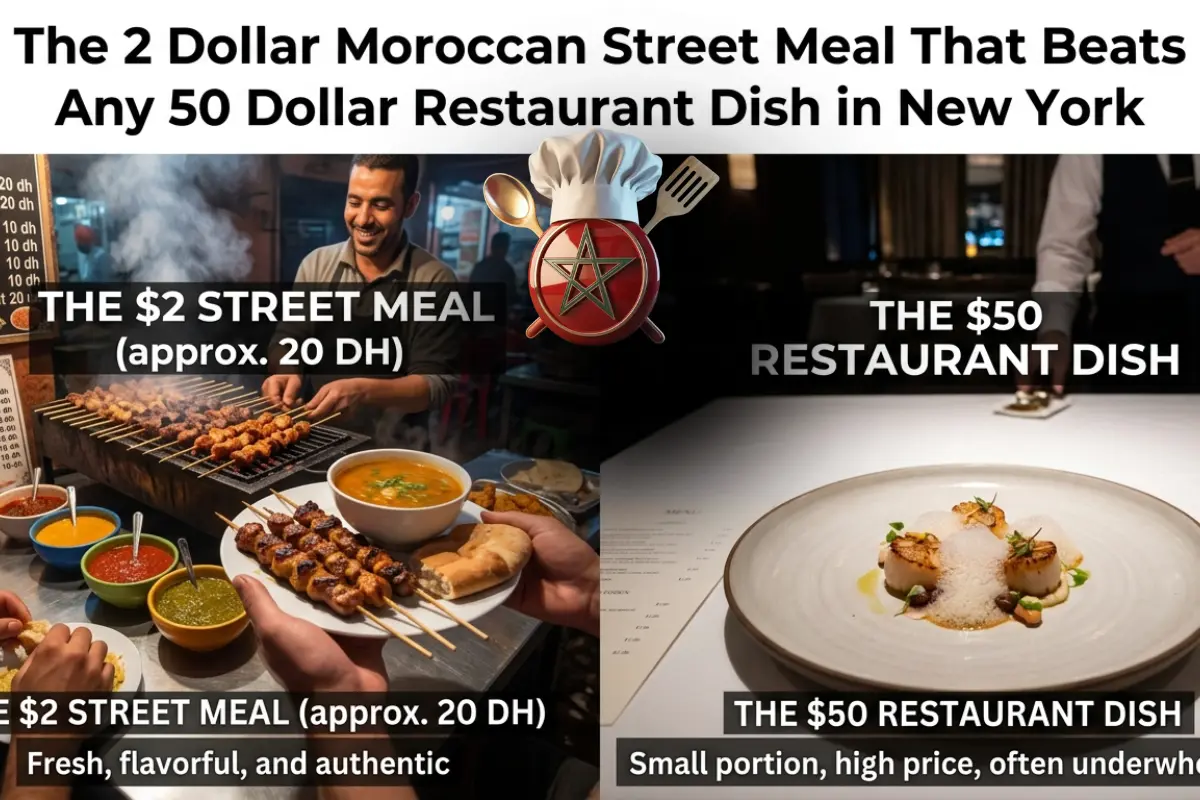
Picture this: You're walking through the narrow, winding alleys of Marrakech's ancient medina at sunset. The air is thick with aromatic spices—cumin, coriander, cinnamon, and saffron—creating an olfactory symphony that no expensive restaurant in Manhattan could ever replicate. Suddenly, you stumble upon a humble cart run by Hajj Omar, a 65-year-old vendor who has been perfecting his craft for over four decades. For just 20 dirhams (roughly $2 USD), he serves you a meal that will fundamentally change your understanding of what great food can be.
This isn't just another travel food story. This is about discovering a culinary truth that the Western fine dining industry doesn't want you to know: authentic, soul-satisfying cuisine doesn't require white tablecloths, sommelier-selected wines, or $50 price tags. In Morocco's bustling streets, generations of culinary masters have been creating extraordinary meals that put high-end restaurants to shame—and they're doing it for the price of a New York coffee.
What makes this $2 Moroccan street meal so extraordinary isn't just its incredible affordability, but the depth of flavor, nutritional value, cultural authenticity, and sheer satisfaction it delivers. We're talking about dishes that have been refined over centuries, passed down through generations, and perfected by vendors who treat their craft as both art and livelihood. These aren't just meals; they're edible pieces of history, geography, and culture served on paper plates.
Meet the $2 Champion: Msemen with Moroccan Street Tajine
The star of our story is a combination that exemplifies everything remarkable about Moroccan street food: fresh msemen (flaky Moroccan pancakes) paired with a small portion of street-style tajine, accompanied by traditional mint tea and a selection of homemade condiments. This isn't fusion cuisine or modern interpretation—this is the real deal, exactly as it has been prepared for generations in Morocco's medinas.
Msemen represents one of Morocco's most beloved breakfast and street food staples. These square, layered flatbreads are created through an intricate folding technique that creates dozens of paper-thin layers. When cooked on a traditional griddle, they develop a golden, crispy exterior while maintaining a tender, flaky interior that's perfect for sopping up tajine sauce or enjoying with honey and butter.
The tajine component of our $2 champion isn't the elaborate, slow-cooked version you might find in upscale restaurants. Instead, it's a quick-cooking street version that focuses on maximum flavor in minimum time. Think tender chunks of chicken or beef, slow-simmered with onions, preserved lemons, olives, and a carefully balanced blend of Moroccan spices. The result is intensely flavorful, aromatic, and satisfying in a way that expensive restaurant interpretations often fail to achieve.
What sets this combination apart is its perfect balance of textures, flavors, and aromas. The crispy-tender msemen provides the perfect vehicle for the rich, complex tajine sauce. The preserved lemons add a bright, salty tang that cuts through the richness, while the olives contribute depth and brininess. Fresh herbs like cilantro and parsley provide color and freshness, and the traditional spice blend creates layers of flavor that unfold with each bite.
But here's what makes this meal truly special: it's not trying to be anything other than what it is. There's no pretense, no unnecessary complexity, no Instagram-worthy presentation. It's simply honest, delicious food prepared by someone who has dedicated their life to perfecting these recipes. And at $2, it represents perhaps the best value proposition in the global culinary landscape.
The $50 New York Restaurant Reality Check
To understand why this $2 Moroccan meal is so remarkable, we need to examine what $50 actually gets you in New York's restaurant scene. In Manhattan's competitive dining landscape, $50 per person typically places you in the "upscale casual" to "fine dining" category, where expectations run high and disappointments often run higher.
At this price point in New York, you might find yourself at a trendy SoHo bistro serving "Moroccan-inspired" dishes that bear little resemblance to authentic Moroccan cuisine. Picture this: a $24 "tagine" that's actually just roasted chicken with some dried apricots and a sprinkle of ras el hanout spice blend, served alongside $8 "artisanal" bread that pales in comparison to fresh msemen. Add a $12 cocktail with "Moroccan influences" (probably just some mint thrown into a basic mojito) and a $6 mint tea served in a glass that was likely purchased on Amazon, and you've easily hit your $50 budget.
The fundamental problem with these high-priced interpretations isn't just the cost—it's the complete disconnect from authenticity. Many upscale restaurants approach Moroccan cuisine as an exotic novelty rather than a sophisticated culinary tradition. They focus on presentation over flavor, novelty over authenticity, and profit margins over genuine cultural representation.
Consider the typical "fine dining" Moroccan experience in major American cities. You'll often find dishes that have been adapted to Western palates, stripped of their complexity, and presented with unnecessary garnishes that add cost but subtract authenticity. The tagines are often too sweet (catering to American tastes), the spicing is toned down to avoid challenging diners, and the accompaniments are frequently wrong or missing entirely.
Even more problematically, these expensive interpretations often miss the communal, social aspect that makes Moroccan dining so special. In Morocco, meals are shared experiences, with multiple dishes passed around the table and eaten with bread rather than utensils. The ritualistic aspects—the hand washing, the communal eating, the mint tea ceremony—are either ignored entirely or performed as theatrical elements rather than genuine cultural practices.
The irony is that all this "elevation" and "interpretation" typically results in a meal that's less satisfying, less flavorful, and less authentic than what you can get from a street vendor in Marrakech for $2. It's a perfect example of how more expensive doesn't always mean better, and how authenticity often delivers more satisfaction than artificial sophistication.
The Secret Ingredients That Make Street Food Superior
What makes Moroccan street food so incredibly delicious isn't just skill or tradition—it's access to ingredients and techniques that simply can't be replicated in Western restaurants, regardless of budget. Understanding these "secret ingredients" reveals why that $2 meal delivers such extraordinary value and flavor.
The first secret ingredient is time—not cooking time, but the time invested in developing relationships with suppliers, perfecting techniques, and understanding ingredients. Hajj Omar, our hypothetical vendor, has been working with the same spice merchant for twenty years. He knows exactly which batch of cumin has the best flavor, when the preserved lemons have reached perfect maturity, and how to identify the finest quality saffron. This relationship-based sourcing is virtually impossible for restaurants operating on Western business models.
The second secret is freshness and turnover. Street vendors typically prepare ingredients multiple times throughout the day, ensuring everything is consumed at peak freshness. The msemen dough was made this morning, the spice blends were ground yesterday, and the preserved lemons have been aging for exactly the right amount of time. Compare this to restaurant operations, where ingredients might sit in walk-in coolers for days or even weeks before being used.
Perhaps most importantly, there's the secret of authenticity of technique. When Hajj Omar makes msemen, he's using the exact same folding technique his grandmother taught him. The griddle has been seasoned through years of use, creating a natural non-stick surface that no modern equipment can replicate. His spice proportions aren't measured—they're felt, adjusted based on the humidity, the quality of ingredients that day, and decades of experience.
The water and climate factor is often overlooked but crucial. Moroccan ingredients behave differently in Morocco's climate. The wheat flour has different proteins, the water has different mineral content, and the dry air affects how spices release their essential oils. Even if a New York restaurant imported every single ingredient from Morocco, they couldn't replicate the environmental conditions that contribute to authentic flavor development.
Then there's the economic motivation. For Hajj Omar, every meal must be perfect because his livelihood depends on repeat customers and word-of-mouth recommendations. There's no marketing budget, no Yelp manipulation, no PR team—just the quality of food. This creates an accountability that's often missing in restaurant settings where poor dishes can be masked by atmosphere, service, or marketing.
Finally, there's the secret ingredient of cultural context. When you eat Moroccan street food in Morocco, you're consuming it exactly as it was meant to be consumed—in its proper cultural, climatic, and social setting. The flavors that might seem intense or unfamiliar in a Western restaurant make perfect sense when consumed in a Moroccan medina after a day of walking through spice markets.
Nutritional Powerhouse: Why This $2 Meal Beats Expensive "Health Food"
Beyond flavor and authenticity, our $2 Moroccan street meal delivers remarkable nutritional value that puts many expensive "health-focused" restaurant dishes to shame. This isn't accidental—traditional Moroccan cuisine evolved in a climate and culture where nutrition, preservation, and sustenance were matters of survival, not marketing trends.
The msemen component provides complex carbohydrates and plant-based proteins from wheat, but it's the preparation method that makes it nutritionally superior to typical bread products. The traditional fermentation process develops beneficial bacteria and makes nutrients more bioavailable. The olive oil used in preparation provides healthy monounsaturated fats and vitamin E, while the thin, layered structure means you're actually consuming less bread than you might think—the flaky texture creates the illusion of volume while keeping calories reasonable.
The tajine component is a nutritional powerhouse that demonstrates why traditional cooking methods often produce healthier results than modern approaches. The slow-simmering process breaks down tough proteins without requiring added fats, while preserving heat-sensitive vitamins. The onion base provides prebiotics that support gut health, while the garlic contributes antimicrobial compounds and cardiovascular benefits.
Preserved lemons, a signature ingredient in Moroccan cooking, are nutritional superstars that most Western diets completely lack. The preservation process concentrates vitamin C while developing beneficial bacteria. The high sodium content, while requiring moderation, provides essential electrolytes that are particularly valuable in hot climates. The intense flavor means a little goes a long way, maximizing nutritional benefit while minimizing sodium intake.
The spice blend used in our $2 meal reads like a prescription from a naturopathic doctor. Turmeric provides powerful anti-inflammatory compounds, cumin aids digestion and provides iron, coriander supports healthy cholesterol levels, and cinnamon helps regulate blood sugar. Ginger settles the stomach and provides antioxidants, while black pepper enhances the absorption of other nutrients. These aren't trendy "superfoods"—they're ingredients that have been supporting human health for millennia.
Fresh herbs like cilantro and parsley aren't just garnishes—they're nutritional powerhouses. Cilantro supports natural detoxification processes and provides vitamin K, while parsley delivers vitamin C, folate, and powerful antioxidants. The traditional practice of consuming these herbs fresh and in significant quantities provides benefits that supplement-focused Western approaches often miss.
The traditional mint tea that accompanies the meal provides its own health benefits. Fresh mint supports digestion, green tea provides antioxidants and gentle caffeine, and the ritual of sipping hot tea throughout the meal aids digestion and helps regulate appetite. The sugar content, while present, is balanced by the other components and consumed in a way that supports rather than disrupts metabolic function.
Compare this nutritional profile to typical $50 restaurant meals in New York, which often prioritize novelty, presentation, and profit margins over nutritional value. You might pay premium prices for "organic" ingredients that have lost much of their nutritional value through over-processing, long transportation, and storage. Meanwhile, our $2 Moroccan meal delivers maximum nutrition through time-tested preparation methods and locally-sourced, seasonally-appropriate ingredients.
The Cultural Economics: Why Authentic Costs Less
Understanding why authentic Moroccan street food costs $2 while restaurant interpretations cost $50 requires examining the cultural and economic forces that shape food pricing in different contexts. This analysis reveals fundamental truths about value, authenticity, and the relationship between price and quality in global food culture.
In Morocco's traditional food economy, street vendors operate within a system that has evolved over centuries to maximize efficiency and minimize waste. Hajj Omar's cart represents the end point of incredibly efficient supply chains that move ingredients from farm to consumer with minimal intermediaries. His preserved lemons come from a producer who specializes exclusively in that product, his spices arrive from merchants who have generational relationships with specific growing regions, and his wheat flour comes from mills that process local grain.
This direct-to-vendor system eliminates the markup chains that characterize Western food distribution. There are no importers adding 20% margins, no distributors taking their cut, no restaurant purchasers negotiating contracts, and no corporate procurement departments building in profit buffers. The result is that high-quality ingredients reach the consumer at prices that reflect their actual production costs rather than accumulated business margins.
Labor economics also play a crucial role in the pricing disparity. Hajj Omar's "restaurant" has no rent (just a small daily fee for his spot in the medina), no utilities, no insurance, no payroll taxes, and no corporate overhead. His labor is his own, and his profit margins, while small per unit, add up through volume and efficiency. He can afford to charge $2 because his actual costs are minimal and his needs are modest.
Contrast this with the cost structure of a Manhattan restaurant serving "Moroccan-inspired" cuisine. Rent alone might be $15,000-30,000 per month for a decent location. Add labor costs (including benefits, taxes, and insurance), utilities, equipment, insurance, permits, marketing, and profit margins for owners and investors, and you begin to understand why that inferior tagine costs $24 before you even consider ingredients.
The authenticity factor creates another layer of economic irony. Restaurants often spend enormous amounts trying to recreate authentic flavors through expensive ingredients, specialized equipment, and consultant chefs. Meanwhile, authentic preparation requires ingredients that are actually less expensive than their "gourmet" substitutes, techniques that use basic equipment, and knowledge that comes from cultural transmission rather than culinary school.
There's also the crucial factor of market expectations. Moroccan street food consumers are knowledgeable and demanding—they know what authentic msemen should taste like, they can identify quality ingredients by sight and smell, and they have dozens of vendor options within walking distance. This creates intense competition based purely on quality and value. Western restaurant consumers, by contrast, often lack reference points for authentic Moroccan flavors and may actually prefer adapted versions that cater to familiar taste preferences.
The result is a market dynamic where authentic food must compete on quality and price, while interpreted food can compete on atmosphere, marketing, and perceived sophistication. This explains why the authentic version is both better and cheaper—it's operating in a market that rewards actual quality rather than perceived value.
Cooking Techniques That Five-Star Chefs Can't Replicate
The cooking techniques used to create our $2 Moroccan street meal represent centuries of culinary evolution that simply cannot be replicated in modern restaurant kitchens, regardless of budget or equipment. Understanding these techniques reveals why authenticity often trumps sophistication and why traditional methods produce superior results.
The msemen-making process exemplifies technique over technology. Creating perfect msemen requires a specific dough consistency that can only be achieved through feel—the dough must be elastic enough to stretch paper-thin without tearing, yet soft enough to fold into multiple layers. This consistency depends on factors like flour protein content, water mineral composition, ambient humidity, and oil temperature that vary daily and must be adjusted through experience rather than measurement.
The stretching technique itself is a form of culinary artistry that takes years to master. The vendor works the dough on a lightly oiled surface, using a combination of pulling, rotating, and folding motions to create a sheet so thin you can read through it. The folding pattern—typically a series of accordion folds followed by perpendicular folds—creates the layered structure that produces the characteristic flaky texture. This process cannot be mechanized or standardized because each piece of dough behaves slightly differently based on countless variables.
The cooking surface used for msemen is equally crucial and impossible to replicate in restaurant settings. Traditional griddles are made from heavy iron or steel that has been seasoned through years of use. The surface develops a natural non-stick patina through repeated oiling and heating cycles, creating heat distribution and surface properties that no modern equipment can match. The temperature control is entirely manual, adjusted by moving items to different areas of the griddle based on visual and auditory cues that come from decades of experience.
The tajine preparation techniques used in street cooking differ significantly from restaurant approaches. Street vendors typically use rapid, high-heat cooking methods that concentrate flavors quickly while maintaining texture. The key is building flavor layers through proper ingredient sequencing—onions are caramelized to specific degrees of browning, spices are bloomed at precise temperatures, and proteins are seared to develop complex flavors before liquid is added.
The spice preparation represents another area where traditional techniques produce superior results. Many street vendors prepare their spice blends daily, grinding whole spices in small batches to preserve essential oils and maximize flavor impact. The grinding technique—using traditional mortar and pestle methods or hand-crank mills—creates different particle sizes and textures that release flavors at different rates during cooking. This creates complexity that pre-ground or industrially processed spices simply cannot match.
Temperature control in street cooking relies entirely on sensory feedback rather than thermometers or timers. Vendors listen for the sound of onions reaching perfect caramelization, watch for the color changes that indicate spices are properly bloomed, and judge doneness through aroma, texture, and visual cues. This intuitive cooking creates results that are perfectly calibrated to current conditions rather than following standardized procedures that may not account for variables like ingredient variations or weather conditions.
The preservation techniques used for ingredients like lemons, olives, and pickled vegetables involve fermentation and aging processes that develop complex flavors over months or years. These processes cannot be rushed or replicated through modern shortcuts, and they require environmental conditions (temperature, humidity, bacterial cultures) that are difficult to control in commercial kitchen settings.
Street Food vs. Restaurant: A Detailed Comparison
To fully understand why our $2 Moroccan street meal surpasses expensive restaurant alternatives, we need to examine specific points of comparison across multiple categories. This analysis reveals systematic advantages that street food enjoys over restaurant interpretations.
| Category | $2 Moroccan Street Food | $50 NYC Restaurant |
|---|---|---|
| Authenticity | 100% traditional recipes, techniques, and ingredients used exactly as intended for generations | Adapted recipes modified for Western palates, often missing key traditional elements |
| Ingredient Freshness | Ingredients prepared daily, sourced from local suppliers, used at peak quality | Ingredients may sit in storage for days/weeks, sourced through long supply chains |
| Preparation Method | Traditional hand techniques, seasoned equipment, generational knowledge | Modern equipment, standardized procedures, hired culinary expertise |
| Flavor Intensity | Bold, complex, authentic spice blends at proper concentrations | Often muted flavors adapted for broader appeal, commercial spice blends |
| Portion Value | Generous portions that provide complete satisfaction | Carefully portioned for profit maximization, often leaving diners unsatisfied |
| Cultural Context | Consumed in authentic setting with proper cultural practices | Decontextualized presentation focused on Western dining expectations |
The authenticity comparison reveals the most significant disparity between street food and restaurant versions. Our street vendor uses recipes that have been passed down through his family for generations, with ingredient proportions and cooking techniques that haven't changed in decades. Every element of the meal—from the dough preparation to the spice combinations—reflects centuries of culinary evolution and cultural refinement.
Restaurant interpretations, by contrast, often represent recent adaptations designed to appeal to Western tastes and restaurant economics. Spice levels may be reduced to avoid challenging unfamiliar palates, cooking times may be shortened to improve kitchen efficiency, and ingredients may be substituted based on availability or cost considerations. While these adaptations may create pleasant dishes, they fundamentally alter the character and cultural significance of the original recipes.
The preparation method comparison highlights how traditional techniques often produce superior results to modern approaches. Street food preparation relies on skills that take years to develop and equipment that has been perfected through decades of use. The vendor's hands are perfectly calibrated for dough consistency, his griddle distributes heat exactly as needed, and his timing is based on sensory cues that no standardized recipe can capture.
| Economic Factor | Street Food Model | Restaurant Model |
|---|---|---|
| Overhead Costs | Minimal: small location fee, basic equipment, no utilities | Massive: rent, utilities, insurance, permits, equipment, staff |
| Labor Structure | Owner-operated, personal investment in every meal | Hired staff, varying skill levels, high turnover |
| Supply Chain | Direct relationships with local suppliers, minimal markups | Complex distribution networks with multiple markup layers |
| Profit Margins | Low per unit but high volume, sustainable through efficiency | High per unit required to cover extensive overhead costs |
| Quality Control | Personal reputation depends on every meal served | Quality systems may be compromised by cost pressures |
| Market Competition | Intense local competition based purely on quality and value | Competition includes atmosphere, marketing, location factors |
These economic comparisons reveal why the street food model often delivers superior value. The vendor's entire business model is optimized for quality and efficiency, with minimal waste and maximum customer satisfaction. Every aspect of the operation—from ingredient sourcing to final presentation—is designed to deliver the best possible product at the lowest sustainable price.
Restaurant models, by necessity, must balance quality considerations against numerous other business factors. Overhead costs, labor management, marketing needs, and investor expectations all influence menu pricing and preparation decisions. While this doesn't necessarily compromise quality, it does mean that a significant portion of the customer's payment goes toward factors unrelated to food quality.
The Health Benefits Hidden in Plain Sight
The nutritional superiority of our $2 Moroccan street meal extends far beyond basic macro and micronutrients. Traditional Moroccan cooking incorporates health principles that modern nutritional science is only beginning to understand and validate. These "hidden" health benefits explain why traditional diets often produce better health outcomes than expensive, supplement-focused Western approaches.
The fermentation processes used in traditional msemen preparation create beneficial bacterial cultures that support digestive health and immune function. These naturally occurring probiotics are more diverse and resilient than commercial probiotic supplements, and they're delivered in a food matrix that enhances their survival and effectiveness. The fermentation also pre-digests certain proteins and starches, making the final product easier to digest and more nutritionally available.
Traditional spice combinations in Moroccan cuisine represent sophisticated understanding of synergistic nutritional effects. The combination of turmeric with black pepper, for example, increases curcumin absorption by up to 2000%. Cumin and coriander work together to support digestive enzyme production, while cinnamon and ginger create complementary effects on blood sugar regulation and circulation. These combinations weren't developed through laboratory research—they evolved through generations of empirical observation of health effects.
The meal timing and consumption patterns associated with Moroccan street food align with modern understanding of circadian nutrition and metabolic health. The substantial mid-morning meal provides sustained energy through complex carbohydrates and healthy fats, while the protein content supports stable blood sugar levels throughout the day. The practice of following the meal with mint tea aids digestion and provides a natural transition from eating to daily activities.
Traditional preservation methods used for ingredients like lemons and vegetables create nutritional profiles that differ significantly from fresh or commercially processed alternatives. The fermentation process that creates preserved lemons develops beneficial organic acids, concentrates certain vitamins, and creates unique flavor compounds that stimulate digestive processes. These preserved vegetables provide probiotics, enhanced mineral bioavailability, and concentrated nutrients that support overall health.
The olive oil used throughout Moroccan cuisine provides benefits beyond basic healthy fats. Traditional, minimally processed olive oil retains polyphenols and other antioxidant compounds that are often lost in commercial processing. When consumed as part of a meal rich in vegetables and spices, these compounds work synergistically to support cardiovascular health, reduce inflammation, and protect against oxidative stress.
Fresh herbs used generously in Moroccan cuisine—cilantro, parsley, mint—provide concentrated nutrients and bioactive compounds that support detoxification, immune function, and overall vitality. The traditional practice of consuming these herbs fresh and in significant quantities provides therapeutic levels of nutrients that supplement-focused approaches often miss. The variety of herbs used also provides diverse phytochemicals that work together to support multiple biological systems.
The hydration component of traditional Moroccan meals—particularly the mint tea ritual—supports optimal digestion and nutrient absorption. The timing of liquid consumption (before and after rather than during the meal) allows digestive enzymes to work effectively while preventing dilution of stomach acid. The mild caffeine content provides gentle stimulation without the energy spikes and crashes associated with coffee consumption.
Perhaps most importantly, the social and cultural context of traditional Moroccan eating practices supports mental and emotional health in ways that isolated restaurant meals cannot replicate. The communal aspects, the ritualistic elements, and the connection to cultural identity all contribute to overall well-being in ways that transcend simple nutritional analysis.
How to Experience This Magic at Home
While replicating the exact conditions that make Moroccan street food so exceptional is impossible outside of Morocco, understanding the principles behind its success allows you to capture much of its magic in your own kitchen. The key is focusing on authenticity, quality ingredients, and traditional techniques rather than trying to recreate the exotic or Instagram-worthy aspects.
Start with sourcing authentic ingredients, which is more accessible than ever thanks to online specialty retailers and growing Middle Eastern markets in most major cities. For msemen, you'll need high-quality all-purpose flour, fine semolina flour, olive oil, and salt—but the quality of these simple ingredients makes an enormous difference. Look for flour with higher protein content, extra virgin olive oil that hasn't been over-processed, and sea salt rather than processed table salt.
The spice blend for your tajine should be prepared fresh whenever possible. Purchase whole spices from reputable suppliers and grind them in small batches using a dedicated coffee grinder or mortar and pestle. A basic Moroccan spice blend includes cumin seeds, coriander seeds, cinnamon bark, black peppercorns, dried ginger, and turmeric. Toast the whole spices lightly before grinding to develop maximum flavor, and store the finished blend in airtight containers away from light and heat.
For preserved lemons, plan ahead—they require at least a month to develop proper flavor. Use organic lemons, coarse sea salt, and sterile jars. The process is simple but requires patience: pack quartered lemons with coarse salt, press them to release juices, and age them in a cool, dark place. Properly prepared preserved lemons will keep for months and transform any dish they're added to.
Mastering msemen requires practice and patience. The dough should be soft and elastic, achieved through proper hydration and resting time. Work with small portions initially, focusing on developing the stretching technique gradually. The key is creating paper-thin layers without tearing—this takes practice but becomes intuitive with repetition. Cook on a well-seasoned cast iron griddle or heavy skillet over medium heat, adjusting temperature as needed.
For the tajine component, focus on building flavor layers through proper technique rather than exotic ingredients. Start with slowly caramelized onions, add your spice blend to bloom in the oil, then build the sauce gradually. Use good quality canned tomatoes if fresh aren't available, and don't skip the preserved lemons and olives—they're essential for authentic flavor development.
Create the right eating environment by embracing the communal aspects of Moroccan dining. Serve dishes family-style, provide plenty of bread for sharing, and encourage eating with hands rather than utensils. Prepare traditional mint tea as an integral part of the meal rather than an afterthought. The ritual of tea preparation and consumption is as important as the food itself.
Practice the timing and sequencing that makes Moroccan meals special. Prepare components in advance but assemble and finish dishes just before serving. Fresh herbs should be added at the last moment, tea should be brewed fresh for each service, and bread should be warm from the griddle. These details make the difference between merely cooking Moroccan food and creating an authentic Moroccan dining experience.
Most importantly, approach these recipes with respect for their cultural significance and patience with the learning process. Moroccan cooking techniques developed over centuries, and mastering them takes time and practice. Focus on understanding the principles behind each technique rather than simply following recipes, and be willing to adjust and experiment based on your ingredients and equipment.
Frequently Asked Questions
Is Moroccan street food safe for Western travelers with sensitive stomachs?
Moroccan street food, when chosen carefully, is generally very safe due to high turnover rates and traditional preservation methods that actually inhibit harmful bacteria. Look for vendors with busy stalls, observe food handling practices, and start with smaller portions to allow your digestive system to adjust to new spices and preparation methods. The fermentation and spicing techniques used in traditional Moroccan cooking actually have antimicrobial properties that help preserve food safety.
Can I find authentic Moroccan ingredients in regular American grocery stores?
While basic ingredients like olive oil, onions, and common spices are available everywhere, specialty items like preserved lemons, ras el hanout spice blends, and proper semolina flour may require visits to Middle Eastern markets or online ordering. However, many of these specialty ingredients can be prepared at home with patience—preserved lemons, spice blends, and even fermented accompaniments can be made in home kitchens with standard equipment.
What makes Moroccan street food different from restaurant Moroccan food in Morocco?
Street food focuses on quick-cooking, high-turnover items that maximize flavor and efficiency, while restaurant food often features more elaborate, slow-cooked dishes like traditional tajines and couscous preparations. Street vendors typically specialize in a few items that they've perfected over years, while restaurants offer broader menus that may sacrifice specialization for variety. Both can be excellent, but street food often provides better value and more intense, focused flavors.
How can I tell if a Moroccan restaurant in the US is serving authentic food?
Look for restaurants owned and operated by Moroccan families, check if they're serving traditional accompaniments like preserved lemons and proper bread, and observe whether the spicing is bold and complex rather than mild and sweet. Authentic restaurants will typically have tagines that are savory rather than sweet, will serve bread as an integral part of the meal rather than a side item, and will offer traditional mint tea prepared in the proper ceremonial style.
Are there specific health benefits to eating Moroccan cuisine regularly?
Traditional Moroccan cuisine provides excellent cardiovascular benefits through olive oil consumption, anti-inflammatory benefits from spice combinations like turmeric and ginger, digestive support from fermented ingredients and herbs, and antioxidant protection from the diverse array of spices and fresh herbs used regularly. The Mediterranean-style eating patterns common in Moroccan cuisine have been associated with longevity, reduced chronic disease risk, and improved cognitive function in numerous scientific studies.
The Verdict: Why Authentic Always Wins
After examining every aspect of this remarkable culinary comparison—from ingredient quality and preparation techniques to nutritional value and cultural authenticity—the conclusion is inescapable: the $2 Moroccan street meal doesn't just compete with expensive restaurant alternatives, it absolutely destroys them on nearly every meaningful metric.
This isn't about being anti-restaurant or dismissing the value of professional culinary arts. There are certainly excellent restaurants serving wonderful Moroccan-inspired cuisine that provide their own unique value through atmosphere, service, and creative interpretation. But when we strip away the marketing, the ambiance, and the social signaling, and focus purely on the food itself—its flavor, authenticity, nutritional value, and satisfaction—the humble street vendor wins decisively.
The lessons from this comparison extend far beyond Moroccan cuisine. They reveal fundamental truths about food, culture, and value that apply to culinary traditions worldwide. Authenticity matters. Traditional techniques often produce superior results to modern shortcuts. Local sourcing and direct relationships create better ingredients than complex supply chains. Personal investment in quality outperforms corporate profit maximization. Cultural context enhances flavor in ways that presentation cannot replicate.
For Western diners, this comparison offers both inspiration and opportunity. Instead of chasing expensive interpretations of international cuisines, we can seek out authentic sources, learn traditional techniques, and develop relationships with cultural communities that preserve culinary heritage. Instead of equating price with quality, we can learn to recognize the markers of authentic preparation and genuine cultural transmission.
The $2 Moroccan street meal represents something precious that our globalized food culture often overlooks: the incredible value created when skill, tradition, culture, and genuine care converge around the simple act of feeding people well. It reminds us that the best food often comes not from the most expensive restaurants, but from the most authentic sources—places where food is prepared with love, respect, and generations of accumulated wisdom.
This humble meal from Marrakech's medina stands as a testament to the power of authentic cuisine and a challenge to our assumptions about value, quality, and culinary excellence. At just $2, it offers not just sustenance, but a masterclass in how food can transcend mere nutrition to become art, culture, and connection all served together on a simple plate.