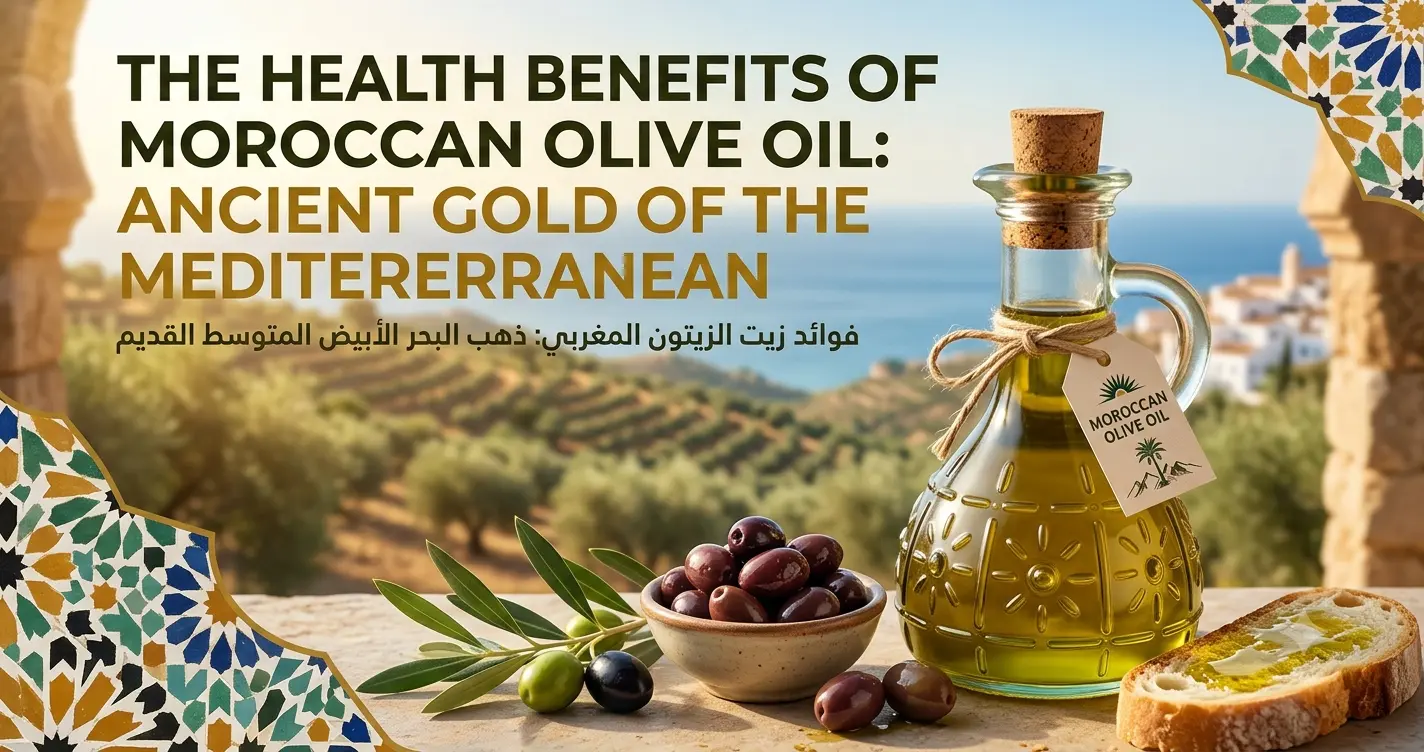
There is a moment — one I have experienced hundreds of times in Moroccan kitchens from the sun-scorched groves of Meknès to the terraced hillsides of the Rif Mountains — when a cook lifts a ceramic jug of freshly pressed olive oil and lets it fall in a slow, golden ribbon over a dish just pulled from the fire. The scent that rises is extraordinary: grassy, peppery, faintly floral, with a depth that no supermarket bottle ever quite captures. That oil is not simply an ingredient. It is a statement about land, tradition, and a relationship with food that stretches back more than three thousand years. Moroccan olive oil is, quite simply, one of the most extraordinary liquid foods on the planet, and the world is only beginning to wake up to what Moroccan cooks have always known. In this deep dive, we will explore every dimension of this ancient gold — its history, its biochemistry, its culinary soul, and the remarkable reasons why nutritionists, cardiologists, and food scientists are increasingly pointing to Morocco when they talk about the very best olive oil on earth.
Chapter One: Roots in Ancient Soil — The Three-Thousand-Year History of Moroccan Olive Cultivation
To understand why Moroccan olive oil is so exceptional, you have to understand the soil it comes from — literally and historically. Olive cultivation in Morocco predates the Roman Empire. Archaeological evidence from sites near Volubilis, the ancient Roman city in the Meknès region, confirms that olive pressing was already an industrial-scale activity by the first century AD, with dozens of massive stone presses still visible in the ruins today. But the Phoenicians, who established trading posts along Morocco's Atlantic coast as early as 800 BCE, almost certainly introduced the cultivated olive tree to North Africa even earlier.
What makes this history more than merely interesting is that it translates directly into something agronomists call deep rootedness. Moroccan olive trees — many of which are centuries old, some exceeding a thousand years — have root systems that penetrate layers of limestone, clay, and volcanic soil that younger, intensively farmed trees never reach. Those deep roots pull up mineral complexes and trace elements that find their way into the fruit and ultimately into the oil. When you taste a genuine Moroccan extra virgin olive oil and notice that complexity — that almost wine-like layering of flavors — you are tasting geology measured in millennia.
The Berber (Amazigh) peoples of Morocco have been the custodians of these groves across countless generations. For them, the olive tree — called azemmur in Tamazight — has never been merely an agricultural commodity. It is a symbol of peace, of permanence, of family heritage. In the Anti-Atlas mountains, it is common to find trees that the same family has harvested for fifteen or twenty generations. This continuity of care — the pruning knowledge, the harvesting timing, the pressing methods passed from grandparent to grandchild — is encoded in the quality of the oil in ways that modern agricultural science is only beginning to quantify.
Morocco's Olive Geography: Five Distinct Terroirs
Just as wine lovers speak of terroir, olive oil connoisseurs are increasingly recognizing that Morocco's varied geography produces oils with distinctly different character profiles. Understanding these regions helps you select the right oil for both culinary and health purposes:
- Meknès-Fès Corridor: The heartland of Moroccan olive production, situated on a fertile plateau between the Middle Atlas and the Rif Mountains. Oils here tend to be intensely fruity with high polyphenol content, partly because of the significant day-night temperature variation that stresses the trees into producing more protective antioxidants.
- Marrakech-Haouz Plain: Lower altitude, warmer climate, producing oils that are rounder and smoother with a gentle peppery finish — excellent for dipping and salad dressings.
- Ourika Valley and High Atlas Foothills: Small artisanal production at altitude, often from trees of extreme age. These oils are rare and extraordinary, with a mineral complexity that reflects the mountain limestone.
- Tadla-Azilal Region: An emerging area of quality production, benefiting from irrigation from the Oum Er-Rbia river. Oils here are newer in style — fresher, with more pronounced green-tomato and artichoke notes.
- Souss-Massa (Agadir Region): Morocco's largest olive-growing area by volume, with a mix of traditional and modern intensive production. The Atlantic influence moderates temperatures and produces oils with a distinctive balance of fruitiness and bitterness.
At MaCooking, we have spent years documenting how different regional Moroccan olive oils transform dishes differently — a knowledge base that Western cooks rarely have access to and that makes an enormous practical difference in both flavor and nutrition.
Chapter Two: The Nutritional Architecture of Moroccan Extra Virgin Olive Oil
Let us talk science, because the health case for high-quality Moroccan extra virgin olive oil is genuinely compelling — and the details matter enormously. Not all olive oil is the same, and the gap between a mass-produced, improperly stored bottle labeled "extra virgin" and a genuine cold-pressed Moroccan oil harvested at peak ripeness is as wide as the gap between grape juice and a great Burgundy.
The Fatty Acid Profile: Why Oleic Acid Is the Foundation
The primary health-giving fat in olive oil is oleic acid, a monounsaturated omega-9 fatty acid that typically makes up between 55 and 83 percent of olive oil's total fat content. High-quality Moroccan extra virgin olive oils frequently sit at the higher end of this range — some Meknès varieties testing above 78 percent oleic acid — which matters for several reasons:
- Cardiovascular protection: Oleic acid has been consistently shown in clinical studies to reduce LDL (bad) cholesterol while maintaining or slightly increasing HDL (good) cholesterol levels.
- Cellular membrane health: Monounsaturated fats are incorporated into cell membranes in a way that keeps them flexible and responsive, which has implications for everything from insulin sensitivity to neurological function.
- Oxidative stability: Unlike polyunsaturated fats (which are abundant in vegetable and seed oils), oleic acid is relatively resistant to oxidation — meaning it is more stable during cooking and less likely to generate harmful free radicals.
- Gene expression: Emerging research suggests that oleic acid may beneficially influence the expression of genes involved in inflammation, fat metabolism, and even cancer suppression.
Beyond oleic acid, extra virgin olive oil contains small but significant amounts of omega-3 and omega-6 fatty acids, with Moroccan varieties often showing a favorable ratio that supports the anti-inflammatory effects attributed to Mediterranean diets.
The Polyphenol Powerhouse: Where Moroccan Oil Truly Excels
If oleic acid is the foundation of olive oil's health benefits, polyphenols are the penthouse. These powerful plant compounds — which include oleocanthal, oleuropein, hydroxytyrosol, and tyrosol — are responsible for the bitterness and peppery sting you feel in the back of your throat when you taste a genuinely good extra virgin olive oil. That sting, far from being a defect, is the taste of medicine.
Oleocanthal, identified by researchers at the Monell Chemical Senses Center in the early 2000s, has been shown to have an anti-inflammatory mechanism virtually identical to ibuprofen. It inhibits the same COX-1 and COX-2 enzymes that pharmaceutical NSAIDs target, which is why cultures that consume large amounts of high-polyphenol olive oil show remarkably lower rates of chronic inflammatory diseases. The burning sensation in your throat from excellent olive oil is literally oleocanthal at work.
Moroccan olive oils, particularly those from the Meknès region and from traditional Picholine Marocaine variety trees harvested at early ripeness, consistently test among the highest in polyphenol content globally. Multiple laboratory analyses have found polyphenol concentrations exceeding 500 mg/kg — well above the EU-regulated threshold of 250 mg/kg required for health claims on labels, and dramatically higher than the 150-200 mg/kg found in most commercially available European olive oils.
"In thirty years of testing olive oils from every producing country on earth, I keep returning to the Moroccan Picholine. The polyphenol density is remarkable — it is not uncommon to see numbers that would be exceptional even for the finest early-harvest Tuscan oils. Morocco is producing some of the world's most therapeutically potent olive oil, and most of the Western world has no idea."
— Dr. Elena Papadimitriou, Olive Oil Research Institute, Athens (cited in international food science literature)
Vitamins, Squalene, and Minor Miracle Compounds
The nutritional story of Moroccan extra virgin olive oil extends well beyond fats and polyphenols:
- Vitamin E (tocopherols): A powerful fat-soluble antioxidant that works synergistically with oleic acid to protect cell membranes from oxidative damage. A single tablespoon of quality extra virgin olive oil provides approximately 10-13% of your daily Vitamin E requirement.
- Vitamin K: Present in meaningful amounts, supporting blood clotting, bone metabolism, and cardiovascular health.
- Squalene: A triterpene hydrocarbon that acts as a potent antioxidant and has been studied for potential anti-cancer and skin-protective properties. Olive oil is the richest dietary source of squalene by a significant margin, with Moroccan varieties consistently showing high concentrations.
- Beta-sitosterol: A plant sterol that competes with dietary cholesterol for absorption, effectively reducing the amount of cholesterol entering your bloodstream.
- Chlorophyll: Present in early-harvest oils, giving them their distinctive green hue and contributing mild antioxidant and anti-inflammatory effects.
Chapter Three: The Health Benefits — What the Science Actually Says
I want to be honest with you here, as an expert who values both traditional wisdom and scientific rigor: the health benefits of high-quality extra virgin olive oil are among the most thoroughly documented in all of nutritional science. This is not wellness marketing or folk medicine. The evidence base, accumulated over decades of epidemiological studies, randomized controlled trials, and molecular biology research, is genuinely extraordinary.
Cardiovascular Health: The PREDIMED Evidence
The most significant piece of olive oil research ever conducted is the PREDIMED study (Prevención con Dieta Mediterránea), a Spanish randomized clinical trial involving nearly 7,500 participants over nearly five years. The results, published in the New England Journal of Medicine, were so dramatic that the trial was stopped early on ethical grounds — the participants consuming a Mediterranean diet supplemented with extra virgin olive oil showed a 30% reduction in major cardiovascular events (heart attack, stroke, cardiovascular death) compared to those following a low-fat diet.
Subsequent analysis has confirmed that the protective effects are specifically linked to high-polyphenol extra virgin olive oil — not refined olive oil, not vegetable oil, not even lower-polyphenol extra virgin varieties. This is precisely why the source and quality of your olive oil matters so dramatically for health outcomes, and why Moroccan high-polyphenol oils deserve serious attention.
Anti-Inflammatory Effects: Chronic Disease Prevention
Chronic low-grade inflammation is now understood to be a root driver of most of the major diseases of modern life: heart disease, type 2 diabetes, Alzheimer's disease, many cancers, and autoimmune conditions. The oleocanthal and oleuropein in high-polyphenol Moroccan olive oil work through multiple biochemical pathways to reduce inflammatory markers:
- Inhibition of pro-inflammatory cytokines including TNF-alpha, IL-1beta, and IL-6
- Reduction of C-reactive protein (CRP), one of the most reliable blood markers of systemic inflammation
- Modulation of the NF-kB signaling pathway, which controls the expression of dozens of inflammatory genes
- Activation of PPAR-gamma receptors, which regulate metabolic inflammation and insulin sensitivity
Brain Health and Cognitive Protection
The relationship between olive oil consumption and brain health is one of the most exciting frontiers in nutritional neuroscience. Several mechanisms appear to be at work:
Oleocanthal has been shown in laboratory studies to promote the clearance of amyloid-beta plaques — the protein aggregates associated with Alzheimer's disease — through upregulation of the brain's waste-clearance mechanisms. While we should be cautious about extrapolating from laboratory studies to clinical outcomes, the epidemiological data from Mediterranean populations, who show significantly lower rates of Alzheimer's and age-related cognitive decline, is striking.
Oleic acid's role in maintaining neuronal membrane fluidity is also significant. The brain is approximately 60% fat, and the quality of dietary fats consumed directly influences the composition of neuronal membranes and the efficiency of synaptic transmission. Regular consumption of high-quality extra virgin olive oil appears to support the kind of membrane architecture associated with preserved cognitive function as we age.
Metabolic Health: Blood Sugar, Insulin, and Weight
Despite being a calorie-dense food (approximately 120 calories per tablespoon), high-quality olive oil has a paradoxical relationship with weight and metabolic health. Multiple studies have found that populations consuming the most olive oil within Mediterranean diet patterns do not show the weight gain you might expect from their high-fat intake. Several mechanisms explain this:
- Enhanced satiety signaling: Oleic acid triggers the release of oleoylethanolamide (OEA), a lipid molecule that activates satiety receptors in the small intestine and sends hunger-suppressing signals to the brain.
- Improved insulin sensitivity: Regular consumption of monounsaturated fats is associated with better insulin receptor function and reduced fasting insulin levels.
- Favorable effects on gut microbiome: Olive oil polyphenols act as prebiotics, selectively feeding beneficial gut bacteria while inhibiting pathogenic strains.
- Thermogenic effects: Some research suggests that oleic acid may slightly increase metabolic rate and fat oxidation compared to saturated fat intake.
Cancer Risk Reduction
The evidence connecting high-polyphenol olive oil consumption to reduced cancer risk is growing, though it remains an area of active research. The most consistent findings relate to colorectal cancer, breast cancer, and certain digestive cancers, where Mediterranean diet patterns (of which olive oil is a cornerstone) are associated with meaningfully lower incidence rates. The proposed mechanisms include direct DNA-protective effects of hydroxytyrosol, oleocanthal's interference with cancer cell proliferation pathways, and the general anti-inflammatory environment that high olive oil consumption creates.
Chapter Four: The Picholine Marocaine — Morocco's Gift to the Olive World
If you are serious about Moroccan olive oil, you need to know about the Picholine Marocaine, the indigenous olive variety that accounts for approximately 95% of Morocco's olive groves and is unlike any other olive on earth. This is not simply a regional variety of a widespread species — it is a genuinely unique cultivar, shaped by thousands of years of adaptation to Morocco's specific climate, soil types, and farming traditions.
What Makes Picholine Marocaine Special
Compared to the well-known European varieties (Arbequina from Spain, Frantoio and Leccino from Italy, Koroneiki from Greece), the Picholine Marocaine has several distinctive characteristics:
| Characteristic | Picholine Marocaine | Spanish Arbequina | Italian Frantoio | Greek Koroneiki |
|---|---|---|---|---|
| Typical Polyphenol Content (mg/kg) | 400–650+ | 150–300 | 200–450 | 300–550 |
| Oleic Acid Content (%) | 65–80% | 55–75% | 70–80% | 65–80% |
| Flavor Profile | Green fruit, artichoke, pepper, bitter herbs | Mild, buttery, almond | Robust, artichoke, tomato | Intense, green, peppery |
| Oxidative Stability | Very High | Moderate | High | Very High |
| Drought Resistance | Excellent | Good | Moderate | Good |
| Tree Longevity | Centuries (1000+ years recorded) | Moderate lifespan | Long-lived (centuries) | Long-lived |
The Picholine Marocaine's exceptional drought resistance — a product of millennia of adaptation to Morocco's semi-arid climate zones — is also an environmental and agricultural asset. These trees maintain productivity through dry years without irrigation, and their deep root systems prevent soil erosion and sequester carbon in ways that intensive, irrigated olive farming cannot match.
Harvesting Traditions That Protect Quality and Potency
In traditional Moroccan olive cultivation, the harvest (called la récolte in the French-influenced Moroccan agricultural vocabulary, or simply jni l-azzitoun in Darija) is a community event that happens in October and November, when olives have just begun to turn from green to violet — a stage called véraison. Harvesting at this early-ripeness stage is crucial for two reasons:
- Maximum polyphenol concentration: Polyphenols are at their highest in unripe and just-ripening olives. As the fruit ripens to full black, polyphenol content drops significantly while oil volume increases. Traditional Moroccan practice — harvesting slightly early for the best oil — is therefore nutritionally optimal, even if it means slightly lower volume yields.
- Freshness and flavor: Early-harvest oils have the most complex, vibrant flavor profiles — the grassy, peppery, bitter notes that characterize truly great extra virgin olive oil.
The traditional hand-harvesting methods used in Moroccan villages — using long combs to rake olives from branches, with nets spread below to catch them — are gentler on the fruit than mechanical harvesting, reducing oxidation-triggering bruising and preserving the integrity of the polyphenols. This is not nostalgia for its own sake; it is a traditional practice that modern food science has confirmed produces demonstrably superior oil.
Chapter Five: Moroccan Olive Oil in the Kitchen — How to Use It for Maximum Health and Flavor
At MaCooking, we get hundreds of questions from readers around the world about how to best use Moroccan olive oil in everyday cooking. The answers are rooted in both nutritional science and deep culinary tradition, and they often challenge assumptions that Western cooks have absorbed from popular media.
The Smoke Point Myth: Can You Cook with Extra Virgin Olive Oil?
One of the most persistent myths in Western cooking is that extra virgin olive oil should not be used for cooking because its lower smoke point (compared to refined oils) makes it unstable at heat. This is, to put it plainly, wrong — and the Moroccan culinary tradition has been demonstrating its wrongness for centuries.
The smoke point of extra virgin olive oil is approximately 190-210°C (374-410°F), which is more than adequate for sautéing, shallow frying, and oven roasting at normal cooking temperatures. More importantly, the polyphenols and antioxidants in high-quality extra virgin olive oil actually protect the oil from oxidative degradation during cooking, making it more stable than many refined vegetable oils that have higher smoke points but no antioxidant protection whatsoever.
A 2020 study published in the journal Antioxidants tested seventeen different cooking oils under standard frying conditions and found that extra virgin olive oil generated the lowest concentrations of harmful oxidation byproducts, despite having one of the lower smoke points among the oils tested. The protection provided by polyphenols and oleic acid's inherent stability matters far more than smoke point in real-world cooking conditions.
Traditional Moroccan Uses That Maximize Health Benefits
The Moroccan culinary tradition has evolved, over millennia, an elegant set of practices that happen to maximize both flavor and the health benefits of olive oil. Here are the key patterns that you can bring into your own kitchen:
- The finishing drizzle: Moroccan cooks rarely stop their use of olive oil at the cooking stage. A final drizzle of high-quality extra virgin over a finished tagine, a bowl of harira soup, or a plate of zaalouk (roasted eggplant salad) is standard practice. This raw application preserves all polyphenols intact and adds a brilliant fresh flavor layer. Nutritionally, it is the most potent delivery method.
- Cold preparations: Moroccan salads — from the classic tomato-cucumber-herb combination to the more elaborate cooked vegetable preparations — are almost always dressed generously with extra virgin olive oil. The oil both delivers nutrients and dramatically improves the absorption of fat-soluble vitamins and antioxidants from the vegetables.
- Bread dipping: In Morocco, fresh bread dipped in olive oil (often with cumin, salt, or a smear of preserved lemon) is not a restaurant affectation but a daily ritual. This simple practice is one of the most efficient ways to consume olive oil's full polyphenol complement raw.
- Tagine cooking: The slow, low-temperature cooking of traditional tagines — where olive oil forms the cooking medium alongside aromatics at the bottom of the vessel — actually creates a process called olive oil thermolysis that releases some bound polyphenols into the sauce, increasing their bioavailability.
- Preservation medium: Moroccan preserved lemons, olives in brine, and various vegetable preparations are often submerged in or finished with olive oil, which acts as a natural preservative while the foods absorb its flavor compounds.
For specific recipes that showcase Moroccan olive oil at its health-promoting and flavor-delivering best, the recipe archives at MaCooking are an unparalleled resource — we have documented hundreds of traditional preparations with precise guidance on oil selection and application.
Buying, Storing, and Preserving Your Moroccan Olive Oil
Buying the right oil is only half the battle — improper storage destroys polyphenols rapidly, turning your investment in quality into a bottle of flavorless fat. Follow these guidelines:
| Factor | Best Practice | Why It Matters |
|---|---|---|
| Container Type | Dark glass, tin, or ceramic — never clear glass or plastic | Light degrades polyphenols and causes rancidity within weeks |
| Storage Temperature | Cool, consistent temperature (15–18°C / 59–64°F ideal) | Heat accelerates oxidation; refrigeration is acceptable but causes temporary cloudiness |
| Air Exposure | Keep tightly sealed; pour through a narrow spout | Oxygen is the primary driver of rancidity and polyphenol degradation |
| Harvest Date | Look for harvest date on label; use within 18 months | "Best by" dates are misleading; freshness from harvest is the real measure |
| Certification | Look for EACCE (Morocco) certification or international awards | Ensures authentic cold-pressed processing and polyphenol content |
| Purchase Quantity | Buy smaller bottles more frequently | A 500ml bottle used within 6 weeks retains far more polyphenols than a 5-liter container used over a year |
Chapter Six: Morocco's Olive Oil Renaissance — Quality, Recognition, and Global Rise
Something remarkable has been happening in the Moroccan olive oil sector over the past fifteen years. Driven by a combination of traditional knowledge, modern food science, and international competitive success, Morocco has emerged as arguably the most exciting frontier in global premium olive oil production. The numbers tell part of the story: Morocco now exports olive oil to over 70 countries and has become a major supplier to the EU, filling gaps left by climate-impacted harvests in Spain and Italy.
But the quality story is more interesting than the volume story. Moroccan producers have won top prizes at the world's most prestigious olive oil competitions — the NYIOOC World Olive Oil Competition, the Terraolivo competition in Jerusalem, and the Los Angeles International Olive Oil Competition — with growing regularity. Small Moroccan estates that were unknown outside their villages a decade ago are now listed by international fine food retailers and featured in the world's best restaurants.
Traditional vs. Modern Production: Finding the Balance
Morocco's olive oil sector today presents a fascinating spectrum from ancient artisanal production to ultra-modern continuous-cycle processing facilities. For health-conscious consumers, understanding where on this spectrum your oil sits is important:
- Traditional stone mills (maâsra): Still operating in hundreds of Moroccan villages, these mills use large circular stone wheels to crush olives before cold-pressing. The resulting oil has maximum flavor complexity and high polyphenol content but requires careful handling to prevent oxidation during the relatively slow process. Oil from a well-run traditional mill is extraordinary.
- Modern cold-extraction facilities: State-of-the-art stainless steel continuous systems that process olives within hours of harvest, at controlled temperatures below 27°C (80°F). This speed dramatically reduces oxidation and preserves polyphenols. The best Moroccan premium producers use this technology.
- Cooperative production: Many small farmers bring their olives to cooperative presses, which is economically sensible but requires vigilance about processing delays (olives sitting in piles for days before pressing lose polyphenols rapidly).
The single most important piece of information on any olive oil label, from a health perspective, is whether it was cold-pressed (or cold-extracted) and what the harvest date was. Everything else is secondary.
Chapter Seven: Integrating Moroccan Olive Oil Into a Modern Healthy Lifestyle
For Western readers who are perhaps encountering Moroccan olive oil seriously for the first time, the practical question is: how do I actually integrate this into my daily life in a way that delivers the health benefits we have been discussing? The answer, gratifyingly, is both simple and delicious.
Daily Dosage: How Much Is Beneficial?
The research on olive oil's health benefits is consistently associated with consumption levels of two to four tablespoons of extra virgin olive oil per day. This is the range used in the PREDIMED study and consistent with typical consumption patterns in traditional Mediterranean and Moroccan communities. To put this in practical terms:
- Two tablespoons on a salad for lunch
- One tablespoon drizzled over cooked vegetables or soup at dinner
- One tablespoon for sautéing aromatics for an evening dish
This is not a supplement regimen — it is simply cooking the way Moroccan grandmothers have always cooked. The health benefits are embedded in a pleasurable, flavorful, satisfying way of eating that does not feel medicalized or restrictive.
Pairing With Other Moroccan Superfoods
One of the underappreciated aspects of Moroccan cuisine's health profile is how olive oil works synergistically with other traditional Moroccan ingredients. At MaCooking, our approach has always been to see olive oil not as an isolated health product but as the connective tissue of an entire food culture that is, taken as a whole, one of the healthiest dietary patterns on earth:
- Olive oil + cumin: Cumin's volatile oils are fat-soluble and become dramatically more bioavailable when consumed with olive oil. This combination, ubiquitous in Moroccan cooking, is both traditionally rooted and nutritionally intelligent.
- Olive oil + preserved lemon: The fermentation compounds in preserved lemon, combined with olive oil's lipid matrix, create a delivery vehicle for a range of bioactive compounds that neither ingredient provides alone.
- Olive oil + fresh herbs (cilantro, parsley, mint): Fat-soluble antioxidants in fresh herbs are far better absorbed in the presence of olive oil fat. A chermoula sauce or a fresh herb salad dressed with good olive oil is nutritionally much more than the sum of its parts.
- Olive oil + legumes (lentils, chickpeas, fava beans): The combination of plant protein, fiber, and olive oil's healthy fats creates a deeply satisfying, blood-sugar-stabilizing meal that is at the core of Moroccan everyday eating.
- Olive oil + turmeric and saffron: Curcumin (turmeric's active compound) and crocin (saffron's) are both fat-soluble, making olive oil the ideal companion for unlocking their anti-inflammatory and health-protective properties.
Frequently Asked Questions About Moroccan Olive Oil and Health
FAQ 1: Is Moroccan olive oil truly different from Spanish or Italian olive oil in terms of health benefits?
Yes, meaningfully so — though with important nuances. The key variable is polyphenol content, which is determined by olive variety, harvesting time, and processing quality rather than country of origin alone. Moroccan Picholine Marocaine olives, harvested at early ripeness and cold-pressed within hours, consistently produce oils with polyphenol concentrations that rival or exceed the best early-harvest Koroneiki oils from Greece and significantly surpass typical Spanish Arbequina-based oils. Independent laboratory testing has confirmed this repeatedly. That said, a poorly processed Moroccan oil will be no better than a poor-quality oil from anywhere else — which is why understanding production methods and seeking certified, dated bottles matters so much, regardless of origin.
FAQ 2: Can I cook with Moroccan extra virgin olive oil, or should I save it for raw use?
You can absolutely cook with it, and Moroccan cuisine has been doing so for thousands of years. The smoke point of quality extra virgin olive oil (190-210°C) is sufficient for virtually all home cooking methods — sautéing, shallow frying, roasting, braising. The polyphenols and high oleic acid content actually make it more stable during cooking than many higher-smoke-point oils that lack antioxidant protection. For maximum polyphenol benefit, use it both for cooking and as a finishing drizzle — a practice standard in Moroccan kitchens that elegantly combines both applications in most traditional dishes.
FAQ 3: How do I know if the Moroccan olive oil I am buying is genuinely high quality?
Look for these indicators on the label and packaging: (1) "Cold-pressed" or "cold-extracted" specification; (2) A harvest date (not just a best-before date) — ideally from the current or previous season; (3) Dark glass, tin, or ceramic packaging; (4) A polyphenol content statement if available; (5) Certification from Morocco's EACCE (Établissement Autonome de Contrôle et de Coordination des Exportations) or from reputable international competitions. Taste is also informative — genuine high-polyphenol extra virgin olive oil should produce a distinct peppery sensation in the back of your throat and a pleasantly bitter note. If your olive oil tastes like nothing in particular, it almost certainly is nutritionally diminished.
FAQ 4: What is the best way to use Moroccan olive oil for someone new to Moroccan cuisine?
Start simple and let the oil teach you. Buy a quality bottle, pour a small amount into a white dish, and taste it straight — notice the green fruitiness, the bitter note, the pepper at the back of your throat. Then try it as a bread dip with just a pinch of good cumin and sea salt. From there, use it as the base fat for any vegetable sauté or soup you would normally make, and add a small finishing drizzle to your plate at the end. You do not need to cook Moroccan recipes to benefit from Moroccan olive oil — it works beautifully in any cuisine. When you are ready to explore authentic Moroccan preparations that showcase it at its finest, the resources at MaCooking will give you everything you need.
FAQ 5: Are there any people who should limit their olive oil consumption despite its health benefits?
Olive oil is extraordinarily well-tolerated by the vast majority of people and genuine adverse reactions are rare. However, a few considerations apply: individuals on strict calorie-restricted diets should account for olive oil's caloric density (approximately 120 calories per tablespoon) while recognizing that its satiety-promoting effects often naturally moderate consumption. People with rare fat malabsorption conditions (such as exocrine pancreatic insufficiency or certain inflammatory bowel disease patterns) may need to moderate all fat intake under medical guidance. Those on blood-thinning medications should be aware that very high olive oil consumption may have mild antiplatelet effects, though at normal culinary doses this is not typically clinically significant. For the overwhelming majority of adults, consuming two to four tablespoons of high-quality extra virgin olive oil daily represents an unambiguous nutritional benefit with no meaningful risk.
Conclusion: Return to the Source
We began this journey in a Moroccan kitchen, watching golden oil fall in a slow ribbon over a dish just removed from the fire. We end it, I hope, with a much richer understanding of what that ribbon contains and what it means.
Moroccan olive oil is not a wellness trend or a marketing category. It is the product of one of humanity's oldest agricultural relationships — three thousand years of olive trees and the people who tend them, pressed into a liquid that carries an extraordinary concentration of compounds that protect human health in ways nutritional science is still discovering. The ancient Amazigh farmers who kept these groves alive through centuries of drought, war, and upheaval did not need peer-reviewed journals to tell them that their oil was good for them. They felt it in their bodies and saw it in their communities' health across generations.
Modern nutritional science has now caught up with what those communities always knew. The evidence is unambiguous: high-quality, high-polyphenol extra virgin olive oil — especially the Picholine Marocaine varieties produced by Morocco's traditional and premium modern producers — is one of the most health-supportive foods available to us. Incorporating it generously into your daily eating is not deprivation or medicine. It is pleasure in service of health, which is exactly what good food has always been.
If this article has opened a door to Moroccan olive oil for you, let it also open a door to Moroccan food culture more broadly. The olive oil does not exist in isolation — it is part of a culinary tradition of extraordinary depth, richness, and nutritional intelligence. Explore the recipes, techniques, and ingredient guides at MaCooking, where our team of passionate experts has spent years documenting and teaching authentic Moroccan cuisine for a global audience. There is a whole world of flavor and health waiting in the food of this remarkable country, and olive oil is just the beginning of the story.
— Chef Jamal, MaCooking