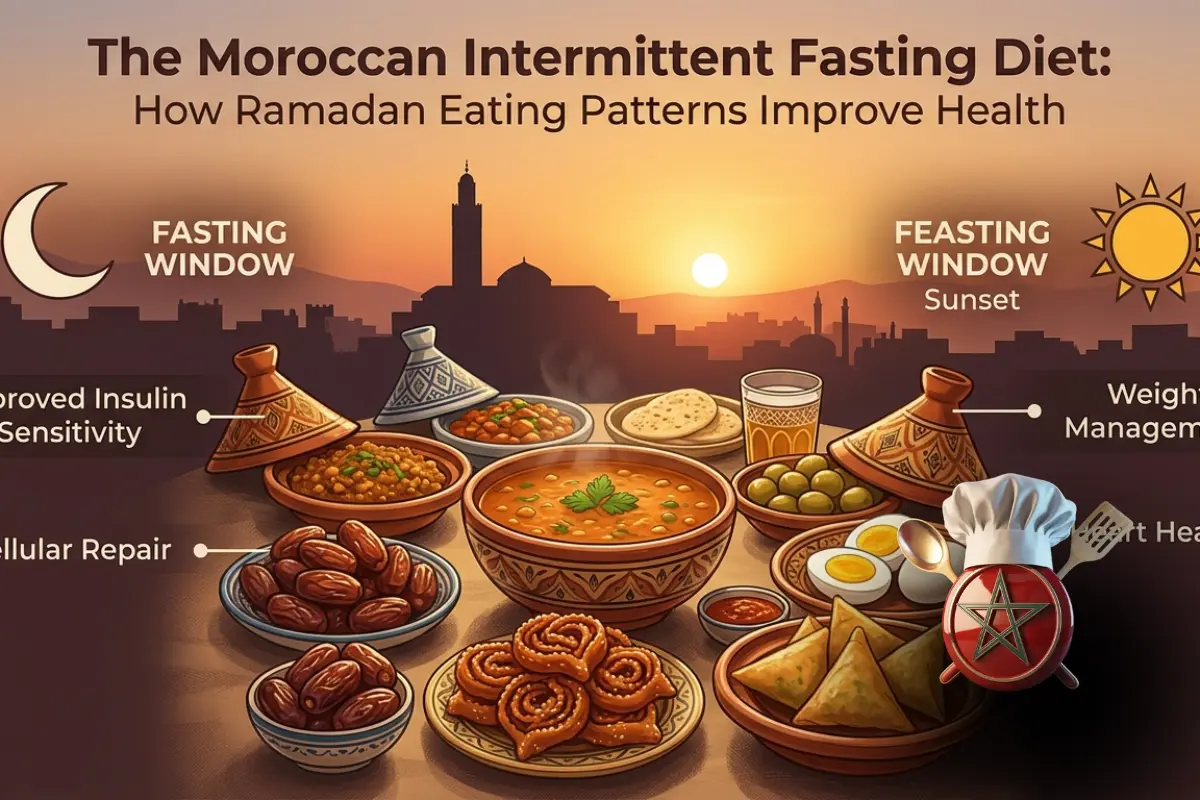
In the bustling souks of Marrakech and the coastal cities of Casablanca, a centuries-old eating pattern has quietly been delivering remarkable health benefits that modern science is only now beginning to fully understand. The traditional Moroccan approach to eating during Ramadan creates a natural form of intermittent fasting that combines the metabolic advantages of time-restricted eating with the nutritional powerhouse of North African cuisine. This ancient practice, deeply rooted in Islamic tradition and Moroccan culinary wisdom, offers Western audiences a proven pathway to improved health, sustainable weight management, and enhanced well-being.
Understanding the Moroccan Ramadan Eating Pattern
The Moroccan Ramadan eating schedule creates a natural 16:8 or even 18:6 intermittent fasting pattern, depending on the season and geographical location. During this holy month, Moroccan families practice sawm (fasting) from dawn (fajr) until sunset (maghrib), creating an extended fasting period followed by a carefully structured eating window.
This traditional pattern begins with Iftar, the evening meal that breaks the fast. In Moroccan households, Iftar typically starts with dates and milk or water, following the prophetic tradition (sunnah). This simple beginning serves a crucial physiological purpose: dates provide immediate glucose to restore blood sugar levels, while their natural fiber content prevents rapid spikes in insulin. The combination creates an ideal metabolic transition from the fasted to the fed state.
Following this gentle reintroduction of food, Moroccan families engage in Maghrib prayers, allowing 20-30 minutes for initial digestion before consuming the main Iftar meal. This natural pause prevents overeating and allows the body to properly register satiety signals. The main Iftar meal features traditional dishes like harira soup, fresh breads, tagines with vegetables and lean proteins, and an abundance of fresh fruits.
Later in the evening, typically 2-3 hours after Iftar, many Moroccan families enjoy a lighter meal or snacks, maintaining social connections and ensuring adequate nutrition. The final eating opportunity comes during Suhoor, the pre-dawn meal consumed before the fast begins. Suhoor in Moroccan tradition emphasizes slow-releasing carbohydrates, healthy fats, and adequate hydration to sustain energy throughout the fasting day.
The Science Behind the Timing
Modern chronobiology research validates the wisdom embedded in these traditional eating times. The Moroccan Ramadan pattern aligns eating with natural circadian rhythms, consuming the largest meal when digestive efficiency peaks in the early evening, and concluding food intake several hours before sleep to optimize metabolic processes and sleep quality.
During the fasting hours, the body undergoes several beneficial metabolic shifts. After approximately 12 hours without food, glycogen stores become depleted, and the body begins utilizing stored fat for energy through a process called ketosis. This metabolic flexibility, enhanced by the nutrient-dense Moroccan foods consumed during eating windows, contributes to improved insulin sensitivity, reduced inflammation, and enhanced cellular repair mechanisms.
Health Benefits of the Moroccan Intermittent Fasting Approach
Scientific research examining Ramadan fasting patterns, particularly those observed in Mediterranean and North African populations, has revealed numerous health benefits that extend well beyond simple weight management. The Moroccan approach to Ramadan eating combines the advantages of intermittent fasting with the anti-inflammatory and nutrient-dense properties of traditional North African cuisine.
Metabolic Health Improvements
Blood Sugar Regulation: The Moroccan practice of breaking fasts with dates followed by a gradual meal progression helps maintain stable blood glucose levels. Studies have shown that individuals following traditional Ramadan eating patterns experience improved glucose tolerance and enhanced insulin sensitivity. The high fiber content of traditional Moroccan foods, including whole grains, legumes, and vegetables, further supports stable blood sugar levels throughout the eating period.
Lipid Profile Enhancement: Research conducted on North African populations during Ramadan has demonstrated significant improvements in cholesterol profiles. The combination of extended fasting periods and meals rich in olive oil, nuts, and omega-3 fatty acids from fish commonly found in Moroccan coastal cuisine contributes to reduced LDL cholesterol and increased HDL cholesterol levels.
Weight Management: The natural caloric restriction that occurs during Ramadan, combined with the metabolic benefits of intermittent fasting, leads to sustainable weight loss. Unlike crash diets, the Moroccan approach maintains muscle mass while reducing body fat, thanks to adequate protein intake from traditional sources like legumes, fish, and lean meats.
Cardiovascular Benefits
The cardiovascular benefits of the Moroccan Ramadan eating pattern are particularly notable. The Mediterranean influence on Moroccan cuisine, characterized by abundant olive oil use, fresh vegetables, and omega-3 rich foods, combines with intermittent fasting to create powerful cardioprotective effects.
- Blood Pressure Reduction: The combination of weight loss, improved insulin sensitivity, and the anti-inflammatory effects of traditional Moroccan spices like cinnamon, ginger, and turmeric contributes to lower blood pressure readings.
- Improved Circulation: The antioxidants found in traditional Moroccan foods, particularly in preserved lemons, olives, and fresh herbs, support vascular health and improve circulation.
- Reduced Inflammation: Many traditional Moroccan spices possess anti-inflammatory properties that complement the inflammation-reducing effects of intermittent fasting.
Cognitive and Mental Health Benefits
The neurological benefits of the Moroccan intermittent fasting approach extend beyond physical health. The combination of metabolic flexibility achieved through fasting and the brain-supporting nutrients found in traditional Moroccan foods creates optimal conditions for cognitive function.
The practice promotes the production of brain-derived neurotrophic factor (BDNF), a protein crucial for brain health and neuroplasticity. Additionally, the social and spiritual aspects of Ramadan eating in Moroccan culture contribute to reduced stress levels and improved mental well-being, factors that are often overlooked in purely clinical approaches to intermittent fasting.
Traditional Moroccan Foods That Enhance Fasting Benefits
The success of the Moroccan intermittent fasting approach lies not only in the timing of meals but also in the exceptional nutritional quality of traditional foods consumed during eating windows. Moroccan cuisine, developed over centuries at the crossroads of Africa, Europe, and the Middle East, represents a sophisticated understanding of nutrition that modern science continues to validate.
Iftar Essentials: Breaking the Fast Mindfully
Dates (Tamr): The cornerstone of Iftar, dates provide immediate energy through natural sugars while delivering essential minerals like potassium, manganese, and copper. Moroccan Medjool dates, known for their size and sweetness, contain antioxidants that support cellular health and provide sustained energy release due to their fiber content.
Harira Soup: This traditional Moroccan soup serves as the perfect Iftar starter, combining lentils, chickpeas, tomatoes, and aromatic spices. Harira provides complex carbohydrates for sustained energy, plant-based proteins for muscle maintenance, and a rich array of vitamins and minerals. The soup's high water content also aids in rehydration after the fasting period.
Fresh Breads: Traditional Moroccan breads like khubz and rghaif provide carbohydrates for glycogen replenishment. When made with whole grains, these breads offer B vitamins, fiber, and sustained energy release that supports the body through the evening hours.
Main Meal Components: Nutritional Powerhouses
Tagine Dishes: The slow-cooking method used in tagine preparation maximizes nutrient retention while creating deeply satisfying meals. Vegetable tagines featuring seasonal produce provide antioxidants, fiber, and essential nutrients, while meat and fish tagines offer high-quality proteins and healthy fats.
Preserved Lemons: A unique component of Moroccan cuisine, preserved lemons provide probiotics that support digestive health, vitamin C for immune function, and unique flavor compounds that enhance the bioavailability of nutrients in other foods.
Argan Oil: This Moroccan superfood contains exceptional levels of vitamin E and essential fatty acids that support cardiovascular health and provide anti-inflammatory benefits. Used in both cooking and finishing dishes, argan oil enhances the absorption of fat-soluble vitamins.
Suhoor Selections: Sustaining Energy
The pre-dawn meal in Moroccan tradition emphasizes foods that provide sustained energy release throughout the fasting day. Traditional choices include:
- Msemen with honey and nuts: Provides complex carbohydrates and healthy fats for sustained energy
- Yogurt with dates and almonds: Offers protein, probiotics, and slow-releasing sugars
- Mint tea: Provides hydration and digestive support
- Seasonal fruits: Supply vitamins, minerals, and natural hydration
| Food Category | Key Nutrients | Fasting Benefits | Traditional Examples |
|---|---|---|---|
| Dates and Dried Fruits | Natural sugars, fiber, potassium | Quick energy restoration, electrolyte balance | Medjool dates, dried figs, dried apricots |
| Legume-based Dishes | Plant protein, fiber, iron, folate | Sustained energy, blood sugar stability | Harira soup, lentil tagines, chickpea dishes |
| Whole Grains | Complex carbs, B vitamins, fiber | Sustained energy release, digestive health | Whole wheat breads, barley, bulgur |
| Healthy Fats | Omega-3s, vitamin E, monounsaturated fats | Satiety, nutrient absorption, inflammation reduction | Argan oil, olive oil, almonds, walnuts |
| Fresh Vegetables | Antioxidants, fiber, vitamins, minerals | Cellular protection, digestive health, hydration | Tomatoes, onions, carrots, zucchini, peppers |
Implementing the Moroccan Approach in Western Lifestyles
Adapting the Moroccan Ramadan eating pattern for year-round use in Western contexts requires thoughtful modification that preserves the core benefits while accommodating different cultural, social, and professional demands. The key lies in understanding the fundamental principles rather than rigidly copying the exact practices.
Creating Your Personal Iftar Schedule
For Western practitioners, the "Iftar" meal can be scheduled according to personal and professional requirements while maintaining the essential 16-18 hour fasting period. Many find success with an eating window from 2:00 PM to 8:00 PM or 4:00 PM to 10:00 PM, depending on work schedules and social commitments.
Weekend Implementation: Begin your Moroccan-inspired intermittent fasting journey on weekends when you have more control over timing and food preparation. This allows you to experience the benefits and establish routines without the pressure of work obligations.
Gradual Transition: Start with a 12-hour fasting period and gradually extend to 16-18 hours over several weeks. This approach allows your body to adapt metabolically while building sustainable habits.
Moroccan-Inspired Meal Planning
Breaking Your Fast: Begin with 2-3 dates and a glass of water, followed by a 20-minute pause for light activity or meditation. This replicates the traditional prayer pause and provides the same physiological benefits of gradual re-feeding.
First Meal Structure: Start with a soup rich in vegetables and legumes (harira-inspired), followed by a main dish featuring lean protein, vegetables, and healthy fats. Conclude with fresh fruit and mint tea.
Evening Snack Option: If hunger occurs later in your eating window, choose nutrient-dense options like nuts with dates, yogurt with berries, or vegetable-based dishes.
Grocery Shopping Guide
To successfully implement the Moroccan approach, stock your kitchen with authentic ingredients that support both the fasting and feeding phases:
Essential Pantry Items:
- Dates: Medjool or Deglet Noor varieties for breaking fasts
- Legumes: Lentils, chickpeas, black-eyed peas for protein-rich soups and stews
- Whole Grains: Bulgur, barley, whole wheat flour for sustained energy
- Spices: Cinnamon, ginger, turmeric, cumin, coriander for flavor and health benefits
- Healthy Fats: Extra virgin olive oil, argan oil (if available), almonds, walnuts
- Preserved Items: Preserved lemons, olives, natural pickles for probiotics
Fresh Ingredients:
- Vegetables: Tomatoes, onions, carrots, zucchini, bell peppers, leafy greens
- Herbs: Fresh mint, cilantro, parsley for digestive support and flavor
- Proteins: Fish, chicken, eggs, yogurt for muscle maintenance during fasting
- Seasonal Fruits: Oranges, apples, berries for vitamins and natural hydration
Comparing Moroccan Fasting to Other Intermittent Fasting Methods
Understanding how the Moroccan Ramadan approach differs from other popular intermittent fasting methods helps Western audiences appreciate its unique advantages and determine if it aligns with their health goals and lifestyle preferences.
| Method | Fasting Window | Eating Pattern | Food Focus | Cultural Support | Sustainability |
|---|---|---|---|---|---|
| Moroccan Ramadan Style | 16-18 hours | Sunset to pre-dawn | Traditional, whole foods, community-based | Strong cultural and family support | High (traditional, natural) |
| 16:8 Method | 16 hours | Flexible 8-hour window | No specific requirements | Limited to online communities | Moderate (requires discipline) |
| 5:2 Diet | None daily | 2 days restricted, 5 days normal | Calorie restriction focus | Limited | Low (difficult restriction days) |
| Eat-Stop-Eat | 24 hours | 1-2 full days per week | No specific requirements | Limited | Low (extreme fasting periods) |
| Warrior Diet | 20 hours | One large evening meal | Paleo-inspired | Limited | Moderate (very restrictive) |
Unique Advantages of the Moroccan Approach
Holistic Integration: Unlike purely secular intermittent fasting methods, the Moroccan approach integrates physical, social, and spiritual elements. The community aspect of shared meals, family support, and cultural traditions creates a supportive environment that enhances adherence and psychological well-being.
Food Quality Emphasis: While many intermittent fasting approaches focus primarily on timing, the Moroccan method places equal emphasis on food quality. The traditional cuisine automatically provides anti-inflammatory, nutrient-dense options that enhance the metabolic benefits of fasting.
Natural Rhythm Alignment: The sunset-to-sunrise eating pattern aligns naturally with circadian rhythms, potentially offering superior metabolic benefits compared to arbitrary eating windows that may conflict with biological clocks.
Gradual Re-feeding Protocol: The traditional practice of breaking fasts with dates and pausing before the main meal creates a physiologically optimal transition that prevents digestive distress and promotes satiety recognition.
Potential Challenges for Western Adaptation
While the Moroccan approach offers numerous advantages, Western practitioners should be aware of potential adaptation challenges:
Social Scheduling: The sunset eating schedule may conflict with Western dinner traditions and work schedules, requiring creative solutions for social dining and family meals.
Seasonal Variations: In northern latitudes, sunset times vary dramatically between seasons, potentially creating very short or very long fasting periods that may not be suitable for everyone.
Ingredient Availability: Some traditional Moroccan ingredients may be difficult to source in certain Western locations, though suitable substitutes usually exist.
Seasonal Adaptations and Long-term Sustainability
One of the most sophisticated aspects of the Moroccan intermittent fasting approach lies in its natural adaptability to seasonal changes and its proven long-term sustainability. Unlike rigid diet programs, this traditional method evolves with natural rhythms and life circumstances, making it an ideal choice for those seeking a lifetime approach to healthy eating.
Seasonal Menu Adaptations
Spring Implementation: As daylight hours balance and fresh produce becomes abundant, the Moroccan approach naturally incorporates seasonal vegetables and herbs. Spring iftar menus traditionally feature fresh peas, artichokes, and early summer vegetables in light tagines. The moderate fasting periods during spring equinoxes provide an ideal introduction for Western practitioners.
Summer Considerations: During longer days, traditional Moroccan families adapt by emphasizing hydrating foods and lighter meals. Gazpacho-style cold soups, fresh fruit salads, and cucumber-based dishes become prominent. The extended fasting periods of summer can be challenging but offer maximum metabolic benefits for experienced practitioners.
Autumn Abundance: The harvest season brings heartier fare that perfectly supports the increasing fasting periods as days shorten. Traditional autumn dishes feature preserved foods, nuts, dried fruits, and warming spices that provide sustained energy and comfort during longer nights.
Winter Warmth: Shorter days create more manageable fasting periods while traditional winter foods provide necessary warmth and calories. Hearty stews, warming spices like cinnamon and ginger, and preserved summer vegetables ensure adequate nutrition during the season when fresh produce is limited.
Life Stage Adaptations
The Moroccan approach naturally accommodates different life stages and health conditions, making it more inclusive than many Western diet approaches:
Young Adults (20-35 years):
- Emphasis on building healthy habits and social connections
- Higher calorie needs met through larger portions of traditional dishes
- Active lifestyle support through strategic pre-workout timing
- Social eating opportunities maintained through flexible weekend schedules
Middle Age (35-55 years):
- Metabolic health focus with emphasis on diabetes and cardiovascular disease prevention
- Stress management through mindful eating practices
- Family meal integration with spouse and children
- Professional schedule accommodation through meal prep and planning
Older Adults (55+ years):
- Modified fasting periods if needed for medication schedules
- Emphasis on nutrient density and digestive health
- Social connection maintenance through community meals
- Cognitive health support through traditional brain-supporting foods
Building Support Systems
The success of the Moroccan intermittent fasting approach relies heavily on community and family support. Western practitioners can create similar support systems through:
Family Integration: Involve family members in meal planning and preparation. Even if not everyone follows the fasting schedule, sharing traditional Moroccan-inspired meals creates bonding opportunities and ensures consistent food quality.
Community Building: Connect with local Moroccan communities, Islamic centers, or create secular groups interested in traditional eating patterns. Shared experiences and collective wisdom enhance individual success.
Online Resources: Utilize social media groups, forums, and apps focused on intermittent fasting and Moroccan cuisine to maintain motivation and share experiences.
Frequently Asked Questions
Can I follow the Moroccan intermittent fasting approach year-round, or is it only meant for Ramadan?
The Moroccan intermittent fasting approach can absolutely be adapted for year-round use. While traditional Ramadan observance occurs during one month annually, the health benefits of this eating pattern make it valuable as a lifestyle choice. Many people successfully adapt the core principles - the 16-18 hour fasting period, mindful breaking of fasts with dates, nutrient-dense whole foods, and community-focused meals - into their regular routine. The key is modifying the timing to suit your geographic location, work schedule, and social commitments while maintaining the essential elements that provide health benefits. Some practitioners choose to follow it continuously, while others use it cyclically, such as a few months per year or during specific seasons.
How does the Moroccan approach help with weight loss compared to other intermittent fasting methods?
The Moroccan approach offers several advantages for sustainable weight loss. First, the emphasis on nutrient-dense, whole foods naturally reduces calorie density while increasing satiety, making it easier to maintain a caloric deficit without feeling deprived. Second, the traditional practice of breaking fasts gradually - starting with dates and water, pausing, then having a balanced meal - helps prevent overeating by allowing natural satiety signals to register. Third, the high fiber content of traditional foods (legumes, vegetables, whole grains) promotes feelings of fullness and supports healthy digestion. Finally, the community and cultural aspects provide psychological support that many find lacking in purely individual diet approaches, leading to better long-term adherence. Studies of Ramadan fasting show average weight loss of 1-3 kilograms during the month, with many people maintaining losses when they continue the principles afterward.
What should I do if I experience fatigue or difficulty concentrating during the fasting periods?
Initial fatigue during fasting periods is normal as your body adapts to using stored fat for energy instead of regular food intake. However, several strategies can minimize discomfort. First, ensure your last meal (Suhoor equivalent) includes adequate protein, healthy fats, and complex carbohydrates for sustained energy release. Foods like eggs with whole grain toast, yogurt with nuts and dates, or oatmeal with almonds provide lasting fuel. Second, stay well-hydrated during eating periods - dehydration is often mistaken for hunger-related fatigue. Third, gradually extend your fasting periods over 1-2 weeks rather than jumping immediately to 16-18 hours. Start with 12 hours and add one hour every few days. If fatigue persists beyond the initial adaptation period (usually 1-2 weeks), consult with a healthcare provider, as you may need to modify the approach based on individual health needs, medications, or underlying conditions.
Can I exercise while following the Moroccan intermittent fasting schedule?
Yes, exercise is not only possible but beneficial when following the Moroccan intermittent fasting approach, though timing and intensity may need adjustment. Many people find they have excellent energy for workouts 2-3 hours after their evening meal when glycogen stores are replenished. Morning exercise during the fasting period is also possible once adapted, though intensity may need to be moderate initially. Low to moderate intensity activities like walking, yoga, or light weight training work well in the fasted state. For high-intensity workouts, timing them 1-2 hours after breaking your fast ensures adequate fuel availability. The key is listening to your body and adjusting as needed. Many traditional Moroccan communities incorporate physical activity throughout the day, including evening walks after Iftar and morning activities before dawn. Stay hydrated during eating periods, ensure adequate electrolyte intake, and consider breaking your fast earlier on particularly active days if needed.
Are there any health conditions that would make the Moroccan intermittent fasting approach unsuitable?
While the Moroccan intermittent fasting approach offers many health benefits, certain conditions require medical supervision or make this eating pattern inadvisable. Diabetes, especially Type 1 diabetes or Type 2 diabetes requiring medication, requires careful medical monitoring as fasting can affect blood sugar levels and medication timing. Pregnant and breastfeeding women need consistent nutrition and should avoid extended fasting periods. People with a history of eating disorders should approach any restrictive eating pattern with caution and professional guidance. Those taking medications that require food for absorption or have specific timing requirements need to work with healthcare providers to adjust schedules. Individuals with kidney disease, liver disease, or other chronic conditions should consult medical professionals before beginning. Children and adolescents have different nutritional needs and should not follow restrictive eating patterns without medical supervision. Additionally, anyone with a history of gallstones, hypoglycemia, or certain heart conditions should seek medical clearance. When in doubt, consult with a healthcare provider familiar with intermittent fasting before beginning this or any significant dietary change.
Conclusion: Embracing Ancient Wisdom for Modern Health
The Moroccan intermittent fasting approach represents a remarkable convergence of ancient wisdom and modern nutritional science. By combining the metabolic benefits of time-restricted eating with the anti-inflammatory, nutrient-dense properties of traditional North African cuisine, this method offers Western audiences a sustainable, culturally rich path to improved health and well-being.
Unlike many contemporary diet trends that focus solely on restriction or rigid rules, the Moroccan approach emphasizes abundance - abundant flavors, abundant nutrients, abundant community connection, and abundant respect for the body's natural rhythms. The traditional foods that form the foundation of this eating pattern provide not just calories, but a complex matrix of vitamins, minerals, antioxidants, and beneficial plant compounds that support optimal health at the cellular level.
The success of this approach lies in its holistic nature. It addresses not only what and when we eat, but how we eat, with whom we eat, and why we eat. The emphasis on gradual, mindful consumption, family and community involvement, and seasonal adaptation creates a framework for long-term success that extends far beyond simple weight management or metabolic improvement.
For Western practitioners seeking to incorporate these principles, the journey begins with understanding that this is not merely another diet to be tried and abandoned, but a lifestyle approach rooted in centuries of cultural wisdom and proven health outcomes. Start gradually, respect the process, seek community support, and allow the natural rhythms of this ancient practice to guide you toward improved health, greater energy, and a deeper appreciation for the nourishing power of thoughtfully prepared, lovingly shared food.
As modern research continues to validate the health benefits of intermittent fasting and traditional dietary patterns, the Moroccan approach stands out as a time-tested, culturally rich, and scientifically supported method for achieving optimal health. By embracing these ancient principles adapted for modern life, we can transform not only our physical health but also our relationship with food, community, and the rhythms of daily life.