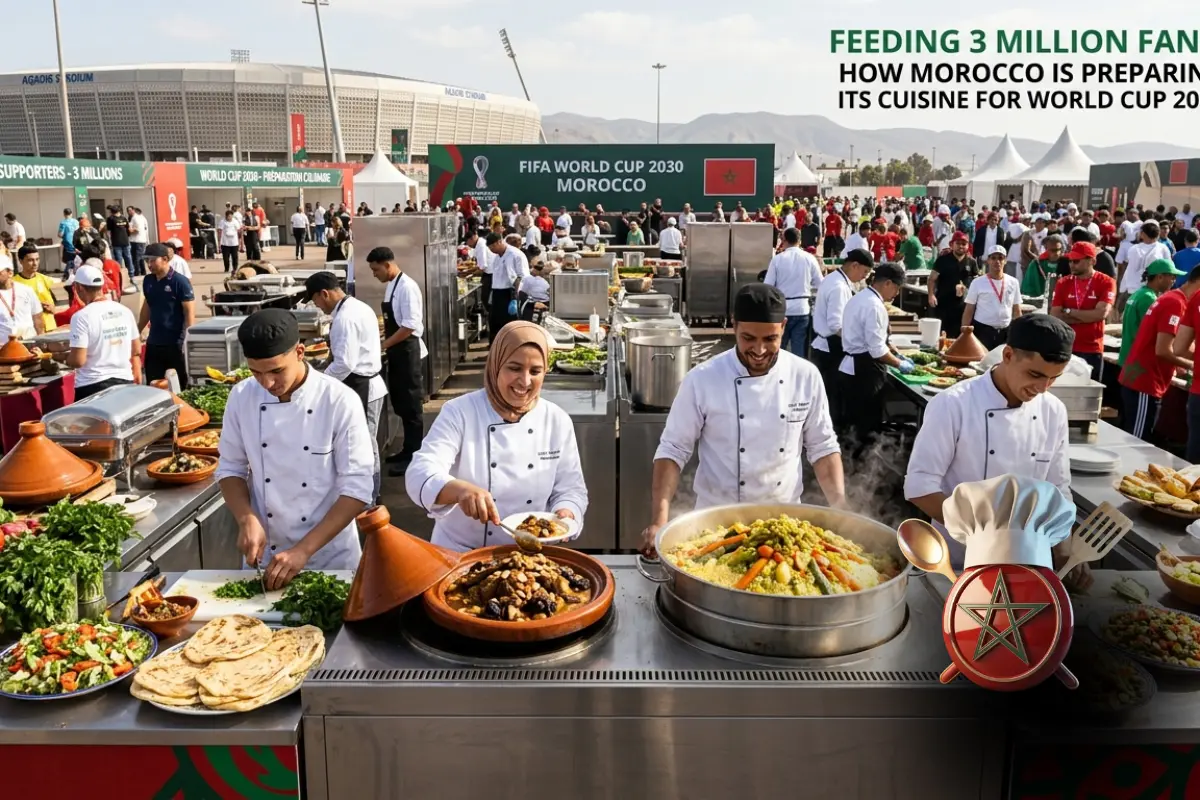
Welcome to Morocco's Culinary World Cup Experience
As Morocco prepares to co-host the FIFA World Cup 2030, soccer fans from around the globe are gearing up for more than just spectacular matches. They're about to embark on one of the world's greatest culinary adventures. Morocco's vibrant street food scene offers an incredible journey through centuries of culinary tradition, where Berber, Arab, Mediterranean, and sub-Saharan African influences have created a unique gastronomic landscape that will captivate every visitor's taste buds.
From the bustling medinas of Marrakech and Fez to the modern boulevards of Casablanca and Rabat, Moroccan street food represents the heart and soul of the nation's culinary identity. This comprehensive guide will navigate you through the essential dishes, hidden gems, and cultural experiences that make Morocco's food scene a perfect complement to the world's most prestigious soccer tournament. Whether you're grabbing a quick bite between matches or exploring local neighborhoods, understanding Morocco's street food culture will enhance your World Cup experience immeasurably.
The beauty of Moroccan street food lies not just in its incredible flavors, but in its accessibility and authenticity. These are the dishes that Moroccans eat daily, passed down through generations and perfected by countless street vendors who take immense pride in their craft. For Western visitors, this represents an opportunity to experience genuine Moroccan culture in its most unpretentious and delicious form.
Essential Moroccan Street Foods Every Soccer Fan Must Try
Morocco's street food landscape is incredibly diverse, offering everything from hearty tagines to delicate pastries. Understanding the most essential dishes will help you navigate the countless options available throughout your World Cup journey. These foods represent the foundation of Moroccan cuisine and are readily available from street vendors, small restaurants, and food markets across all major cities hosting World Cup events.
Tagine: Morocco's National Treasure
The tagine stands as Morocco's most internationally recognized dish, and for good reason. Named after the distinctive cone-shaped clay pot in which it's cooked, tagine represents the perfect fusion of ingredients, spices, and cooking techniques that define Moroccan cuisine. The slow-cooking process allows flavors to meld beautifully, creating tender meats and vegetables infused with aromatic spices like cumin, coriander, cinnamon, and saffron.
Street vendors and small restaurants offer various tagine variations, from the classic chicken with olives and preserved lemons to beef with prunes and almonds. Vegetarian options featuring seasonal vegetables are equally popular and showcase Morocco's agricultural abundance. The cooking process itself is a spectacle, with vendors tending multiple tagine pots simultaneously, each releasing aromatic clouds that draw hungry customers from blocks away.
For soccer fans, tagine offers the perfect balance of nutrition and satisfaction. The combination of protein, vegetables, and complex carbohydrates provides sustained energy, while the rich flavors create a memorable dining experience that connects you directly to Moroccan culinary traditions.
Couscous: The King of Moroccan Grains
Traditionally served on Fridays after mosque prayers, couscous has evolved into a daily staple available from street vendors throughout Morocco. This tiny semolina grain, when properly prepared, becomes light, fluffy, and incredibly versatile. Street vendors typically serve couscous with a variety of accompaniments, including seasoned vegetables, chickpeas, and your choice of meat or fish.
The preparation of couscous is an art form requiring patience and skill. The grains are steamed multiple times in a special pot called a couscoussier, allowing them to achieve the perfect texture. Street vendors often prepare large batches in the morning, then customize individual servings with different toppings and sauces throughout the day.
What makes street couscous particularly appealing to international visitors is its adaptability to different dietary preferences. Vegetarian versions featuring seasonal vegetables and aromatic herbs are common, while meat lovers can enjoy versions with tender lamb, chicken, or beef. The dish is typically seasoned with a blend of spices that may include turmeric, ginger, and ras el hanout, Morocco's signature spice blend.
Pastilla: A Sweet and Savory Masterpiece
Pastilla represents one of Morocco's most sophisticated street foods, demonstrating the country's unique approach to combining sweet and savory flavors. This flaky pastry pie traditionally contains pigeon or chicken, almonds, eggs, and a blend of spices, all wrapped in delicate phyllo-like pastry called warqa and dusted with powdered sugar and cinnamon.
The contrast between the crispy exterior and the rich, complex filling creates a remarkable eating experience that often surprises Western palates. The combination of meat with sweet elements like almonds and cinnamon reflects the historical influence of Andalusian cuisine, brought to Morocco by refugees from medieval Spain.
Street vendors typically prepare pastilla in smaller, individual portions that are perfect for soccer fans on the go. Some vendors offer seafood versions featuring fish or shrimp, while others create vegetarian options using lentils or mixed vegetables. The key to exceptional pastilla lies in achieving the perfect balance between all elements and ensuring the pastry remains crispy even after adding the moist filling.
Regional Specialties Across Morocco's World Cup Cities
Each of Morocco's major cities hosting World Cup events has developed its own distinct street food specialties, reflecting local ingredients, historical influences, and cultural preferences. Understanding these regional variations will help you appreciate the incredible diversity within Moroccan cuisine and ensure you don't miss any unique local experiences during your travels.
Casablanca: Morocco's Cosmopolitan Food Hub
As Morocco's economic capital and largest city, Casablanca offers the most diverse street food scene in the country. The city's cosmopolitan atmosphere has created a fusion of traditional Moroccan flavors with international influences, resulting in unique dishes that can't be found elsewhere.
One of Casablanca's signature street foods is the Moroccan fish sandwich, featuring grilled sardines or mackerel served in crusty bread with tomatoes, onions, and a spicy harissa-based sauce. The city's proximity to the Atlantic Ocean ensures incredibly fresh seafood, making these sandwiches a must-try for visitors. Street vendors along the Corniche waterfront offer the best versions, often grilling the fish to order right in front of customers.
Casablanca is also famous for its modern interpretation of traditional dishes. Street vendors here often incorporate international ingredients and cooking techniques while maintaining authentic Moroccan flavors. You might find tagines served with French bread, couscous prepared with Italian-style vegetables, or pastillas featuring contemporary ingredients like spinach and feta cheese.
Marrakech: The Heart of Traditional Moroccan Street Food
Marrakech's Jemaa el-Fnaa square represents the epicenter of traditional Moroccan street food culture. This UNESCO World Heritage site transforms each evening into an enormous outdoor restaurant, with dozens of food stalls offering every conceivable Moroccan dish. The atmosphere is electric, with vendors calling out to potential customers, the aroma of grilling meats and aromatic spices filling the air, and traditional musicians providing entertainment.
The city is particularly famous for its mechoui, slow-roasted lamb that's been cooking in underground ovens for hours until it becomes incredibly tender. Vendors carve the meat to order and serve it with bread, salt, and cumin, creating a simple but incredibly satisfying meal. The preparation method, which involves wrapping seasoned lamb in palm leaves and cooking it in sand-covered pits, dates back centuries and represents one of Morocco's most ancient cooking techniques.
Marrakech also offers exceptional examples of traditional sweets and pastries. Street vendors sell fresh chebakia, flower-shaped pastries fried until golden and soaked in honey and orange blossom water. These treats are particularly popular during Ramadan but are available year-round from specialized vendors throughout the medina.
Rabat: Royal Cuisine Meets Street Food
As Morocco's capital city, Rabat offers a unique perspective on Moroccan street food, where traditional dishes receive the influence of royal court cuisine. The city's vendors often prepare more refined versions of classic dishes, incorporating techniques and ingredients historically associated with palace kitchens.
Rabat is particularly known for its exceptional pastries and bread. The city's bakers produce some of Morocco's finest khubz, the round flatbread that accompanies most meals. Street vendors often offer bread fresh from traditional wood-fired ovens, still warm and fragrant. The bread serves as the foundation for numerous street food preparations, from simple olive oil and za'atar toppings to more complex combinations featuring grilled vegetables and preserved meats.
The city also specializes in refined versions of traditional tagines, often featuring ingredients like saffron, rose petals, and premium cuts of meat. While these dishes might cost slightly more than their counterparts in other cities, they offer an opportunity to experience the sophisticated flavors that characterize Morocco's royal culinary tradition.
Quick Bites and Snacks Perfect for Match Days
Soccer fans need portable, satisfying snacks that can be enjoyed while moving between venues, waiting in lines, or watching matches in public spaces. Morocco's street food culture offers numerous options that are perfectly suited to the fast-paced environment of a World Cup tournament. These quick bites are designed to be eaten by hand, are readily available from street vendors throughout the day, and provide the energy needed for long days of soccer excitement.
Moroccan Sandwiches and Wraps
The bocadillo Moroccan-style has become one of the most popular street foods for busy locals and tourists alike. These sandwiches typically feature crusty bread filled with grilled meats, fresh vegetables, and flavorful sauces. The most common varieties include chicken, beef, or lamb seasoned with traditional Moroccan spices and grilled to order.
One particularly popular option is the merguez sandwich, featuring spicy North African sausages grilled until crispy on the outside but juicy inside. The sausages are typically served with grilled peppers, onions, and a spicy harissa sauce that adds heat and depth to every bite. These sandwiches are perfect for soccer fans because they're completely portable, filling, and packed with flavor.
Vegetarian options are increasingly common, featuring grilled vegetables like eggplant, zucchini, and peppers, often combined with hummus or other legume-based spreads. These sandwiches showcase Morocco's excellent produce and demonstrate that street food can be both healthy and satisfying.
Traditional Moroccan Snacks
Morocco offers numerous traditional snacks that are perfect for munching while watching matches or exploring cities between games. Roasted nuts and seeds are ubiquitous, with vendors offering everything from simple roasted almonds to complex spice-coated combinations featuring pumpkin seeds, chickpeas, and peanuts.
One of the most addictive Moroccan snacks is roasted chickpeas seasoned with cumin, salt, and sometimes chili powder. These provide excellent protein and fiber while delivering satisfying crunch and authentic Moroccan flavors. Vendors typically prepare fresh batches throughout the day, ensuring optimal texture and flavor.
Fresh and dried fruits also play a major role in Morocco's snack culture. Street vendors offer seasonal fresh fruits like oranges, dates, and figs, often prepared in convenient portion sizes. Dried fruits and nuts mixed with rose petals and orange blossom water create sophisticated flavor combinations that reflect Morocco's Persian and Middle Eastern influences.
| Snack Type | Average Price (USD) | Spice Level | Portability | Availability |
|---|---|---|---|---|
| Merguez Sandwich | $3-5 | Medium-Hot | Excellent | Very High |
| Roasted Chickpeas | $1-2 | Mild | Excellent | High |
| Nut Mix | $2-4 | Varies | Excellent | Very High |
| Fruit Portions | $1-3 | None | Good | High |
| Pastry Bites | $2-4 | None-Mild | Good | Medium |
Beverages and Drinks to Complement Your Moroccan Food Experience
No exploration of Moroccan street food would be complete without understanding the country's diverse beverage culture. From the iconic mint tea to fresh fruit juices, Morocco offers numerous drinks that perfectly complement its rich cuisine while providing refreshment during the hot World Cup summer months. These beverages are not just thirst-quenchers; they're integral parts of Moroccan social culture and dining traditions.
Mint Tea: Morocco's National Drink
Atay, or Moroccan mint tea, represents far more than just a beverage—it's a symbol of Moroccan hospitality and an essential part of the country's social fabric. This sweet green tea infused with fresh spearmint leaves is served in small glasses and traditionally poured from a height to create a distinctive foam on top. The preparation and serving of mint tea follows specific rituals that have been passed down through generations.
Street vendors and small cafes throughout Morocco serve mint tea throughout the day, making it the perfect accompaniment to any meal or snack. The tea's sweetness and mint freshness provide an excellent counterpoint to rich, spicy foods, while its caffeine content offers a gentle energy boost perfect for busy World Cup days.
The quality of mint tea can vary significantly depending on the vendor's skill and ingredients. The best versions use high-quality Chinese green tea, fresh spearmint (never dried), and the right amount of sugar to balance all flavors. Many vendors take pride in their tea preparation and will gladly demonstrate the traditional pouring technique for interested customers.
Fresh Fruit Juices and Smoothies
Morocco's abundant sunshine and fertile agricultural regions produce exceptional fruits that are transformed into refreshing juices and smoothies available from street vendors throughout the country. Orange juice is particularly popular, with vendors often squeezing oranges to order using manual presses that extract maximum flavor while maintaining the fruit's natural texture.
Seasonal fruit juices offer visitors the chance to taste varieties that might be unfamiliar to Western palates. Pomegranate juice, rich in antioxidants and with a distinctive tart-sweet flavor, is available during autumn and winter months. Fresh date juice, made from Morocco's famous Medjool dates, provides natural sweetness and energy that's perfect for active soccer fans.
Mixed fruit smoothies have become increasingly popular, especially in larger cities. These often combine traditional Moroccan fruits with modern smoothie techniques, creating refreshing drinks that are both nutritious and satisfying. Common combinations include orange with banana, date with almond milk, or pomegranate with mint.
Traditional and Modern Beverage Options
Beyond tea and fruit juices, Morocco offers several traditional beverages that provide unique flavor experiences for adventurous visitors. Tamarind juice, made from the pod-like fruit of the tamarind tree, offers a tangy, slightly sour flavor that's incredibly refreshing in hot weather. This drink is particularly popular in southern Morocco and provides a taste experience that's completely different from typical Western beverages.
Almond milk, prepared fresh from ground almonds, water, and sometimes orange blossom water, represents another traditional Moroccan beverage. This naturally sweet, creamy drink is often served cold and provides an excellent alternative for visitors who prefer non-caffeinated options or have dietary restrictions.
Modern beverage culture in Morocco has embraced international trends while maintaining local flavors. Many vendors now offer fresh coconut water, imported from other regions, and various herbal teas beyond the traditional mint variety. Hibiscus tea, with its deep red color and tart flavor, has become particularly popular and offers excellent health benefits including vitamin C and antioxidants.
Food Safety and Cultural Etiquette for Western Visitors
Understanding proper food safety practices and cultural etiquette is essential for Western visitors who want to fully enjoy Morocco's street food scene while staying healthy and showing respect for local customs. These considerations will help ensure your culinary adventures enhance rather than hinder your World Cup experience.
Essential Food Safety Guidelines
Street food safety in Morocco requires attention to several key factors, but following basic guidelines will allow you to enjoy authentic experiences with minimal risk. The most important principle is choosing vendors with high customer turnover, as this ensures fresh ingredients and proper food rotation. Popular vendors with lines of local customers typically maintain the highest standards because their reputation depends on customer satisfaction and safety.
Temperature is crucial when evaluating street food options. Hot foods should be served steaming, while cold items should be properly chilled. Avoid foods that appear to have been sitting at room temperature for extended periods. Grilled items prepared to order offer excellent safety profiles because the high cooking temperatures eliminate potential pathogens.
Water quality deserves special attention for Western visitors. Stick to bottled water for drinking and tooth brushing, and ensure ice cubes are made from purified water. Many reputable vendors use bottled water for all food preparation, but don't hesitate to ask if you're uncertain. Fresh fruit juices are generally safe when prepared from whole fruits that are washed and peeled properly in front of customers.
Cultural Dining Etiquette
Moroccan dining culture includes specific etiquette practices that demonstrate respect and enhance your cultural experience. Hand washing is extremely important in Moroccan culture, and many vendors provide water pitchers and soap for customers to wash their hands before eating. This practice is both hygienic and culturally significant, showing respect for food and dining companions.
Traditional Moroccan meals are often eaten with the right hand only, using bread as a utensil to scoop up foods. While street vendors typically provide utensils for foreign customers, learning to eat in the traditional manner shows cultural awareness and often leads to more authentic interactions with locals and vendors.
Tipping practices vary depending on the type of establishment and level of service. For simple street food purchases, tipping is not expected, but rounding up the bill or leaving small change is appreciated. For more elaborate meals or exceptional service, a tip of 10-15% is appropriate and helps support the hardworking vendors who make Morocco's food scene so vibrant.
Dietary Restrictions and Special Considerations
Morocco's cuisine naturally accommodates many dietary restrictions, but communication is key to ensuring your needs are met. The country's large Muslim population means halal meat is standard, while the absence of pork makes most dishes suitable for those avoiding pork products. However, Western visitors should be aware that cross-contamination might occur in kitchens that serve both meat and vegetarian dishes.
Vegetarian and vegan options are abundant in Moroccan cuisine, with many traditional dishes naturally plant-based. Dishes featuring legumes, vegetables, and grains form the backbone of many Moroccan meals. However, some seemingly vegetarian dishes might contain meat-based broths or small amounts of meat for flavoring, so always ask vendors about ingredients if you have strict dietary requirements.
Gluten-free dining in Morocco can be challenging since bread plays a central role in most meals, and couscous contains gluten. However, many traditional dishes like tagines (without bread), grilled meats, and fresh fruits and vegetables are naturally gluten-free. Rice-based dishes are also available, though less common than wheat-based options.
| Dietary Restriction | Ease of Accommodation | Common Options | Communication Tips | Precautions Needed |
|---|---|---|---|---|
| Vegetarian | Excellent | Vegetable tagines, legume dishes | "Ana nabati" (I'm vegetarian) | Check for meat broths |
| Vegan | Good | Fruit, vegetables, some tagines | "Bla laham wa bla haleb" (No meat, no dairy) | Verify cooking oils/methods |
| Gluten-Free | Moderate | Grilled meats, rice dishes | "Bla qamh" (No wheat) | Avoid bread, couscous |
| Halal | Excellent | All meat dishes | Generally not needed | None |
| Kosher | Difficult | Limited options | Seek Jewish community areas | Extensive verification needed |
Frequently Asked Questions About Moroccan Street Food
Is Moroccan street food safe for Western tourists during the World Cup?
Yes, Moroccan street food is generally safe for Western tourists when you follow basic safety guidelines. Choose vendors with high customer turnover, ensure hot foods are served steaming, and stick to bottled water. The Moroccan government has implemented additional food safety measures in preparation for the World Cup, including vendor training programs and increased health inspections. Most visitors experience no issues when they use common sense and choose popular, well-maintained food stalls.
How spicy is Moroccan street food compared to other cuisines?
Moroccan cuisine is generally milder than many visitors expect, focusing more on aromatic spices than heat-generating chili peppers. Most traditional dishes feature warm spices like cumin, cinnamon, and ginger rather than hot spices. However, harissa sauce and some regional specialties can be quite spicy. Vendors are usually happy to adjust spice levels for international customers, and you can always request dishes to be prepared with less heat. Start with milder options and gradually work up to spicier dishes as your palate adapts.
What should I budget for street food during my Morocco World Cup visit?
Street food in Morocco is remarkably affordable compared to Western standards. Expect to pay $2-8 for most complete street meals, with snacks and beverages ranging from $1-4. A typical day's worth of street food (breakfast, lunch, dinner, and snacks) should cost between $15-30 per person. Prices may be slightly higher in major tourist areas and during World Cup events, but Morocco's street food remains one of the world's best culinary bargains. Always carry small bills and coins for easier transactions.
Can I find familiar flavors if Moroccan cuisine doesn't suit my taste?
Absolutely! Morocco's major cities offer international food options alongside traditional cuisine, and many Moroccan dishes share flavor profiles with Mediterranean foods familiar to Western palates. Grilled meats, fresh salads, and simple preparations are widely available. Additionally, many traditional Moroccan ingredients like olives, almonds, and citrus fruits are familiar to international visitors. French colonial influence means bread, pastries, and some European-style dishes are also common, providing comfort food options when needed.
Are there vegetarian and dietary-restricted options readily available?
Yes, Morocco offers excellent options for various dietary restrictions. Vegetarian dishes are abundant, featuring vegetables, legumes, and grains. Many traditional dishes are naturally vegetarian or can be easily modified. Vegan options are also available, though dairy products like cheese and yogurt are common in some dishes. Gluten-free dining requires more attention since bread and couscous are staples, but many tagines, grilled meats, and rice dishes are naturally gluten-free. Always communicate your dietary needs clearly to vendors, and consider learning basic Arabic phrases to explain your restrictions.
Conclusion: Your Culinary World Cup Adventure Awaits
Morocco's street food scene offers World Cup visitors an extraordinary opportunity to experience authentic culture through cuisine. From the aromatic tagines of Marrakech to the fresh seafood sandwiches of Casablanca, every bite tells a story of Morocco's rich culinary heritage and warm hospitality. These foods represent more than mere sustenance; they're expressions of cultural identity, family traditions, and national pride that will enhance your World Cup experience immeasurably.
As you plan your Morocco World Cup 2030 adventure, remember that the country's street food culture operates on principles of freshness, community, and generous hospitality. Vendors take pride in their craft and genuinely want visitors to enjoy authentic Moroccan flavors. By approaching street food with an open mind, basic safety awareness, and cultural respect, you'll discover that some of your most memorable World Cup moments might happen not in stadiums, but at small food stalls where strangers become friends over shared meals and mint tea.
The fusion of soccer excitement and culinary exploration creates a unique travel experience that few destinations can match. Morocco's preparation for the World Cup has enhanced an already incredible food scene, ensuring that international visitors will find both authentic traditional experiences and modern conveniences. Whether you're grabbing a quick snack between matches or settling in for a leisurely meal while discussing soccer with locals, Morocco's street food will provide the perfect backdrop for your World Cup memories. Pack your appetite along with your team jersey—Morocco's culinary adventure is ready to welcome you with open arms and unforgettable flavors.