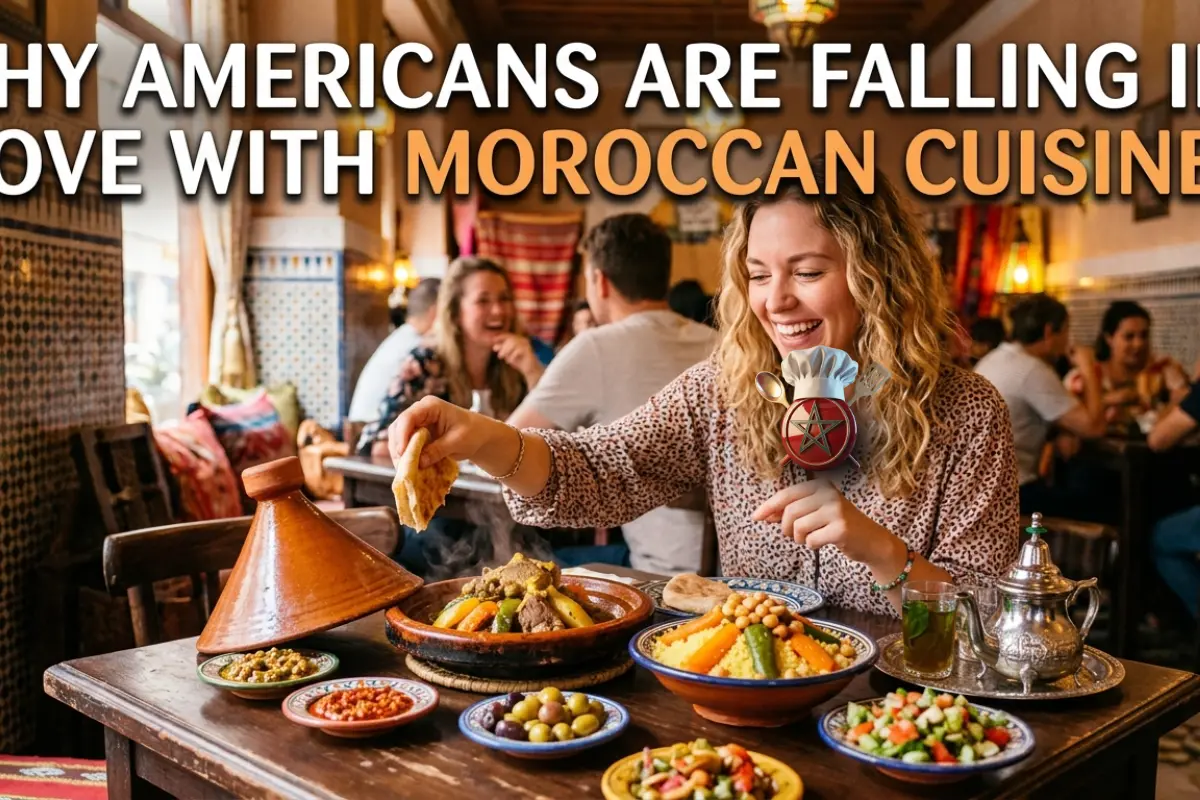
In the bustling culinary landscape of America, where food trends come and go like seasonal fashions, one cuisine has been steadily capturing hearts, palates, and kitchen counters across the nation: Moroccan cuisine. From the aromatic spice markets of Marrakech to the dinner tables of Manhattan, the exotic flavors and time-honored traditions of Morocco have found a passionate following among American food enthusiasts.
What started as a niche interest among adventurous foodies has blossomed into a full-blown culinary revolution. Moroccan restaurants are popping up in major cities, specialty spice shops are dedicating entire sections to North African ingredients, and home cooks are investing in tagines and experimenting with complex spice blends that would have been unheard of in American kitchens just a decade ago.
But this isn't just another fleeting food fad. The American love affair with Moroccan cuisine runs deeper than mere novelty—it's rooted in genuine appreciation for the cuisine's health benefits, complex flavor profiles, and the cultural richness it brings to the American dining experience. In this comprehensive exploration, we'll uncover the fascinating reasons behind this culinary phenomenon and discover why Moroccan food is not just surviving but thriving in American food culture.
The Rise of Moroccan Cuisine in America: A Cultural Phenomenon
The journey of Moroccan cuisine into American hearts didn't happen overnight. It's been a gradual process spanning several decades, accelerated by globalization, increased travel, and Americans' growing appetite for authentic international experiences.
Historical Context and Immigration Patterns
While Moroccan immigration to the United States has been relatively modest compared to other North African and Middle Eastern communities, the impact on American food culture has been disproportionately significant. The first wave of Moroccan immigrants arrived in the 1960s and 1970s, primarily settling in urban centers like New York, Los Angeles, and Washington D.C.
These early immigrants brought with them not just recipes, but entire culinary traditions passed down through generations. They opened small restaurants and markets, initially serving homesick compatriots and curious locals. What started as community gathering places gradually attracted broader American attention as word spread about the exotic flavors and warm hospitality that characterized these establishments.
The Role of Media and Celebrity Chefs
The popularization of Moroccan cuisine received a significant boost from food media and celebrity chefs who discovered and championed these flavors. Cooking shows began featuring Moroccan dishes, travel programs highlighted the country's rich food culture, and food magazines started publishing articles about the health benefits and unique cooking techniques of North African cuisine.
Celebrity chefs like Paula Wolfert, who wrote extensively about Moroccan cooking, and Mourad Lahlou, who introduced refined Moroccan cuisine to fine dining establishments, played crucial roles in legitimizing and elevating Moroccan food in American culinary circles.
The Instagram Effect and Social Media Influence
The visual appeal of Moroccan cuisine has proven particularly well-suited to the social media age. The vibrant colors of tagines, the artistic presentation of couscous dishes, and the photogenic nature of Moroccan table settings have made this cuisine highly shareable on platforms like Instagram and Pinterest.
Food bloggers and influencers have embraced Moroccan cuisine not just for its taste, but for its visual storytelling potential. The exotic presentation and colorful ingredients create compelling content that resonates with audiences seeking both culinary adventure and Instagram-worthy dishes.
The Flavor Revolution: Understanding Moroccan Taste Profiles
At the heart of America's fascination with Moroccan cuisine lies its extraordinary flavor complexity. Unlike many Western cuisines that rely on simple seasonings, Moroccan cooking employs intricate spice blends that create layers of taste and aroma that American palates find both exotic and deeply satisfying.
The Magic of Moroccan Spice Blends
Moroccan cuisine is renowned for its sophisticated use of spices, with some dishes incorporating fifteen or more different seasonings. The most famous of these blends is Ras el Hanout, literally meaning "head of the shop," which represents the best spices a merchant has to offer.
A typical Ras el Hanout blend might include:
- Cumin - providing earthy, warm notes
- Coriander - adding citrusy brightness
- Cinnamon - contributing sweet warmth
- Ginger - offering subtle heat and complexity
- Turmeric - providing color and mild bitterness
- Cardamom - adding floral, eucalyptus notes
- Nutmeg - contributing sweet, nutty flavors
- Cloves - offering intense, aromatic pungency
- Paprika - providing mild heat and color
- Black pepper - adding sharp, pungent heat
- Allspice - contributing complex, multi-dimensional flavor
- Rose petals - offering delicate floral notes
This complexity appeals to American palates that have become increasingly sophisticated and adventurous. After decades of embracing fusion cuisines and international flavors, American diners are ready for the nuanced, multi-layered taste experiences that Moroccan cuisine provides.
Sweet and Savory Combinations
One of the most distinctive aspects of Moroccan cuisine that captivates American taste buds is its masterful combination of sweet and savory elements. This concept, while familiar in some American desserts and holiday dishes, is revolutionary when applied to main courses and everyday meals.
Classic examples include:
- Chicken Tagine with Apricots and Almonds - tender chicken slow-cooked with dried apricots, creating a perfect balance of protein, fruit sweetness, and complex spices
- Lamb with Dates and Honey - rich meat paired with natural fruit sugars and floral honey
- Vegetable Couscous with Raisins - savory grain and vegetables enhanced with bursts of natural fruit sweetness
- Beef Tagine with Prunes - hearty meat dishes elevated by the addition of sweet, soft dried fruits
These combinations challenge and expand American palates, offering familiar proteins and vegetables in completely new flavor contexts. The result is cuisine that feels both exotic and comforting, adventurous yet accessible.
The Umami Factor
Moroccan cuisine also excels at incorporating umami-rich ingredients that enhance the overall flavor profile of dishes. Preserved lemons, one of the cornerstones of Moroccan cooking, provide an intense, salty-sour flavor that adds depth and complexity to tagines and salads. Olives, both green and black varieties, contribute briny richness that American palates associate with Mediterranean cuisine but find uniquely expressed in Moroccan preparations.
The use of slow-cooking techniques in tagines also develops natural umami flavors as proteins and vegetables break down and concentrate over hours of gentle simmering. This creates rich, satisfying dishes that appeal to Americans' love of comfort food while providing exotic flavor profiles.
Health Benefits: The Wellness Appeal of Moroccan Cuisine
Americans' growing focus on health and wellness has created an ideal environment for Moroccan cuisine to flourish. Unlike many international cuisines that Americans love but recognize as indulgent (think rich French sauces or fried Asian dishes), Moroccan food aligns beautifully with current health trends and dietary recommendations.
The Mediterranean Connection
Moroccan cuisine shares many characteristics with the Mediterranean diet, which has been extensively studied and praised by nutritionists and medical professionals. Both dietary patterns emphasize:
| Component | Moroccan Cuisine | Health Benefits |
|---|---|---|
| Olive Oil | Primary cooking fat, used in tagines and salads | Rich in monounsaturated fats, anti-inflammatory properties |
| Fresh Vegetables | Abundant use of tomatoes, onions, carrots, zucchini | High in vitamins, minerals, and antioxidants |
| Legumes | Lentils, chickpeas, and beans in main dishes | High protein, fiber, and complex carbohydrates |
| Whole Grains | Traditional couscous and bulgur wheat | B vitamins, fiber, sustained energy release |
| Lean Proteins | Fish, chicken, and modest amounts of red meat | Essential amino acids, lower saturated fat |
| Herbs and Spices | Fresh parsley, cilantro, complex spice blends | Antioxidants, anti-inflammatory compounds |
Spice-Based Health Benefits
The extensive use of spices in Moroccan cuisine isn't just about flavor—many of these seasonings have been studied for their health-promoting properties. American consumers, increasingly interested in functional foods and natural health solutions, are drawn to cuisine that offers both great taste and potential wellness benefits.
Turmeric, a key component in many Moroccan spice blends, contains curcumin, which has been extensively researched for its anti-inflammatory properties. Ginger aids digestion and has anti-nausea properties. Cinnamon may help regulate blood sugar levels. Cumin has been linked to improved digestion and potential weight management benefits.
Plant-Forward Eating
Moroccan cuisine naturally aligns with the growing plant-forward eating trend in America. Many traditional Moroccan dishes are vegetarian or can be easily adapted to be plant-based, making them attractive to Americans who are reducing their meat consumption for health, environmental, or ethical reasons.
Popular vegetarian Moroccan dishes that have found enthusiastic American audiences include:
- Vegetable Tagine with Seven Vegetables - a colorful, nutritious one-pot meal
- Moroccan Lentil Soup (Harira) - protein-rich and deeply satisfying
- Stuffed Vegetables - peppers, tomatoes, and zucchini filled with spiced rice and herbs
- Chickpea and Vegetable Couscous - complete protein combined with fresh vegetables
- Moroccan Carrot Salad - raw vegetables with bold, healthy dressings
Portion Control and Mindful Eating
Traditional Moroccan dining culture emphasizes communal eating, sharing dishes, and taking time to savor meals. These practices align well with American efforts to practice mindful eating and portion control. The rich, complex flavors of Moroccan cuisine also promote satiety, meaning smaller portions can be more satisfying than larger servings of blander foods.
The slow-cooking methods used in tagine preparation also support the slow food movement, encouraging Americans to step away from fast food and processed meals in favor of dishes that require time, attention, and quality ingredients.
Cooking Techniques and Kitchen Equipment: The Tagine Revolution
American home cooks have embraced not just Moroccan flavors but also traditional Moroccan cooking techniques and equipment. The most visible symbol of this adoption is the tagine, the distinctive cone-shaped cooking vessel that has become increasingly common in American kitchens.
Understanding the Tagine
The tagine is both a cooking vessel and a cooking technique. The distinctive shape—a wide, shallow base topped with a tall, conical lid—creates a unique cooking environment that recirculates moisture and concentrates flavors in ways that traditional American cookware cannot replicate.
Here's how the tagine works its magic:
- Steam Circulation - As food cooks, steam rises into the cone-shaped lid
- Condensation - The cooler lid causes steam to condense and drip back down
- Self-Basting - This continuous moisture circulation keeps food moist without adding liquid
- Flavor Concentration - The sealed environment intensifies flavors and aromas
- Gentle Cooking - The design promotes slow, even cooking that tenderizes tough cuts of meat
Adapting Tagine Cooking for American Kitchens
American cooks have shown remarkable adaptability in incorporating tagine cooking into their routines, often modifying traditional techniques to work with modern appliances and busy lifestyles.
Many Americans use tagines on:
- Gas and Electric Stovetops - with flame diffusers to prevent cracking
- In Ovens - for consistent, controlled heat
- On Grills - for outdoor entertaining and summer cooking
- With Slow Cookers - adapting recipes for convenience appliances
The Couscous Technique Revolution
Americans have also embraced traditional couscous preparation methods, moving beyond the instant varieties commonly available in supermarkets to explore hand-rolled couscous and traditional steaming techniques.
The traditional method involves:
- Steaming - Couscous is steamed over simmering stew in a special pot called a couscoussier
- Multiple Steamings - The grain is steamed, fluffed, and steamed again for optimal texture
- Flavor Infusion - Steam from the stew below flavors the couscous naturally
- Perfect Texture - Results in light, fluffy grains rather than mushy instant versions
This attention to traditional technique appeals to American cooks who are seeking more authentic, artisanal approaches to food preparation, moving away from processed convenience foods toward more hands-on, traditional methods.
Preservation Techniques: Preserved Lemons and Pickled Vegetables
Americans have also shown great interest in Moroccan food preservation techniques, particularly the preparation of preserved lemons and various pickled vegetables. These techniques align with American interests in:
- Reducing Food Waste - preservation extends ingredient lifespan
- Artisanal Food Production - home preservation feels crafty and authentic
- Pantry Building - preserved ingredients add depth to many dishes
- Seasonal Eating - preservation allows enjoyment of seasonal produce year-round
Restaurant Culture and Dining Experiences
The growth of Moroccan restaurants in America has played a crucial role in introducing and popularizing this cuisine among American diners. These establishments offer more than just food—they provide immersive cultural experiences that appeal to Americans' desire for authentic, Instagram-worthy dining adventures.
The Moroccan Restaurant Experience
Moroccan restaurants in America typically emphasize the complete cultural experience, incorporating:
Atmospheric Design:
- Traditional Moroccan decor with colorful tiles and textiles
- Low seating areas with cushions and traditional tables
- Intricate metalwork and lighting fixtures
- Warm, intimate lighting that creates cozy dining environments
Service Style:
- Communal dining with shared plates and tagines
- Traditional hand-washing ceremonies before meals
- Mint tea service as a welcoming ritual
- Explanations of dishes and eating customs for unfamiliar diners
Entertainment Elements:
- Live music featuring traditional Moroccan instruments
- Belly dancing performances on weekends
- Special events celebrating Moroccan holidays and traditions
Price Points and Accessibility
Moroccan restaurants have found success across various price points, making the cuisine accessible to different segments of the American market:
| Restaurant Type | Price Range | Target Audience | Typical Offerings |
|---|---|---|---|
| Casual Fast-Casual | $10-15 per person | Lunch crowds, young professionals | Couscous bowls, tagine portions, wraps |
| Mid-Range Dining | $25-40 per person | Date nights, family dinners | Full tagine service, appetizer selections |
| Upscale Establishments | $50-80 per person | Special occasions, food enthusiasts | Chef-driven menus, wine pairings, refined presentations |
| Food Trucks/Markets | $8-12 per person | Street food lovers, festival goers | Moroccan sandwiches, small plates, beverages |
Regional Variations in American Moroccan Restaurants
Moroccan restaurants in different American regions have adapted to local tastes and preferences while maintaining authentic flavors:
East Coast (New York, Boston, Washington D.C.):
- Emphasis on authentic, traditional preparations
- Higher concentration of North African immigrant communities
- More adventurous diners willing to try unfamiliar dishes
- Integration with existing Middle Eastern food scenes
West Coast (Los Angeles, San Francisco, Seattle):
- Fusion approaches combining Moroccan flavors with local ingredients
- Health-conscious adaptations emphasizing organic and local produce
- Integration with farm-to-table dining movements
- Vegetarian and vegan-friendly menu adaptations
South and Southwest (Texas, Florida, Arizona):
- Adaptation to local heat tolerance with spicier preparations
- Integration with existing Latin American and Mexican food cultures
- Outdoor dining emphasis in warm climates
- Barbecue and grilling adaptations of traditional tagine recipes
Home Cooking Trends and Recipe Adaptations
Perhaps nowhere is the American embrace of Moroccan cuisine more evident than in home kitchens across the country. American home cooks have not only adopted Moroccan recipes but have also adapted them to fit American lifestyles, dietary restrictions, and available ingredients.
Popular Moroccan Dishes in American Home Kitchens
Certain Moroccan dishes have proven particularly popular among American home cooks, often because they're relatively straightforward to prepare and use ingredients that are increasingly available in American supermarkets:
Chicken Tagine with Preserved Lemons and Olives:
This dish has become a gateway recipe for many Americans exploring Moroccan cuisine. It combines familiar ingredients (chicken, olives) with exotic elements (preserved lemons, complex spice blends) in a way that feels approachable yet adventurous.
Moroccan Lentil Soup (Harira):
This hearty, healthy soup appeals to American home cooks for several reasons:
- It's naturally vegetarian and can easily be made vegan
- It's budget-friendly and makes excellent leftovers
- It incorporates familiar ingredients like lentils, tomatoes, and onions
- It's perfect for cold American winters
- It can be made in slow cookers or Instant Pots
Moroccan-Spiced Roasted Vegetables:
American home cooks have embraced using Moroccan spice blends on roasted vegetables, creating healthy, flavorful side dishes that complement both Moroccan and American main courses.
Recipe Adaptations for American Kitchens
American cooks have shown remarkable creativity in adapting traditional Moroccan recipes to work with American ingredients, equipment, and time constraints:
Slow Cooker Tagines:
Many American cooks use slow cookers to replicate the long, gentle cooking process of traditional tagines. While purists might object, these adaptations make Moroccan flavors accessible to busy families who can start dinner in the morning before work.
Sheet Pan Moroccan Meals:
The popular sheet pan dinner trend has been successfully applied to Moroccan cuisine, with recipes that combine Moroccan-spiced proteins and vegetables on single baking sheets for easy preparation and cleanup.
Grain Bowl Adaptations:
American health trends have inspired Moroccan-influenced grain bowls that combine traditional Moroccan flavors with the American preference for customizable, nutritious meals.
Ingredient Sourcing and Substitutions
American cooks have become increasingly sophisticated in sourcing authentic Moroccan ingredients, but they've also developed clever substitutions when specialty items aren't available:
| Traditional Ingredient | Where to Find in America | Common Substitutions |
|---|---|---|
| Preserved Lemons | Middle Eastern markets, online, high-end groceries | Fresh lemon zest + salt, or make homemade |
| Ras el Hanout | Spice shops, online retailers | Homemade blends using common spices |
| Harissa | International aisles, specialty stores | Cayenne + smoked paprika + garlic |
| Orange Blossom Water | Middle Eastern markets, baking supply stores | Orange zest or vanilla extract (different flavor profile) |
| Semolina Couscous | Most American supermarkets now carry this | Quinoa, bulgur wheat, or rice |
Cooking Classes and Online Resources
The popularity of Moroccan cuisine has spawned a thriving market for cooking classes, online tutorials, and instructional content targeted at American home cooks:
- In-Person Classes: Cooking schools in major cities offer Moroccan cuisine workshops
- Online Courses: Detailed video tutorials teaching traditional techniques
- Food Blogs: American food bloggers specializing in Moroccan cuisine adaptations
- YouTube Channels: Both Moroccan immigrants and American cooks sharing techniques
- Cookbook Sales: Moroccan cookbooks have seen significant growth in American markets
Nutritional Comparison: Moroccan vs. Traditional American Cuisine
One of the driving forces behind American adoption of Moroccan cuisine is its favorable nutritional profile compared to traditional American dishes. This section provides a detailed comparison that helps explain why health-conscious Americans are embracing Moroccan flavors.
Macronutrient Profiles
Traditional Moroccan meals tend to have more balanced macronutrient profiles compared to typical American fare:
| Meal Component | Traditional American | Moroccan Equivalent | Nutritional Advantage |
|---|---|---|---|
| Main Protein | Large meat portions, often fried | Moderate portions, slow-cooked with vegetables | Lower saturated fat, better protein-to-vegetable ratio |
| Carbohydrates | Refined grains, white bread, potatoes | Whole grain couscous, bulgur, legumes | Higher fiber, better blood sugar control |
| Vegetables | Often minimal, frequently fried | Abundant, varied, lightly cooked | Higher vitamin and antioxidant content |
| Fats | Butter, vegetable oils, trans fats | Olive oil, nuts, natural sources | Healthier fat profile, anti-inflammatory |
Micronutrient Density
Moroccan cuisine excels in micronutrient density thanks to its heavy reliance on spices, herbs, and vegetables. A typical Moroccan tagine contains significantly more vitamins, minerals, and antioxidants than comparable American dishes:
- Vitamin C: From preserved lemons, fresh herbs, and vegetables
- Beta-carotene: From carrots, sweet potatoes, and colorful vegetables
- Iron: From spices like cumin and coriander
- Antioxidants: From the wide variety of herbs and spices used
- Fiber: From whole grains, legumes, and vegetables
Sodium and Sugar Considerations
While Moroccan cuisine does use salt (particularly in preserved ingredients) and some dishes include dried fruits, the overall sodium and sugar profiles are generally more favorable than processed American foods:
Sodium Sources in Moroccan Cuisine:
- Preserved lemons (high sodium, but used in small quantities)
- Olives (moderate sodium, but rich in healthy fats)
- Sea salt used in cooking (natural, unprocessed)
Natural Sugars in Moroccan Cuisine:
- Dried fruits like dates and apricots (natural sugars with fiber)
- Honey (used sparingly, contains beneficial compounds)
- Fresh fruits in salads (natural fructose with vitamins)
Cultural Impact and Social Media Influence
The rise of Moroccan cuisine in America has been significantly amplified by social media platforms, food bloggers, and the general American fascination with authentic cultural experiences. This digital influence has accelerated adoption and created communities of American Moroccan cuisine enthusiasts.
Instagram and Visual Appeal
Moroccan cuisine is particularly well-suited to Instagram culture due to its visual appeal:
- Colorful Presentations: Tagines with bright vegetables and varied textures
- Exotic Serving Vessels: Traditional tagine pots and colorful ceramics
- Artistic Plating: Traditional garnishing techniques using herbs and spices
- Cultural Props: Traditional textiles, tea glasses, and serving utensils
Food influencers and home cooks regularly showcase Moroccan dishes, contributing to viral trends and inspiring others to try cooking Moroccan food at home.
Food Blogging and Recipe Sharing
American food bloggers have played a crucial role in adapting and popularizing Moroccan recipes for American audiences. These bloggers often:
- Simplify complex traditional recipes for busy American lifestyles
- Provide detailed explanations of unfamiliar ingredients and techniques
- Create fusion recipes that blend Moroccan flavors with American favorites
- Share personal stories about discovering Moroccan cuisine through travel or restaurants
Celebrity Endorsements and Media Coverage
Food Network personalities, celebrity chefs, and lifestyle influencers have contributed significantly to the popularization of Moroccan cuisine by:
- Featuring Moroccan recipes on cooking shows
- Writing articles about Moroccan food culture in major publications
- Hosting Moroccan-themed dinner parties and events
- Collaborating with Moroccan chefs and restaurants
Economic Impact: The Business of Moroccan Food in America
The growing popularity of Moroccan cuisine has created significant economic opportunities across multiple sectors of the American food industry.
Restaurant Industry Growth
Moroccan restaurants have shown impressive growth metrics across American markets:
- Number of Establishments: Moroccan restaurants have grown by approximately 40% in major American cities over the past five years
- Revenue Growth: Existing Moroccan restaurants report average revenue increases of 15-25% annually
- Market Expansion: Moroccan restaurants are expanding beyond major cities into suburban and smaller urban markets
Specialty Food Retail
The demand for Moroccan ingredients and specialty items has created new retail opportunities:
- Spice Blends: Pre-made Moroccan spice mixtures are now available in mainstream supermarkets
- Specialty Ingredients: Items like preserved lemons and harissa are increasingly available in regular grocery stores
- Cooking Equipment: Tagines and other Moroccan cooking vessels are sold through major kitchenware retailers
- Online Sales: E-commerce platforms specializing in Moroccan ingredients have seen significant growth
Food Service and Catering
Moroccan cuisine has found its way into various food service segments:
- Corporate Catering: Moroccan dishes are popular for office events and business meetings
- Wedding and Event Catering: Moroccan-themed events and menu options are increasingly requested
- Food Trucks: Moroccan street food has proven popular in the American food truck scene
- Institutional Food Service: Universities and hospitals are incorporating Moroccan options into their menus
Challenges and Authenticity Concerns
While the popularity of Moroccan cuisine in America has been largely positive, it has also raised questions about authenticity, cultural appropriation, and the challenge of maintaining traditional methods in commercial settings.
The Authenticity Debate
As Moroccan cuisine has been adapted for American palates and lifestyles, debates have emerged about what constitutes authentic Moroccan food:
Arguments for Adaptation:
- Makes cuisine accessible to broader audiences
- Allows for dietary restrictions and local ingredient availability
- Enables cuisine to evolve and remain relevant
- Supports business success for Moroccan restaurants
Arguments for Authenticity:
- Preserves cultural heritage and traditional techniques
- Honors the history and significance of traditional recipes
- Maintains the intended flavor profiles and nutritional benefits
- Supports cultural understanding and appreciation
Training and Education Challenges
The growth of Moroccan cuisine in America has created challenges in terms of proper training and education:
- Chef Training: Limited availability of traditional Moroccan cooking training
- Technique Transfer: Difficulty in teaching traditional hand techniques
- Ingredient Knowledge: Need for education about proper use of specialty ingredients
- Cultural Context: Importance of understanding the cultural significance of dishes
Frequently Asked Questions About Moroccan Cuisine in America
What are the most popular Moroccan dishes among Americans?
The most popular Moroccan dishes among Americans include chicken tagine with preserved lemons and olives, beef tagine with prunes, Moroccan lentil soup (harira), couscous with vegetables, and Moroccan mint tea. These dishes offer a good balance of familiar ingredients with exotic flavors, making them approachable for American palates while still providing an authentic taste of Moroccan cuisine.
Is Moroccan food healthy compared to typical American cuisine?
Yes, Moroccan cuisine is generally considered healthier than typical American fare. It emphasizes olive oil over butter, abundant vegetables and legumes, whole grains like couscous, moderate portions of lean proteins, and anti-inflammatory spices. The cooking methods, such as slow braising in tagines, preserve nutrients while developing complex flavors without requiring excessive fats or processed ingredients.
Where can Americans buy authentic Moroccan ingredients?
Americans can find Moroccan ingredients at Middle Eastern markets, international grocery stores, specialty spice shops, and increasingly in the international aisles of mainstream supermarkets. Online retailers like Amazon, specialty food websites, and direct-from-Morocco suppliers also offer authentic ingredients. Many cities with significant Middle Eastern or North African populations have dedicated markets with extensive Moroccan ingredient selections.
Can vegetarians and vegans enjoy Moroccan cuisine?
Absolutely! Moroccan cuisine is very vegetarian and vegan-friendly. Traditional dishes like vegetable tagines, lentil-based harira soup, stuffed vegetables, Moroccan salads, and couscous with vegetables are naturally plant-based. Many meat-based dishes can be easily adapted by substituting vegetables, legumes, or plant-based proteins while maintaining the authentic spice profiles and cooking techniques.
Do I need special equipment to cook Moroccan food at home?
While traditional equipment like a tagine and couscoussier can enhance the cooking experience, they're not absolutely necessary. Americans successfully adapt Moroccan recipes using heavy-bottomed Dutch ovens, slow cookers, or regular covered pots for tagines. For couscous, a steamer basket over a regular pot works well. However, investing in authentic equipment can improve results and add to the cultural experience of cooking Moroccan food.
How spicy is Moroccan food compared to other cuisines Americans enjoy?
Moroccan cuisine is generally mild to moderately spiced rather than hot-spicy. The heat level is typically much lower than Mexican, Thai, or Indian cuisines that Americans commonly enjoy. Moroccan cooking focuses more on complex, aromatic spice blends that add depth and warmth rather than intense heat. Dishes like harissa can add heat when desired, but most traditional Moroccan dishes are accessible to those who prefer milder flavors.
What's the difference between Moroccan cuisine and other Middle Eastern or Mediterranean foods?
Moroccan cuisine is distinct from other regional cuisines due to its unique blend of Berber, Arab, and French influences. Key differences include the use of sweet and savory combinations (like meat with dried fruits), specific spice blends like ras el hanout, preserved lemons as a flavoring agent, and tagine cooking methods. While it shares some ingredients with Mediterranean and Middle Eastern cuisines, the flavor profiles and preparation methods are distinctly Moroccan.
Are there regional variations in Moroccan cuisine that Americans should know about?
Yes, Moroccan cuisine varies significantly by region. Coastal areas feature more seafood dishes, mountain regions emphasize hearty meat and vegetable tagines, and desert areas have distinct preservation techniques and ingredient uses. Northern Morocco shows more Mediterranean influence, while southern regions incorporate more sub-Saharan African elements. American restaurants often blend these regional styles, but understanding these variations can help diners appreciate the diversity within Moroccan cuisine.
The Future of Moroccan Cuisine in America
As we look toward the future, several trends suggest that Moroccan cuisine will continue to grow in popularity and influence within American food culture.
Integration with American Food Trends
Moroccan cuisine aligns well with several major American food trends that show no signs of slowing:
- Plant-Based Eating: The abundance of vegetarian Moroccan dishes supports the growing plant-based movement
- Ancient Grains: Traditional grains like couscous and bulgur fit perfectly with American interest in diverse, nutritious grains
- Anti-Inflammatory Foods: The extensive use of spices with anti-inflammatory properties appeals to health-conscious Americans
- Sustainable Eating: Traditional Moroccan cooking methods and ingredient use align with sustainability concerns
Second-Generation Innovation
Second-generation Moroccan-Americans are creating innovative fusion approaches that honor their heritage while appealing to American tastes:
- Moroccan-Mexican fusion combining tagine techniques with American Southwest flavors
- Moroccan barbecue interpretations for American grilling culture
- Moroccan-inspired fast-casual concepts for busy American lifestyles
- Modern presentations of traditional dishes for upscale American dining
Technology and Accessibility
Technology is making Moroccan cuisine more accessible to American home cooks:
- Recipe Apps: Smartphone apps with step-by-step Moroccan cooking instructions
- Video Tutorials: Detailed online instruction in traditional techniques
- Ingredient Delivery: Online services delivering authentic Moroccan ingredients nationwide
- Smart Kitchen Integration: Recipes adapted for modern appliances like Instant Pots and air fryers
Conclusion: A Lasting Culinary Romance
The American love affair with Moroccan cuisine represents more than just a passing food trend—it reflects a deeper cultural shift toward more diverse, healthful, and authentic dining experiences. As Americans have become more adventurous in their eating habits and more conscious of the connections between food, health, and culture, Moroccan cuisine has emerged as an ideal match for these evolving preferences.
The success of Moroccan cuisine in America can be attributed to multiple converging factors: the health benefits of its Mediterranean-influenced ingredients and cooking methods, the complex and satisfying flavor profiles that challenge and delight American palates, the visual appeal that thrives on social media, and the authentic cultural experiences that American diners increasingly seek.
Perhaps most importantly, Moroccan cuisine offers Americans something that has been lacking in much of contemporary American food culture: a sense of time, tradition, and mindful preparation. The slow-cooked tagines, hand-rolled couscous, and carefully balanced spice blends represent a deliberate approach to cooking that stands in stark contrast to the fast food and processed meal culture that has dominated American eating for decades.
As Moroccan restaurants continue to expand across American cities, as more Americans invest in tagines for their home kitchens, and as Moroccan ingredients become increasingly available in mainstream supermarkets, it's clear that this cuisine has found a permanent place in the American culinary landscape.
The future looks bright for Moroccan cuisine in America, with opportunities for continued growth, innovation, and cultural exchange. As more Americans discover the joys of slow-simmered tagines, the refreshing ritual of mint tea, and the satisfying complexity of dishes that balance sweet and savory, spicy and mild, familiar and exotic, the love affair between America and Moroccan cuisine will only deepen.
For American food lovers, embracing Moroccan cuisine represents an opportunity to expand not just their palates but their understanding of how food can be a bridge between cultures, a path to better health, and a source of genuine pleasure and satisfaction. In a world that often feels divided, the universal appeal of a perfectly spiced tagine or a comforting bowl of harira reminds us of food's power to bring people together across cultural boundaries.
As this culinary romance continues to flourish, one thing is certain: Moroccan cuisine has earned its place at the American table, enriching our food culture with its ancient wisdom, healthful ingredients, and irresistibly complex flavors that continue to captivate new generations of American food enthusiasts.