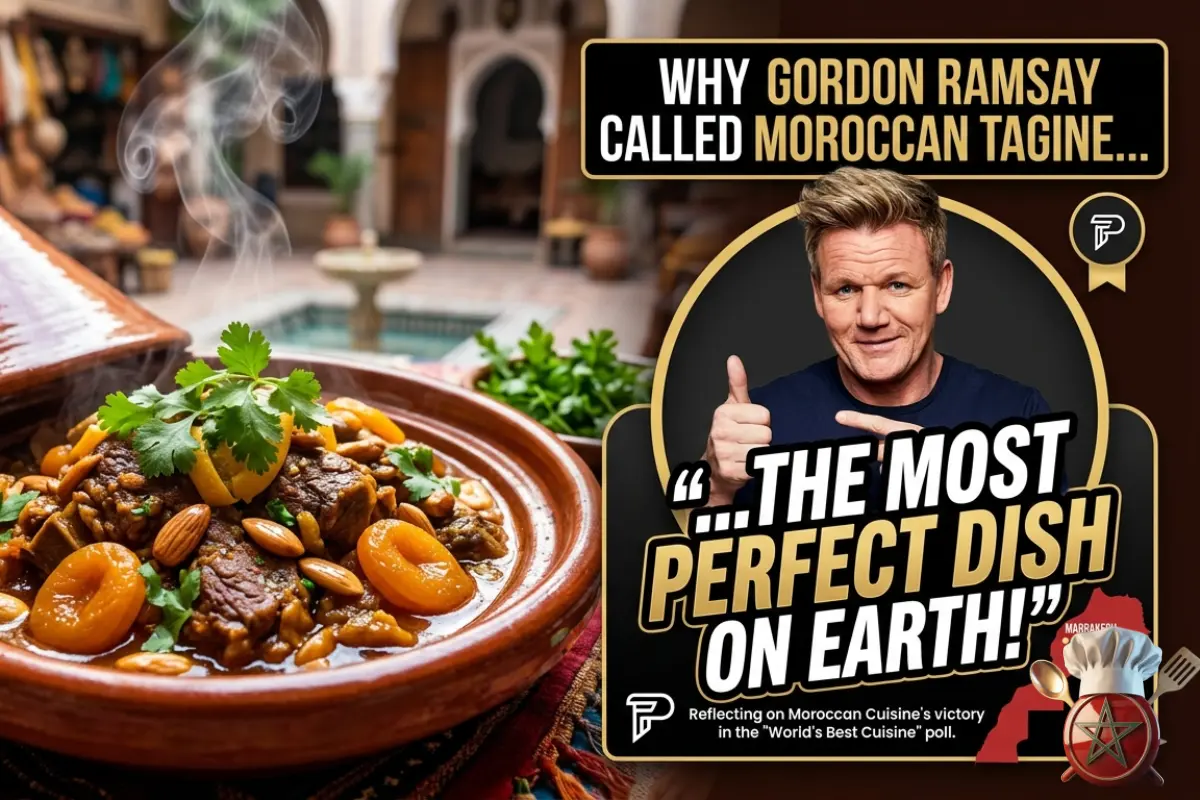
The Moment Gordon Ramsay Discovered Culinary Perfection
When Gordon Ramsay, one of the world's most demanding and celebrated chefs, calls a dish "the most perfect dish on Earth," the culinary world takes notice. During his travels through Morocco for his acclaimed television series, Ramsay encountered the traditional tagine and was immediately captivated by its harmonious blend of flavors, textures, and aromas. This wasn't just another exotic dish for the celebrity chef to critique – it was a revelation that challenged his understanding of what makes food truly exceptional.
The tagine, named after the distinctive cone-shaped clay pot in which it's cooked, represents thousands of years of culinary evolution. This ancient cooking vessel and the dishes prepared within it have sustained Berber communities across North Africa for millennia, creating a perfect symbiosis between cookware, ingredients, and technique. Ramsay's enthusiastic endorsement has introduced countless Western food enthusiasts to this remarkable dish, but his praise goes far deeper than mere appreciation – it reflects a profound understanding of culinary excellence.
What makes Ramsay's assessment so significant is his reputation for uncompromising standards and his ability to recognize technical mastery across different culinary traditions. His declaration about the tagine wasn't made lightly; it came after experiencing firsthand how this humble dish achieves something that even the most sophisticated modern cooking techniques struggle to replicate: absolute harmony between all elements of a meal.
The Ancient Wisdom Behind Tagine Cooking
The tagine's perfection lies in its deceptively simple yet scientifically brilliant design. The conical lid creates a unique circulation system that transforms steam back into condensed liquid, which then drips back into the dish. This natural recycling of moisture means that flavors become concentrated rather than evaporated, creating an intensity of taste that modern pressure cookers and slow cookers struggle to match.
Archaeological evidence suggests that variations of the tagine pot have been used in North Africa for over 9,000 years. The Berber people, the indigenous inhabitants of North Africa, developed this cooking method out of necessity in the harsh desert environment where water was precious and fuel was scarce. The tagine's design maximizes moisture retention while requiring minimal heat, making it an ingenious solution to environmental challenges.
The clay material itself plays a crucial role in the cooking process. Unglazed clay is porous, allowing for gentle, even heat distribution while imparting subtle earthy flavors to the food. As the tagine is used repeatedly, it develops a seasoning much like cast iron, creating increasingly complex flavor profiles with each use. This natural seasoning process means that a well-used tagine becomes more valuable over time, carrying the memory of countless meals in its clay walls.
The Science of Flavor Development
What Gordon Ramsay recognized in the tagine is the perfect application of scientific cooking principles that modern gastronomy has only recently begun to understand. The low, steady heat combined with the moisture-retention system creates ideal conditions for the Maillard reaction – the chemical process responsible for developing complex flavors and aromas in cooked food.
The tagine's cooking environment maintains temperatures between 160-180°F (70-80°C) for extended periods, allowing tough cuts of meat to break down slowly while preserving the integrity of vegetables and spices. This gentle cooking process prevents the harsh flavors that can develop from high-heat cooking while encouraging the deep, rich tastes that make tagine dishes so memorable.
The steam circulation system also creates a unique aromatic experience. As the steam rises and condenses, it carries essential oils from spices and herbs throughout the cooking vessel, creating layers of flavor that penetrate every ingredient. This natural flavor distribution system is so effective that it eliminates the need for constant stirring or frequent seasoning adjustments.
The Perfect Balance of Ingredients and Spices
Ramsay's appreciation for the tagine extends beyond its cooking method to the masterful way Moroccan cooks balance ingredients and spices. Traditional tagine recipes represent centuries of refinement, where each component serves a specific purpose in creating the overall harmony of the dish.
Moroccan cuisine's spice palette is both complex and perfectly calibrated. The famous ras el hanout spice blend alone can contain up to thirty different spices, each contributing specific flavor notes, aromatics, and even medicinal properties. These aren't random combinations but carefully developed formulas passed down through generations of Moroccan families and refined over centuries of use.
Understanding Moroccan Spice Philosophy
The Moroccan approach to spicing differs fundamentally from many Western cooking traditions. Rather than using spices as accent flavors, Moroccan cooks treat them as the foundation upon which entire dishes are built. The tagine cooking method allows these spices to bloom and develop in ways that quick cooking methods cannot achieve.
- Warming spices like cinnamon, ginger, and allspice provide depth and complexity
- Aromatic spices such as cumin, coriander, and fennel create the distinctive North African flavor profile
- Heat elements from paprika and cayenne add warmth without overwhelming other flavors
- Sweet elements from ingredients like honey and dried fruits balance savory components
- Acidic components from preserved lemons and tomatoes brighten the overall dish
This multi-dimensional approach to flavoring is what Ramsay recognized as approaching perfection. Each element supports and enhances the others, creating a symphonic rather than solo performance of flavors.
The Art of Layering Flavors
Traditional tagine preparation involves a specific layering technique that ensures optimal flavor development. The process begins with creating a flavor base using onions, garlic, and spices, then building layers of ingredients based on their cooking times and flavor contributions.
Proteins are typically seared first to develop surface flavors, then combined with the aromatic base. Vegetables are added in stages, with heartier root vegetables added early and delicate ingredients reserved for the final cooking phase. This methodical approach ensures that every component reaches its optimal texture and flavor contribution simultaneously.
The final layer often includes fresh herbs, preserved lemons, and olives – ingredients that provide bright, acidic notes to balance the rich, complex flavors developed during the long cooking process. This careful orchestration of ingredients and timing is what creates the perfect harmony that so impressed Gordon Ramsay.
Comparing Tagine to Other Slow-Cooking Methods
To understand why Ramsay considers the tagine superior to other cooking methods, it's helpful to compare it with popular Western slow-cooking techniques. While slow cookers, Dutch ovens, and braising methods all produce tender, flavorful results, the tagine offers unique advantages that set it apart.
| Cooking Method | Heat Distribution | Moisture Retention | Flavor Concentration | Texture Results | Energy Efficiency |
|---|---|---|---|---|---|
| Traditional Tagine | Gentle, even clay heat | Perfect steam circulation | Maximum concentration | Tender with integrity | Very high |
| Slow Cooker | Electric heating elements | Sealed environment | Good but can dilute | Very tender, sometimes mushy | High |
| Dutch Oven Braising | Heavy metal heat retention | Requires liquid addition | Good with proper technique | Excellent when done right | Medium |
| Pressure Cooking | High heat and pressure | Steam under pressure | Can be harsh on delicate flavors | Very tender but uniform | High (time efficient) |
Why the Tagine Stands Apart
The comparison reveals several key advantages that make the tagine unique. The clay construction provides thermal mass that maintains steady temperatures without the hot spots common in metal cookware. The natural porosity of clay allows for gentle evaporation while the conical lid ensures that precious aromatic compounds are retained and redistributed throughout the dish.
Unlike electric slow cookers, which can overcook delicate ingredients, the tagine's gentle heat allows for perfect timing. Vegetables maintain their structure while becoming tender, and meats develop rich flavors without becoming stringy or dry. The natural steam circulation prevents the need for added liquids, concentrating natural flavors rather than diluting them.
The energy efficiency of tagine cooking also impressed Ramsay, who has long advocated for sustainable cooking practices. A properly used tagine requires minimal fuel, making it both environmentally friendly and economical. This efficiency was born from necessity in the resource-scarce environments where the cooking method developed, but it translates perfectly to modern sustainability concerns.
The Cultural and Social Significance
Gordon Ramsay's appreciation for the tagine extends beyond its culinary excellence to recognize its profound cultural significance. The tagine represents more than a cooking method – it embodies the Moroccan philosophy of hospitality, community, and the central role of food in bringing people together.
In traditional Moroccan culture, the tagine serves as both a cooking vessel and a serving dish. Families and guests gather around the tagine, sharing directly from the communal pot using bread as both utensil and accompaniment. This communal dining experience creates intimacy and connection that individual plating cannot replicate.
The Ritual of Tagine Preparation
The preparation of a tagine is itself a meditative process that reflects Moroccan values of patience and attention to detail. Unlike fast-cooking methods that prioritize speed, tagine preparation requires presence and mindfulness. The cook must pay attention to subtle changes in aroma, the gentle bubbling sounds that indicate proper cooking progress, and the visual cues that signal when each ingredient should be added.
This slower approach to cooking aligns with Moroccan cultural values that prioritize quality time and careful attention to family needs. The hours spent preparing a tagine are viewed not as labor but as an expression of care and love for those who will share the meal.
Regional Variations and Family Traditions
Part of what makes the tagine "perfect" in Ramsay's estimation is its incredible versatility and the way it adapts to local ingredients and family preferences while maintaining its essential character. Each region of Morocco has developed its own tagine specialties, reflecting local agriculture, trade routes, and cultural influences.
- Coastal regions feature seafood tagines with preserved lemons and olives
- Mountain areas emphasize lamb and goat with wild herbs and root vegetables
- Desert regions showcase dried fruits and nuts with preserved meats
- Urban centers blend influences from various regions with refined techniques
Each family within these regions maintains its own variations, passed down through generations and modified based on personal preferences and available ingredients. This living tradition ensures that the tagine continues to evolve while maintaining its fundamental principles.
Health Benefits That Impressed the Celebrity Chef
As someone who has become increasingly focused on healthy cooking methods, Gordon Ramsay was particularly impressed by the nutritional advantages of tagine cooking. The gentle cooking process preserves nutrients that are often lost in high-heat cooking methods, while the ingredient combinations provide excellent nutritional balance.
The tagine's steam-cooking environment helps retain water-soluble vitamins that are typically lost when cooking liquids are discarded. The minimal use of added fats, combined with the natural concentration of flavors, creates dishes that are both satisfying and nutritionally dense without relying on heavy sauces or excessive oils.
Nutritional Advantages of Tagine Cooking
Research has shown that the gentle, moist heat used in tagine cooking helps preserve vitamin C, B vitamins, and other heat-sensitive nutrients better than many other cooking methods. The clay pot cooking also helps retain mineral content in vegetables while making tough cuts of meat more digestible.
| Nutritional Aspect | Tagine Cooking | High-Heat Methods | Boiling | Raw |
|---|---|---|---|---|
| Vitamin C Retention | 75-85% | 30-50% | 40-60% | 100% |
| B Vitamin Preservation | 80-90% | 50-70% | 30-50% | 100% |
| Mineral Content | 95-100% | 85-95% | 60-80% | 100% |
| Antioxidant Activity | Enhanced through spices | Reduced by high heat | Leached into water | Variable by food |
| Digestibility | Excellent | Good | Good | Variable |
The Mediterranean Diet Connection
The traditional tagine perfectly embodies many principles of the Mediterranean diet, which has been extensively studied for its health benefits. The emphasis on vegetables, lean proteins, healthy fats from olives and nuts, and moderate portions aligns perfectly with current nutritional recommendations.
The spice combinations used in tagines also provide significant health benefits. Turmeric, ginger, cinnamon, and other common tagine spices have been shown to have anti-inflammatory properties, while the variety of vegetables provides a wide range of antioxidants and phytonutrients.
Ramsay has noted that tagine meals naturally promote mindful eating due to their communal nature and the time required to properly savor the complex flavors. This slower approach to dining has been linked to better digestion, improved satiety signals, and overall healthier relationships with food.
Modern Applications and Adaptations
While respecting traditional methods, Gordon Ramsay has also explored how tagine principles can be adapted for modern kitchens and contemporary dietary needs. His experiments with tagine cooking have led to innovative applications that maintain the dish's essential character while making it accessible to Western home cooks.
Modern tagine adaptations include vegetarian and vegan versions that showcase the cooking method's ability to develop rich flavors from plant-based ingredients. These adaptations prove that the tagine's "perfection" isn't dependent on specific ingredients but rather on the harmonious balance of flavors and textures that the cooking method facilitates.
Tagine Techniques for the Modern Kitchen
For Western cooks interested in exploring tagine cooking, Ramsay emphasizes the importance of understanding the principles rather than simply following recipes. The key insights include:
- Temperature control is more important than specific timing
- Layer ingredients based on cooking times rather than arbitrary order
- Allow spices time to bloom before adding liquid ingredients
- Trust the process and avoid frequent lifting of the lid
- Finish with fresh elements to balance rich, slow-cooked flavors
Modern electric or gas ranges can successfully accommodate tagine cooking with proper heat management. The key is maintaining gentle, consistent heat rather than trying to rush the process. Many Western cooks make the mistake of using too high heat, which defeats the purpose of the gentle cooking process that makes tagines special.
Ingredient Substitutions and Local Adaptations
One of the reasons Ramsay considers the tagine "perfect" is its adaptability to local ingredients while maintaining its essential character. Western cooks can create excellent tagines using locally available ingredients, adapting the spice combinations and protein choices to suit regional tastes and dietary requirements.
Seasonal vegetables work beautifully in tagines, allowing cooks to take advantage of peak produce while applying traditional Moroccan flavor principles. Root vegetables in winter, fresh spring vegetables, summer tomatoes and peppers, and autumn squashes all adapt well to tagine cooking methods.
The key is understanding the role each ingredient plays in the overall balance rather than rigidly following traditional combinations. This flexibility allows the tagine to transcend cultural boundaries while maintaining its fundamental appeal.
Learning to Make the Perfect Tagine
Gordon Ramsay's journey to understanding tagine perfection involved learning from traditional Moroccan cooks and understanding the subtle techniques that separate good tagines from exceptional ones. His insights provide valuable guidance for Western cooks interested in mastering this ancient cooking method.
The first lesson Ramsay emphasizes is patience. Unlike many Western cooking techniques that prioritize speed and efficiency, tagine cooking requires a different mindset. The process cannot be rushed without compromising the final result. This patience extends to every aspect of preparation, from properly preparing the tagine pot to allowing ingredients to cook at their own pace.
Essential Equipment and Setup
While authentic clay tagines produce the best results, Ramsay acknowledges that modern alternatives can work for Western kitchens. The key requirements include:
- Heavy-bottomed cookware that distributes heat evenly
- A tight-fitting lid that traps steam effectively
- The ability to maintain low, steady temperatures
- Adequate size for proper ingredient layering
For those investing in authentic tagine pots, proper seasoning and care are essential. New clay tagines must be soaked and gradually heated to prevent cracking, then seasoned with oil and gentle heating to develop their non-stick properties and flavor-enhancing characteristics.
Master Techniques for Perfect Results
Ramsay's approach to tagine mastery focuses on developing an understanding of the cooking process rather than memorizing specific recipes. Key techniques include:
- Proper heat management: Start with medium heat to warm the pot, then reduce to low for the cooking process
- Ingredient preparation: Cut vegetables uniformly for even cooking and prepare all ingredients before beginning
- Layering strategy: Build flavors from the bottom up, starting with aromatics and building complexity
- Moisture control: Trust the tagine's steam circulation and avoid adding excess liquid
- Timing coordination: Add ingredients based on cooking time requirements rather than convenience
- Final adjustments: Taste and adjust seasoning only in the final stages of cooking
These techniques require practice to master, but they form the foundation of exceptional tagine cooking. Ramsay emphasizes that each tagine session is a learning opportunity, as subtle variations in ingredients, weather, and equipment all affect the final result.
Frequently Asked Questions About Tagine Cooking
What makes Gordon Ramsay consider the tagine the most perfect dish on Earth?
Gordon Ramsay's assessment is based on the tagine's perfect balance of flavors, textures, and cooking technique. The ancient clay pot design creates ideal cooking conditions that concentrate flavors while maintaining ingredient integrity. The dish represents culinary perfection through its harmony of spices, the communal dining experience it creates, and its ability to transform simple ingredients into extraordinary meals through time-tested techniques.
Can you make authentic tagine without a traditional clay pot?
While traditional clay tagines produce optimal results, you can create excellent tagine-style dishes using heavy-bottomed cookware with tight-fitting lids, such as Dutch ovens or enameled cast iron pots. The key is maintaining low, steady heat and proper moisture retention. However, authentic clay tagines do impart unique flavors and provide superior heat distribution that modern cookware cannot fully replicate.
How long does it typically take to cook a tagine?
Traditional tagines require 1.5 to 3 hours of cooking time, depending on the ingredients used. Meat tagines generally need 2-3 hours for tough cuts to become tender, while vegetable tagines may be ready in 1-1.5 hours. The key is cooking slowly at low temperatures rather than rushing the process. The extended cooking time allows flavors to develop fully and creates the tender textures that make tagines special.
What are the essential spices for making an authentic Moroccan tagine?
Essential tagine spices include cumin, coriander, cinnamon, ginger, turmeric, and paprika. Many recipes use ras el hanout, a complex spice blend that can contain up to 30 different spices. Other important ingredients include preserved lemons, olives, fresh herbs like cilantro and parsley, and often dried fruits like dates or apricots. The specific combination varies by region and family tradition, but the balance of warm, aromatic, and bright flavors is consistent.
Is tagine cooking healthy compared to other cooking methods?
Tagine cooking is exceptionally healthy due to its gentle cooking process that preserves nutrients, minimal use of added fats, and emphasis on vegetables, lean proteins, and beneficial spices. The steam-cooking environment retains water-soluble vitamins better than many other cooking methods, while the spice combinations provide anti-inflammatory and antioxidant benefits. The cooking method aligns well with Mediterranean diet principles, which have been extensively studied for their health benefits.
The Lasting Impact of Ramsay's Endorsement
Gordon Ramsay's declaration that the Moroccan tagine represents culinary perfection has had far-reaching effects on Western appreciation for North African cuisine. His endorsement has introduced countless home cooks and professional chefs to the sophisticated techniques and flavor principles that make tagine cooking so special.
The impact extends beyond individual appreciation to influence broader culinary trends. Restaurants across Europe and North America have incorporated tagine techniques into their menus, while cooking schools have begun teaching traditional Moroccan methods alongside classical European techniques. This cross-cultural culinary exchange enriches the global food landscape while honoring traditional knowledge.
Ramsay's emphasis on the tagine's perfection also highlights the importance of understanding and respecting traditional cooking methods. In an era of molecular gastronomy and high-tech kitchen equipment, the tagine's simple brilliance serves as a reminder that culinary excellence often comes from understanding fundamental principles rather than complex technology.
The tagine's designation as "the most perfect dish on Earth" by one of the world's most respected chefs validates what Moroccan cooks have known for centuries: that true culinary mastery lies in the harmonious balance of technique, ingredients, and cultural wisdom. This ancient cooking method continues to teach modern cooks valuable lessons about patience, balance, and the transformative power of time-honored culinary traditions.