Experience Morocco's Culinary Heritage During the 2030 World Cup
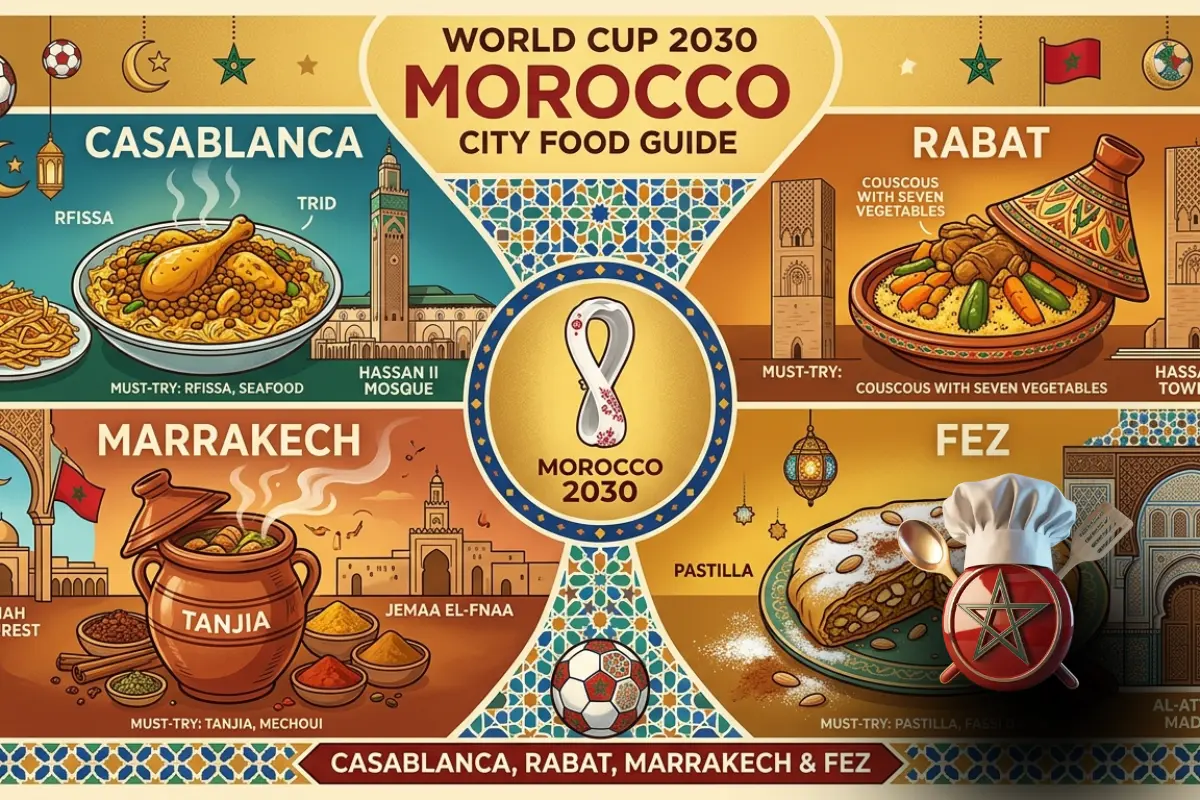
As the world prepares to converge on Morocco for the 2030 FIFA World Cup, football fans are in for more than just spectacular matches. This North African kingdom offers one of the world's most vibrant and diverse culinary landscapes, where centuries-old recipes blend Arab, Berber, Mediterranean, and Sub-Saharan African influences into an unforgettable gastronomic experience. The four major host cities—Casablanca, Rabat, Marrakech, and Fez—each present their own unique food culture, from bustling medina street stalls to elegant rooftop restaurants.
Morocco's food scene is built on a foundation of aromatic spices, slow-cooked tagines, fluffy couscous, and communal dining traditions that will captivate Western visitors. The country's strategic location at the crossroads of Africa and Europe has created a cuisine that feels both exotic and familiar, with ingredients and cooking techniques that health-conscious travelers will appreciate. From the olive oil-rich coastal dishes of Casablanca to the mountain-inspired cuisine of Fez, each city offers distinctive flavors that reflect its geographic location and cultural heritage.
Casablanca: Cosmopolitan Flavors Meet Atlantic Freshness
Morocco's economic capital, Casablanca, presents a sophisticated dining scene that perfectly balances traditional Moroccan cuisine with international influences. The city's proximity to the Atlantic Ocean ensures an abundance of fresh seafood, while its cosmopolitan nature has attracted chefs from around the world, creating a diverse culinary landscape that caters to every palate and budget.
Signature Dishes and Specialties
Casablanca's culinary identity is deeply connected to the sea. The city's signature dish, sardines à la Chermoula, showcases fresh Atlantic sardines marinated in a vibrant green sauce made from cilantro, parsley, garlic, preserved lemons, and olive oil. This preparation method, known as chermoula, is uniquely Moroccan and represents the perfect marriage of Mediterranean and North African flavors.
Another must-try specialty is pastilla au poisson, a delicate seafood version of the traditional pastilla. Layers of paper-thin warqa pastry encase a mixture of white fish, typically sea bass or sole, cooked with vermicelli, fresh herbs, and aromatic spices. Unlike the more common chicken or pigeon pastilla, this coastal variation reflects Casablanca's maritime heritage.
The city is also renowned for its tagine aux fruits de mer, a colorful seafood tagine that combines prawns, mussels, calamari, and white fish in a rich tomato-based sauce infused with ginger, saffron, and preserved lemons. This dish exemplifies how Moroccan cooking techniques can transform simple ingredients into extraordinary experiences.
Best Neighborhoods for Food Exploration
The Corniche waterfront district offers upscale dining with ocean views, featuring both traditional Moroccan cuisine and international fare. Many restaurants here specialize in fresh seafood and offer outdoor terraces perfect for enjoying the Atlantic breeze while savoring grilled fish or seafood tagines.
The Old Medina, though smaller than those in Fez or Marrakech, provides an authentic street food experience. Here, visitors can find traditional food stalls selling makouda (potato fritters), chebakia (sesame and honey pastries), and fresh fruit juices. The narrow alleys hide small restaurants serving home-style cooking at incredibly affordable prices.
The modern Maarif district represents Casablanca's contemporary side, with trendy cafés, international restaurants, and fusion cuisine that appeals to the city's young, educated population. This area is perfect for visitors seeking familiar flavors with a Moroccan twist.
Street Food Culture
Casablanca's street food scene is vibrant and accessible to Western visitors. The city's food carts serve excellent grilled sardines, typically seasoned with salt, cumin, and a squeeze of lemon juice. These make for perfect quick meals between World Cup matches.
Harira soup vendors are ubiquitous throughout the city, especially during Ramadan evenings. This hearty soup, made with tomatoes, lentils, chickpeas, rice, and fresh herbs, provides a warming and nutritious meal that's particularly popular among locals breaking their fast.
The famous escargot stalls might seem unusual to Western visitors, but the Moroccan preparation of land snails in a fragrant broth of herbs and spices offers a unique culinary adventure. The snails are cooked in a mixture of thyme, anise, mint, and other aromatic herbs, creating a distinctive flavor profile that's surprisingly appealing.
Rabat: Royal Gastronomy and Capital City Sophistication
As Morocco's political capital and the seat of the royal family, Rabat offers a refined culinary experience that reflects the city's elegant character. The food culture here is influenced by the royal court's sophisticated palate, resulting in dishes that showcase the finest ingredients and most elaborate preparation techniques in Moroccan cuisine.
Royal Court Influences
Rabat's proximity to the royal palace has significantly influenced its culinary landscape. Many restaurants in the city specialize in cuisine royale, featuring dishes that originated in the palace kitchens. These preparations are characterized by their elaborate presentation, premium ingredients, and complex layering of flavors.
The city's signature mechoui (slow-roasted lamb) is prepared using traditional methods passed down from royal kitchens. The lamb is marinated overnight in a blend of ras el hanout spice mixture, then slow-cooked in underground ovens until the meat falls off the bone. The result is incredibly tender meat with a complex spice profile that showcases Morocco's mastery of slow-cooking techniques.
Couscous royale is another specialty that reflects Rabat's regal heritage. This elaborate version of Morocco's national dish features hand-rolled couscous served with seven vegetables, lamb, chicken, and merguez sausages, all cooked in a richly spiced broth. The preparation requires hours of careful attention and represents the pinnacle of Moroccan culinary artistry.
Modern Rabat Dining Scene
Contemporary Rabat has embraced modern culinary trends while maintaining its traditional roots. The city's restaurant scene features innovative chefs who reinterpret classic Moroccan dishes using modern techniques and presentation styles. These establishments cater to diplomats, government officials, and international visitors, ensuring high standards of service and cuisine quality.
The Agdal district houses many of Rabat's finest restaurants, offering everything from traditional Moroccan cuisine to French, Italian, and Asian fusion. These establishments often feature beautiful terraces and gardens, providing elegant dining experiences that complement the city's sophisticated atmosphere.
Kasr cuisine, a refined style of Moroccan cooking that originated in the royal kitchens, is particularly well-represented in Rabat. This cooking style emphasizes the use of expensive ingredients like saffron, almonds, dates, and premium cuts of meat, resulting in dishes that are both visually stunning and exceptionally flavorful.
Cultural Dining Traditions
Rabat maintains strong connections to Morocco's dining etiquette and traditions. Visitors will experience the full ceremonial aspects of Moroccan hospitality, from the traditional hand-washing ritual with rose water to the sharing of communal dishes that foster connection and conversation.
The city's tea culture is particularly refined, with many establishments specializing in the art of Moroccan mint tea preparation. The ritual of tea service, involving the ceremonial pouring from a height to create a frothy top, is performed with particular elegance in Rabat's traditional salons de thé.
Marrakech: The Red City's Culinary Theater
Marrakech offers perhaps the most theatrical and immersive food experience of all Morocco's cities. The famous Jemaa el-Fnaa square transforms into an open-air restaurant every evening, while the surrounding medina hides countless riads and restaurants serving both traditional and innovative Moroccan cuisine. The city's tourism infrastructure is highly developed, making it easily accessible for international visitors while maintaining its authentic character.
The Jemaa el-Fnaa Experience
No culinary tour of Marrakech is complete without experiencing the nightly food spectacle at Jemaa el-Fnaa. As the sun sets, dozens of food stalls emerge, creating a bustling outdoor dining room under the stars. Each stall specializes in specific dishes, from grilled meats and tagines to fresh fruit juices and traditional sweets.
The grilled meat stalls offer an array of options including lamb chops, merguez sausages, and chicken brochettes, all seasoned with traditional spice blends and grilled over charcoal fires. The theatrical preparation, with vendors calling out to customers and flames dancing from the grills, creates an unforgettable dining atmosphere.
Tanjia Marrakchia is the city's signature dish, traditionally prepared by men and slow-cooked in the embers of public bathhouse furnaces. This unique preparation method, where a clay pot containing lamb, preserved lemons, garlic, and spices is sealed and left to cook for hours, produces incredibly tender meat with concentrated flavors that represent the essence of Marrakech cuisine.
Medina Hidden Gems
Beyond the famous square, Marrakech's medina contains numerous hidden culinary treasures. Small family-run restaurants tucked away in narrow alleys serve some of the most authentic and affordable Moroccan food in the country. These establishments often specialize in home-style cooking, with recipes passed down through generations.
Riad restaurants offer a more upscale dining experience within beautifully restored traditional houses. These venues combine excellent food with stunning architecture, featuring intricate tilework, carved cedar ceilings, and tranquil courtyards. Many serve refined versions of classic dishes alongside innovative creations that blend Moroccan flavors with international techniques.
The city's spice markets are not just shopping destinations but educational experiences where visitors can learn about the ingredients that make Moroccan cuisine so distinctive. Spice vendors often offer tastings and explanations of how different spices are used in traditional cooking, providing valuable insights into the complexity of Moroccan flavor profiles.
Modern Marrakech Dining
The Gueliz district represents modern Marrakech, with contemporary restaurants that cater to international tastes while incorporating local ingredients. This area features everything from rooftop lounges with Atlas Mountain views to intimate bistros serving fusion cuisine that combines Moroccan spices with French cooking techniques.
Many establishments in Marrakech now offer cooking classes as part of the dining experience, allowing visitors to learn traditional preparation methods while enjoying their meals. These interactive experiences provide deeper cultural understanding and practical skills that visitors can take home.
Fez: Ancient Culinary Traditions and Artisanal Excellence
Fez, Morocco's oldest imperial city, represents the most traditional and authentic expression of Moroccan cuisine. The city's medina, a UNESCO World Heritage site, contains generations-old bakeries, spice shops, and restaurants that have preserved ancient recipes and cooking techniques virtually unchanged for centuries. For visitors seeking the most authentic Moroccan culinary experience, Fez is unparalleled.
Fassi Cuisine Heritage
Fassi cuisine, the cooking style specific to Fez, is considered the most sophisticated and complex in Morocco. It reflects the city's history as a center of learning and culture, with elaborate dishes that require extensive knowledge, skill, and patience to prepare properly.
The city's signature pastilla originated in Fez and represents one of Morocco's most celebrated dishes. This elaborate pie combines sweet and savory elements, with layers of crispy warqa pastry encasing spiced pigeon or chicken, almonds, eggs, and a mixture of herbs and spices. The top is dusted with cinnamon and powdered sugar, creating a complex flavor profile that surprises and delights Western palates.
Rfissa is another Fassi specialty, traditionally prepared for special occasions and new mothers. This hearty dish combines shredded chicken with msemen (flaky flatbread), lentils, and a rich sauce flavored with fenugreek, ginger, and other warming spices. The complex preparation and unique combination of textures make it one of Morocco's most distinctive comfort foods.
Artisanal Food Traditions
Fez maintains strong artisanal food traditions that have been passed down through generations. The city's communal ovens (fours publics) continue to serve neighborhoods, with residents bringing their prepared dishes to be cooked in the large, wood-fired ovens. This system creates a sense of community while ensuring optimal cooking conditions for traditional dishes.
The famous Fez tanneries are directly connected to the city's food culture, as the leather-working process involves techniques that parallel food preparation methods. Many of the natural ingredients used in tanning, such as pomegranate peels and various herbs, are also used in traditional cooking, demonstrating the interconnectedness of Fassi crafts and cuisine.
Traditional bakeries in Fez still prepare bread using ancient methods, with wood-fired ovens that impart distinctive flavors to the daily bread that accompanies every meal. Visitors can observe the entire process, from mixing the dough to the final baking, gaining appreciation for the skill and dedication required to maintain these traditions.
Medina Dining Experiences
Dining in Fez's medina provides an immersive cultural experience that transports visitors back in time. Many restaurants are located in restored fondouks (traditional inns) or private riads, offering intimate settings where guests can enjoy elaborate multi-course meals while surrounded by centuries-old architecture.
The city's food souks provide fascinating insights into daily life and ingredient sourcing. Here, visitors can observe the purchase and preparation of fresh ingredients, from live chickens being prepared for tagines to the selection of vegetables for couscous. These markets operate much as they have for centuries, maintaining traditional commercial relationships and practices.
Cooking with families has become an increasingly popular way to experience authentic Fassi cuisine. Many local families open their homes to visitors, providing not just meals but cultural exchange and insights into the social aspects of Moroccan dining. These experiences often include market visits, cooking instruction, and extended conversations about food's role in Moroccan culture.
Essential Moroccan Dishes Every World Cup Visitor Should Try
Understanding Morocco's essential dishes will enhance any visitor's culinary journey during the World Cup. These preparations represent the foundation of Moroccan cuisine and are available throughout all four host cities, though each location may offer its own regional variations and specialties.
Tagine Varieties and Preparation
The tagine is perhaps Morocco's most internationally recognized dish, named after the distinctive conical clay pot in which it's cooked. The shape of the tagine pot allows steam to circulate and condense, returning moisture to the dish and creating incredibly tender results without adding extra liquid.
- Lamb and Prune Tagine: This sweet and savory combination represents classic Moroccan flavor balancing, with tender lamb slow-cooked with dried prunes, almonds, and warming spices like cinnamon and ginger.
- Chicken with Preserved Lemons and Olives: A signature preparation that showcases two of Morocco's most distinctive ingredients—preserved lemons provide a unique salty-sour flavor, while green olives add richness and depth.
- Vegetable Tagine: Perfect for vegetarian visitors, combining seasonal vegetables like zucchini, carrots, and potatoes with chickpeas, creating a hearty and nutritious meal that demonstrates Morocco's excellent vegetarian cuisine.
- Fish Tagine: Particularly popular in coastal cities, featuring white fish cooked with tomatoes, bell peppers, and chermoula sauce, offering a lighter alternative to meat-based versions.
Couscous Traditions
Couscous holds special significance in Moroccan culture, traditionally served on Fridays as a communal family meal. The preparation of authentic couscous is an art form requiring patience and skill, with the semolina grains steamed multiple times in a special pot called a couscoussier.
Traditional couscous service involves a specific presentation where the grains are mounded in the center of a large platter, surrounded by vegetables and meat, with the cooking broth served separately. Diners create their own combinations, adjusting flavors and textures to personal preference.
Regional variations include couscous aux sept légumes (seven-vegetable couscous) common in Casablanca and Rabat, and couscous aux amandes (almond couscous) popular in Fez, where sweet elements are incorporated into the savory dish.
Soup and Appetizer Culture
Harira soup occupies a central place in Moroccan cuisine, traditionally consumed to break the daily fast during Ramadan. This hearty soup combines tomatoes, lentils, chickpeas, rice, and fresh herbs in a satisfying and nutritious preparation that works equally well as an appetizer or light meal.
Moroccan meals typically begin with an array of small salads and appetizers, including taktouka (roasted pepper and tomato salad), zaalouk (eggplant and tomato dip), and various olive preparations. These dishes showcase the Mediterranean influence in Moroccan cuisine and provide lighter options for health-conscious diners.
Briouates are triangular pastries filled with various ingredients, from spiced meat or cheese to sweet almond paste. These versatile appetizers demonstrate the influence of Andalusian cuisine on Moroccan cooking and provide excellent introductions to the complex flavors of Moroccan spice blends.
Understanding Moroccan Spices and Ingredients
Morocco's cuisine is built upon a foundation of aromatic spices and unique ingredients that create the distinctive flavor profiles that characterize the country's food. Understanding these elements will help World Cup visitors appreciate the complexity and sophistication of Moroccan cooking while enabling them to identify and enjoy their favorite flavors.
Essential Spice Blends
Ras el hanout, literally meaning "head of the shop," is Morocco's most complex spice blend, often containing 20 or more individual spices. Each spice merchant creates their own signature blend, but common ingredients include cardamom, cumin, coriander, cinnamon, cloves, and rose petals. This blend is used in tagines, couscous, and meat preparations, providing the warm, aromatic base that defines much of Moroccan cuisine.
Chermoula is a fresh herb and spice paste that serves as both marinade and sauce, particularly for fish dishes. The bright green mixture combines cilantro, parsley, garlic, preserved lemons, olive oil, and spices, creating a vibrant flavor that balances the richness of grilled or baked fish.
Baharat is a warming spice blend used particularly in meat dishes, combining black pepper, allspice, cinnamon, cloves, and cardamom. This blend provides the deep, complex heat that characterizes many Moroccan stews and grilled preparations.
Unique Ingredients
Preserved lemons are perhaps Morocco's most distinctive ingredient, created by curing whole lemons in salt for several weeks until the rinds become soft and intensely flavored. Only the rind is typically used, providing a unique salty-sour taste that enhances tagines, salads, and grain dishes.
Argan oil, produced exclusively in Morocco from the nuts of argan trees, provides a distinctive nutty flavor to both culinary and cosmetic preparations. Culinary argan oil is often used as a finishing oil for couscous or bread, while cosmetic versions are prized for their moisturizing properties.
Orange blossom water and rose water are floral essences that add delicate fragrances to both sweet and savory preparations. These ingredients reflect the Persian and Arab influences in Moroccan cuisine and are essential components in traditional pastries and refreshing drinks.
Health Benefits and Nutritional Aspects
Moroccan cuisine offers numerous health benefits that appeal to health-conscious Western visitors. The extensive use of olive oil provides healthy monounsaturated fats, while the abundance of vegetables and legumes ensures high fiber content and essential nutrients.
Many Moroccan spices possess anti-inflammatory properties. Turmeric, commonly used in tagines, contains curcumin, a powerful anti-inflammatory compound. Ginger, another staple spice, aids digestion and provides warming properties that complement the slow-cooked nature of many Moroccan dishes.
The traditional cooking methods, particularly the slow-cooking techniques used for tagines and couscous, help preserve nutrients while developing complex flavors without requiring excessive fats or salt. This makes Moroccan cuisine naturally aligned with healthy eating principles.
| Spice/Ingredient | Primary Use | Flavor Profile | Health Benefits |
|---|---|---|---|
| Ras el Hanout | Tagines, Couscous | Warm, Complex, Aromatic | Antioxidants, Digestive Aid |
| Preserved Lemons | Tagines, Salads | Salty, Sour, Intense | Vitamin C, Probiotics |
| Chermoula | Fish, Vegetables | Fresh, Herbal, Bright | Antioxidants, Healthy Fats |
| Argan Oil | Finishing, Couscous | Nutty, Rich | Vitamin E, Healthy Fats |
| Harissa | Condiment, Marinade | Spicy, Smoky | Capsaicin, Metabolism Boost |
Dining Etiquette and Cultural Considerations
Understanding Moroccan dining customs will enhance visitors' experiences and demonstrate respect for local culture during the World Cup. These traditions reflect centuries of hospitality customs and social practices that remain important in contemporary Morocco.
Traditional Dining Practices
Moroccan meals are communal experiences where sharing is fundamental to the dining process. Traditional tagines and couscous are served in large communal dishes, with diners eating directly from the shared vessel using pieces of bread as utensils. This practice fosters connection and conversation while demonstrating trust and friendship.
The hand-washing ritual that precedes and follows meals is both practical and ceremonial. Servers provide warm water, soap, and towels for guests to cleanse their hands, acknowledging the tactile nature of Moroccan dining and showing respect for the food and fellow diners.
Bread holds sacred significance in Moroccan culture and should never be wasted or thrown away. It serves as the primary utensil for eating, used to scoop up tagine sauce, couscous, and other dishes. Visitors should observe how locals use bread efficiently and respectfully during meals.
Hospitality Customs
Moroccan hospitality is legendary, with hosts going to extraordinary lengths to ensure guests feel welcome and well-fed. Refusing food or drink can be considered impolite, so visitors should be prepared to at least taste what is offered, even if dietary restrictions prevent full participation.
The tea ceremony is an integral part of Moroccan social interaction, with the preparation and serving of mint tea representing friendship and hospitality. The ceremonial pouring from a height creates a frothy top and demonstrates the host's skill and attention to detail.
Meal timing in Morocco differs from Western customs, with lunch often served between 1:00 and 3:00 PM and dinner frequently beginning after 8:00 PM. During World Cup matches, restaurants may adjust their schedules, but understanding traditional timing helps visitors plan their dining experiences effectively.
Modern Adaptations for International Visitors
Many restaurants in the World Cup host cities have adapted their service styles to accommodate international visitors while maintaining authentic flavors and preparations. These establishments often provide individual portions of traditional dishes, making them more accessible to Western diners unfamiliar with communal eating practices.
Menu translations and staff with multiple language skills have become standard in tourist-oriented restaurants, though venturing into local establishments with limited English can provide more authentic experiences and interactions with Moroccan families and communities.
Dietary accommodations are increasingly available, with many restaurants offering vegetarian, vegan, and gluten-free options. Morocco's cuisine naturally includes many plant-based dishes, making it relatively easy to accommodate various dietary restrictions while still experiencing authentic flavors.
Budget-Friendly Food Options and Street Food Guide
Morocco offers exceptional value for food-conscious travelers, with delicious and authentic meals available at every price point. Street food and local eateries provide opportunities to experience genuine Moroccan flavors without straining World Cup travel budgets, while still maintaining food safety and quality standards.
Street Food Essentials
Grilled sardines are available throughout all four cities, typically costing less than $2 per serving. These fresh fish are grilled over charcoal, seasoned with salt, cumin, and lemon juice, and served with crusty bread. They provide excellent protein and healthy omega-3 fatty acids while offering an authentic taste of Moroccan coastal cuisine.
Msemen and rghaif are flaky, layered flatbreads served fresh from griddles throughout Morocco's streets. These versatile breads can be enjoyed plain or filled with cheese, honey, or jam, making them perfect for breakfast or snacks between World Cup activities. At around $0.50 each, they represent incredible value.
Fresh fruit juices are abundant and incredibly affordable, with orange, pomegranate, and mixed fruit combinations available for approximately $1. These provide essential vitamins and hydration in Morocco's warm climate while offering refreshing breaks during sightseeing and match attendance.
Local Eateries and Hidden Gems
Small, family-run restaurants called "maisons de couscous" serve traditional Friday couscous throughout the week for international visitors. These establishments typically charge between $5-8 for generous portions that can easily satisfy two people, making them excellent budget options for experiencing Morocco's national dish.
Neighborhood tagine shops offer authentic tagines at fraction of tourist restaurant prices. These local establishments serve working-class Moroccans and provide genuine home-style cooking in unpretentious settings. Most tagines cost between $3-6 and include bread and vegetables.
Market food stalls within the souks offer various prepared foods, from hard-boiled eggs seasoned with salt and cumin to small portions of traditional salads and appetizers. These venues provide opportunities to sample multiple dishes without committing to large meals.
Food Safety Considerations
While street food offers authentic experiences and excellent value, visitors should observe basic food safety principles to ensure healthy World Cup experiences. Choose vendors with high turnover, ensuring fresh preparation and quick consumption of perishable items.
Hot, freshly cooked items are generally safer than cold prepared foods that may have been sitting for extended periods. Grilled meats, fresh breads, and items cooked to order present lower risks than cold salads or pre-prepared items of unknown age.
Bottled water is widely available and inexpensive throughout Morocco. While tap water is generally safe in major cities, bottled water provides peace of mind for visitors whose digestive systems may be sensitive to different mineral contents and bacterial populations.
| Street Food Item | Average Price (USD) | Best Cities to Try | Recommended Vendors |
|---|---|---|---|
| Grilled Sardines | $1.50-2.50 | Casablanca, Rabat | Corniche stalls, harbor area |
| Harira Soup | $0.75-1.25 | All cities | Evening market stalls |
| Msemen/Rghaif | $0.25-0.75 | All cities | Morning street vendors |
| Fresh Fruit Juice | $0.75-1.50 | All cities | Jemaa el-Fnaa, market areas |
| Tagine (local style) | $3.00-6.00 | Fez, Marrakech | Medina neighborhood eateries |
Beverages: From Mint Tea to Fresh Juices
Morocco's beverage culture extends far beyond the famous mint tea, offering visitors a diverse array of refreshing and flavorful drinks that complement the country's rich cuisine while providing respite from the warm North African climate during World Cup season.
Traditional Tea Culture
Atay (Moroccan mint tea) represents far more than a simple beverage—it embodies Moroccan hospitality, social interaction, and cultural identity. The traditional preparation involves green tea, fresh mint, and sugar, brewed and served in small glasses through an elaborate ceremonial process that demonstrates respect for guests and pride in presentation.
The tea ceremony includes specific rituals, from the initial brewing and tasting by the host to the characteristic high pouring that creates a frothy top. This foam, called "crown," is considered essential for proper tea service and demonstrates the server's skill and attention to detail.
Regional variations exist throughout Morocco, with some areas adding additional herbs like verbena, sage, or marjoram to create distinctive local flavors. These variations reflect local growing conditions and cultural preferences while maintaining the essential character of Moroccan tea service.
Fresh Juices and Seasonal Drinks
Morocco's abundant citrus production creates exceptional opportunities for fresh orange juice, available throughout all four World Cup cities. These juices are typically prepared to order using hand-operated presses, ensuring maximum freshness and nutritional value while providing essential vitamin C and natural energy.
Pomegranate juice is particularly popular during winter months, when the fruit is in peak season. This antioxidant-rich beverage provides numerous health benefits while offering a distinctive sweet-tart flavor that complements rich Moroccan cuisine.
Seasonal fruit combinations create unique juice blends unavailable in most Western countries. Popular combinations include orange-carrot, pomegranate-orange, and various mixed fruit preparations that showcase Morocco's agricultural diversity and creativity.
Coffee Culture
While tea dominates Moroccan beverage culture, coffee maintains an important place, particularly in urban areas and among younger populations. Moroccan coffee service often includes cardamom or other spices, creating distinctive flavor profiles that differ from Western preparations.
Café culture in cities like Casablanca and Rabat reflects French colonial influences, with sidewalk cafés serving espresso-based drinks alongside traditional Moroccan beverages. These establishments provide excellent people-watching opportunities while offering familiar drinks for visitors seeking coffee alternatives to tea.
Spiced coffee preparations, including coffee with cinnamon, cardamom, or orange blossom water, demonstrate how Moroccan cooks incorporate their spice expertise into all aspects of food and beverage service.
Frequently Asked Questions About Moroccan Cuisine
Is Moroccan food very spicy for Western palates?
Moroccan cuisine is generally aromatic rather than intensely spicy. While dishes use many spices, the heat level is typically moderate and focuses on complex flavor development rather than overwhelming spiciness. Most preparations are well-tolerated by Western visitors, though those sensitive to spices should ask about heat levels when ordering. Harissa, a spicy chili paste, is usually served as a condiment on the side, allowing diners to control spice levels according to personal preference.
Are there good vegetarian options in Moroccan cuisine?
Morocco offers excellent vegetarian cuisine, with many traditional dishes naturally plant-based. Vegetable tagines, couscous with seven vegetables, various legume-based dishes, and numerous salad preparations provide satisfying options for vegetarian visitors. Many restaurants can prepare vegetarian versions of traditional dishes upon request. However, visitors should be aware that some vegetable dishes may be cooked with meat-based broths, so it's advisable to specify dietary requirements clearly when ordering.
What should I expect to pay for meals in Morocco's World Cup cities?
Meal prices vary significantly based on location and restaurant type. Street food and local eateries offer complete meals for $3-8, while mid-range restaurants typically charge $10-20 per person for traditional Moroccan meals. Upscale restaurants in tourist areas may charge $25-50 per person. Beverages like mint tea cost around $1-2, while fresh juices are typically $1-3. Overall, Morocco provides excellent value for food compared to Western countries, with high-quality, authentic meals available at very reasonable prices.
Is it safe to eat street food and drink tap water in Morocco?
Street food from busy vendors with high turnover is generally safe, as rapid preparation and consumption minimize food safety risks. Choose hot, freshly cooked items and avoid foods that have been sitting for extended periods. Bottled water is widely available and inexpensive, and while tap water in major cities is generally safe, bottled water provides peace of mind for visitors with sensitive digestive systems. Most restaurants use bottled or properly filtered water for cooking and ice preparation.
Do I need to tip in Moroccan restaurants, and what are the customs?
Tipping is customary in Moroccan restaurants, typically 10-15% for table service establishments. For street food and casual dining, small amounts (equivalent to $0.50-1) are appreciated but not mandatory. In upscale restaurants, 15-20% is appropriate for excellent service. When eating at food stalls or very casual establishments, rounding up the bill or leaving small change is sufficient. Tipping demonstrates appreciation for service and helps support workers in Morocco's hospitality industry.
Planning Your Culinary World Cup Adventure
As the 2030 World Cup approaches, Morocco's four host cities stand ready to offer visitors an unparalleled culinary adventure that will rival the excitement of the football matches themselves. From the sophisticated seafood of Casablanca to the ancient recipes of Fez, each city provides unique flavors and experiences that reflect Morocco's rich cultural heritage and warm hospitality. The country's commitment to preserving traditional cooking methods while embracing international visitors ensures that World Cup attendees will experience authentic Moroccan cuisine in settings that cater to diverse tastes and budgets.
The culinary journey through Morocco extends far beyond simply satisfying hunger—it provides cultural education, social connection, and memorable experiences that will enhance any World Cup visit. Whether sharing a communal tagine with newfound friends, learning to prepare couscous from a local family, or simply enjoying fresh mint tea while watching the Atlas Mountains sunset, food becomes the gateway to understanding Morocco's soul and connecting with its generous people.
For Western visitors, Morocco's cuisine offers the perfect balance of exotic adventure and accessible comfort, with ingredients and preparation methods that align with contemporary health and wellness trends while providing the hearty sustenance needed for active World Cup experiences. The country's food scene represents one of the world's great culinary traditions, preserved and perfected over centuries, now ready to welcome the world during this historic sporting celebration.