

45
Prep (min)
20
Cook (min)
6
Servings
Medium
Level
Introduction
Baghrir, often called 'thousand-hole pancakes' or 'sponge pancakes,' are one of Morocco's most cherished traditional treats. These unique crepes are distinguished by their incredibly porous surface, created through a special fermentation process that produces countless tiny holes across the pancake's surface. Unlike regular pancakes, baghrir are cooked only on one side, allowing the characteristic bubbles to form and create the perfect texture for absorbing sweet toppings.
The combination of honey and argan oil represents the finest flavors Morocco has to offer. Argan oil, often called 'liquid gold,' comes exclusively from the argan trees of southwestern Morocco and adds a distinctive nutty flavor that perfectly complements the floral sweetness of Moroccan honey. This pairing transforms simple baghrir into an extraordinary culinary experience that speaks to the heart of Moroccan hospitality.
Making authentic baghrir requires patience and technique, as the batter must ferment properly to achieve the signature spongy texture. The art lies in creating the perfect consistency and cooking them at just the right temperature to ensure the holes form correctly. When served warm with the honey-argan mixture melting into every pore, baghrir become an irresistible treat that captures the essence of Moroccan cuisine.
About This Recipe
Baghrir have been a staple of Moroccan cuisine for centuries, particularly popular during Ramadan for breaking the fast due to their light, easily digestible nature. The technique of creating these thousand-hole pancakes was perfected by Berber communities in the Atlas Mountains, where the combination of semolina and the unique cooking method created a distinctive texture unlike any other pancake in the world. The pairing with argan oil reflects Morocco's ancient connection to this precious oil, which has been produced by Berber women for over 800 years. Traditionally served during special occasions and family gatherings, baghrir represent the hospitality and culinary sophistication of Moroccan culture, with each family often having their own closely guarded recipe variations passed down through generations.
Nutrition / serving
Recipe Tags
Understanding the Ingredients
Semolina flour
Fine semolina provides the base structure and creates the characteristic texture of baghrir
All-purpose flour
Combined with semolina to create the perfect balance for the spongy texture
Active dry yeast
Essential for fermentation and creating the signature holes in the pancakes
Warm milk
Activates the yeast and adds richness to the batter
Moroccan honey
Preferably orange blossom or wildflower honey for authentic flavor
Argan oil
Pure, food-grade argan oil adds distinctive nutty flavor and luxury
Step-by-Step Cooking Guide
Prepare the Yeast Mixture
10 minDissolve active dry yeast in warm milk and let stand until foamy, about 10 minutes
Tip: Milk should be warm to touch but not hot, around 110°F
Create the Batter
15 minBlend flours, yeast mixture, eggs, salt, and sugar until completely smooth
Tip: Use a blender for the smoothest texture and strain if necessary
Fermentation Process
45 minCover batter and let ferment in warm place for 30-45 minutes until bubbly
Tip: Batter should double in size and become very light and airy
Cook the Baghrir
15 minPour thin layer of batter onto hot, ungreased non-stick pan and cook on one side only
Tip: Don't flip - holes should form on top surface as it cooks
Prepare Honey-Argan Topping
5 minGently warm honey and mix with argan oil and butter until well combined
Tip: Don't overheat - just warm enough to make honey pourable
Common Mistakes to Avoid
✗ Flipping the baghrir during cooking
Fix: Cook only on one side to maintain the porous texture
✗ Using batter that hasn't fermented enough
Fix: Wait until batter is bubbly and has doubled in size
✗ Cooking at too high temperature
Fix: Use medium-low heat to ensure even cooking without burning
Ingredient Substitutions
Instead of: Argan oil
Use: High-quality olive oil or melted butter
Instead of: Semolina flour
Use: Extra all-purpose flour (texture will be different)
Instead of: Active dry yeast
Use: Instant yeast using same amount
Serving Suggestions
Serve immediately while warm for best texture
Accompany with Moroccan mint tea
Dust with powdered sugar for extra sweetness
Serve with fresh berries or sliced almonds
Storage & Reheating
Storage
Store cooked baghrir covered in refrigerator for up to 3 days
Reheating
Gently warm in dry pan or microwave for 20-30 seconds
Batter can be refrigerated overnight and used the next day
Frequently Asked Questions
Recipe by

Abdrahman Idrissi
عبد الرحمن الإدريسي
Pastry & Bread Chef
View all recipes by Abdrahman →
You May Also Like
Our Ebooks
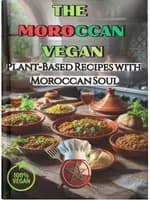
The Moroccan Vegan
$12.56

Tables of Fez: A Royal Palace Legacy
$22.99

The Soul of Morocco
$20.00
YouTube
Watch step-by-step cooking videos and learn traditional Moroccan techniques.
450+
Subscribers
150+
Videos