
15
Prep (min)
45
Cook (min)
6
Servings
Easy
Level
Introduction
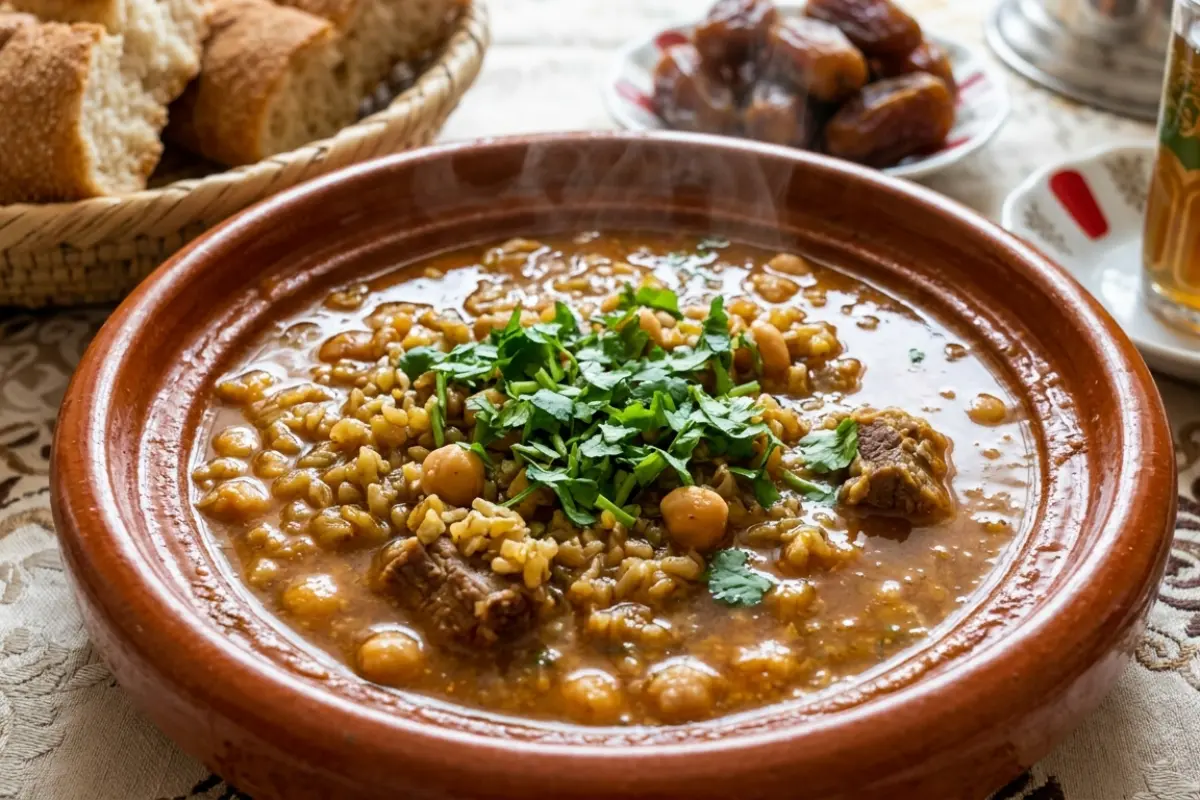
Freekeh soup, known in Morocco as Shorbat Al-Freek, is one of the oldest and most nutritionally revered grain soups in North African cuisine. Freekeh itself is an ancient grain made from green durum wheat that is harvested young and then roasted over fire, giving it a distinctive smoky, nutty flavor that sets it apart from other grains. In Moroccan culinary tradition, this soup holds a place of honor particularly in the kitchens of Fez and Meknes, cities known for their sophisticated and historically rich food culture dating back centuries to the Arab-Andalusian era.
The combination of freekeh with cilantro and cumin is a marriage of flavors deeply rooted in Moroccan spice philosophy. Cumin, called 'kamoun' in Moroccan Arabic, is considered an essential pantry staple in every Moroccan home and is believed to aid digestion and warm the body from within. Cilantro, used both fresh and in seed form as coriander, adds a vivid herbal brightness that cuts through the earthiness of the grain. Together, these ingredients create a soup that is both deeply satisfying and medicinally comforting, embodying the Moroccan belief that food is also medicine.
During Ramadan, Shorbat Al-Freek is frequently served as part of the Iftar spread alongside harira and other warming soups, providing essential complex carbohydrates and fiber after a long day of fasting. Beyond Ramadan, it is enjoyed throughout the autumn and winter months as a restorative meal that can be prepared simply with broth and vegetables or enriched with lamb or chicken. The recipe passed down through generations rarely changes in its core elements, a testament to how perfectly balanced and timeless this humble yet profound dish truly is.
About This Recipe
Freekeh has been cultivated and consumed across the Levant and North Africa for over three thousand years, with historical records of its use dating back to ancient civilizations in the fertile crescent. In Morocco, freekeh arrived through trade routes and cultural exchange along the Mediterranean coast and through caravan routes crossing the Sahara, becoming particularly embedded in the culinary traditions of interior cities such as Fez and Meknes. These cities, known for their ancient medinas and sophisticated courtly cuisines that blended Arab, Berber, and Andalusian influences, embraced freekeh as a prestige grain due to its unique smoky character and remarkable nutritional profile. Historically, freekeh soup was considered food for both the wealthy, who could afford imported grains, and the resourceful poor, who discovered that a small amount of freekeh could produce a deeply nourishing and filling pot of soup for an entire family. The combination with cilantro and cumin reflects the deeply rooted Moroccan practice of pairing grains with warming, digestive spices and fresh herbs, a tradition inherited partly from ancient Amazigh medicine and partly from the sophisticated spice trade networks that once made Moroccan cities the crossroads of the known world. Today, Shorbat Al-Freek remains a cherished recipe found in family kitchens across Morocco, passed down through generations as a symbol of simple, wholesome, and deeply flavorful home cooking.
Nutrition / serving
Recipe Tags
Understanding the Ingredients
Whole or Cracked Freekeh
Freekeh is young green wheat that has been fire-roasted, giving it an unmistakable smoky and nutty flavor. Cracked freekeh cooks faster and creates a creamier texture in soup, while whole freekeh retains more chew. Rinse thoroughly before use to remove any debris from the roasting process.
Fresh Cilantro
Fresh cilantro is an essential flavor backbone in Moroccan soups. Both the leaves and tender stems are used to maximize flavor. It is added during cooking to infuse the broth and also as a fresh garnish at serving. Its citrusy, herbal notes brighten the smoky freekeh beautifully.
Ground Cumin
Cumin is indispensable in Moroccan cooking and is freshly ground whenever possible for the most vibrant flavor. It provides a warm, earthy, slightly peppery depth that complements the smokiness of the freekeh. Toasting the cumin briefly before adding it to the pot intensifies its aroma.
Yellow Onion
Onion forms the aromatic base of this soup. It is slowly softened in olive oil before the freekeh is added, building a sweet, savory foundation. Yellow onions are preferred for their balanced flavor and their ability to dissolve into the soup, thickening it naturally.
Olive Oil
Extra virgin olive oil is used to sauté the aromatics and is also drizzled over the finished soup. Moroccan olive oil, particularly from the Fez-Meknes region, has a robust, slightly peppery character that adds richness without heaviness.
Garlic Cloves
A few cloves of garlic are softened alongside the onion to add depth and a subtle pungency to the soup base. Garlic also enhances the digestive and warming properties of the soup, which is important in traditional Moroccan culinary medicine.
Chicken or Vegetable Broth
A good quality broth is essential for building a flavorful soup. Homemade chicken broth is traditional and adds body and richness, but a well-seasoned vegetable broth works beautifully for a lighter or vegetarian version. The broth should be warm before adding to avoid shocking the sautéed ingredients.
Lemon Juice
A squeeze of fresh lemon juice added just before serving brightens all the flavors and provides a subtle acidity that balances the smoky grain and earthy spices. It is a classic Moroccan finishing touch for grain-based soups and stews.
Salt and Black Pepper
Simple but critical seasoning. Salt should be added in stages throughout the cooking process to build flavor evenly. Freshly cracked black pepper adds a gentle heat that complements the cumin without overpowering the delicate herb notes.
Step-by-Step Cooking Guide
Rinse and Prepare the Freekeh
5 minPlace the cracked or whole freekeh in a fine mesh sieve and rinse thoroughly under cold running water, stirring with your fingers until the water runs clear. This removes excess starch and any residual char from the roasting process. Drain well and set aside. If using whole freekeh, you may optionally soak it in cold water for 20 minutes to reduce cooking time.
Tip: Do not skip the rinsing step. Freekeh can carry smoky residue that, if not rinsed, can make the soup taste bitter.
Sauté the Aromatics
10 minIn a large heavy-bottomed pot, heat the olive oil over medium heat. Add the diced onion and cook, stirring occasionally, for 6 to 8 minutes until softened and translucent. Add the minced garlic and cook for another 2 minutes until fragrant. Be careful not to brown the garlic as it can turn bitter.
Tip: Low and slow is best here. Properly softened aromatics create a sweet, mellow base that is the hallmark of a well-made Moroccan soup.
Toast the Spices
2 minAdd the ground cumin directly to the softened onion and garlic in the pot. Stir continuously for about 1 minute, allowing the cumin to toast gently in the oil. This blooming process activates the fat-soluble compounds in the spice, releasing a far more intense and complex aroma than adding it to liquid directly.
Tip: Watch carefully during this step as cumin can burn quickly. As soon as it becomes fragrant and slightly darker, move to the next step.
Add Freekeh and Broth
5 minAdd the rinsed freekeh to the pot and stir to coat it well with the spiced oil and aromatics, toasting it lightly for about 2 minutes. Pour in the warm chicken or vegetable broth and stir to combine. Add half of the chopped fresh cilantro to the pot. Season with salt and black pepper to taste. Bring to a boil over high heat.
Tip: Using warm broth rather than cold prevents the pot from cooling down and helps the soup come to a boil more evenly and quickly.
Simmer Until Freekeh is Tender
30 minOnce the soup reaches a boil, reduce the heat to low, cover the pot partially with a lid, and simmer gently. Cracked freekeh will take approximately 20 to 25 minutes to become tender and slightly creamy. Whole freekeh may require 35 to 40 minutes. Stir occasionally and add a splash of additional broth or water if the soup becomes too thick.
Tip: The soup will naturally thicken as the freekeh absorbs liquid and releases starch. Aim for a consistency similar to a hearty porridge-like soup, not too thick nor too thin.
Finish and Serve
5 minOnce the freekeh is fully tender, taste the soup and adjust seasoning with additional salt, pepper, or cumin as needed. Stir in a generous squeeze of fresh lemon juice. Ladle the soup into warmed bowls and garnish with the remaining fresh cilantro leaves, a drizzle of good olive oil, and optionally a light dusting of additional ground cumin on top.
Tip: Serve immediately for the best texture. The lemon juice must be added at the very end of cooking to preserve its brightness and prevent bitterness.
Common Mistakes to Avoid
✗ Not rinsing the freekeh thoroughly before cooking
Fix: Always rinse freekeh under cold water until the water runs clear. This removes excess starch that can make the soup gummy and any bitter residue from the roasting process.
✗ Adding too much liquid at once and getting a watery soup
Fix: Start with the recommended amount of broth and add more gradually if the soup seems too thick during cooking. Freekeh absorbs a significant amount of liquid as it cooks.
✗ Burning the garlic or cumin during the sautéing stage
Fix: Keep the heat at medium and stir constantly when toasting the cumin and softening the garlic. Both burn very quickly and will impart a harsh bitterness to the entire soup.
✗ Adding lemon juice too early in the cooking process
Fix: Lemon juice should always be added right at the end, just before serving. Adding it during cooking causes it to lose its brightness and can make the soup taste flat or slightly metallic.
Ingredient Substitutions
Instead of: Freekeh
Use: Bulgur wheat or farro can be used as substitutes. Bulgur will produce a slightly softer texture while farro will maintain more of a chewy bite similar to whole freekeh. Neither will replicate the smoky flavor exactly, so adding a very small pinch of smoked paprika can help approximate it.
Instead of: Fresh Cilantro
Use: Flat-leaf parsley can be used for those who dislike or cannot find cilantro. It provides a similar fresh green herbal quality without the distinctive citrusy notes of cilantro. A combination of parsley and a small amount of dried coriander can also work well.
Instead of: Chicken Broth
Use: Vegetable broth or even plain water with a good bouillon cube can be substituted for a vegetarian version. If using water, increase the seasoning slightly and consider adding a small piece of kombu seaweed for additional depth and umami.
Instead of: Fresh Lemon Juice
Use: A small splash of white wine vinegar or a tablespoon of preserved lemon pulp can substitute for fresh lemon juice. Preserved lemon will add a deeply Moroccan flavor profile with a slightly less sharp acidity.
Serving Suggestions
Serve the soup with warm khobz (Moroccan flatbread) or crusty baguette on the side for dipping and scooping.
Pair with a simple Moroccan salad of grated carrots with cumin and lemon or a refreshing tomato and cucumber salad for a complete light meal.
For a more substantial serving, add shredded leftover rotisserie chicken or poached eggs directly into the soup bowls before ladling the hot soup over them.
Garnish with a dollop of harissa on the side for guests who enjoy a spicy kick, allowing them to stir it in according to their own heat preference.
During Ramadan, serve alongside dates, a glass of fresh-squeezed orange juice, and a bowl of harira for a traditional and nourishing Iftar spread.
Storage & Reheating
Storage
Allow the soup to cool completely to room temperature before transferring it to an airtight container. Store in the refrigerator for up to 4 days. For longer storage, freeze in portioned containers for up to 3 months. Note that the freekeh will continue to absorb liquid during storage, so the soup will thicken considerably.
Reheating
Reheat gently on the stovetop over medium-low heat, adding a splash of water or broth to restore the desired consistency while stirring. Avoid boiling vigorously during reheating as this can break down the freekeh too much and create an overly thick, paste-like texture. Microwave reheating works well for individual portions on medium power for 2 to 3 minutes, stirring halfway through.
Always taste and re-season after reheating, as flavors can mellow during storage. Add a fresh squeeze of lemon juice and a handful of fresh cilantro after reheating to revive the brightness of the soup before serving.
Frequently Asked Questions
Recipe by

Nora Alaoui
نورة العلوي
Soup & Stew Expert
View all recipes by Nora →
You May Also Like
Our Ebooks

The Moroccan Vegan
$12.56
Tables of Fez: A Royal Palace Legacy
$22.99

The Soul of Morocco
$20.00
YouTube
Watch step-by-step cooking videos and learn traditional Moroccan techniques.
450+
Subscribers
150+
Videos