
45
Prep (min)
25
Cook (min)
6
Servings
Medium
Level
Introduction
Ftir is one of Morocco's most beloved traditional breads, originating from the bustling kitchens of Fez where bakers have perfected this flaky, layered bread for centuries. The name 'ftir' comes from the Arabic word meaning 'to break fast,' as this bread was traditionally enjoyed during Ramadan to break the daily fast. The technique of creating multiple thin layers through repeated rolling and folding gives ftir its distinctive texture that separates into delicate, buttery layers when torn apart.
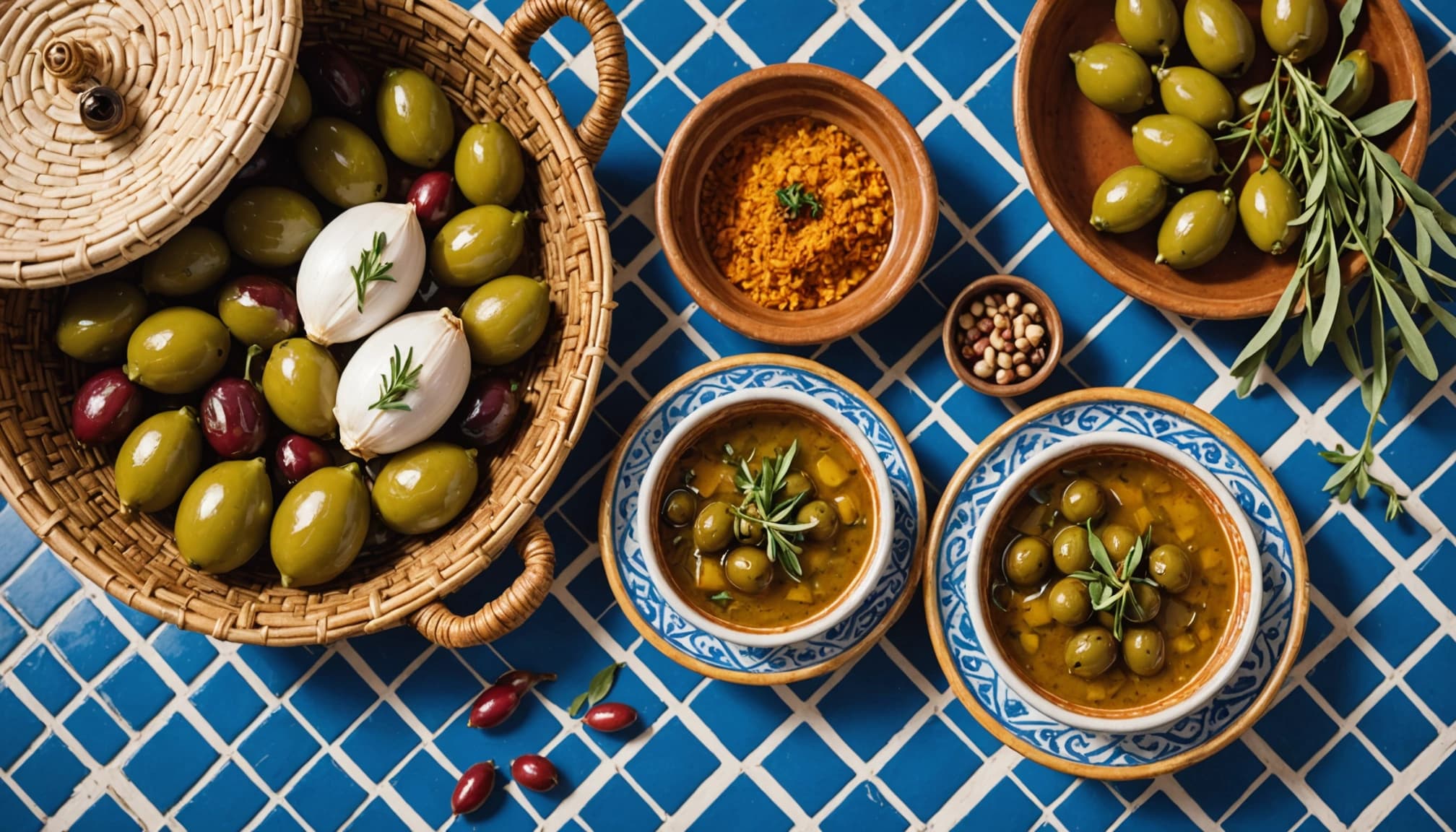
This particular version featuring olives and garlic represents the savory side of ftir preparation, where aromatic ingredients are folded directly into the dough to create pockets of intense flavor throughout each layer. The combination of briny olives and pungent garlic is quintessentially Moroccan, reflecting the country's love for bold, harmonious flavors that complement rather than compete with each other.
Making ftir requires patience and technique, as the dough must be worked carefully to achieve the proper elasticity and thinness. The key to success lies in the quality of the olive oil used for brushing between layers and the skill in rolling the dough paper-thin without tearing. When done correctly, each bite delivers a perfect balance of crispy exterior and tender, flaky interior infused with the Mediterranean flavors of olives and garlic.
About This Recipe
Ftir has been a cornerstone of Moroccan bread-making for over 500 years, with its origins tracing back to the Marinid dynasty in Fez. The technique of creating layered flatbreads was likely influenced by the Ottoman empire's expanded trade routes, which brought new culinary techniques to North Africa. Traditionally made by skilled bakers in communal ovens, ftir became a symbol of hospitality and was often prepared for special occasions and religious holidays. The addition of olives and garlic reflects Morocco's position at the crossroads of Mediterranean and African culinary traditions, where local ingredients were incorporated into established bread-making techniques to create uniquely Moroccan flavors.
Nutrition / serving
Recipe Tags
Understanding the Ingredients
All-purpose flour
Forms the base of the dough, providing structure and elasticity needed for the thin layers
Warm water
Activates the gluten and helps create a pliable dough that can be rolled very thin
Extra virgin olive oil
Essential for creating layers and adding rich flavor, use the best quality available
Green olives
Choose pitted Moroccan olives or Kalamata for their intense, briny flavor
Fresh garlic
Provides aromatic pungency that complements the olives perfectly
Sea salt
Enhances all flavors and helps develop gluten in the dough
Fresh parsley
Adds color and fresh herbaceous notes to balance the rich flavors
Step-by-Step Cooking Guide
Prepare the Dough
10 minMix flour and salt in a large bowl, create a well in the center, then gradually add warm water and 2 tablespoons of olive oil while mixing until a soft dough forms.
Tip: The dough should be slightly sticky but manageable - add water gradually to avoid making it too wet.
Knead and Rest
40 minKnead the dough on a lightly floured surface for 8-10 minutes until smooth and elastic, then cover and let rest for 30 minutes.
Tip: Proper kneading develops gluten which allows the dough to be rolled paper-thin without tearing.
Prepare Filling
5 minFinely chop the olives, garlic, and parsley, then mix together in a small bowl with a pinch of salt.
Tip: Pat olives dry with paper towels to prevent excess moisture from making the dough soggy.
Roll and Layer
15 minDivide dough into 6 portions, roll each very thin, brush with olive oil, sprinkle with filling, then fold into a square.
Tip: Roll from center outward and work quickly to prevent drying - cover unused portions with damp cloth.
Cook the Ftir
25 minHeat a heavy skillet or griddle over medium heat and cook each ftir for 3-4 minutes per side until golden brown and crispy.
Tip: Don't use oil in the pan - the oil in the dough is sufficient for cooking and preventing sticking.
Common Mistakes to Avoid
✗ Rolling the dough too thick
Fix: Take time to roll each portion paper-thin - you should almost be able to see through it
✗ Using too much filling
Fix: A light sprinkle is enough - too much will make folding difficult and cause tearing
✗ Cooking at too high heat
Fix: Medium heat ensures the layers cook through while developing a golden crust
Ingredient Substitutions
Instead of: Green olives
Use: Black olives or sun-dried tomatoes for different flavor profiles
Instead of: Fresh garlic
Use: Roasted garlic for a milder, sweeter flavor
Instead of: All-purpose flour
Use: Half whole wheat flour for more fiber and nutty flavor
Serving Suggestions
Serve warm alongside lamb or chicken tagine
Cut into wedges and serve as an appetizer with olive tapenade
Pair with Moroccan mint tea for an authentic afternoon snack
Serve with harissa and yogurt for dipping
Storage & Reheating
Storage
Store leftover ftir wrapped in plastic wrap at room temperature for up to 2 days, or freeze for up to 3 months
Reheating
Reheat in a dry skillet over medium heat for 1-2 minutes per side to restore crispiness
Avoid microwaving as it will make the bread soggy and lose its flaky texture
Frequently Asked Questions
Recipe by

Abdrahman Idrissi
عبد الرحمن الإدريسي
Pastry & Bread Chef
View all recipes by Abdrahman →
You May Also Like
Our Ebooks

The Moroccan Vegan
$12.56
Tables of Fez: A Royal Palace Legacy
$22.99

The Soul of Morocco
$20.00
YouTube
Watch step-by-step cooking videos and learn traditional Moroccan techniques.
450+
Subscribers
150+
Videos