
20
Prep (min)
40
Cook (min)
4
Servings
Easy
Level
Introduction
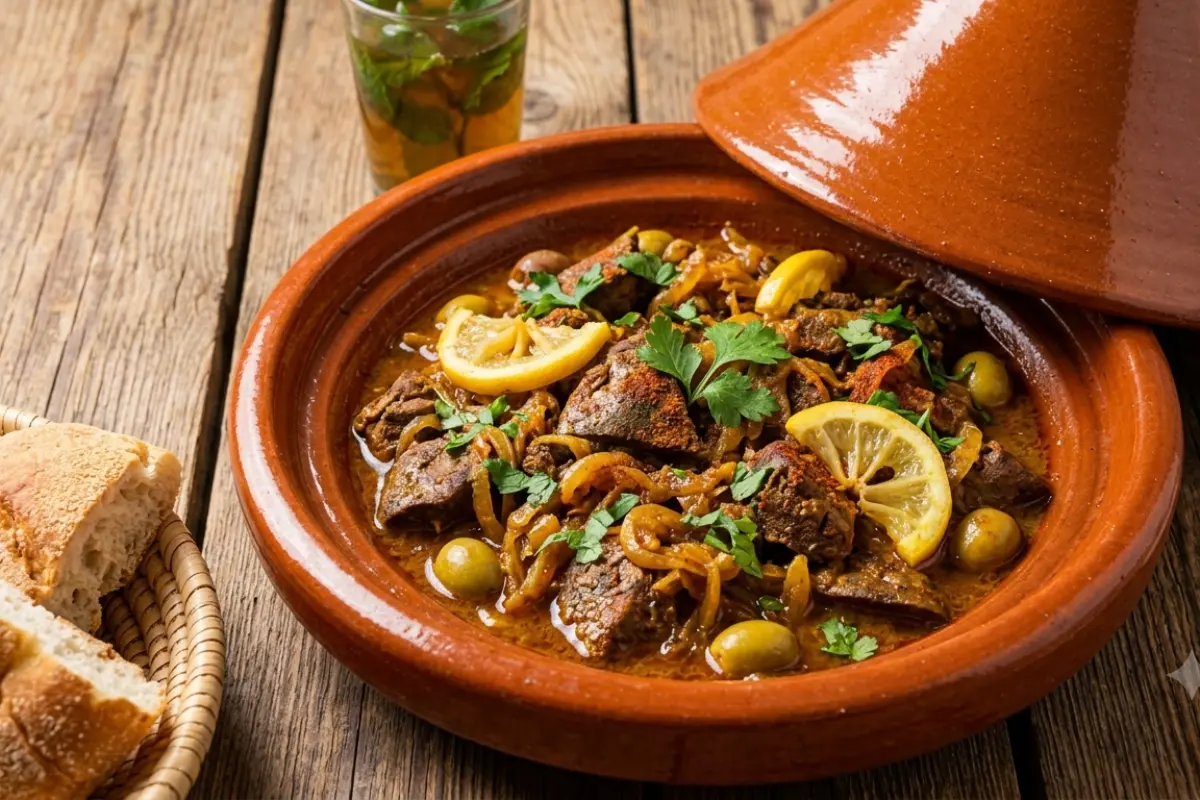
Liver Tagine with Onion and Cumin holds a cherished place in the tapestry of Moroccan culinary tradition. Offal dishes, particularly those featuring liver, have been cooked in Morocco for centuries, deeply rooted in a culture that values using every part of an animal with respect and skill. This dish is especially prominent during the festival of Eid Al Adha, when families slaughter a sheep and prepare a variety of organ meats as the first celebratory meal of the holiday, honoring both the sacrifice and the bounty it provides.
The city of Marrakech is particularly renowned for its vibrant offal culture, with the iconic Djemaa el-Fna square hosting dozens of food stalls where grilled and stewed liver have been served to locals and travelers alike for generations. Street vendors known as 'kefta boys' and tagine masters have perfected the art of cooking liver quickly over high heat or low and slow in a tagine, each method producing a uniquely satisfying result. The slow-cooked tagine version, enriched with sweet caramelized onions and fragrant cumin, is considered the more refined and deeply flavored preparation.
What makes this dish truly special is the harmony of its simple ingredients. Cumin, the backbone spice of Moroccan liver cookery, lends its warm, slightly smoky earthiness that complements the strong flavor of the liver beautifully. Slow-cooked onions melt into a jammy, sweet base that balances the richness of the meat, while preserved lemon and fresh cilantro add brightness and lift to the finished dish. It is a recipe that is humble in its origins yet magnificent in its depth of flavor, representing the very heart of Moroccan home cooking.
About This Recipe
Liver tagine with onion and cumin is deeply woven into the fabric of Moroccan culinary history, tracing its roots back to ancient Berber and Andalusian cooking traditions that prized offal as a delicacy rather than a lesser cut. Long before refrigeration, organ meats were prized for their rich nutrition and immediate availability after an animal was slaughtered, making them a cornerstone of celebratory feasts and daily household cooking alike. The tradition of cooking liver with cumin in Morocco is so deeply ingrained that cumin is colloquially known in some regions as the spice of liver, reflecting the near-inseparable bond between the two. Throughout the centuries, as Moroccan cuisine absorbed influences from Arab traders, Ottoman spice routes, and Mediterranean neighbors, the liver tagine evolved to incorporate preserved lemon and fresh herbs, creating the refined version enjoyed today. In cities like Marrakech and Fez, this dish has been a staple of medina street food culture for generations, served sizzling from clay tagines on braziers to hungry passersby. It remains one of the most beloved dishes of the Eid Al Adha celebration, eaten by millions of Moroccan families on the morning of the holiday as the first joyful meal of the feast, connecting each generation to the shared heritage of Moroccan culinary identity.
Nutrition / serving
Recipe Tags
Understanding the Ingredients
Lamb or Beef Liver
Fresh liver is the star of this dish. Lamb liver is more tender and has a milder flavor, making it the preferred choice for this tagine. Beef liver is stronger in taste but works beautifully when properly cleaned and soaked. Choose liver that is deep reddish-brown, firm, and has a fresh smell. Remove any visible membranes and bile ducts before cooking to avoid bitterness.
Onions
Onions form the aromatic and flavor base of this tagine. They are sliced thin and cooked slowly until they become soft, golden, and caramelized, adding natural sweetness that balances the robust liver flavor. Yellow or white onions work best for this recipe. Do not rush this step, as properly caramelized onions are essential to the dish's character.
Ground Cumin
Cumin is the defining spice of Moroccan liver cookery and is used both during cooking and as a finishing garnish. It adds a warm, earthy, slightly nutty flavor that pairs exceptionally well with liver. Use freshly ground cumin for the best aroma and flavor impact. Moroccan households often keep a bowl of cumin on the table to add extra seasoning at the end.
Paprika
Sweet paprika adds a vibrant red color and a gentle, fruity sweetness to the tagine sauce. It works alongside cumin to create the classic Moroccan spice profile for this dish. Use high-quality sweet paprika; smoked paprika can also be used for a slightly different but equally delicious result.
Preserved Lemon
Preserved lemon is a quintessential Moroccan ingredient made by curing lemons in salt and their own juice for several weeks. It adds a unique salty, tangy, and deeply citrusy dimension that cuts through the richness of the liver. Only the rind is used; the pulp is discarded. Preserved lemon transforms this tagine from simply good to truly extraordinary.
Fresh Cilantro
Fresh cilantro is used both during cooking and as a garnish. Its bright, herbaceous flavor adds freshness and color to the finished dish. Cilantro is one of the most beloved herbs in Moroccan cuisine and is an essential finishing touch for liver tagine. If unavailable, flat-leaf parsley makes an acceptable substitute.
Garlic
Garlic adds pungency and depth to the spice base of the tagine. It is typically minced or crushed and added to the onions after they have softened, allowing it to cook gently without burning. Fresh garlic is strongly preferred over garlic powder for an authentic result.
Olive Oil
Extra virgin olive oil is used to sauté the onions and cook the liver. Moroccan cooking traditionally uses generous amounts of good-quality olive oil, which carries the spices and creates a rich, flavorful sauce. The oil also helps the liver develop a beautiful sear on the outside while remaining tender inside.
Step-by-Step Cooking Guide
Prepare and Marinate the Liver
15 minRinse the liver under cold water and pat dry with paper towels. Remove any visible membranes, sinew, or bile ducts using a sharp knife. Cut the liver into bite-sized cubes approximately 3-4 cm in size. In a bowl, toss the liver pieces with half the cumin, half the paprika, a pinch of salt, and a drizzle of olive oil. Allow to marinate for at least 15 minutes at room temperature to let the spices penetrate the meat.
Tip: Soaking the liver in cold salted water for 30 minutes before marinating helps draw out any blood and reduces the strong gamey flavor, resulting in a milder, cleaner-tasting final dish.
Caramelize the Onions
25 minHeat 3 tablespoons of olive oil in a tagine or heavy-bottomed skillet over medium-low heat. Add the thinly sliced onions and a pinch of salt. Cook slowly, stirring occasionally, for 20-25 minutes until the onions are deeply golden, soft, and caramelized. This slow cooking is critical to developing the sweet base flavor of the dish. Do not rush this step by increasing the heat, as the onions should melt rather than brown unevenly.
Tip: Adding a pinch of sugar to the onions halfway through caramelization can help accelerate the process and deepen their sweetness without altering the authentic flavor profile.
Add Garlic and Spices
2 minOnce the onions are fully caramelized, add the minced garlic, remaining cumin, and remaining paprika to the pan. Stir well to combine and cook for 1-2 minutes until the garlic is fragrant and the spices are fully incorporated into the onion mixture. This step blooms the spices in the oil, intensifying their flavor before the liver is added.
Tip: Watch the garlic carefully at this stage as it can burn quickly. Stir continuously and reduce heat slightly if needed to prevent bitterness.
Sear and Cook the Liver
12 minIncrease the heat to medium-high and add the marinated liver pieces to the pan in a single layer. Sear the liver for 2-3 minutes on each side until browned on the outside. Reduce the heat to medium-low, add a splash of water or broth (about 60ml), and cover the tagine or pan with a lid. Allow the liver to finish cooking gently in the steam for an additional 5-7 minutes until just cooked through. Be careful not to overcook, as liver becomes dry and tough very quickly.
Tip: Liver should remain slightly pink in the center when removed from heat, as it will continue cooking from residual heat. Overcooking is the most common mistake and results in a rubbery, unpleasant texture.
Add Preserved Lemon and Finish
3 minSlice the preserved lemon rind into thin strips, discarding the pulp, and add it to the tagine along with half the fresh cilantro. Stir gently to combine and adjust seasoning with salt and additional cumin to taste. Cook for 1-2 more minutes to allow the flavors to meld together. The sauce should be thick, glossy, and deeply aromatic.
Tip: Preserved lemon is already very salty, so taste the dish before adding any additional salt at this stage to avoid over-seasoning.
Garnish and Serve
3 minTransfer the liver tagine to a warm serving dish or bring the tagine directly to the table. Garnish generously with the remaining fresh cilantro and an extra sprinkle of ground cumin. Serve immediately while hot, accompanied by warm Moroccan bread (khobz) for scooping, along with olives and a simple salad if desired.
Tip: Serving the tagine directly in the clay pot keeps it warm longer and adds to the authentic presentation. A side dish of harissa can be offered for those who enjoy extra heat.
Common Mistakes to Avoid
✗ Overcooking the liver
Fix: Liver cooks very quickly and should be removed from heat while still slightly pink in the center. It continues cooking from residual heat, so err on the side of undercooking slightly. Overcooked liver becomes rubbery, dry, and unpleasantly grainy.
✗ Skipping the membrane removal
Fix: Leaving the tough outer membrane on the liver causes it to curl and tighten during cooking, resulting in uneven texture. Always take the time to remove all visible membranes and sinew with a sharp knife before cooking.
✗ Rushing the onion caramelization
Fix: Increasing the heat to speed up caramelization causes the onions to burn rather than mellow into sweetness. Low and slow is the only proper method. Properly caramelized onions are the soul of this dish and cannot be replaced by lightly sautéed ones.
✗ Using too much preserved lemon
Fix: Preserved lemon is intensely salty and tangy. Using too much overwhelms the other flavors and makes the dish unpleasantly sour and salty. Start with half a preserved lemon and add more only after tasting the final dish.
Ingredient Substitutions
Instead of: Lamb liver
Use: Beef liver or chicken liver can be used. Chicken liver has a milder flavor and cooks even more quickly, so reduce cooking time accordingly. Beef liver has a stronger flavor and benefits from a longer soak in salted water.
Instead of: Preserved lemon
Use: A combination of fresh lemon zest and a pinch of sea salt can approximate the flavor of preserved lemon. While not identical, it adds a similar brightness. Some cooks also use a small amount of white wine vinegar for tartness.
Instead of: Fresh cilantro
Use: Fresh flat-leaf parsley makes an excellent substitute and is equally traditional in Moroccan cooking. Some regions use a combination of both herbs for a more complex herbal profile.
Instead of: Tagine pot
Use: A heavy-bottomed Dutch oven or cast iron skillet with a tight-fitting lid works perfectly as a substitute for a traditional clay tagine. The key is even, gentle heat distribution and a sealed lid to trap steam.
Serving Suggestions
Serve hot directly from the tagine with generous portions of warm Moroccan round bread (khobz) for scooping up the rich onion sauce.
Accompany with a simple Moroccan tomato and cucumber salad dressed with cumin, lemon juice, and olive oil for freshness.
Offer a small bowl of ground cumin and paprika on the side for guests to season their own portions according to preference.
A side of Moroccan olives marinated in herbs and lemon adds a briny contrast that complements the richness of the liver.
Storage & Reheating
Storage
Allow the liver tagine to cool completely before transferring to an airtight container. Store in the refrigerator for up to 2 days. Due to the delicate nature of cooked liver, it is not recommended to store for longer periods as the texture deteriorates significantly.
Reheating
Reheat gently over low heat in a covered pan with a small splash of water to prevent drying out. Stir occasionally and heat only until warmed through. Avoid using a microwave as it tends to make the liver rubbery. Do not bring to a full boil during reheating.
Liver tagine is best enjoyed freshly made and does not improve with age the way many other tagines do. For the best experience, cook only what will be consumed immediately. If you anticipate leftovers, consider slightly undercooking the liver so that reheating brings it to the perfect doneness.
Frequently Asked Questions
Recipe by

Fatima El Amrani
فاطمة العمراني
Master Chef
View all recipes by Fatima →
You May Also Like
Our Ebooks

The Moroccan Vegan
$12.56

Tables of Fez: A Royal Palace Legacy
$22.99

The Soul of Morocco
$20.00
YouTube
Watch step-by-step cooking videos and learn traditional Moroccan techniques.
450+
Subscribers
150+
Videos