
45
Prep (min)
25
Cook (min)
8
Servings
Medium
Level
Introduction
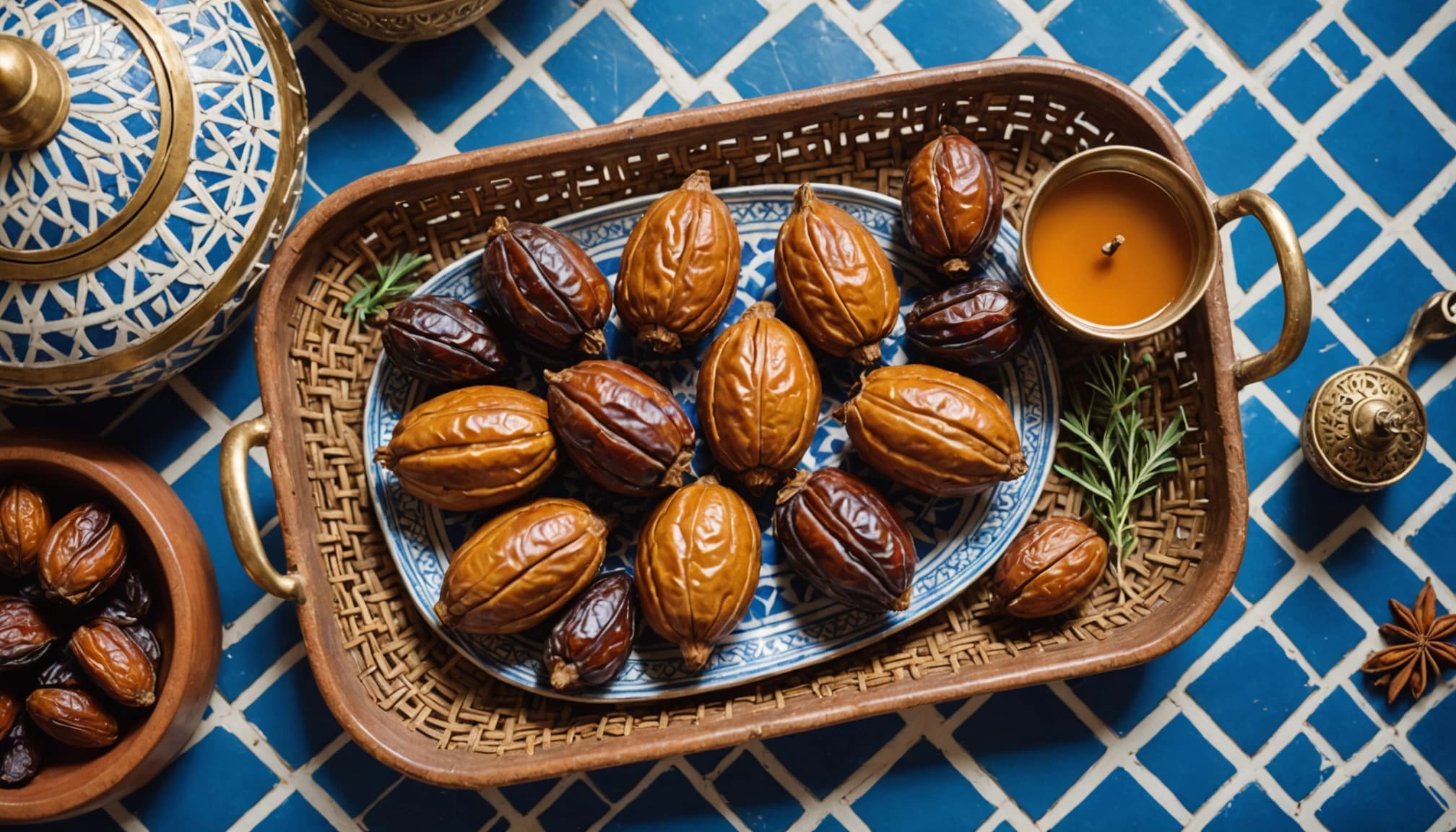
Matlou with dates and cinnamon represents one of Morocco's most cherished traditional breads, particularly beloved in the imperial city of Fes where it has been perfected over generations. This sweet, enriched bread holds a special place in Moroccan households, often prepared for special occasions, religious holidays, and family gatherings where its comforting aroma fills the home with warmth and tradition.
The bread's distinctive character comes from the perfect marriage of tender Medjool dates, which provide natural sweetness and moisture, with the warming embrace of Ceylon cinnamon that perfumes every bite. The dough itself is enriched with olive oil and a touch of orange blossom water, creating a texture that is both substantial and delicate, with a golden crust that gives way to a soft, pillowy interior studded with jewel-like pieces of dates.
What makes this version of matlou particularly special is the traditional technique of incorporating the dates and spices directly into the dough, allowing their flavors to meld and develop during the rising process. The result is a bread that tastes of ancient Morocco, carrying forward the culinary wisdom of generations while remaining utterly relevant to modern tables where it serves as both sustenance and celebration.
About This Recipe
Matlou traces its origins to the medieval period in Morocco, particularly flourishing in the intellectual and culinary centers of Fes and Meknes. The bread emerged from the Andalusian influence on Moroccan cuisine, when Muslim refugees from Spain brought with them sophisticated baking techniques and a love for enriched breads. The addition of dates and cinnamon reflects Morocco's position as a crossroads of trade routes, where precious spices from the East met the abundant date harvests of the Saharan oases. Traditionally, matlou was prepared in communal ovens after the daily bread baking was complete, taking advantage of the residual heat. This timing made it a bread of celebration and leisure, often associated with religious festivals and family gatherings. The recipe was passed down through generations of Moroccan bakers, with each family adding their own subtle variations while maintaining the essential character that makes matlou a cornerstone of Moroccan baking tradition.
Nutrition / serving
Recipe Tags
Understanding the Ingredients
Bread Flour
High-protein bread flour provides the strong gluten structure needed for the bread's characteristic chewy yet tender texture, essential for supporting the weight of the dates.
Medjool Dates
These premium dates offer exceptional sweetness and a soft, almost creamy texture that distributes beautifully throughout the bread without becoming overly sticky.
Ceylon Cinnamon
True Ceylon cinnamon provides a delicate, sweet spice note that's less aggressive than cassia cinnamon, allowing the date flavors to shine through.
Active Dry Yeast
Provides the leavening power needed to create the bread's light, airy texture while developing complex flavors during fermentation.
Orange Blossom Water
This traditional Moroccan flavoring adds a subtle floral note that complements both the dates and cinnamon while connecting the bread to its cultural roots.
Step-by-Step Cooking Guide
Prepare the Date Mixture
10 minRemove pits from dates and chop into small, uniform pieces. Toss with a portion of the cinnamon and a light dusting of flour to prevent clumping during mixing.
Tip: Slightly warm dates are easier to chop and will integrate better into the dough.
Create the Yeast Mixture
10 minDissolve active dry yeast in warm water with a pinch of sugar, whisking gently. Let stand until foamy and doubled in volume, indicating active yeast.
Tip: Water temperature should be between 105-110°F for optimal yeast activation.
Form the Dough Base
5 minIn a large mixing bowl, combine flour, remaining cinnamon, and salt. Create a well in the center and add the activated yeast mixture, olive oil, and orange blossom water.
Tip: Keep salt away from direct contact with yeast until mixing begins to prevent inhibiting yeast activity.
Knead and Develop Gluten
15 minMix ingredients until a shaggy dough forms, then knead on a floured surface for 8-10 minutes until smooth and elastic. The dough should be slightly tacky but not sticky.
Tip: Add flour gradually if needed, but avoid making the dough too dry as dates will absorb moisture during rising.
Incorporate the Dates
5 minFlatten the dough into a rectangle and distribute the prepared dates evenly across the surface. Fold and knead gently until dates are well distributed throughout.
Tip: Work quickly to prevent overworking the dough while ensuring even date distribution.
First Rise
60 minPlace dough in an oiled bowl, cover with a damp cloth, and let rise in a warm place until doubled in size, approximately 1 hour.
Tip: Create a warm environment by placing the bowl near a warm oven or in a slightly warmed oven that's been turned off.
Shape and Final Rise
35 minPunch down dough gently, shape into a round loaf, and place on a parchment-lined baking sheet. Cover and let rise again until increased by half, about 30 minutes.
Tip: Score the top with a sharp knife just before baking to control expansion and create an attractive pattern.
Common Mistakes to Avoid
✗ Adding dates too early in the mixing process
Fix: Incorporate dates after initial gluten development to prevent them from breaking down and making the dough sticky
✗ Using water that's too hot for yeast activation
Fix: Test water temperature with a thermometer or your wrist - it should feel comfortably warm, not hot
✗ Over-flouring the dough when dates make it seem sticky
Fix: Allow the dates to absorb moisture during rising rather than adding excess flour which will make the bread dense
Ingredient Substitutions
Instead of: Medjool dates
Use: Deglet noor dates or dried figs, chopped
Instead of: Orange blossom water
Use: Rose water or vanilla extract in smaller quantities
Instead of: Ceylon cinnamon
Use: Regular cinnamon with a pinch of nutmeg
Instead of: Bread flour
Use: All-purpose flour with 1 tablespoon vital wheat gluten per cup
Serving Suggestions
Serve warm with traditional Moroccan mint tea for an authentic experience
Toast slices lightly and serve with honey butter for breakfast
Pair with fresh goat cheese and a drizzle of argan oil
Serve alongside tagines to soak up flavorful sauces
Cut into thick slices and serve with Moroccan coffee for an afternoon treat
Storage & Reheating
Storage
Store wrapped in clean kitchen towels at room temperature for up to 3 days, or freeze wrapped in plastic and foil for up to 3 months
Reheating
Warm whole loaf in a 300°F oven for 10-15 minutes, or toast individual slices until heated through
Brush with a light coating of olive oil before reheating to restore moisture and achieve a crispy crust
Frequently Asked Questions
Recipe by

Abdrahman Idrissi
عبد الرحمن الإدريسي
Pastry & Bread Chef
View all recipes by Abdrahman →
You May Also Like
Our Ebooks

The Moroccan Vegan
$12.56

Tables of Fez: A Royal Palace Legacy
$22.99

The Soul of Morocco
$20.00
YouTube
Watch step-by-step cooking videos and learn traditional Moroccan techniques.
450+
Subscribers
150+
Videos