
60
Prep (min)
30
Cook (min)
6
Servings
Medium
Level
Introduction
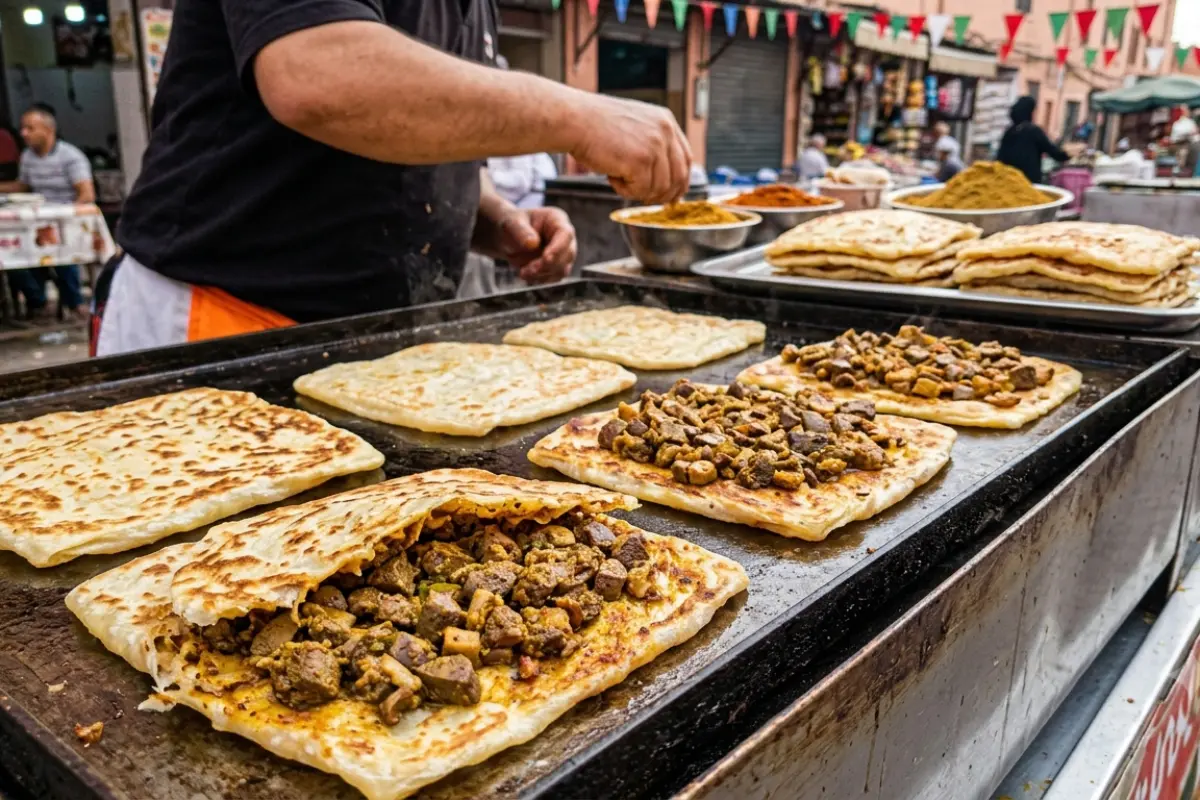
Rghaif, known in Moroccan Arabic as رغايف, are a quintessential part of Morocco's rich bread and pastry heritage. These layered, pan-fried flatbreads have been prepared in Moroccan households for centuries and hold a special place in the culinary identity of cities like Fez, Marrakech, and Casablanca. The technique of stretching and folding the dough creates dozens of thin, buttery layers that puff and crisp beautifully on a hot griddle, resulting in a bread that is simultaneously flaky and chewy.
About This Recipe
Rghaif is one of Morocco's most ancient and beloved bread traditions, with roots tracing back to the Amazigh Berber communities of the Atlas Mountains and the urban kitchens of imperial cities like Fez and Marrakech. The art of making layered, pan-fried flatbreads is shared across North Africa and the Levant under various names, but Moroccan rghaif holds its own distinctive identity through its use of semolina, smen, and bold spice-laden fillings. The stuffed variety with offal became especially associated with Eid Al-Adha, the Feast of the Sacrifice, when every part of the slaughtered lamb is honored and used. Offal — including liver, heart, kidneys, and lungs — is prepared with reverence on this occasion, and stuffing it into freshly made rghaif became a cherished morning tradition across Moroccan households. In Fez, considered the culinary capital of Morocco, rghaif-making is considered a skilled domestic art passed from mothers to daughters, and mastering the technique of stretching the dough gossamer thin without tearing it is a mark of an accomplished cook. Today, rghaif with offal filling remains a beloved street food sold by vendors near mosques on feast days and a proud symbol of Morocco's rich culinary heritage.
Nutrition / serving
Recipe Tags
Understanding the Ingredients
Lamb or beef liver
The star of the filling, liver provides a rich, iron-forward flavor that is deeply savory. It should be fresh and trimmed of any membranes or bile ducts. Cutting it into small cubes ensures even cooking and a tender texture inside the rghaif.
Lamb heart
Heart is a lean, firm offal cut that adds a meaty, slightly chewy texture to the filling. It pairs beautifully with liver and absorbs spices well. It must be cleaned thoroughly, removing any fat and sinew before dicing.
All-purpose flour
The base of the rghaif dough, all-purpose flour provides the right balance of elasticity and tenderness. It is combined with semolina to give the bread its characteristic slightly gritty texture and golden color when fried.
Fine semolina
Semolina adds a delicate crunch and golden hue to the rghaif dough. It also helps the layers stay distinct during folding, contributing to the signature flakiness of the finished bread.
Ras el hanout
This quintessential Moroccan spice blend is the soul of the offal filling. A complex mixture of up to 30 spices including cumin, coriander, ginger, and cinnamon, it brings warmth, depth, and unmistakable Moroccan character to the dish.
Fresh cilantro and parsley
These fresh herbs are chopped finely and mixed into the offal filling to add brightness and color. They balance the richness of the liver and heart and are an essential component of Moroccan offal preparations.
Cumin
Ground cumin is a fundamental spice in Moroccan cooking and is used both in the filling and sometimes sprinkled on top before serving. It enhances the earthiness of the offal and adds a slightly smoky warmth.
Clarified butter or smen
Clarified butter or aged Moroccan butter known as smen is used to coat the layers of dough and fry the rghaif. It imparts a rich, nutty flavor and helps create the crispy, golden exterior that defines a well-made rghaif.
Step-by-Step Cooking Guide
Prepare the Dough
25 minIn a large bowl, combine 2 cups of all-purpose flour with half a cup of fine semolina and a teaspoon of salt. Gradually add warm water, mixing and kneading until a smooth, soft, and elastic dough forms. The dough should not be sticky. Divide it into golf ball-sized portions, cover with a clean towel, and let rest for 20 minutes.
Tip: Do not rush the resting period as it allows the gluten to relax, making the dough much easier to stretch thin without tearing.
Prepare the Offal Filling
15 minClean the liver and heart thoroughly, removing all membranes and sinew. Cut them into very small cubes of about half a centimeter. In a bowl, mix the offal with finely chopped cilantro, parsley, one teaspoon of ras el hanout, one teaspoon of ground cumin, half a teaspoon of paprika, salt, and black pepper. Mix well to coat every piece with the spices.
Tip: Chop the offal as finely as possible so it spreads evenly inside the rghaif and cooks through quickly without making the dough soggy.
Stretch and Layer the Dough
10 minOil your work surface generously with vegetable oil. Take one dough ball and flatten it with your palm, then stretch it as thin as possible using your fingertips without tearing it. Spread a thin layer of melted clarified butter over the surface of the stretched dough.
Tip: Work with oiled hands and surface rather than flour to keep the dough extensible and to encourage the layers to separate during cooking.
Fill and Fold the Rghaif
10 minSpread a generous tablespoon of the spiced offal mixture over the center of the stretched dough. Fold one side of the dough toward the center, then fold the opposite side over to create an envelope shape. Fold again in the other direction to form a neat square packet. Press gently to flatten slightly.
Tip: Do not overfill the rghaif or the filling will burst out during cooking. A thin, even layer of filling distributed across the dough gives the best result.
Cook the Rghaif
20 minHeat a large cast iron griddle or heavy frying pan over medium heat. Add a small knob of clarified butter and allow it to melt and coat the surface. Place the folded rghaif onto the hot griddle and cook for 3 to 4 minutes on each side, pressing gently with a spatula, until both sides are deep golden brown and the dough is cooked through.
Tip: Maintain medium heat throughout cooking. Too high a heat will burn the outside while leaving the inside raw. You should hear a steady gentle sizzle.
Rest and Serve
5 minRemove the cooked rghaif from the griddle and place on a wire rack or plate for two minutes before serving. This allows the steam to redistribute and keeps the exterior crispy while the inside stays moist and flavorful. Repeat with all remaining dough balls and serve hot.
Tip: Serving immediately is ideal. Stack cooked rghaif loosely rather than piling them tightly so they retain their crispiness.
Common Mistakes to Avoid
✗ Tearing the dough when stretching
Fix: Ensure the dough has rested for at least 20 minutes and is well oiled. Stretch from the center outward gently using your fingertips rather than pulling aggressively from the edges.
✗ Using wet or undercooked offal in the filling
Fix: Pat the cleaned offal dry with paper towels before mixing with spices. Moisture in the filling will create steam that makes the dough soggy rather than crispy.
✗ Cooking on too high heat
Fix: Medium heat is essential for rghaif. High heat creates a burnt exterior with an undercooked, doughy interior. Patience and steady moderate heat ensure even cooking.
✗ Skipping the butter between layers
Fix: The clarified butter between dough layers is what creates the signature flakiness of rghaif. Do not skip this step or reduce the amount significantly, as it is fundamental to the texture.
Ingredient Substitutions
Instead of: Lamb liver
Use: Chicken liver, which is milder in flavor and easier to find year-round. It cooks faster so reduce cooking time slightly.
Instead of: Lamb heart
Use: Ground lamb or beef seasoned with the same spices for a more accessible alternative without sacrificing the hearty flavor.
Instead of: Clarified butter or smen
Use: Regular unsalted butter or a mixture of butter and vegetable oil can be used, though it will lack the distinctive nutty depth of clarified butter.
Instead of: Ras el hanout
Use: A homemade blend of equal parts cumin, coriander, ginger, cinnamon, and a pinch of allspice can approximate ras el hanout if the blend is unavailable.
Serving Suggestions
Serve hot alongside sweet Moroccan mint tea, which perfectly balances the savory richness of the offal filling.
Accompany with a side of harissa or chermoula dipping sauce for an extra layer of spice and herbal freshness.
Rghaif stuffed with offal is traditionally served as a hearty breakfast or brunch dish during Eid Al-Adha alongside other celebratory foods.
Pair with a simple cucumber and tomato salad dressed with lemon and olive oil to add freshness and contrast to the rich filling.
Storage & Reheating
Storage
Allow cooked rghaif to cool completely before stacking with parchment paper between each piece. Store in an airtight container in the refrigerator for up to 2 days. Raw prepared and folded rghaif can be frozen on a baking sheet and then transferred to a freezer bag for up to one month.
Reheating
Reheat refrigerated rghaif on a dry griddle or skillet over medium-low heat for 2 to 3 minutes per side until warmed through and the exterior crisps up again. Avoid microwaving as it makes the rghaif soft and soggy. Frozen rghaif can be cooked directly from frozen on a medium-low griddle, adding a few extra minutes per side.
For best results, always reheat rghaif on a flat griddle rather than in the oven, which can dry them out. A light brushing of butter before reheating restores some of the freshly cooked richness and shine.
Frequently Asked Questions
Recipe by

Abdrahman Idrissi
عبد الرحمن الإدريسي
Pastry & Bread Chef
View all recipes by Abdrahman →
You May Also Like
Our Ebooks

The Moroccan Vegan
$12.56

Tables of Fez: A Royal Palace Legacy
$22.99

The Soul of Morocco
$20.00
YouTube
Watch step-by-step cooking videos and learn traditional Moroccan techniques.
450+
Subscribers
150+
Videos