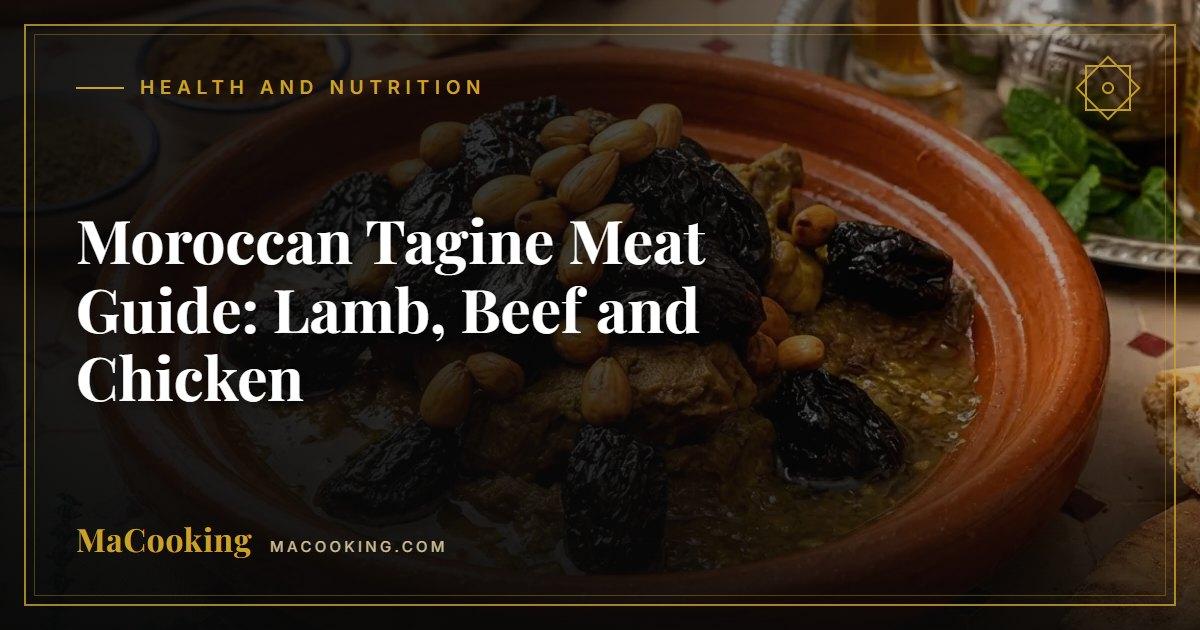
The best moroccan lamb stew recipe starts with the right cut: bone-in shoulder, neck or shank, cooked low and slow with onions, ginger, saffron and a little fat until the meat is spoon-tender. Beef needs longer, chicken far less, so match the cut, the cooking time and the sauce to each other.
Key Takeaways
- Choose cuts with bone, connective tissue and some fat for lamb and beef; they turn silky in a slow simmer, while lean cuts dry out.
- Lamb shoulder takes roughly 2 hours, shanks about 3, beef chuck 2 to 2.5, and bone-in chicken thighs under an hour.
- Most Moroccan meat tagines share a base of grated onion, ginger, turmeric, pepper, saffron, garlic and fresh coriander (cilantro) and parsley.
- Sweet pairings (prunes, apricots, raisins) suit lamb and beef; preserved lemon and olives suit chicken.
- Low heat and a tight lid matter more than the pot: a Dutch oven can stand in for clay.
Which Meat Is Best for a Moroccan Tagine?
There is no single right answer, because a tagine is a method as much as a dish: a covered pot, gentle heat and a sauce that reduces slowly around the meat. Lamb is the celebratory favourite, beef is the everyday workhorse in many households, and chicken is the quickest and most versatile. Fish and vegetable tagines exist too, but this guide focuses on the three meats most readers cook at home.
The table below summarises how they compare. Times are approximate for a low, steady simmer and will vary with the size of your pieces and your pot.
| Meat | Best cuts | Approx. simmer time | Classic pairings | Sauce character |
|---|---|---|---|---|
| Lamb | Bone-in shoulder, neck, shanks, breast | 1h45 to 2h15 (shanks 2h30 to 3h) | Prunes, apricots, almonds, raisins, quince, artichokes | Rich, glossy, onion-based |
| Beef | Chuck, shin (shank), brisket, cheek | 2 to 2.5 hours | Prunes, apricots, sesame, potatoes, carrots | Deep, savoury, slightly sweeter with fruit |
| Chicken | Bone-in thighs and drumsticks, whole jointed bird | 45 to 55 minutes | Preserved lemon, olives, cumin, potatoes, peas | Bright, lemony, golden |
If you want the reasoning behind these methods, the free chapter "The Tagine — Philosophy & Mastery" is free to read online and walks through the thinking behind the pot.
What Is the Best Cut for a Moroccan Lamb Stew Recipe?
For a traditional lamb tagine, think shoulder first. It has enough fat to keep the meat moist and enough connective tissue to thicken the sauce naturally. Here is how the main cuts behave:
- Shoulder (bone-in, chopped): the all-round best choice. Ask your butcher to cut it into large pieces, about 5 cm (2 inches), leaving the bones in.
- Neck: inexpensive and flavourful, with plenty of gelatin. It can be a little fiddly to eat, but the sauce is superb.
- Shanks: impressive on the plate and ideal for a single-serving presentation (more below).
- Breast or ribs: fattier and very tasty. Trim excess fat, or skim the sauce at the end.
- Leg: leaner and best for roasting or grilling. If you use it in a stew, cut large pieces and watch the time closely, since it can turn dry and stringy.
Boneless lamb works if it is all you can find, but the bones add body to the sauce, so consider adding a few bones from your butcher.
A Simple Moroccan Lamb Stew Formula (Serves 4)
This is a base method you can adapt with fruit, nuts or vegetables. For finished versions, see our Lamb Tagine with Apricots and Almonds and the Lamb Tagine with Prunes and Almonds.
Ingredients:
- 1.2 kg (about 2.5 lb) bone-in lamb shoulder, cut into large pieces
- 2 large onions, grated or very finely chopped
- 3 garlic cloves, crushed
- 1 tsp ground ginger
- 1/2 tsp ground turmeric
- 1 tsp sweet paprika
- 1/2 tsp black pepper
- A generous pinch of saffron threads, crushed and steeped in 2 tbsp warm water
- 1 cinnamon stick
- 2 tbsp olive oil, plus 1 tbsp smen or butter if you have it
- 1 small bunch each of flat-leaf parsley and coriander (cilantro), tied together
- About 1 tsp salt, adjusted at the end
- 300 ml (1 1/4 cups) water
Method:
- Toss the lamb with the garlic, ginger, turmeric, paprika, pepper, saffron water and oil. Leave it for at least 1 hour, or overnight in the fridge.
- Spread the grated onions in the base of your pot, set the lamb on top, and add the cinnamon, herb bundle and water.
- Bring to a gentle simmer over medium heat, then cover and cook on the lowest heat for 1 hour 45 minutes to 2 hours 15 minutes, turning the meat once or twice.
- When a fork slides easily into the meat, remove the herb bundle and cinnamon. Season with salt.
- If the sauce is thin, uncover and simmer for 10 to 15 minutes until it coats the meat. Skim excess fat if needed.
To make it sweet and savoury, stir in about 150 g (5 oz) of dried prunes or apricots for the last 30 minutes. For something more dramatic, see the mrouzia version built on honey, raisins and warm spices.
How Do You Cook a Moroccan Lamb Shank?
A moroccan lamb shank is the showpiece version of the same method. Because the shank has a thick sinew and a lot of collagen, it rewards patience: the meat gradually pulls away from the bone and the sauce becomes sticky and rich.
- Size: use one shank per person, about 350 to 450 g (12 to 16 oz) each.
- Browning: unlike shoulder, shanks benefit from a light sear in a hot pan first. It adds colour and a deeper flavour.
- Liquid: they sit best about halfway submerged. Use 400 to 500 ml (1 3/4 to 2 cups) of water or stock in a snug pot, and turn the shanks every 30 to 40 minutes.
- Time: 2 hours 30 minutes to 3 hours at a low simmer. The meat should be tender but still attached.
- Finish: lift out the shanks, reduce the sauce, then spoon it over the top with toasted almonds or a handful of caramelised onions.
If you are comparing methods, the same slow principles apply to larger pieces. The gentle simmering in a tagine differs from the dry heat in our grilled lamb approach, which suits leaner, quicker-cooking cuts.
What Are the Essential Moroccan Lamb Ingredients?
Moroccan lamb ingredients are surprisingly modest. The magic comes from layering aromatics, fat and time rather than from long spice lists. At its core, you need a good onion base, warm spices, herbs and a touch of something sweet or sour at the end.
| Ingredient | What it does | Western pantry substitute |
|---|---|---|
| Onions (grated) | Melt into the sauce and thicken it naturally | Yellow or white onions; avoid very sweet varieties |
| Ground ginger and turmeric | Earthy, warm base notes | Fresh ginger and turmeric root, grated, in about double the quantity |
| Saffron | Aroma and golden colour | A little extra turmeric for colour (the aroma will differ) |
| Smen (aged preserved butter) | Funky, cheesy depth, traditional with lamb | Butter, plus a very small piece of mild blue cheese melted in |
| Cinnamon stick | Gentle sweetness that suits lamb | A pinch of ground cinnamon |
| Coriander (cilantro) and parsley | Fresh, green backbone | Use parsley alone if coriander is unavailable |
| Dried prunes, apricots, raisins | Sweet counterpoint for the rich meat | Dates or figs, in smaller quantities |
| Almonds | Texture and a toasty finish | Blanched almonds, toasted in a dry pan |
Ras el hanout is common in some households and not in others. If you use it, add it in small amounts so it does not overwhelm the saffron and ginger. Fassi cooking in particular leans on restraint and balance; for background, the premium chapter "The Lamb and the Preserved Lemon: Fassi Meat Traditions" is among the pages you will find inside the full ebook Tables of Fez: A Royal Palace Legacy.
How Do You Make Moroccan Tagine Beef Tender?
Moroccan tagine beef takes longer than lamb because beef muscle is tougher and often leaner. The good news is that the same technique works; you just need a little more time and a cut that suits it.
- Pick the right cut: chuck, shin, brisket or cheek. Avoid sirloin or fillet; they turn grainy when stewed.
- Cut generously: pieces of about 4 to 5 cm (1.5 to 2 inches) hold up better than small cubes.
- Brown lightly (optional): not strictly traditional in every home, but it helps with deeper flavour in lean beef.
- Keep the heat low: a lively boil makes beef stringy. Aim for a bubble that barely breaks the surface.
- Allow 2 to 2.5 hours: test with a fork. If it is still firm, keep going in 20-minute increments.
- Add dried fruit late: prunes or apricots go in during the last 30 minutes so they soften without dissolving.
For fruit pairings, try our Beef Tagine with Prunes. Leftover tender beef and lamb also make a fine topping for steamed grains; our lamb or beef couscous recipe shows how the same meats work in a different format.
What Is the Best Way to Cook Moroccan Chicken Stew?
A moroccan chicken stew is the quickest of the three and the most forgiving. Bone-in, skin-on thighs and drumsticks give the best flavour and stay juicy, while breast meat easily dries out. If you cook with breasts, shorten the time and keep the pieces large.
- Marinade: ginger, turmeric, pepper, garlic, saffron and a little oil, ideally for an hour or more.
- Onions: a generous amount, cooked gently until soft and almost jammy.
- Time: 45 to 55 minutes for thighs and drumsticks; check that the juices run clear.
- Finish: add preserved lemon rind and olives in the last 10 to 15 minutes so their flavour stays bright. Rinse preserved lemon first if you prefer less salt.
The classic choice is the Chicken Tagine with Preserved Lemons. If you want a deeper, more onion-forward dish with a golden, concentrated sauce, try Djaj Mqualli. For more on this pairing, the full ebook The Royal Moroccan Table — Part 3: The Slow Fire includes a chapter titled "Chicken Tagine — Preserved Lemon & Olives".
Is Tagine Meat Healthy?
A tagine can be a nourishing, balanced one-pot meal. Lamb, beef and chicken provide protein and are naturally good sources of nutrients such as iron, zinc and B vitamins, and the stew is usually packed with onions, herbs and spices. At the same time, how healthy it is depends on your choices:
- Cut and fat: fattier cuts like breast and ribs give richer flavour but more saturated fat. Trim visible fat and skim the surface of the sauce before serving.
- Chicken skin: removing it after cooking reduces fat, though the skin protects the meat during simmering.
- Salt: preserved lemons, olives and some spice blends are salty. Taste first, then season at the end.
- Dried fruit and honey: they add natural sugars, so use them in moderation if you are watching your intake.
- What goes alongside: serve with a large vegetable salad, steamed vegetables or whole-grain couscous or bread to round out the plate.
If you have specific dietary needs or medical conditions, check with a qualified health professional. This guide is general cooking information, not medical advice.
What Mistakes Should You Avoid, and How Do You Store Leftovers?
Common mistakes
- Heat too high: it toughens meat and scorches the onion base. Keep it at a gentle simmer.
- Too much water: a tagine is not a soup. Start with less liquid than you think you need; the onions and meat release their own juices.
- Lifting the lid constantly: it lets out steam and drops the temperature.
- Lean cuts: lamb leg or beef sirloin will dry out. Choose collagen-rich cuts.
- Adding delicate ingredients too early: olives, preserved lemon, herbs and soft dried fruit belong near the end.
- Salting too soon: the sauce concentrates, so season at the end.
Storing and reheating
Cool leftovers quickly and refrigerate in a covered container for up to 3 days, or freeze in portions for about 2 months. Thaw overnight in the fridge and reheat gently until steaming hot throughout, adding a splash of water if the sauce has thickened. Lamb and beef stews often taste even better the next day, once the flavours have settled.
New to the technique? The premium chapters "Your First Tagine" and "How to Read a Moroccan Recipe" sit inside the full ebook The Royal Moroccan Table — The Soul of Morocco.
Frequently Asked Questions
What is the best cut of lamb for a Moroccan lamb stew?
Bone-in shoulder is the most reliable choice, followed by neck and shanks. These cuts contain connective tissue and a little fat that melt into the sauce during slow cooking. Lean leg meat tends to dry out and is better suited to quicker dishes or roasting.
Can I make tagine without a clay tagine pot?
Yes. A heavy Dutch oven or lidded casserole works well because it holds steady, gentle heat and traps steam. Keep the heat low, avoid lifting the lid too often, and check the liquid level occasionally. The flavour comes mostly from the spices, onions and slow cooking rather than the vessel.
How long does it take to cook lamb, beef and chicken in a tagine?
Cubed bone-in lamb shoulder usually needs about 1 hour 45 minutes to 2 hours 15 minutes at a low simmer. Lamb shanks take around 2 hours 30 minutes to 3 hours. Beef chuck needs roughly 2 to 2.5 hours, and bone-in chicken thighs about 45 to 55 minutes.
Why is my tagine meat tough?
The usual causes are heat that is too high, a cut that is too lean, or stopping too early. Boiling tightens muscle fibres, while slow, gentle simmering lets collagen soften. If the meat resists a fork, put the lid back on and give it another 20 to 30 minutes.
Is Moroccan tagine healthy?
A tagine can be a balanced meal because it combines meat with onions, vegetables, herbs and spices, and it uses relatively little oil. Healthfulness depends on the cut, the amount of fat and salt, and any added dried fruit or sugar. Trimming visible fat and serving with vegetables or whole grains helps.
Can I freeze leftover tagine?
Most meat tagines freeze well for a couple of months in airtight containers. Cool the stew quickly, freeze it in portions, and thaw overnight in the fridge. Reheat gently until piping hot. Add fresh herbs, olives or preserved lemon after reheating for brighter flavour.
Conclusion
Choosing the right meat is half the battle in a great tagine. Pick bone-in, collagen-rich cuts for lamb and beef, give them time at a low simmer, and treat chicken as the quick, bright option. Start with the simple formula above, then explore the fruit, nut and preserved lemon variations until you find the one your table asks for again and again.