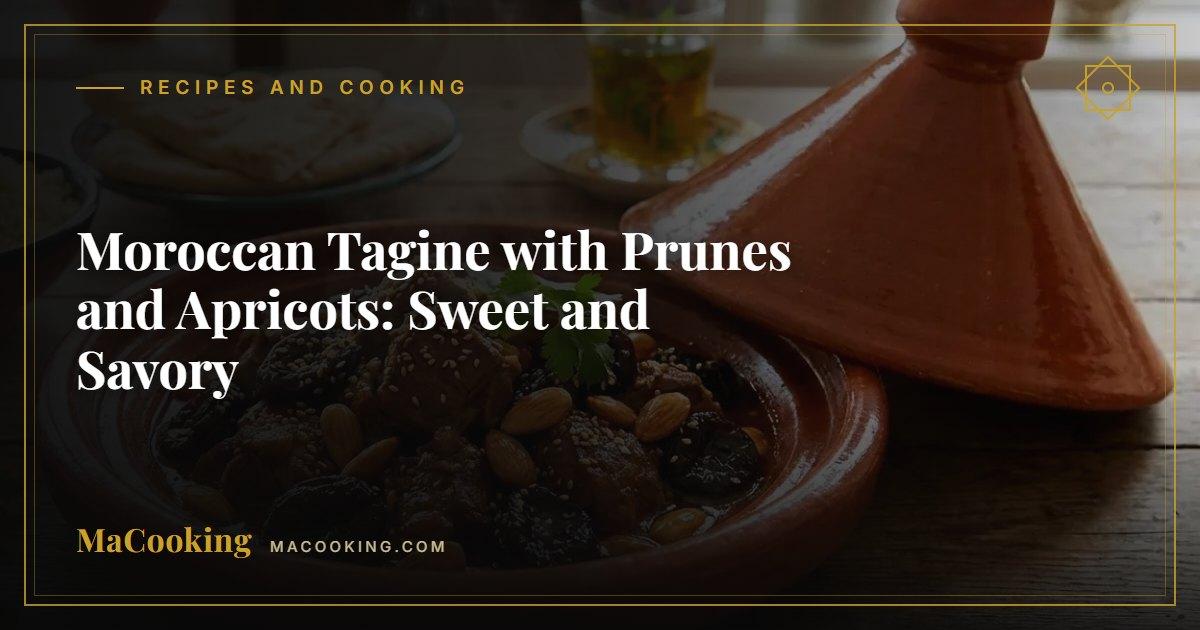
A Moroccan tagine with prunes is a slow-simmered stew of lamb or beef, onions, saffron and ginger, finished with jammy dried fruit, honey and toasted almonds. Cook the meat until fork-tender, about two hours, then add the prunes for the last 30 minutes so they turn glossy but keep their shape.
Key Takeaways
- Bone-in lamb shoulder gives the best texture and the richest sauce; beef chuck is a good alternative.
- Add the dried fruit only after the meat is nearly tender, so it stays plump instead of dissolving.
- Prunes bring deep, wine-like sweetness; apricots bring brightness and a gentle tartness. Using both gives the most balanced pot.
- Keep the liquid low and the heat gentle. The onions release much of the sauce as the meat cooks.
- A pinch of black pepper, a little lemon juice and a scatter of almonds keep the dish savory rather than dessert-like.
What Is Moroccan Tagine with Prunes?
The word "tagine" names both the conical clay cooking vessel and the slow-cooked stews made in it. If you want the wider background on the vessel and its history, the Wikipedia entry on the tajine is a reasonable starting point. A tagine with prunes belongs to the family of sweet-and-savory Moroccan dishes, where dried fruit meets onions, warm spices and tender meat. It is often cooked for festive meals and family gatherings, partly because it asks for time and a generous cut of meat.
What surprises many first-time cooks is how little sugar is actually involved. The sweetness comes mainly from the fruit itself, with a spoonful or two of honey to give the sauce a lacquered finish. The savory backbone is built from a great deal of onion, ginger, black pepper, turmeric and saffron, and from the fat in the meat. The result is closer to a braise with a fruit compote folded in than anything resembling a dessert.
This version uses both prunes and dried apricots. Many Moroccan households make the dish with one or the other, and recipes vary from family to family and city to city. Cooking with both is a practical way to get depth and brightness in the same pot.
Prunes or Apricots: Which Should You Use?
Both fruits suit lamb, and the choice is mostly about the mood you want in the finished dish. Prunes are darker, stickier and more profound. Apricots are lighter and a little acidic, which cuts through the richness of fatty meat. If you only want to make one version, the table below will help you choose.
| Fruit | Flavor in the sauce | Texture after cooking | Best with | When to add |
|---|---|---|---|---|
| Pitted prunes | Deep, jammy, almost wine-like | Soft, silky, holds shape if added late | Lamb shoulder, beef chuck | Last 25-30 minutes |
| Dried apricots | Bright, tangy, honeyed | Plump but slightly chewy; can collapse if overcooked | Lamb, chicken, beef with sesame | Last 20 minutes |
| Prunes and apricots together | Rounded: rich and tart in balance | Two textures in one pot | Lamb shoulder or neck | Prunes first, apricots 10 minutes later |
If you would like to see each fruit on its own, we have a dedicated lamb tagine with prunes and almonds and a beef tagine with apricots and sesame. For a poultry take on the apricot idea, try our Moroccan chicken tagine with dried apricots.
What Are the Moroccan Tagine Ingredients You Need?
The ingredient list is short, but each item has a job. This recipe serves 4 to 6 people.
For the tagine
- 1.2 kg (2.6 lb) bone-in lamb shoulder, cut into 6-8 large pieces (or 1 kg / 2.2 lb boneless)
- 2 tbsp olive oil and 1 tbsp unsalted butter (or smen, if you have it)
- 3 medium onions: 2 thinly sliced, 1 grated
- 3 garlic cloves, crushed
- 1 tsp ground ginger
- 1 tsp ground black pepper
- 1/2 tsp ground turmeric
- 1 good pinch saffron threads (about 20), crushed and steeped in 2 tbsp warm water
- 1 cinnamon stick
- 1 tsp salt, adjusted to taste at the end
- 350 ml (1 1/2 cups) water, plus a little extra if needed
For the fruit and finish
- 200 g (7 oz) pitted prunes
- 100 g (3.5 oz) dried apricots
- 1-2 tbsp honey, to taste
- 1/2 tsp ground cinnamon
- 80 g (2/3 cup) blanched whole almonds
- 1 tbsp sesame seeds
- A small squeeze of lemon juice, to finish
- A handful of chopped fresh cilantro or flat-leaf parsley (optional)
Pantry substitutions
| If you don't have... | Use... | Note |
|---|---|---|
| Smen (aged butter) | Unsalted butter | You lose some of the savory, slightly funky depth, but the dish is still excellent. |
| Saffron | Extra 1/4 tsp turmeric | Color will be similar; the floral aroma will not. Saffron is worth buying for this dish. |
| Lamb shoulder | Beef chuck or bone-in chicken thighs | Beef needs 2 1/2 to 3 hours. Chicken needs only about 45 minutes before the fruit goes in. |
| Blanched almonds | Skin-on almonds, peeled after a 1-minute dunk in boiling water | Peel while still warm; the skins slip off easily. |
| Honey | Light brown sugar or date syrup | Start with a smaller amount and taste. |
For more on how the core ingredients and techniques fit together, our guide to cooking Moroccan tagine professionally walks through the spice logic and the cooking vessels in detail.
How Do You Cook Moroccan Tagine with Prunes and Apricots?
Total time is about 2 hours 45 minutes, most of it hands-off. You can use a clay tagine on a heat diffuser, or a heavy lidded pot such as a Dutch oven. The method below follows the traditional approach of building the dish in layers with little added liquid, rather than searing the meat hard first.
- Season the meat (15 minutes, or overnight). In a large bowl, toss the lamb with the grated onion, garlic, ginger, pepper, turmeric, salt and the saffron with its soaking water. Rub it in well. If you have time, cover and refrigerate overnight; the flavor goes deeper.
- Start the base (10 minutes). Warm the olive oil and butter in your pot over medium-low heat. Add the sliced onions with a pinch of salt and cook gently for 8 to 10 minutes, stirring now and then, until soft and translucent but not browned.
- Add the meat and water. Nestle the lamb and all its marinade on top of the onions, add the cinnamon stick, and pour in the water. Bring just to a gentle simmer, then cover tightly and reduce the heat to the lowest setting.
- Braise for about 1 hour 30 minutes. Turn the meat once or twice. The liquid should bubble faintly, never boil hard. If the pot looks dry, add 50 ml of hot water at a time. (Oven option: cook covered at 160°C / 325°F for the same time.)
- Prepare the fruit. While the meat cooks, put the prunes in a small saucepan with 200 ml water, the ground cinnamon and 1 tbsp honey. Simmer gently for 15 minutes until plump and the liquid turns syrupy. If your prunes are firm, soak them in hot water for 15 minutes beforehand.
- Toast the almonds and sesame. Dry-toast the almonds in a skillet over medium heat for 3 to 4 minutes until golden and fragrant. Set them aside. Toast the sesame seeds for about 1 minute, shaking constantly.
- Add the fruit (final 30 minutes). Once the meat is nearly tender, with a knife sliding in easily, uncover the pot. Stir in the prunes and a few spoonfuls of their syrup. After 10 minutes, add the apricots, keeping the heat low.
- Reduce and balance. Simmer uncovered for 15 to 20 minutes, spooning the sauce over the meat, until it is thick and glossy. Taste. Add the second spoonful of honey only if needed, a pinch more salt if it needs it, and a small squeeze of lemon juice to lift the flavors.
- Finish and serve. Transfer to a warm serving dish or bring the tagine to the table. Scatter with the almonds, sesame seeds and herbs, if using. Serve hot.
Timing at a glance
| Stage | Time | What to look for |
|---|---|---|
| Onions softened | 8-10 minutes | Translucent, no browning |
| Meat braised, covered | About 1 hr 30 min | Gentle bubbling, meat almost tender |
| Fruit added | Final 30 minutes | Prunes plump, apricots just soft |
| Sauce reduced, uncovered | 15-20 minutes | Thick, glossy, coats a spoon |
A note on using a clay tagine
If you are cooking in a clay tagine, use a heat diffuser on the stovetop, start on low heat and raise it gradually. Never put a cold clay pot over a hot flame, and don't heat it empty. Follow the maker's instructions on seasoning a new pot, since glazed and unglazed pieces differ. If you are not sure, a heavy casserole gives very similar results.
What Mistakes Should You Avoid?
- Adding the fruit too early. Two hours of simmering turns apricots to mush and can make prunes bitter and shapeless. Wait until the meat is almost done.
- Too much liquid. A tagine is a braise, not a soup. The onions and meat release juice as they cook, so begin with less water and add more only if needed.
- Boiling instead of simmering. A hard boil toughens the meat and can scorch the sugars from the fruit. Keep the bubbles lazy.
- Over-sweetening. Taste before adding the honey. Many prunes are already very sweet, and the dish should stay savory at the core.
- Skipping the rest. Let the tagine sit, covered and off the heat, for 10 minutes before serving. The sauce settles and the flavors come together.
- Using lean meat. Leg or lean stewing cuts can turn dry. Choose shoulder, neck or shank, or let the bones and fat do the work.
The best tagines taste of the meat and onions first, with the fruit as a rich, glossy second voice.
If you would like to go deeper into the thinking behind that balance, you can read the free chapter "The Tagine — Philosophy & Mastery" from The Royal Moroccan Table — Part 3: The Slow Fire. It is free to read online. Inside the full ebook, readers will also find a chapter titled "Lamb with Prunes, Almonds & Saffron," which you can explore on the book's page.
What to Serve and How to Store a Prune Tagine
Serve the tagine straight from the pot with plenty of crusty bread for scooping up the sauce. Moroccan families typically eat from the shared dish using bread rather than cutlery. Plain couscous, or a simple rice pilaf with a little butter, also works well and soaks up the syrup nicely.
Because the dish is rich and sweet-leaning, pair it with something sharp and fresh. A salad of cucumber, tomato and red onion with lemon, or a bowl of olives, balances the plate. For an extra savory accent, a spoonful of finely chopped homemade preserved lemon stirred in at the end adds a salty, floral brightness that works surprisingly well with prunes.
Storage and reheating
- Refrigerator: cool within two hours, then store in a covered container for up to 3 days.
- Freezer: freeze for up to 2 months. Fruit texture softens slightly on thawing but the flavor holds up well. Freeze without the nuts.
- Reheating: warm gently over low heat with a splash of water, stirring occasionally. Avoid the microwave on high, which can make the meat rubbery.
- Garnish: toast fresh almonds and sesame seeds just before serving so they stay crisp.
Variations to try
- Beef version: use chuck and extend the braising time to 2 1/2 to 3 hours. Our beef tagine with prunes shows the method in full.
- Mrouzia-style: for an even more sweet-leaning, spice-heavy version, look at mrouzia, the Moroccan sweet and savory lamb stew.
- Extra spice: add 1/2 tsp ras el hanout with the ginger for a more fragrant sauce, but taste as you go, since blends vary widely in strength.
- Leftovers: shredded the next day, the meat and fruit make a fine filling for flatbread or a savory pie.
You can browse more ideas in our full collection of Moroccan recipes.
Frequently Asked Questions
Do I need to soak prunes before adding them to a tagine?
Soft, moist pitted prunes don't need soaking. If yours are firm or leathery, soak them in hot water or warm tea for 15 minutes first. Either way, simmer the fruit gently in the sauce so it plumps up and turns glossy instead of breaking apart.
Can I make Moroccan tagine with prunes without a clay tagine pot?
Yes. A heavy Dutch oven or lidded casserole works well because it holds steady, even heat and traps steam. Cook on the lowest stovetop setting or in a 160°C (325°F) oven. The flavors are the same, though a clay pot gives a slightly gentler, earthier result.
Which cut of lamb is best for a prune tagine?
Bone-in shoulder is the most forgiving choice. It has enough fat and connective tissue to turn tender and silky over two hours without drying out. Neck and shanks also work well. Lean leg meat can turn stringy in a long braise, so it needs closer watching.
How do I stop my tagine from tasting too sweet?
Use the honey sparingly, add it near the end, and taste before adding more. Balance the fruit with plenty of onion, black pepper and ginger, and finish with a small squeeze of lemon juice. The sauce should taste savory first, with the fruit as a rich accent.
Can I cook the tagine ahead of time?
Yes, and it often tastes better the next day. Cool it, refrigerate in a covered container for up to three days, and reheat gently with a splash of water. Keep the toasted almonds and sesame seeds separate and scatter them on just before serving so they stay crisp.
Conclusion
A good Moroccan tagine with prunes and apricots rewards patience more than skill. Build the onion base slowly, braise the lamb until it yields to a spoon, and bring in the fruit late so it stays glossy and distinct. Keep tasting at the end, adjusting with honey, salt and lemon until sweet and savory sit in balance. Serve it with bread, share it from the pot, and you have one of the most satisfying dishes in the Moroccan repertoire. Once the method is familiar, you can move easily between lamb, beef and chicken, or between prunes, apricots and other fruit.